
Bird of the Week - 1-3-18

Bird-Cardinal-BranchB-W.jpg

The Northern Cardinal

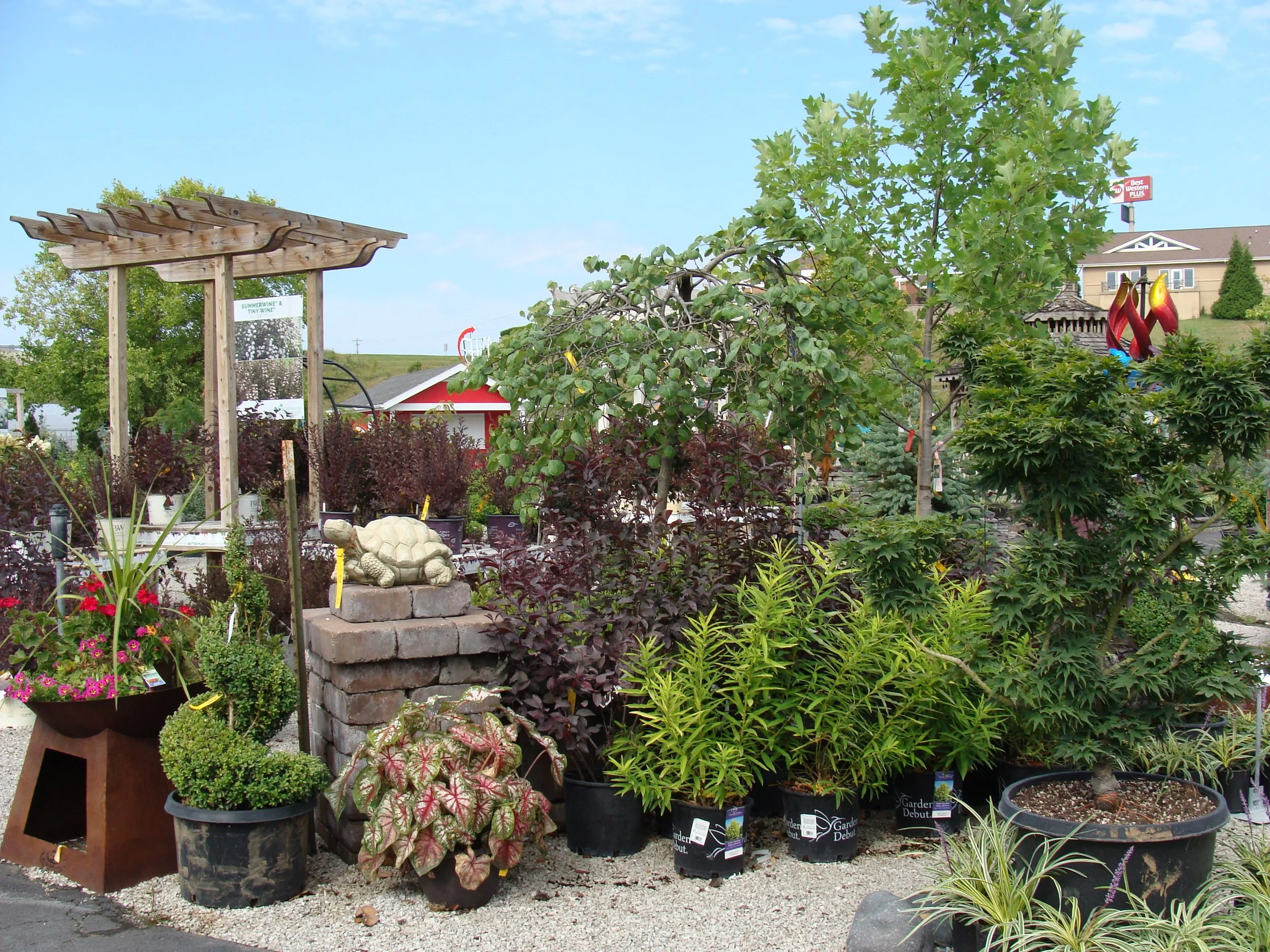
Basics: Male Cardinals are easily spotted by their red plumage while female cardinals have lovely red highlights in their fawn colored feathers.

Housing: Enclosed housing may not be appealing to this species. Platform housing is best for Cardinals. The planting of thick berry producing plants and evergreens are also very beneficial for this species to roost and nest in.

Food: Black Oil Sunflower seeds, and safflower seeds are two of their favorite foods!

How to attract: Provide food, water, shelter, and nesting sites!

Fact: Keeping warm bodies is a number one priority during winter, a snug place to roost overnight is just as important as a full belly.

Tip: Choose larger, heavier feeders that will not sway, or placing feeders on sturdy poles rather than hanging them to provide more stability when cardinals are feeding.

- - - - - - - - - - - - - - - - - - - - - - - - - - - - - - - - - - - - - - - - - - - - - - - - - - - - - - - - - - - - - -
Bird of the Week Special:

Black Oil Sunflower Seed
50# Bag, Regular $24.99
Just $18.99

Good through 1/8/18. Not good with any other sale, coupon or discount or on previous purchases. Print this coupon or mention offer at the checkout counter.

Code: HNF-NL

- - - - - - - - - - - - - - - - - - - - - - - - - - - - - - - - - - - - - - - - - - - - - - - - - - - - - - - - - - - - - -

Houseplant of the Week - 1/3/17

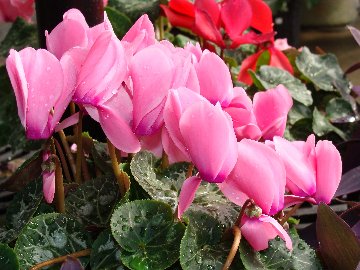
CyclamenPink08sw.jpg

Cyclamen

       These houseplants are valued for the up-swept petals and variably patterned leaves. The florist Cyclamen is the best know species in this genus. The small flowers of this plant are very sweet smelling. These are tuberous plants with the common heart shaped leaves. Cyclamen have a good transpiration rate, and therefore will add to the humidity in your home. The plants prefer a cool location with good air circulation! Cyclamen are great flowering plants to add interest to the home in winter, as they do best in our area from December through March.


- - - - - - - - - - - - - - - - - - - - - - - - - - - - - - - - - - - - - - - - - - - - - - - - - - - - - - - - - - - - - -

Houseplant of the Week Special:

20% OFF
Cyclamen Plants

Good through 1/8/18. Not good with any other sale, coupon or discount or on previous purchases. Print this coupon or mention offer at the checkout counter.

Code: HNF-NL

- - - - - - - - - - - - - - - - - - - - - - - - - - - - - - - - - - - - - - - - - - - - - - - - - - - - - - - - - - - - - -

Letter to Lawn Sevice Customers

Dear Lawn Service Customers,

KeithKennedy1-3-17c-sw.jpg

       You should have received your 2018 Property Analysis letters by now or will be very soon. We will be offering the same type of program in general but have made a few changes in order to better serve you. You will see that we have included all six steps on your P. A. sheet. We feel this is the best way to maintain a healthy lawn throughout the season. You are free to make changes to suit your specific needs.

       We will be using a newer line of products that will be better suited for our area conditions as well as weather factors. We hope to work with you for the 2018 season and encourage everyone interested to respond by the February 1st deadline to take advantage of the 5% discount pre-pay offer. This is available with an order of four steps or more only. If you have any questions please feel free to contact our landscape office.

See below for a list of steps with descriptions to be used in this years Lawn Program.

Hillermann’s Lawn Program

Step 1:  Late February / March – Fertilization with Pre-emergent
This step is a dry granular application and will provide lawn fertilization as well as helping with crabgrass control.

Step 2:  March / April – 1st  Weed Spray
This step is a liquid application and will be a blanket coverage for broadleaf control.

Step 3:  Late April / Early May – Grub and Insect Control
This step is a dry granular application and will target non-beneficial species of grubs and insects at an early development stage. This is attached to a fertilizer carrier.

Step 4:  May / June – 2nd  Weed Spray
This step is a liquid application and will be a spot spray on areas as needed for   continued broadleaf control.

Step 5:  September – Fertilization
This step is a dry granular application and will provide lawn fertilization.

Step 6:  October / November - Fertilization with Pre / Post emergent
This step is a dry granular application and will provide lawn fertilization with a Pre/Post emergent to target cold season weeds and help with weed control in the spring.

Step 7:  ( Optional ) November / December – Iron supplementation /    Pelletized Lime
This step can be on an as needed basis for different lawn requirements. Please call for estimate.

*Steps 1 and 6 will effect over-seeding results. Please call our office at 636-239-6729 for details.


Again, please feel free to contact us with any questions. We look forward to working with you this season. Thank you.


Keith Kennedy
Landscape Superintendent

Hillermann Nursery & Florist
Phone: (636)239-6729
Cell: (636)221-4753

WARNING! DROUGHT CONDITIONS PERSIST IN OUR AREA!

WaterHoseDrop.jpg

Drought conditions can be serious for young trees and landscape plants. Even though most plants are dormant at this time, they still need water. Water your trees and shrubs to give them a better chance of surviving the drought and the winter season.

Most of us don't think about watering plants this time of year. However, plants (especially broadleaf evergreen varieties that loose moisture through the leaves) still need moisture through the winter season. Moisture in the soil is needed so that the roots of plants can continue to grow and have insulation from freezing temperatures.

Slower watering is recommended so that the water will soak into the dry soil and not run off. Many methods will work for this - such as soaker hoses, a regular hose with the water at just a trickle, jugs or buckets with a hole in them, or even a deep root watering device. Remember to turn off the water, unhook the hose from the faucet and drain the water to avoid damage from freezing.

Though the plants need water in winter. The amount is not as much as in the growing season. Large, mature trees may need one or two deep waterings per month. Younger or newly planted trees may need more. Do not apply any fertilizer. Add mulch around your plants and trees if they have none - or the layer is thinned out. Keep the mulch a couple inches or so away from the base of the plant or tree trunk (do not let the mulch pile up on tree trunks or plant stems).

National Integrated Drought Information System, Drought.gov, https://www.drought.gov/drought/states/missouri

National Integrated Drought Information System, Drought.gov, https://www.drought.gov/drought/states/missouri

For more information, contact the nearest University of Missouri Extension Center and ask for MU guide G6879, "Irrigating Trees and Shrubs During Summer Drought". The publication is also available online at extension.missouri.edu.

Here are some articles about the current drought and watering tips: http://agebb.missouri.edu/news/swnews/showcur.php… . https://www.drought.gov/drought/states/missouri