Garden Solutions - February 2018

BirdsOnTubeFeederWeb.jpg

February is National Bird Feeding Month….  Now that we are in the throws of winter, and the coldest month of the year is upon us, it is a good time to assess how the birds are doing. This time of year, is especially difficult for them. If given a little assistance, their chances of survival are greatly increased.

One of the easiest things to provide, and high on the list of needs, is water. Adding a heater or deicer coil to an existing birdbath. Just be sure to keep the birdbath clean.

Providing shelter is another way to help.  The use of birdhouses and nesting boxes has helped many species make a comeback. Landscaping that provides shelter can also be a great help. Evergreen trees and shrubs provide a welcome resting place out of the wind, snow or rain. Birds gather in groups towards the inside and huddle together to create more warmth.

Birds-Bluebirds-SuetFeederW.jpg

The final piece of the puzzle is providing food. Particularly here in Missouri, winter is a difficult time for the bird species that have chosen to overwinter here. There is little to no vegetation, and most of the insects are dead or dormant. Now is an excellent time to purchase a feeder if you do not already have one. Most songbirds feed on insects and spiders during the spring and summer; however, the non-migratory species switch to fruit and seeds in the fall and winter.  Black oil sunflower seeds are preferred by the largest number of bird species. Be sure to scatter some seed on the ground and beneath trees and shrubs for birds that prefer to feed in these locations. High-energy food, like suet and peanut butter, are an added benefit for all birds and provide much needed fat. So, with this information, I hope now you will enjoy the antics of our feathered friends.

SeedPacks_Flowers_Rack2-17sw.jpg

It is also time to think about starting any garden and flower seeds in the house that you may want to grow this year. The choices are many. Our last frost date is around May 1st, so back up the weeks on the calendar for seed starting so you know when the best time for planting in the house would be. Ample light is very important for this task. Botanical Interest is a wonderful line of garden seeds that offers health and recipe information along with growing information on the packets.

Until next month, 
Sandi Hillermann McDonald

Houseplant of the Week - 2/6/2018

Dieffenbachia_B_w.jpg

Dieffenbachia

       Dieffenbachia is a herbaceous, tropical plant with a straight stem and simple and alternate leaves that contain white spots and flecks, making it attractive as indoor foliage. Species in this genus are popular as houseplants because of their tolerance of shade. If the leaves are chewed or eaten it can cause temporary swelling of the tongue and throat, leading to a temporary loss of speech - hence the plant's common name of dumb cane. This is caused by the effect of raphides (needle shaped crystals of calcium) in the leaves of the plant. While it is usually not serious, it can cause suffocation. Avoid placing this plant where children or pets might be tempted to taste it.

       Most dieffenbachia varieties do best in a filtered light situation, where bright to moderate light shines through a sheer curtain or other filtering window cover. Filtered light is particularly important in the spring and summer, when the dieffenbachia houseplant is producing new, tender leaves that are subject to sunburn. Rotate the plant regularly to provide adequate light to all sides of the plant and prevent it from reaching toward the light on one side. Most cultivars do fine in a low light environment; growth may be slower or stop, but the plant will remain healthy and attractive.

       Overwatering is a common problem with many houseplants, and the dieffenbachia plant is no exception. Plant the dumb cane in a well-draining soil and water lightly, keeping the soil consistently moist, but not soggy. Check the soil to make sure it is dry an inch down before watering. Fertilize twice a month to encourage growth and health. A houseplant food high in nitrogen can be applied at half strength.

       Browning bottom leaves on the dieffenbachia is normal for the plant; Snip them off to keep the plant tidy. If other leaves appear bleached, with a webby substance on the underside, check and treat the plant for spider mites with insecticidal soap spray or neem oil.


Plant of the Week Special:
- - - - - - - - - - - - - - - - - - - - - - - - - - - - - - - - - - - - - - - - - - - - - - - - - - - - - - - - -

20% OFF
Dieffenbachia Plants

Good through 2/12/18. Not good with any other sale, coupon or discount or on previous purchases. Print this coupon or mention offer at the checkout counter.

HNF-NL
- - - - - - - - - - - - - - - - - - - - - - - - - - - - - - - - - - - - - - - - - - - - - - - - - - - - - - - - -


Bird of the Week - 2/6/18

Bird_Downy_Woodpecker_Branch_B_w.jpg

Downy Woodpecker

Basics: This bird can be identified by its white back, black nape, and black wings with white spotting. Another amusement on this species is its quick moves up and down the tree trunks.

Housing: Mount your wooden birdhouse to the trunks of mature trees. There should be about 1- ¼" inch hole for your woodpeckers to enter/exit.

Food: You can get pretty close to these birds as they feed, due to their being quite brave. Add a Suet feeder, and Suet to get a close up view of these beauties feeding near your home! Suet is a great food source for all woodpecker species in our area.

How to attract: Downy Woodpeckers are attracted to places where food is abundant

Fact: This is the smallest Woodpecker in North America.

Tip: Downy woodpeckers look very similar to hairy woodpeckers. However, remember that when distinguishing between the two, downy woodpeckers are smaller, with smaller bills.


Bird of the Week Special:
- - - - - - - - - - - - - - - - - - - - - - - - - - - - - - - - - - - - - - - - - - - - - - - - - - - - - - - - - - -

20% OFF
Wooden Woodpecker Houses & Feeders

Good through 2/15/16. Not good with any other sale, coupon or discount or on previous purchases. Print this coupon or mention offer at the checkout counter.

- - - - - - - - - - - - - - - - - - - - - - - - - - - - - - - - - - - - - - - - - - - - - - - - - - - - - - - - - - -

Landscape Projects in WINTER - Special Offer!

LSPatioKitchen-Belgard-swc.jpg


       Winter is a great time to plan, design and even get started on installation for new landscape. Hardscapes including patios, walls, paths and more can be installed when the weather allows in winter months.


- - - - - - - - - - - - - - - - - - - - - - - - - - - - - - - - - - - - - - - - - - - - - - - - - - - - - - - - - -

10% OFF

Hardscape Materials
for landscape jobs signed by 2/21/18


Hardscape materials including block, stone, base layer rock and sand included. Labor, plants, soil, mulch and decorative rock excluded. Not good with any other sale, coupon or discount or on previous orders. Print this page or mention offer to the designer.

- - - - - - - - - - - - - - - - - - - - - - - - - - - - - - - - - - - - - - - - - - - - - - - - - - - - - - - - - -

Bird of the Week - 1/31/18

Bird-BlueJay-Branch-W.jpg

Blue Jay

Basics: This bird is easily recognized by it’s perky crest and blue, white, and black plumage, as well as it’s noisy calls. The Blue Jay is a very aggressive bird at the feeders, because of its size and character. Even though some people do not like to attract Blue Jays, they are a beautiful addition to the winter backyard.

Housing: Open nesting flat platform are necessary, as in their natural habit they are attracted to flat spaces on tree branches.

Food: Offer a variety of food, to attract the maximum amount of Blue Jays to your area. Peanuts, black and striped sunflower seeds, elder berries, cherries, dogwood and acorns are Blue Jay favorites! Since the blue jay's bill is powerful and all purpose, it can handle the peanuts either in the shell or out. Suet is also something that attracts jays.

How to attract: Install a bird bath, put out a variety of seeds, berries, and suet, as well as maintaining flat platform areas around your yard.

Fact: Dinnertime is all the time for birds. Birds have a high body temperature and a high rate of metabolism, and digest their food rapidly. Each day they have to eat a lot to store energy and body fat.

Tip: Use baffles or put up temporary covers to keep the feeders from becoming clogged with ice and snow.


Bird of the Week Special:

- - - - - - - - - - - - - - - - - - - - - - - - - - - - - - - - - - - - - - - - - - - - - - - - - - -

Prince Wild Birdseed
44# Bag, Regular $15.99

Just $11.99
 

Good through 2/5/18. Not good with any other sale, coupon or discount or on previous purchases. Print this page or mention offer at the checkout counter.

- - - - - - - - - - - - - - - - - - - - - - - - - - - - - - - - - - - - - - - - - - - - - - - - - - -

Plant of the Week - 1/31/18

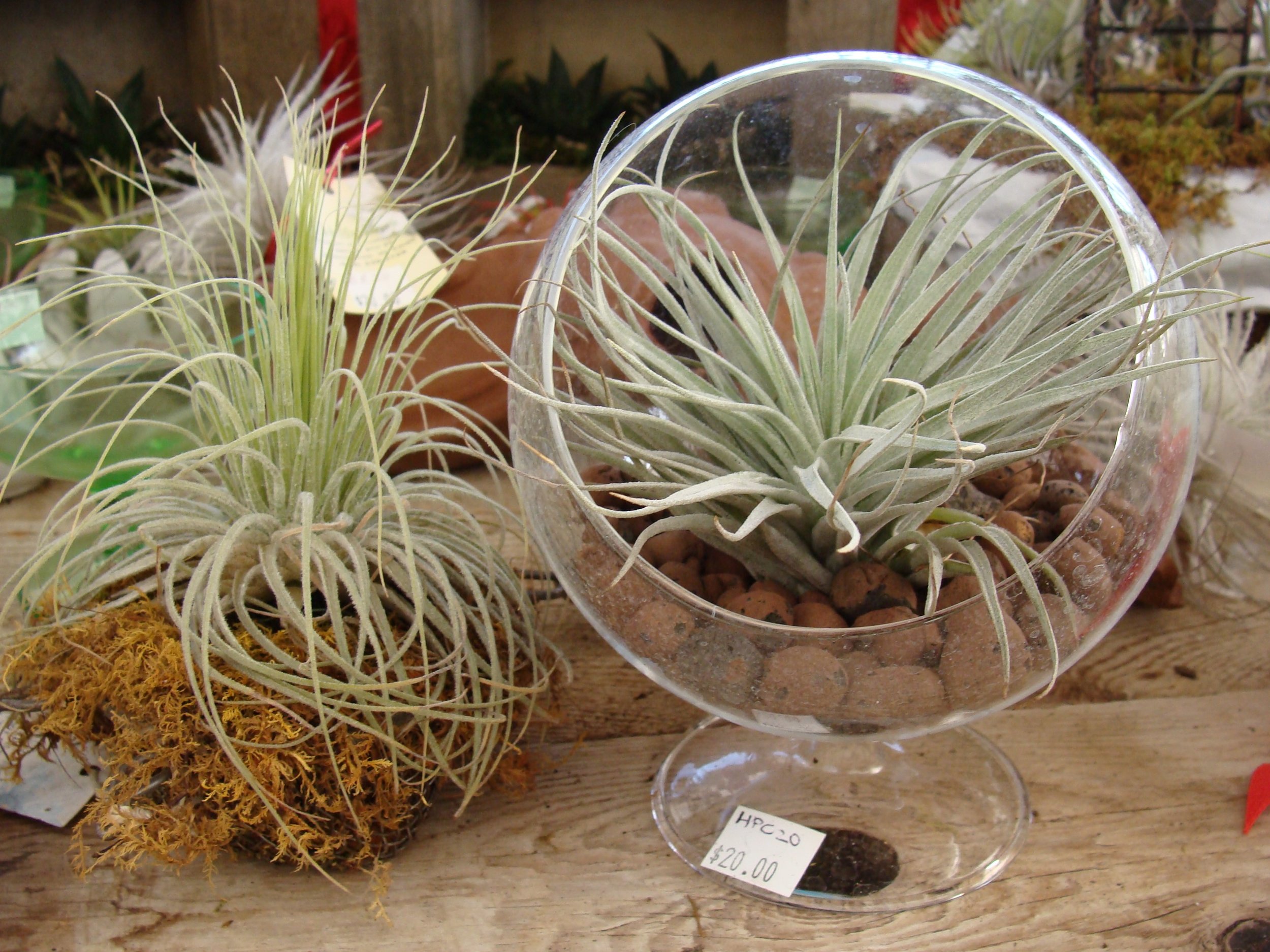
TillandsiaContRdGlass11-14s.jpg

Tillandsia (Air Plants)

       Tillandsia plants are epiphytes and need no soil because water and nutrients are absorbed through the leaves. The roots are used as anchors only. They are sensitive to frost and are used as an indoor plant in our area. Reproduction is by seeds or by offsets called "pups". A single plant could have up to a dozen pups. Tillandsias love bright, indirect sunlight. Some Tillandsia will bloom on a regular basis. In addition, it is quite common for some species to take on a different leaf color (usually changing from green to red) when about to flower. This is an indication that the plant is monocarpic (flowers once before dying) but offsets around the flowering plant will continue to thrive.

       If the air is dry where you are growing Tillandsia, you will need (at minimum) to submerge the plant in water for 2-3 hours about every two weeks. Otherwise, you can use a soaking mist once or twice a week (more often in a hot, dry environment; less often in a cool, humid one). In conditions of extreme drying, and consequent moisture loss, Tillandsia cannot get replacement water from their roots like a terrestrial plant, or draw on internal reserves like a succulent. Do not water with distilled or softened water because of the salt content. Filtered water, tap water that has sat long enough for the chlorine to dissipate, or bottled water is fine. Pond water, aquarium, or rainwater is preferred if possible.

       Tillandsia make great terrarium and mini garden plant choices. They are fun to grow in areas that plants needing soil cannot be grown. They are also a fun plant for children to grow.


Plant of the Week Special:

- - - - - - - - - - - - - - - - - - - - - - - - - - - - - - - - - - - - - - - - - - - - - - - - - - - - - - - - - - -

20% OFF Tillandsia Plants

Good through 1/24/18. Not good with any other sale, coupon or discount or on previous purchases. Print this page or mention offer at checkout counter.

- - - - - - - - - - - - - - - - - - - - - - - - - - - - - - - - - - - - - - - - - - - - - - - - - - - - - - - - - - -