
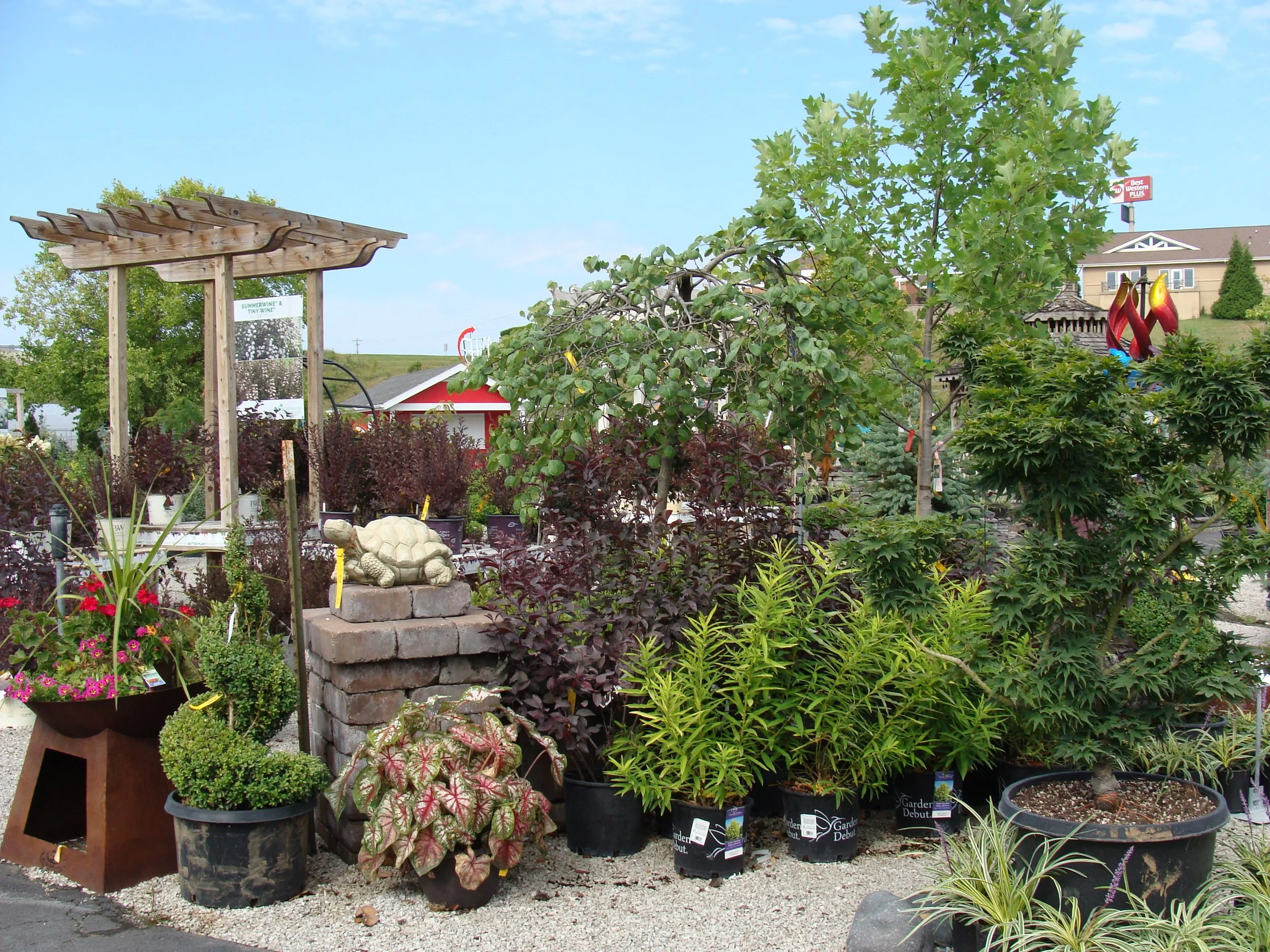
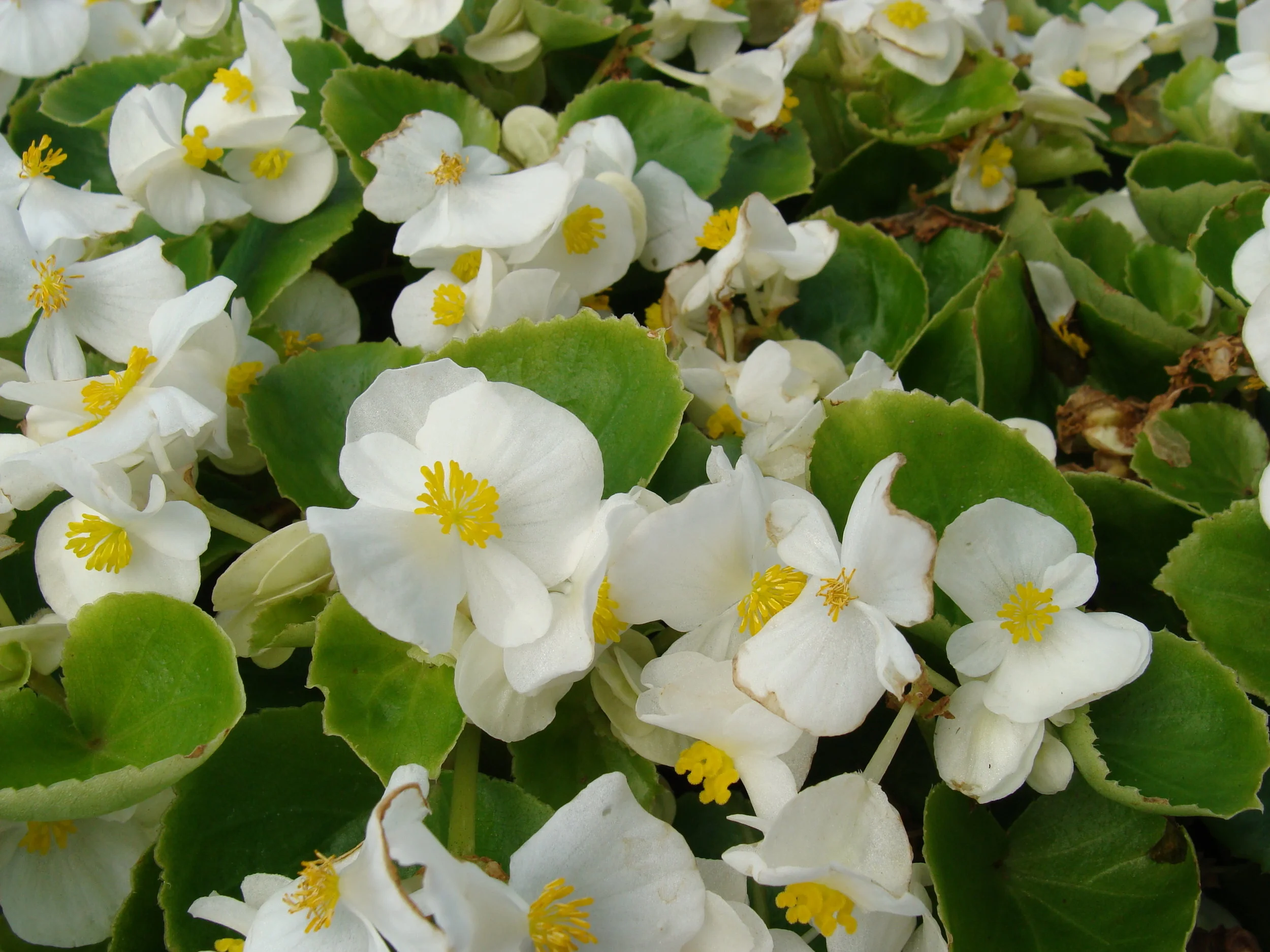
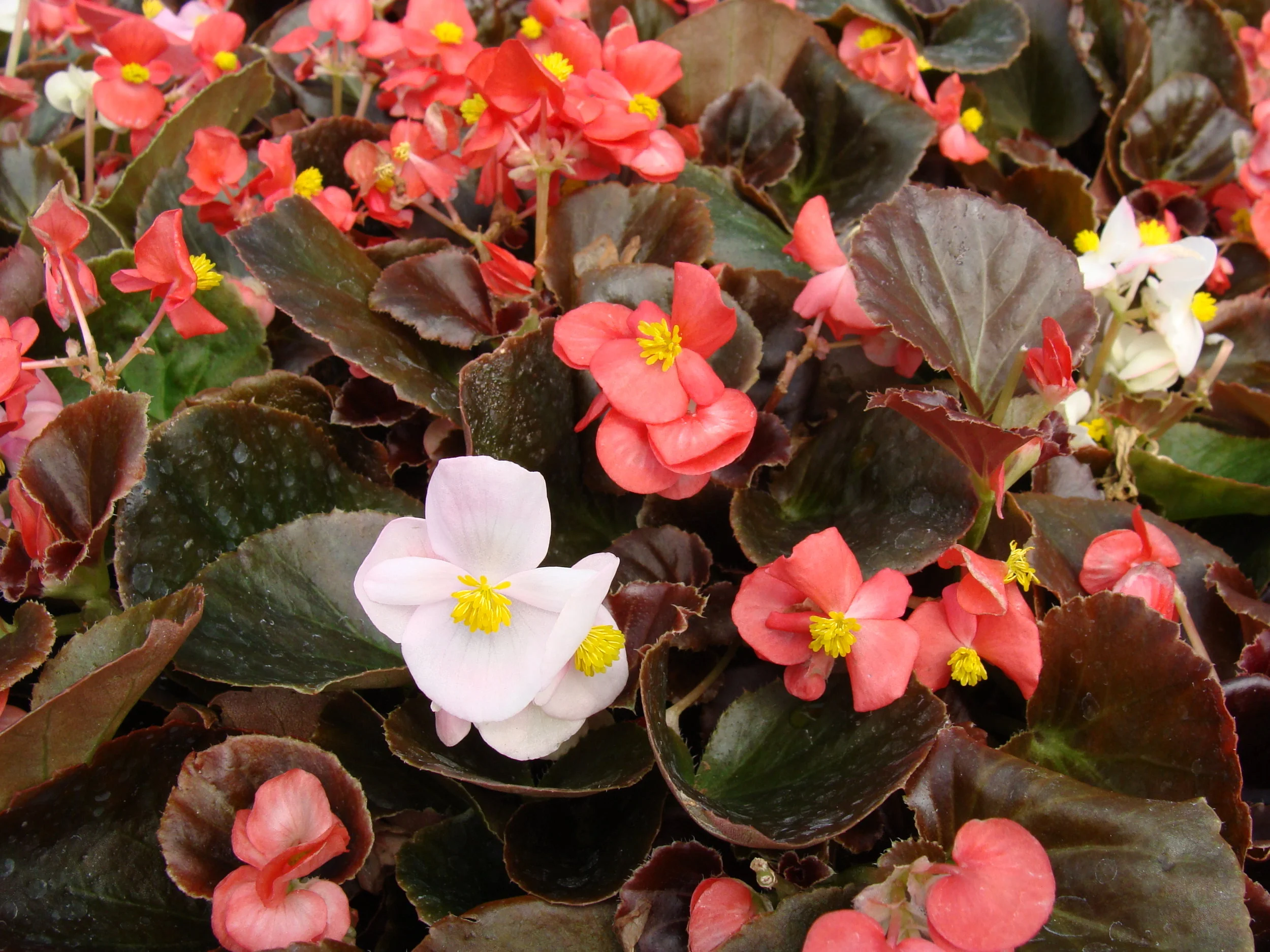
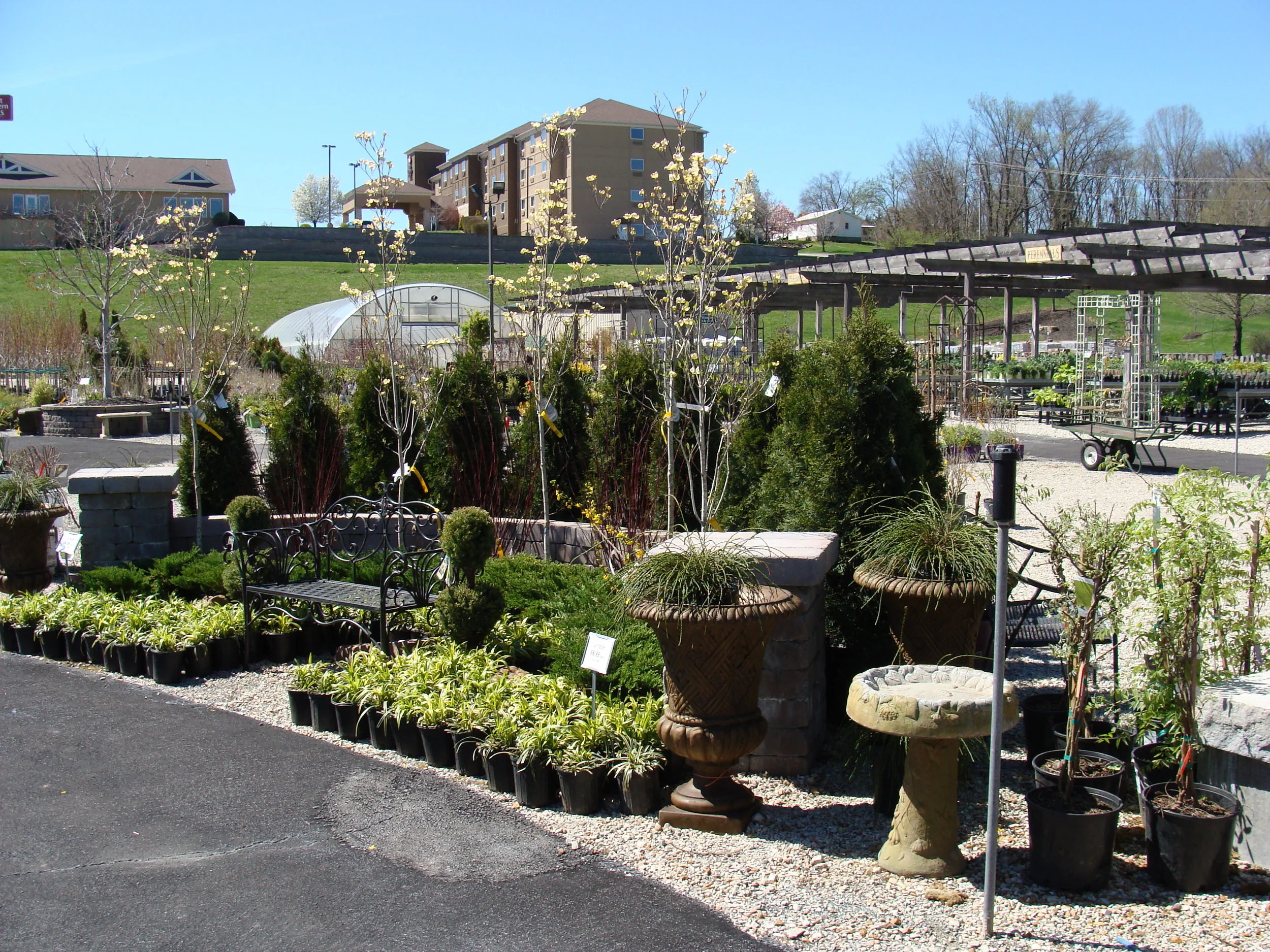
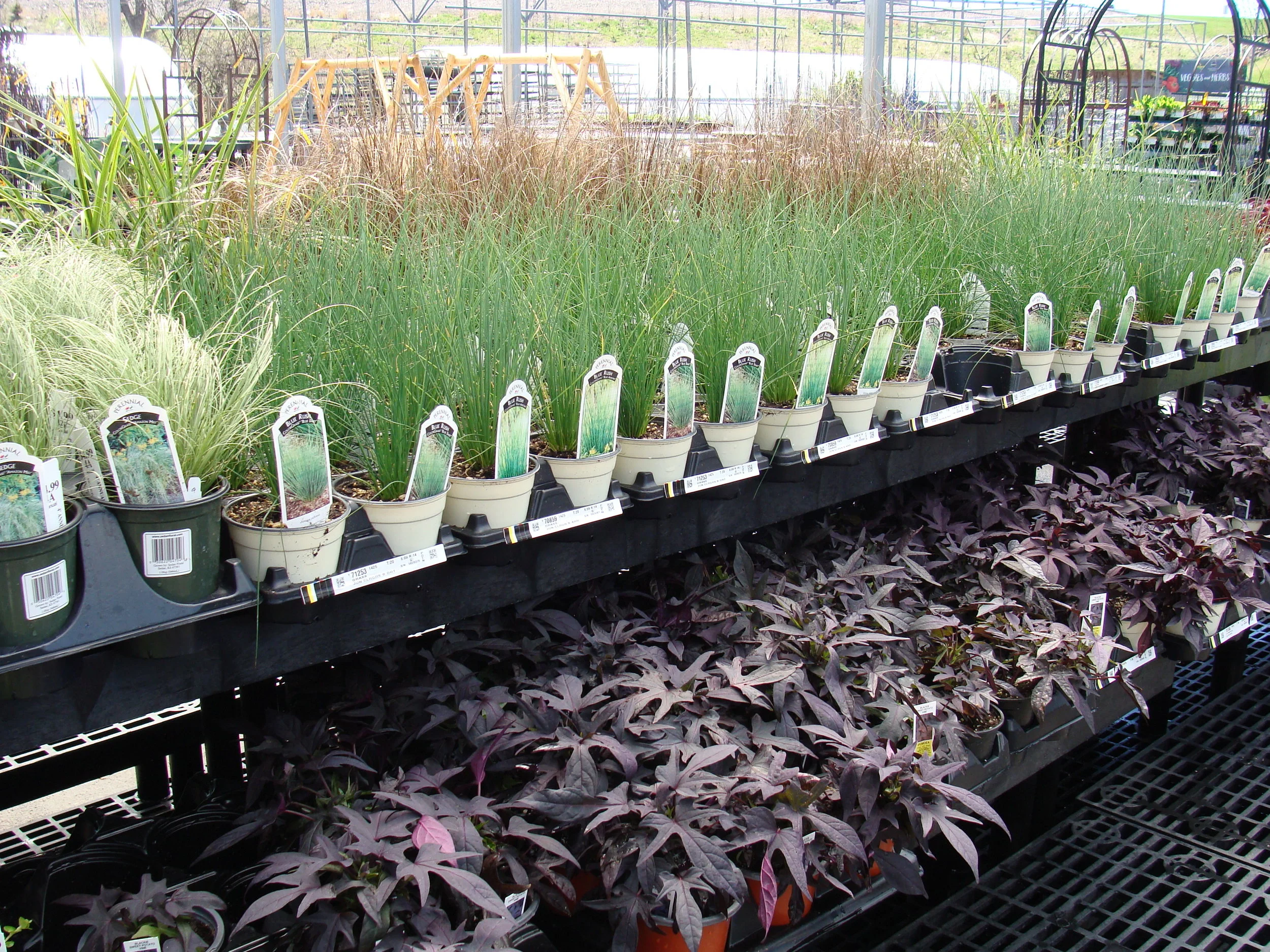
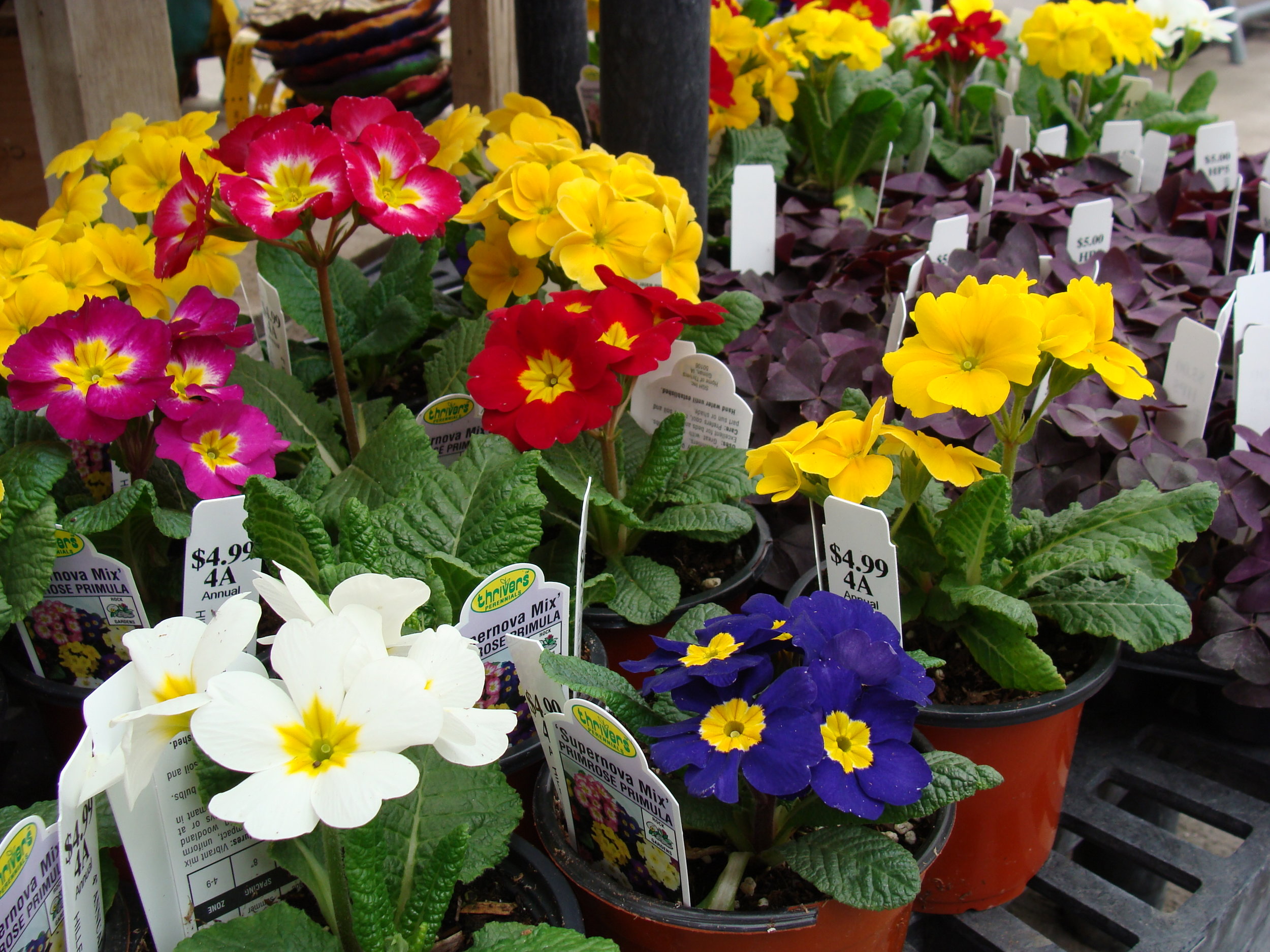
Spring is unfolding more every day! Visit us often and watch the progress in the plants in our nursery and greenhouses. More selections of spring bedding flowers and vegetable plants arrive daily. More great trees, shrubs, and perennial plants fill up the nursery lot each day. What a great time to visit us and slow down to look at all the beauty that unfolds in spring!
Spring Is Unfolding at Hillermann's!


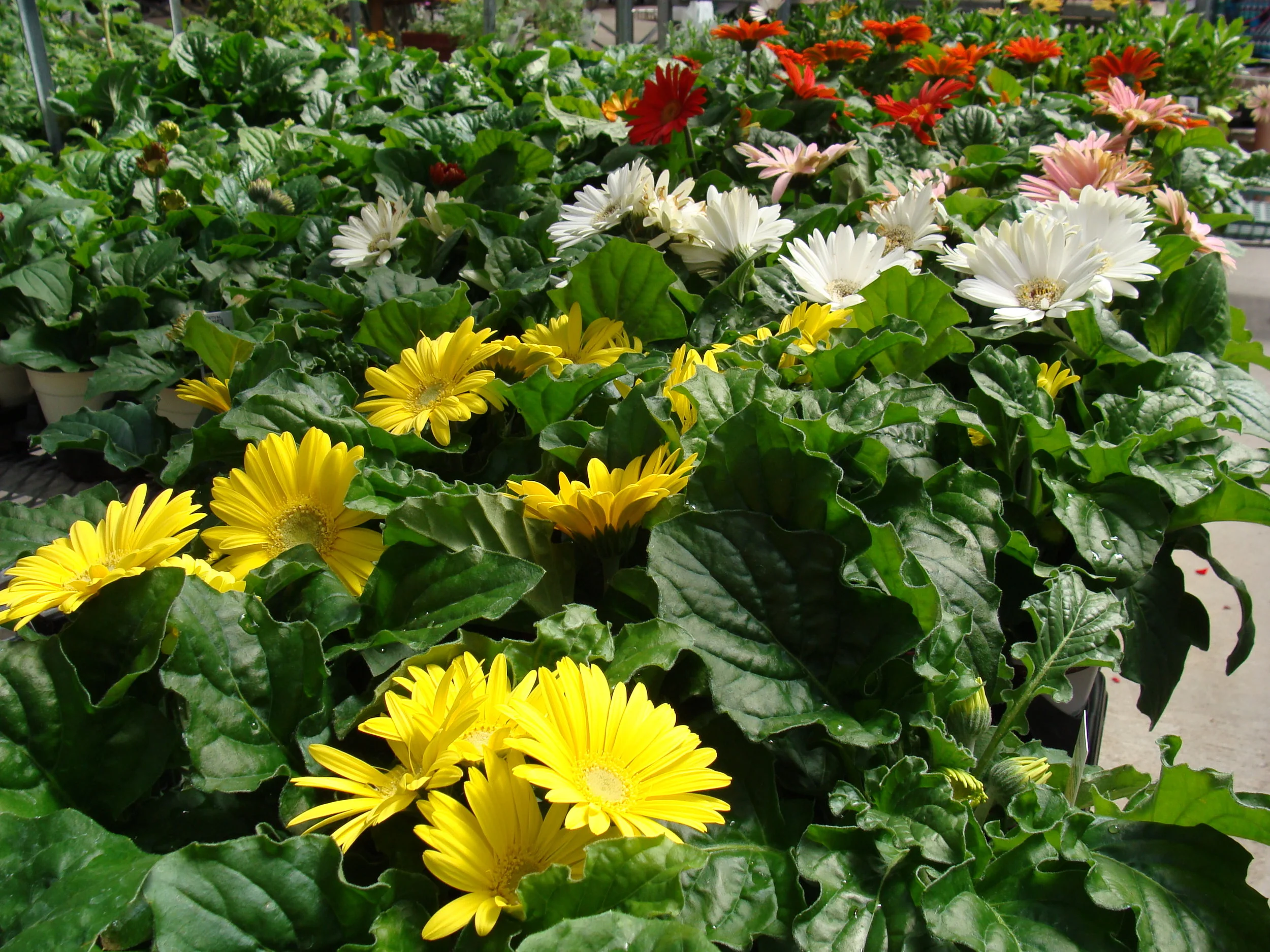
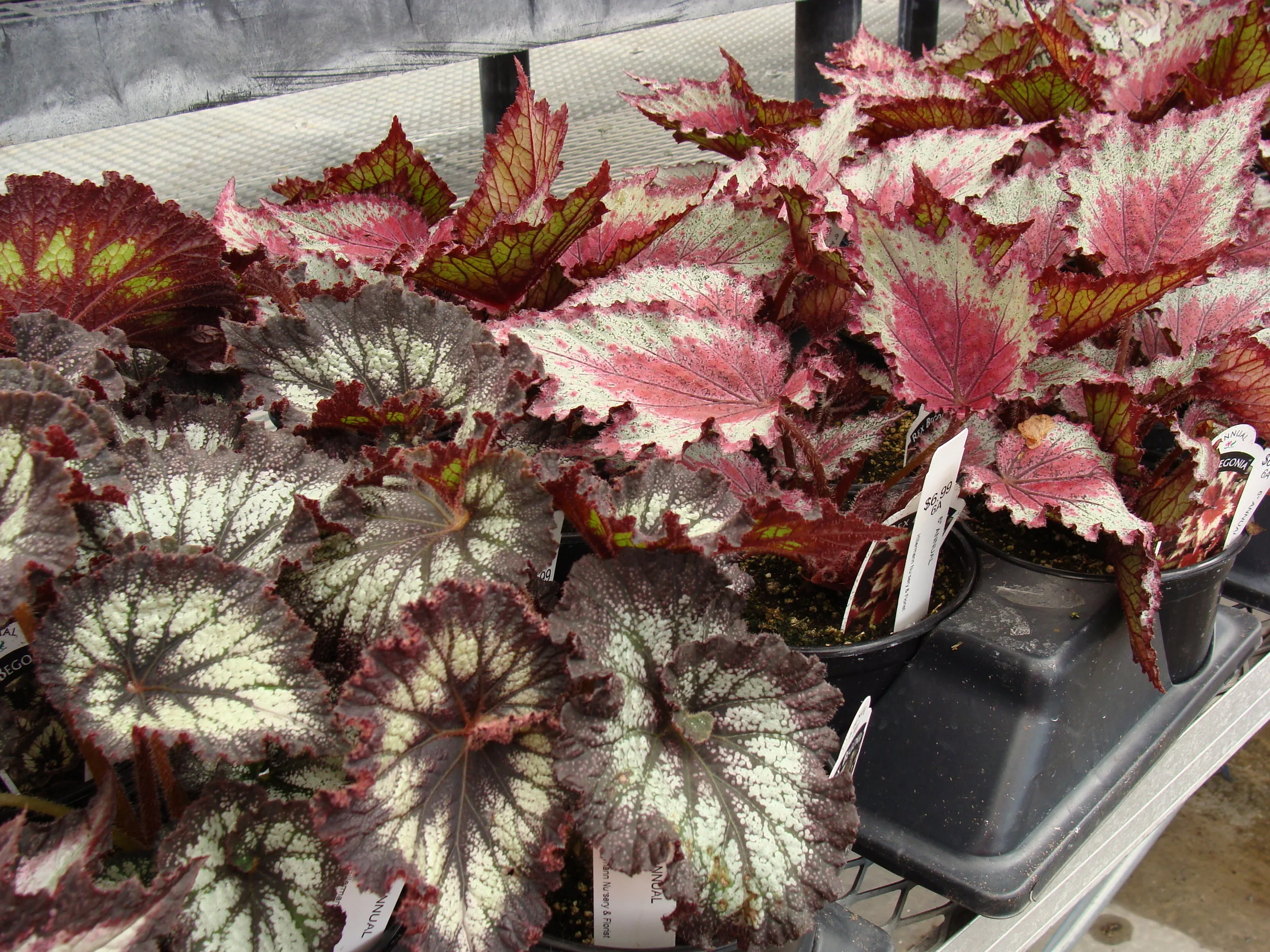

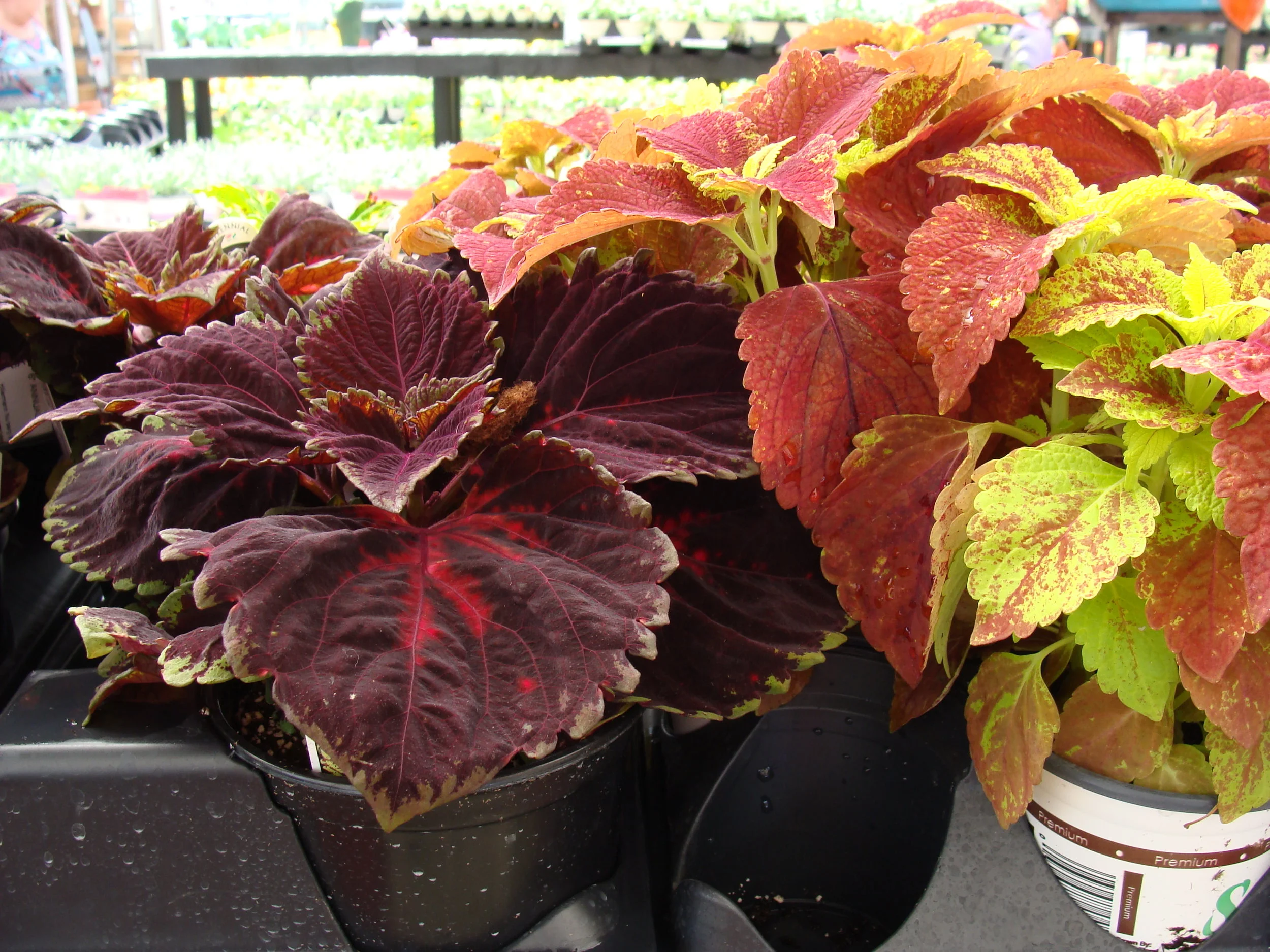

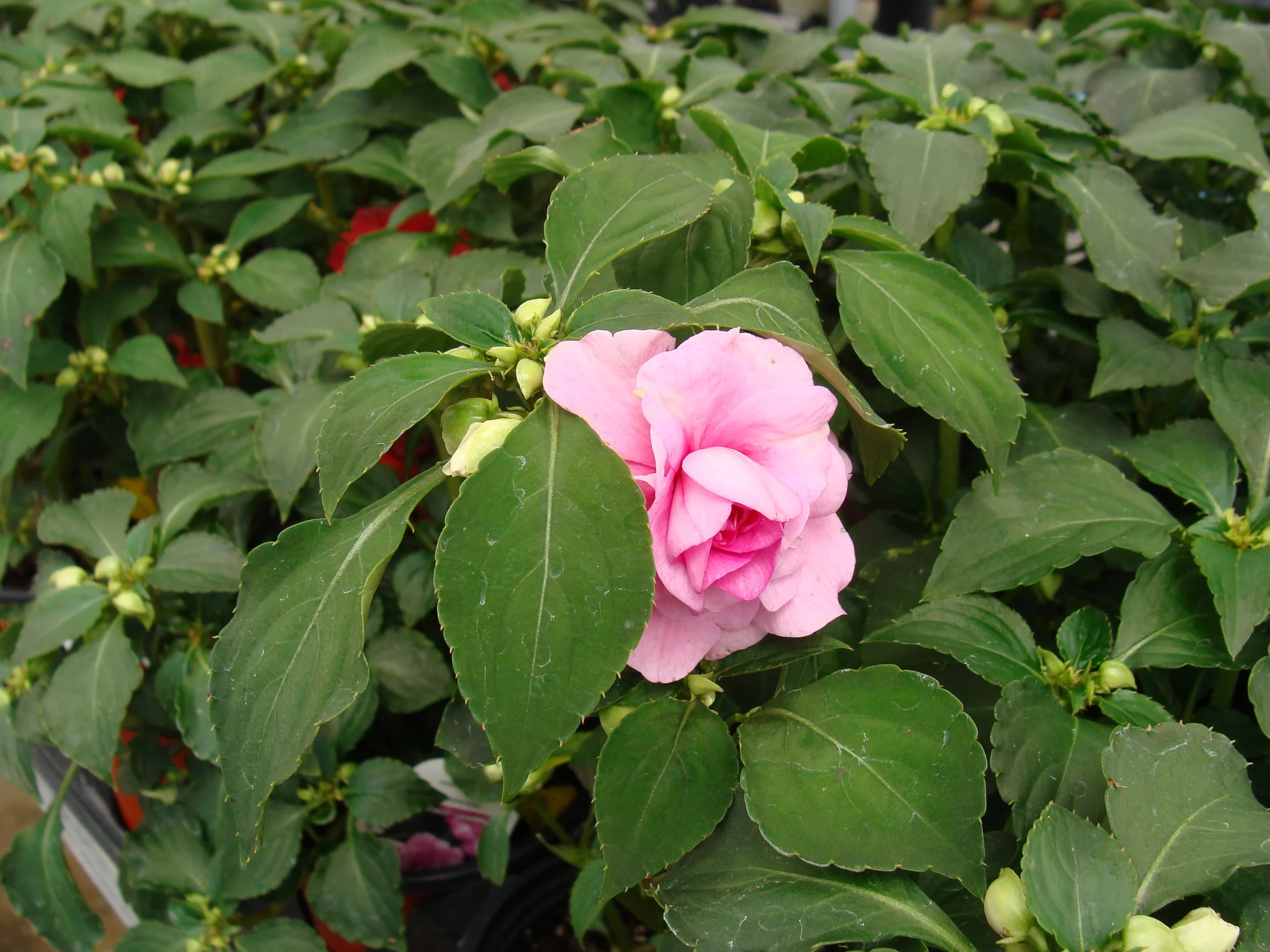


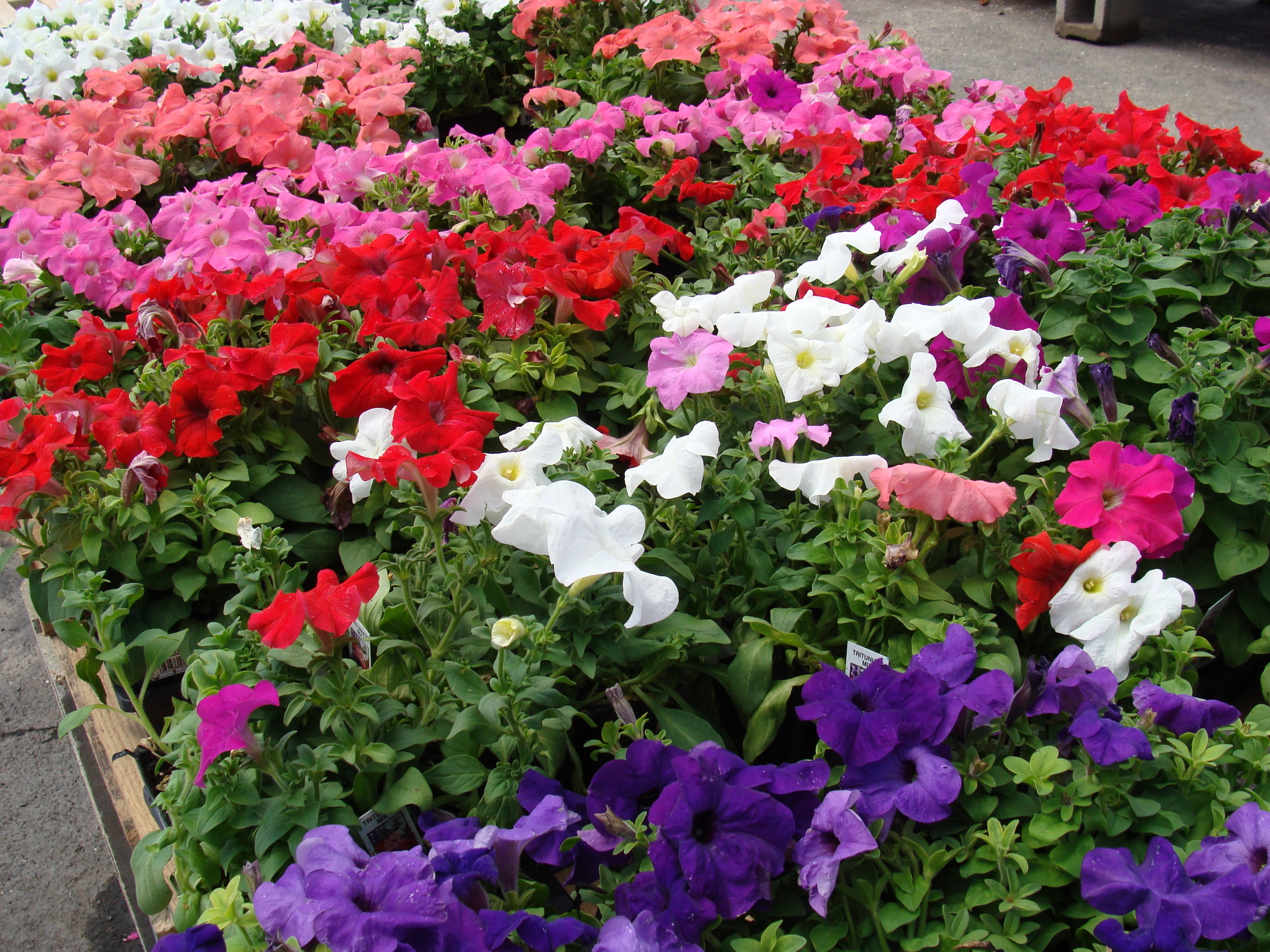

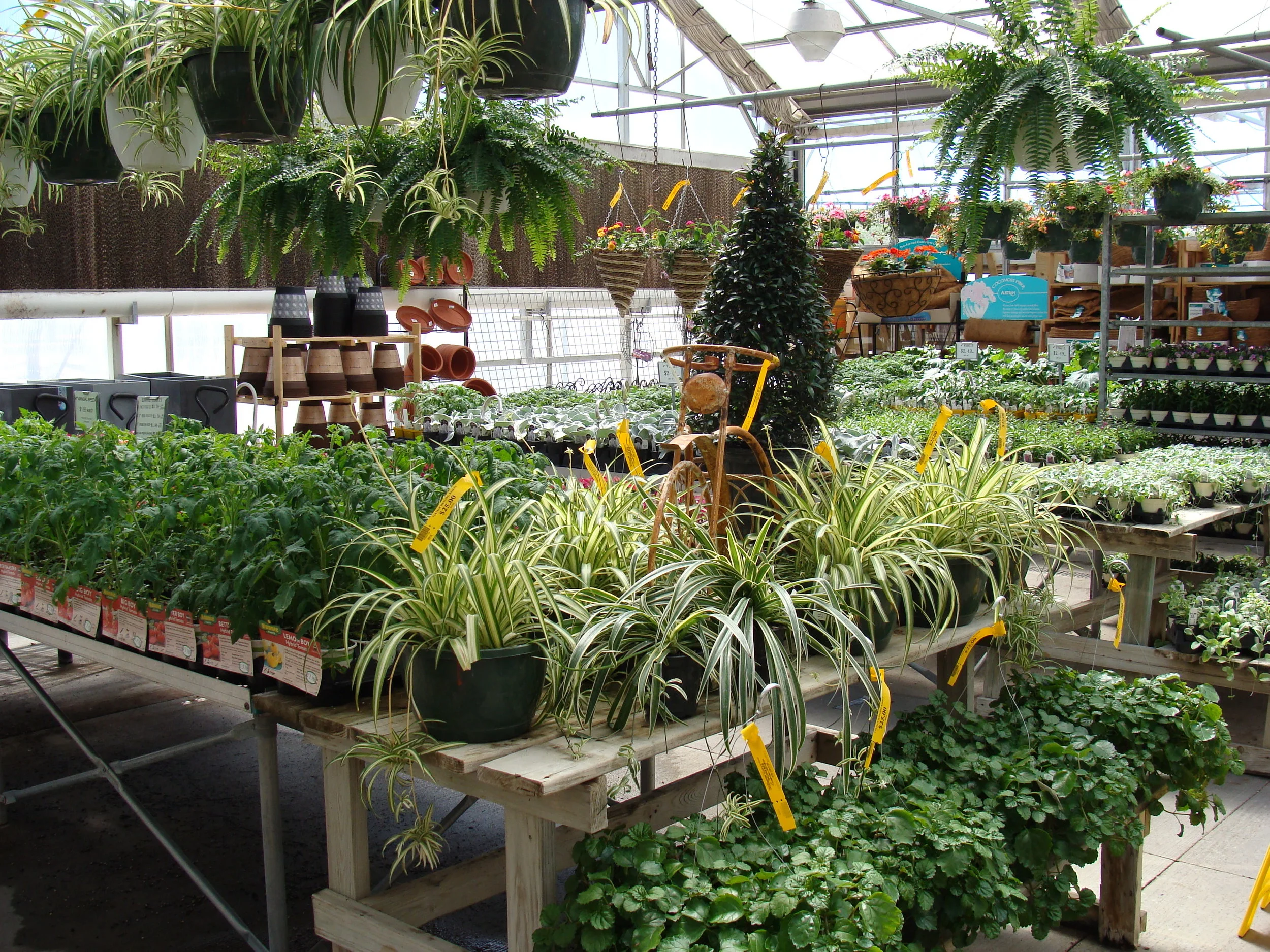
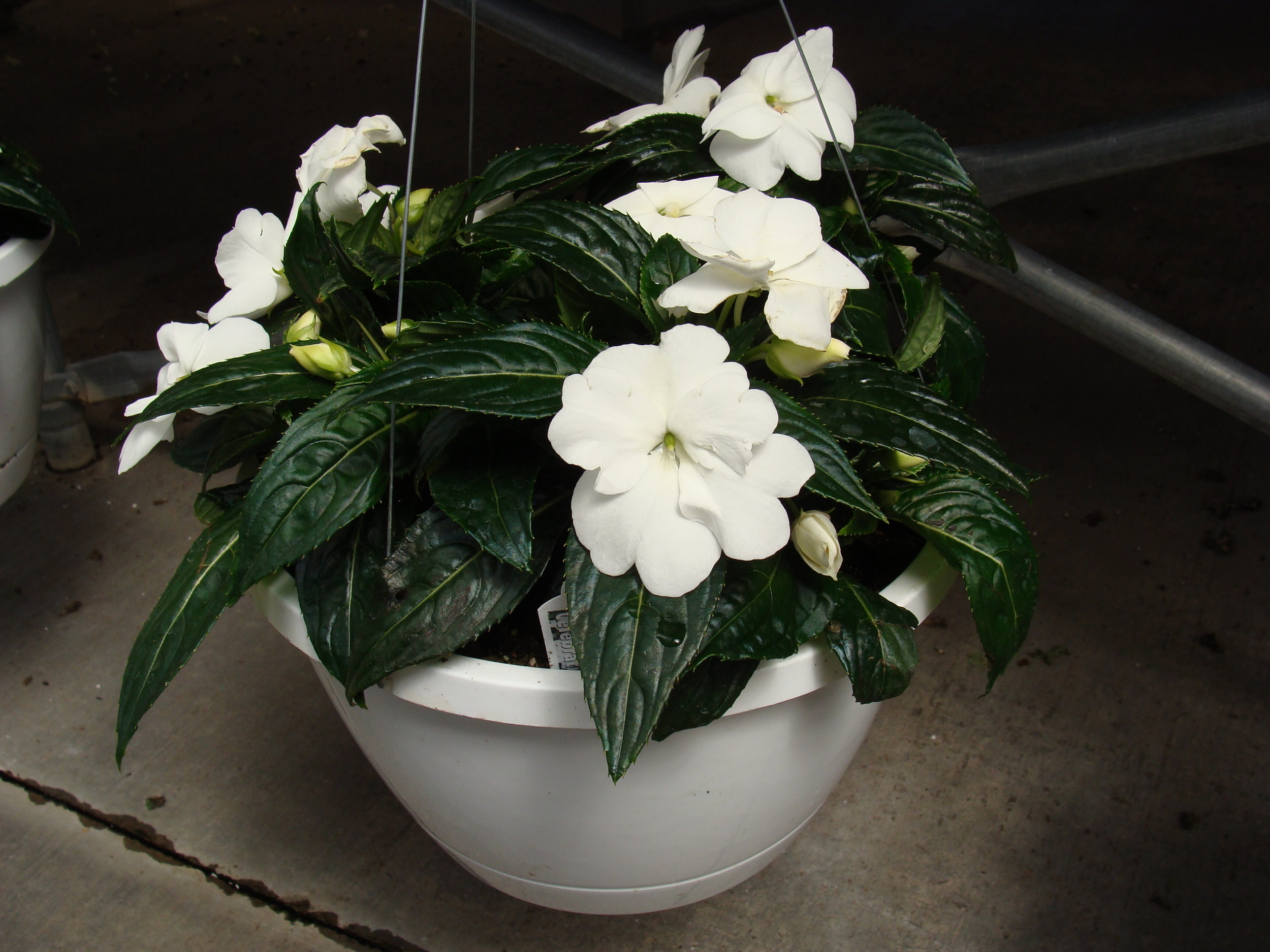


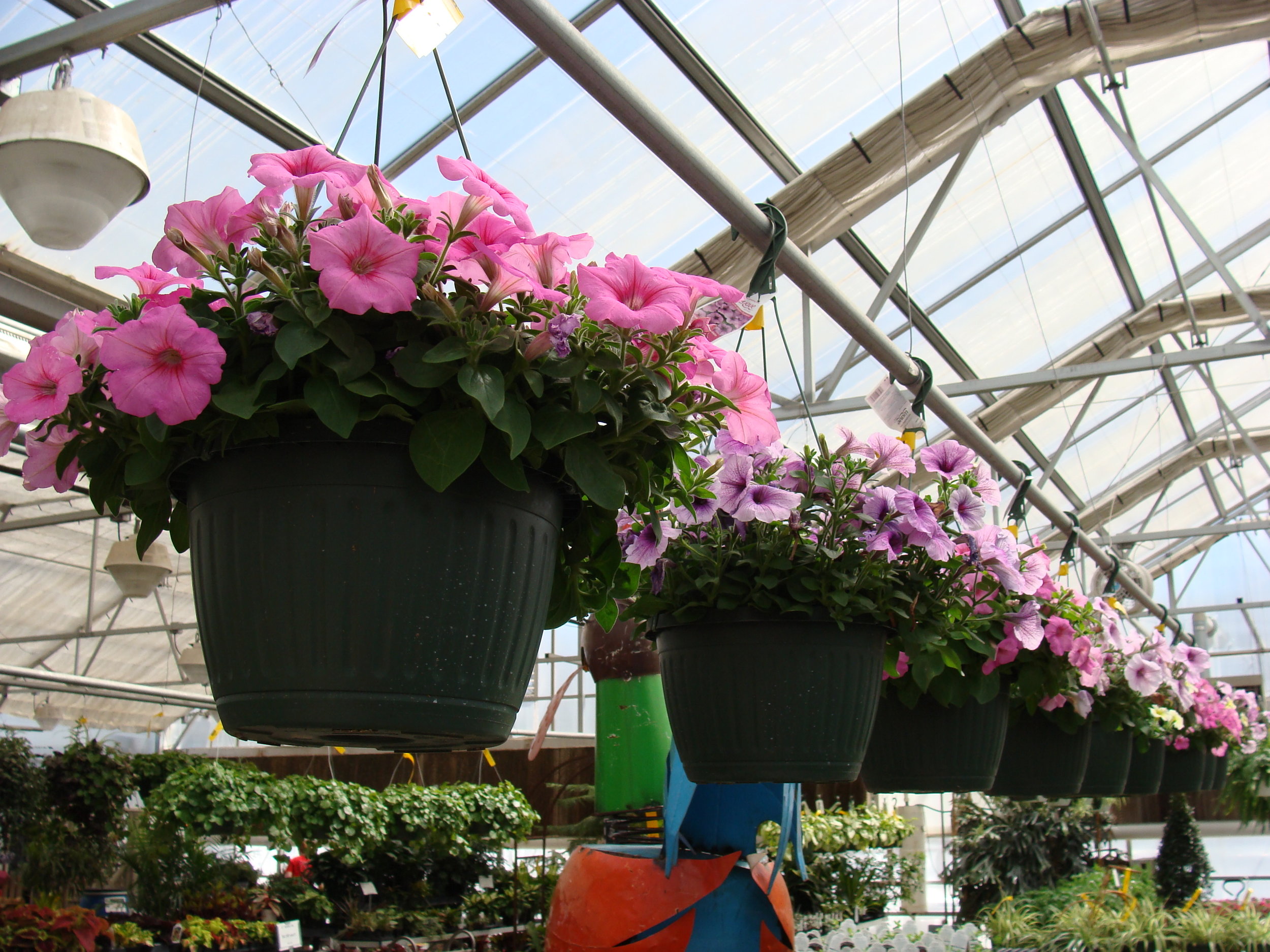
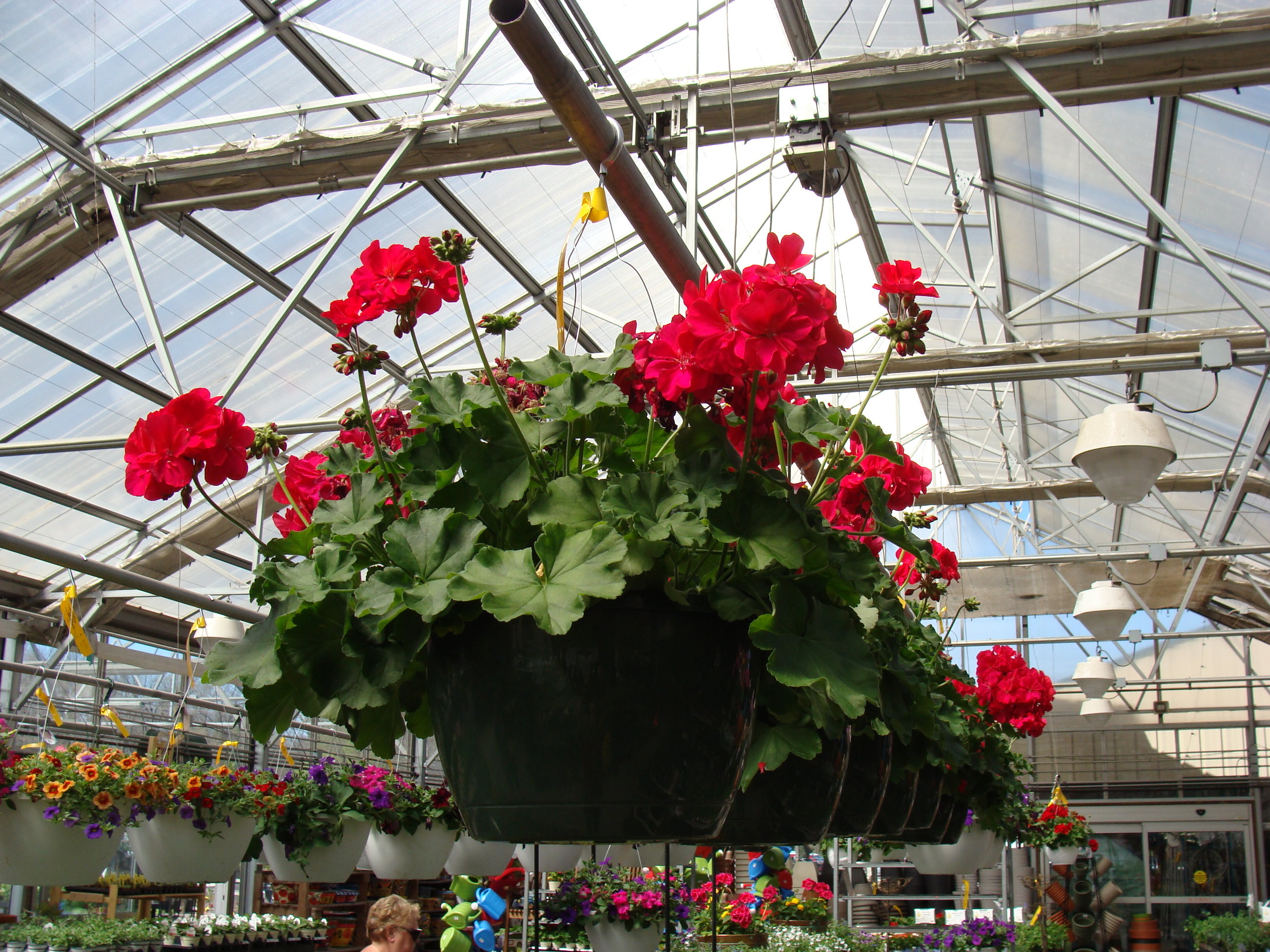

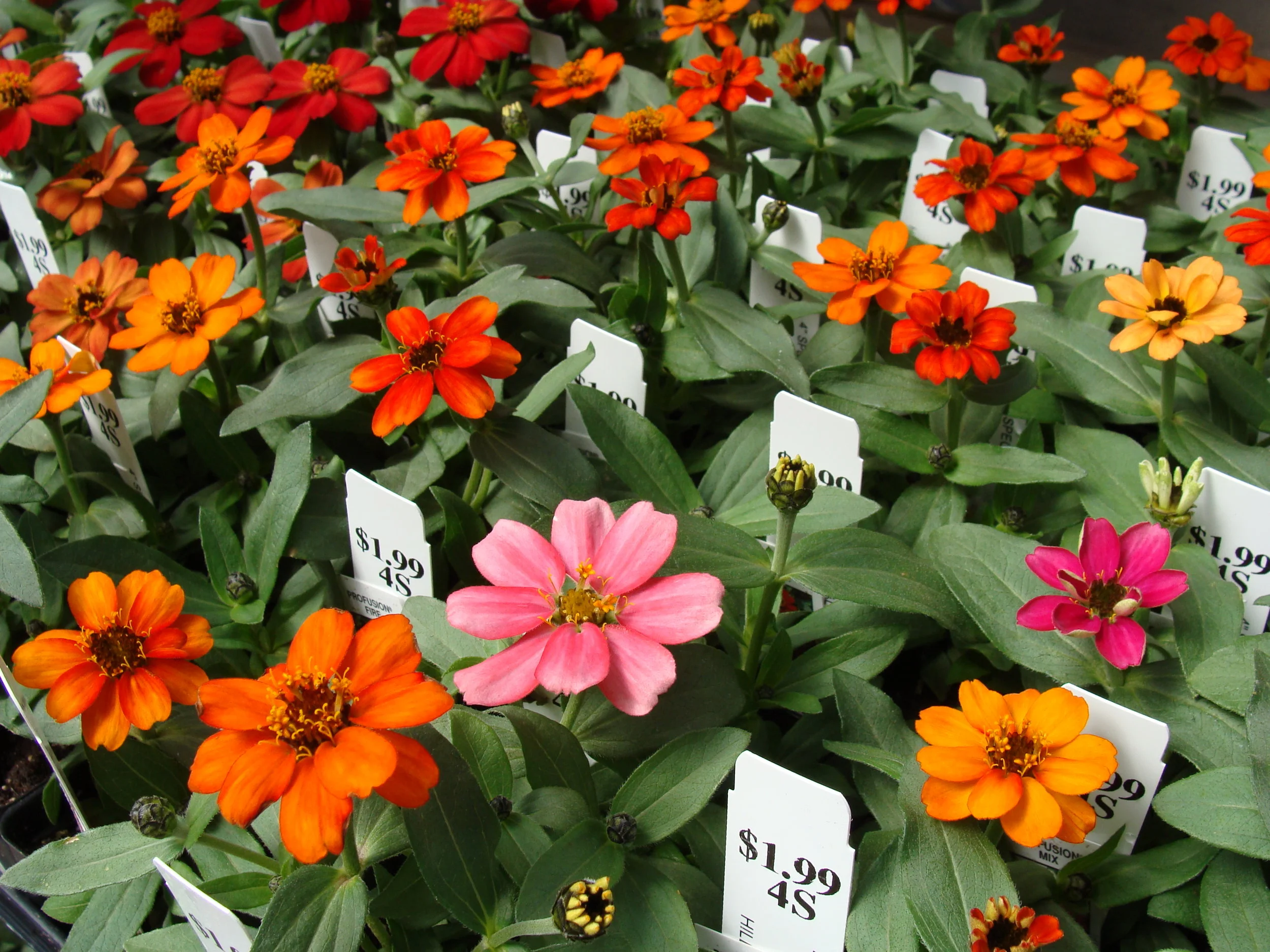
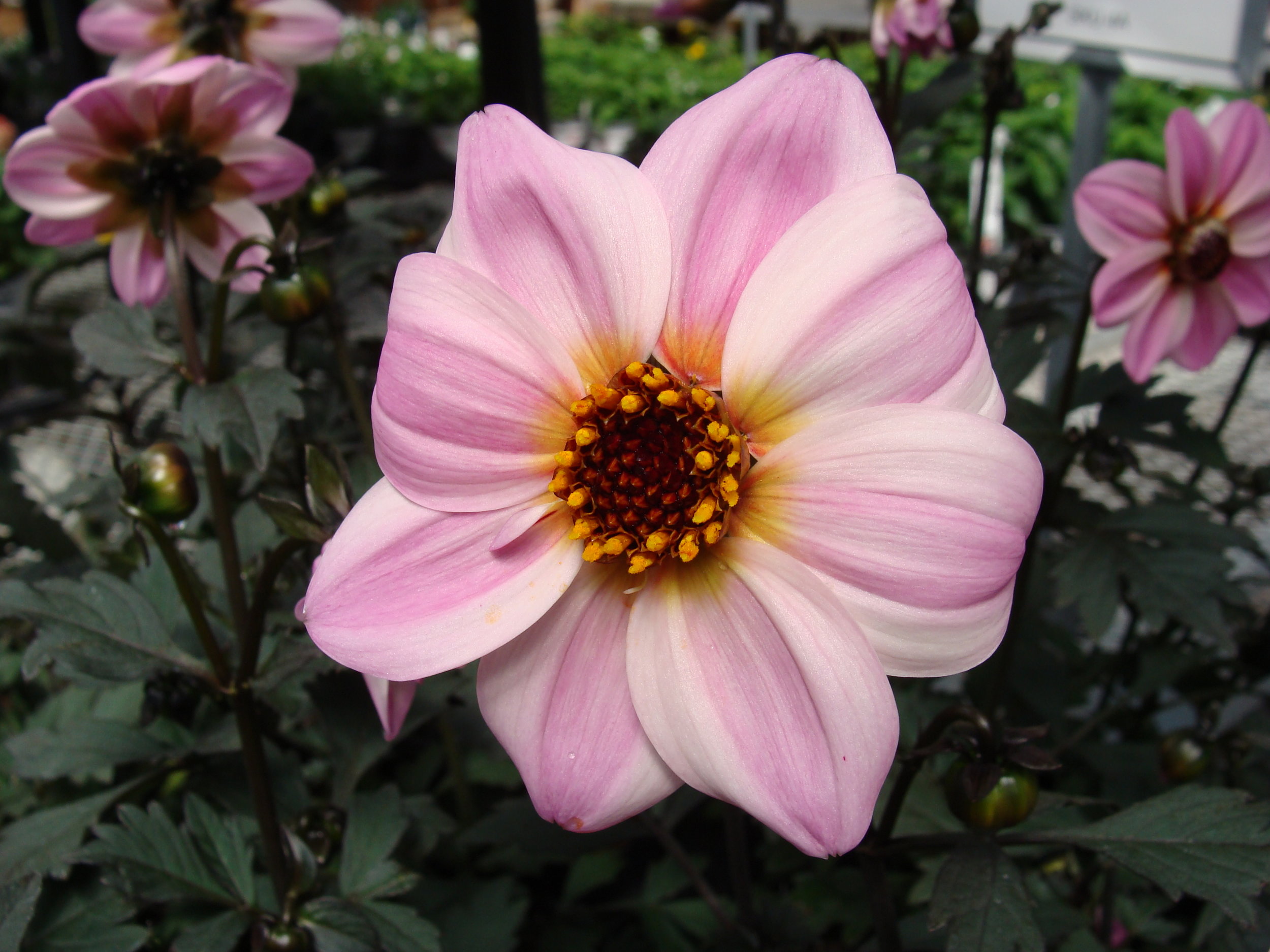







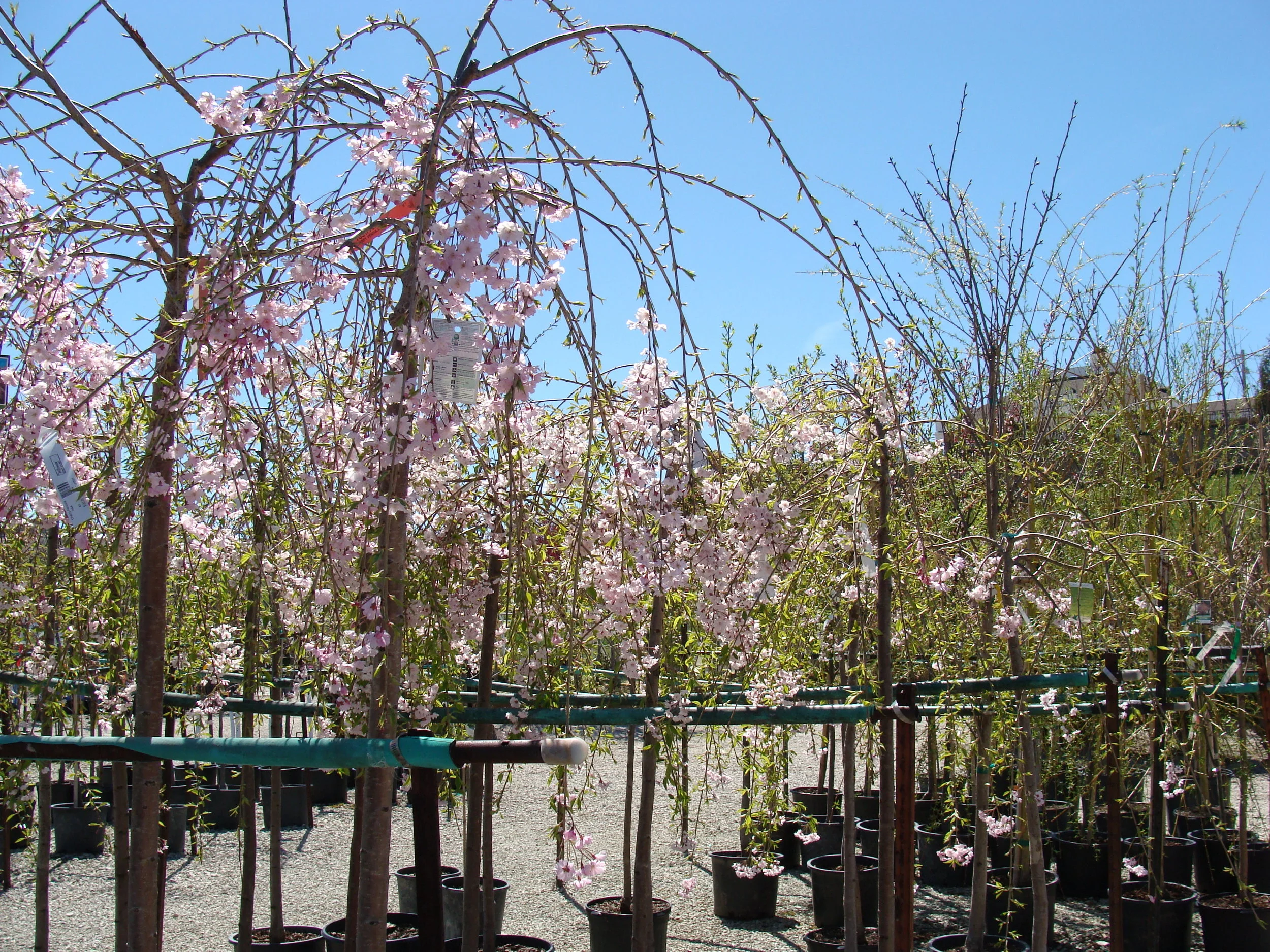

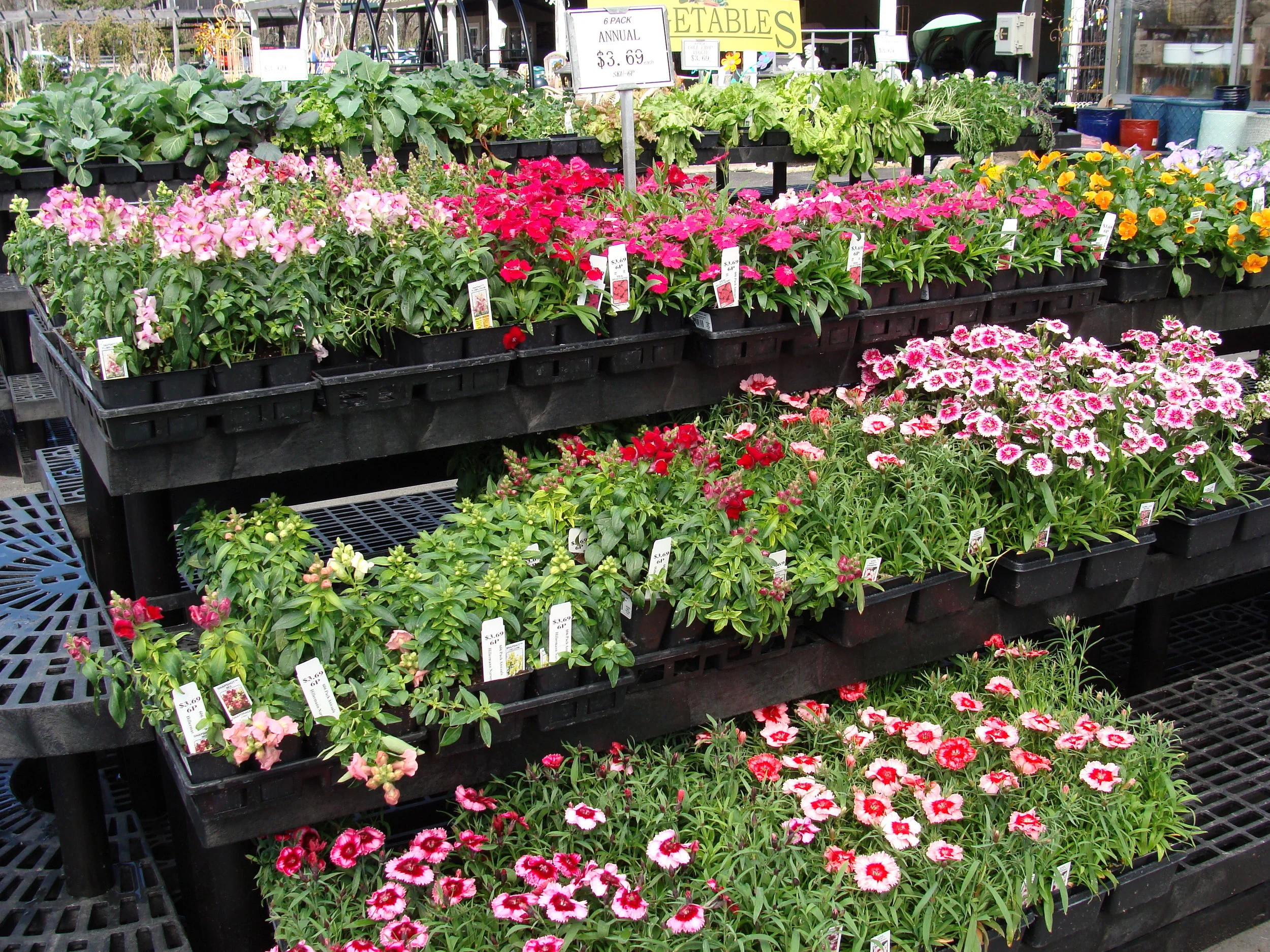
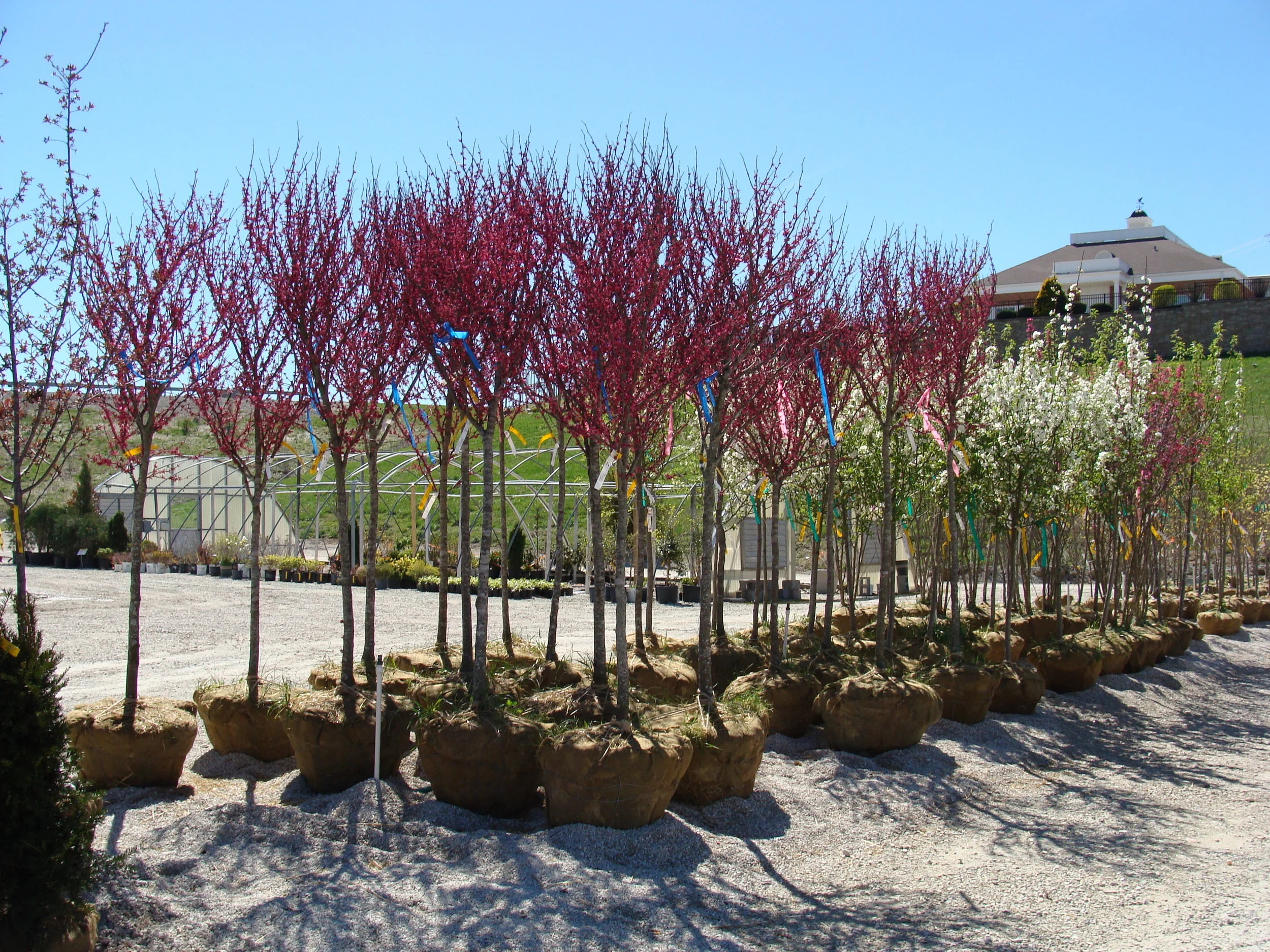

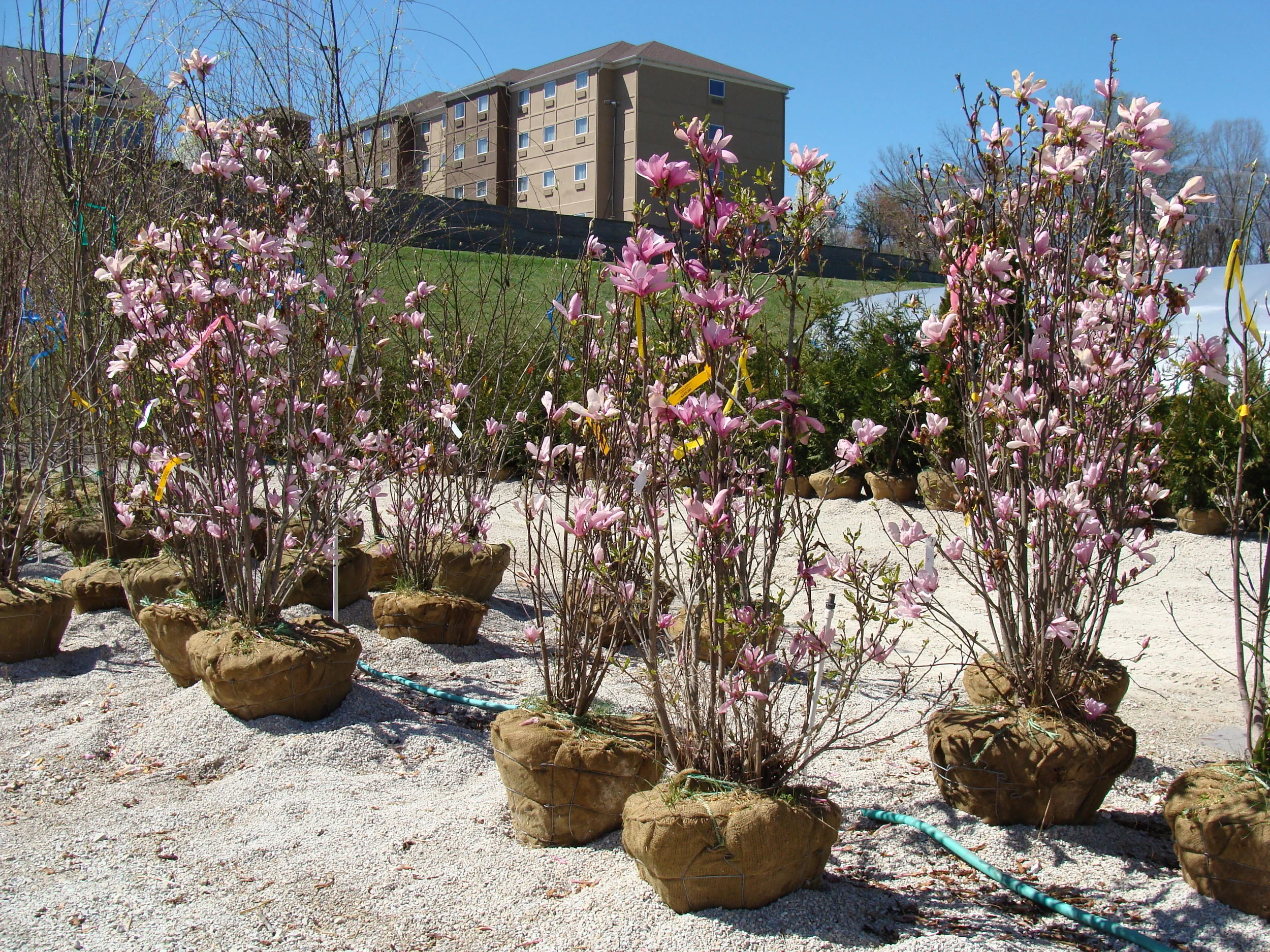

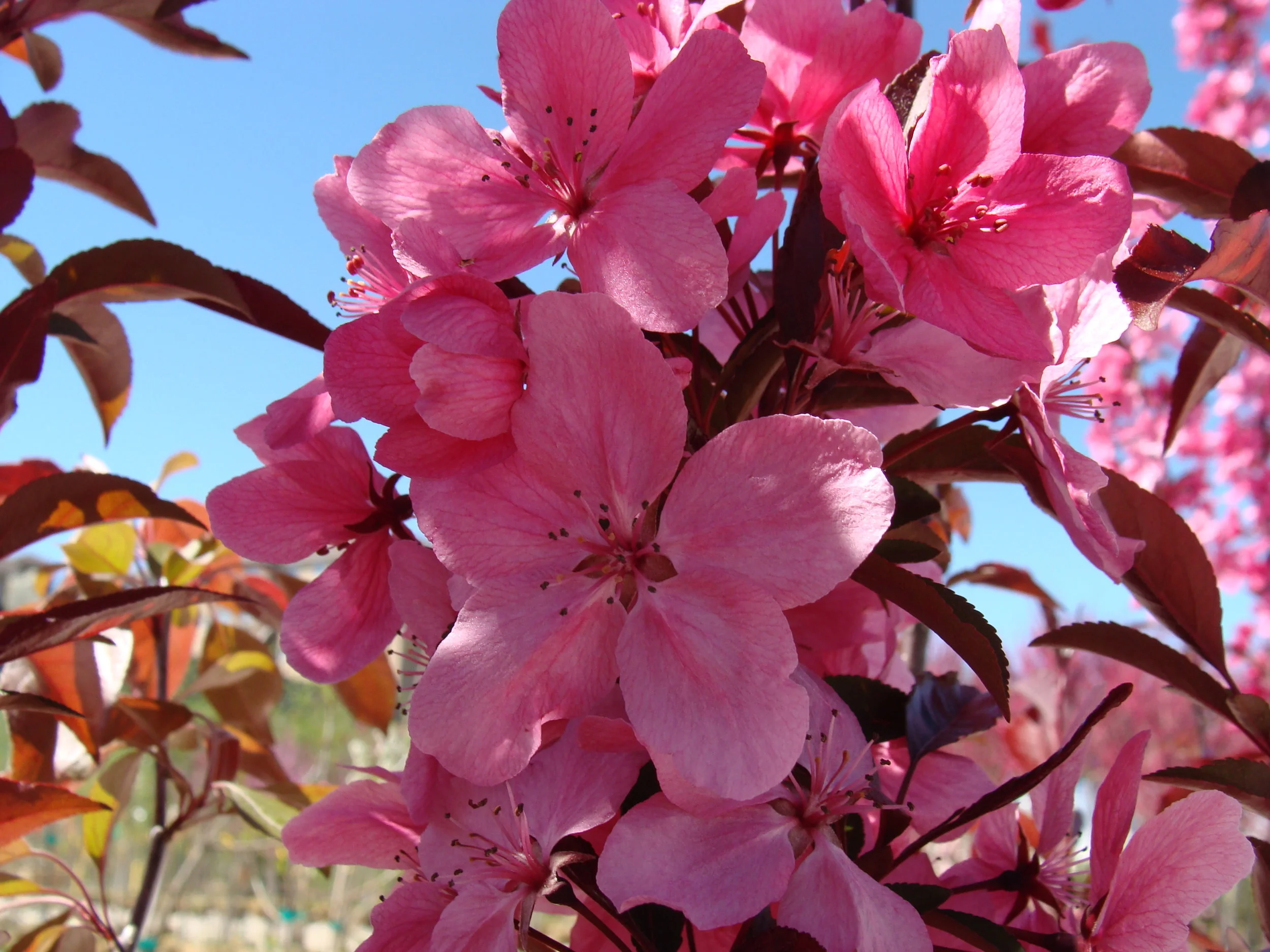
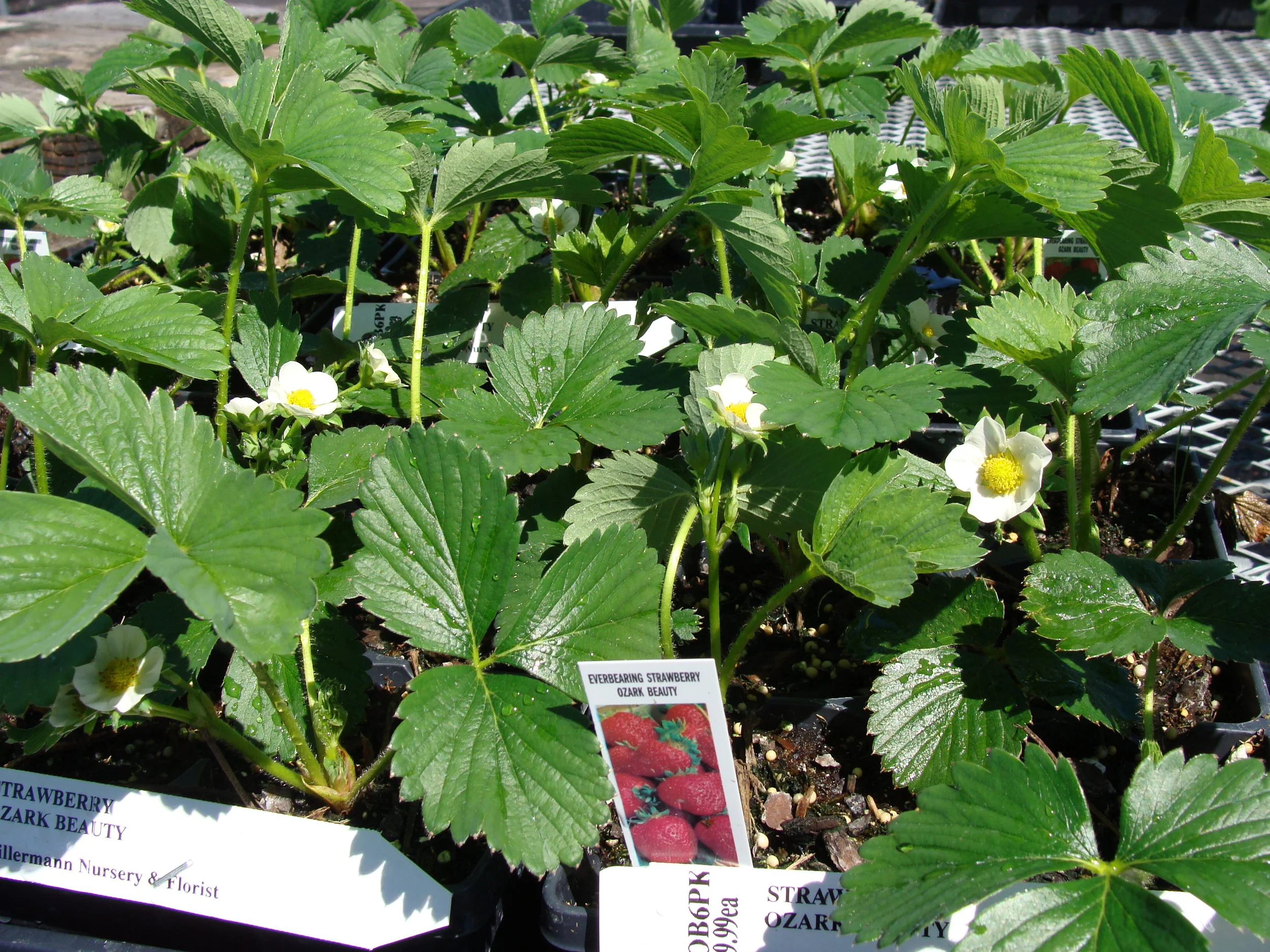
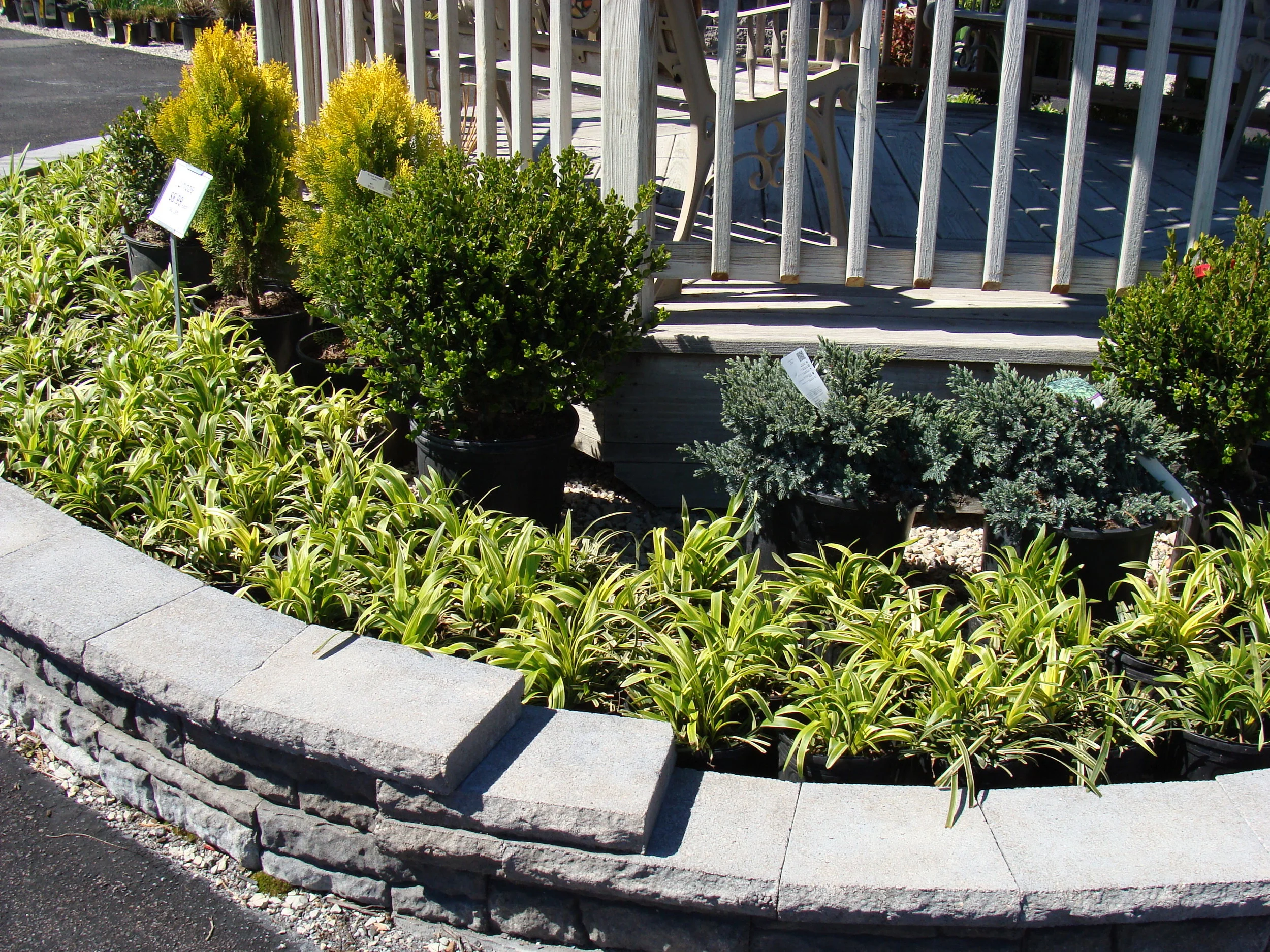
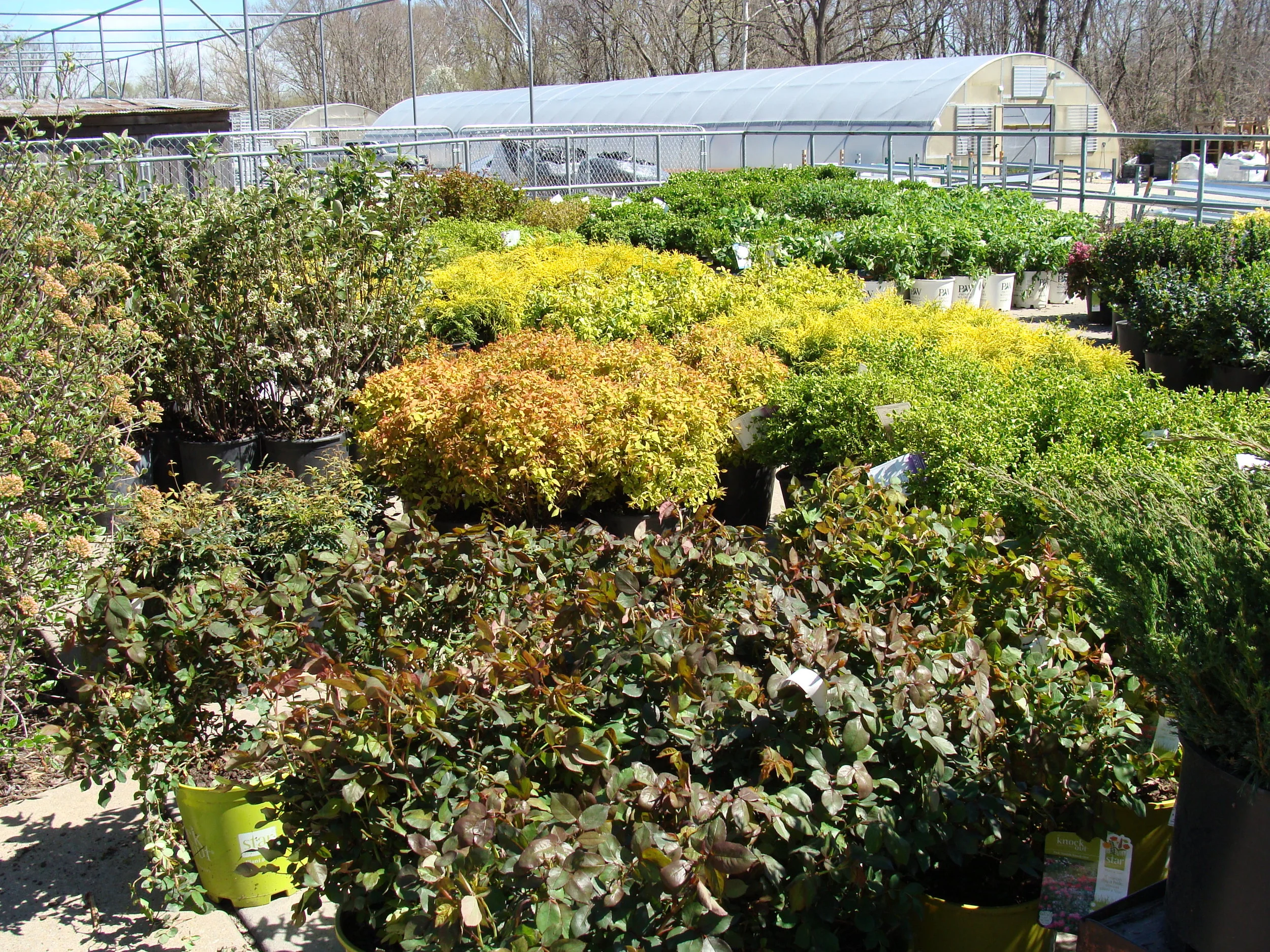
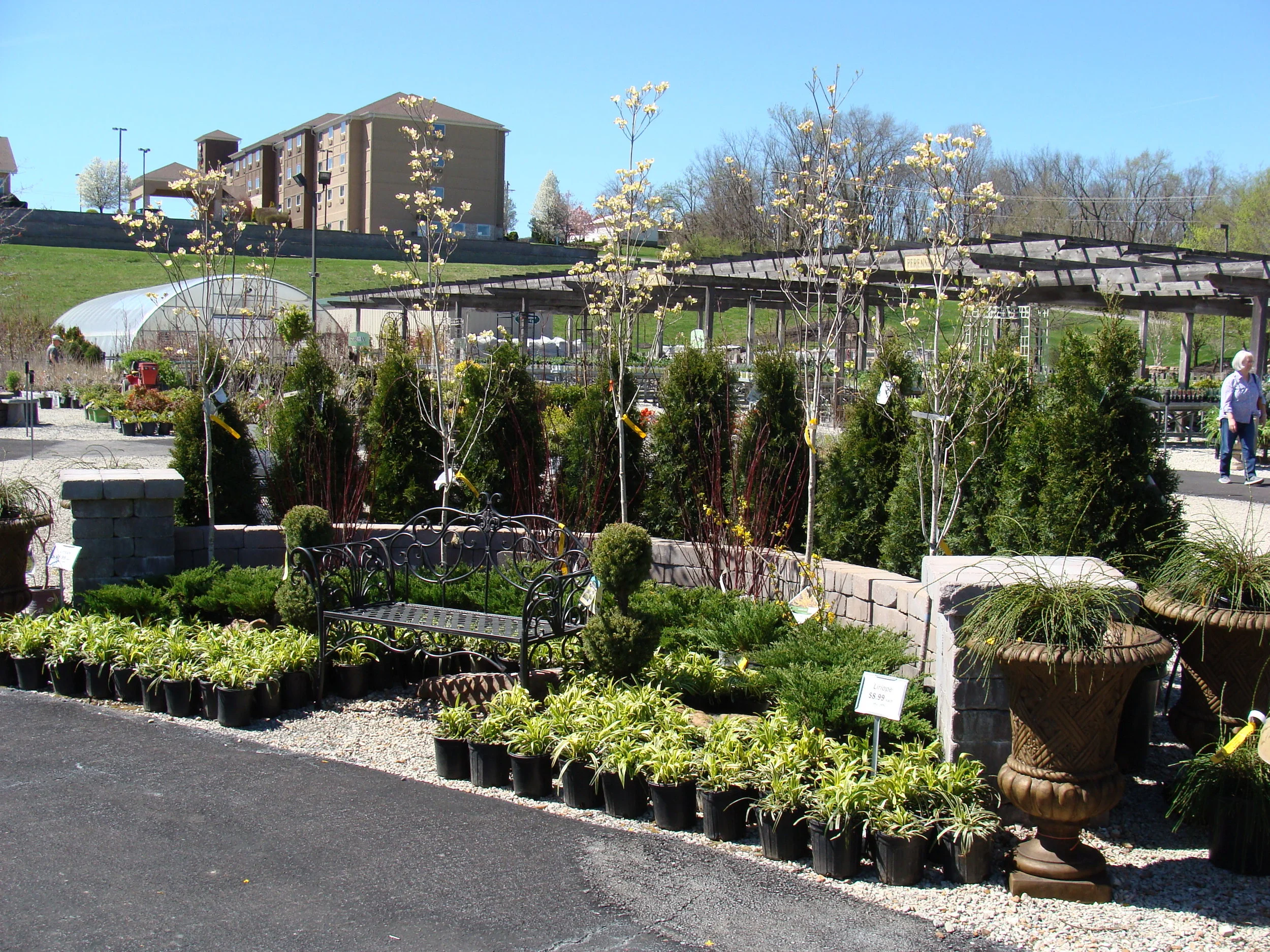


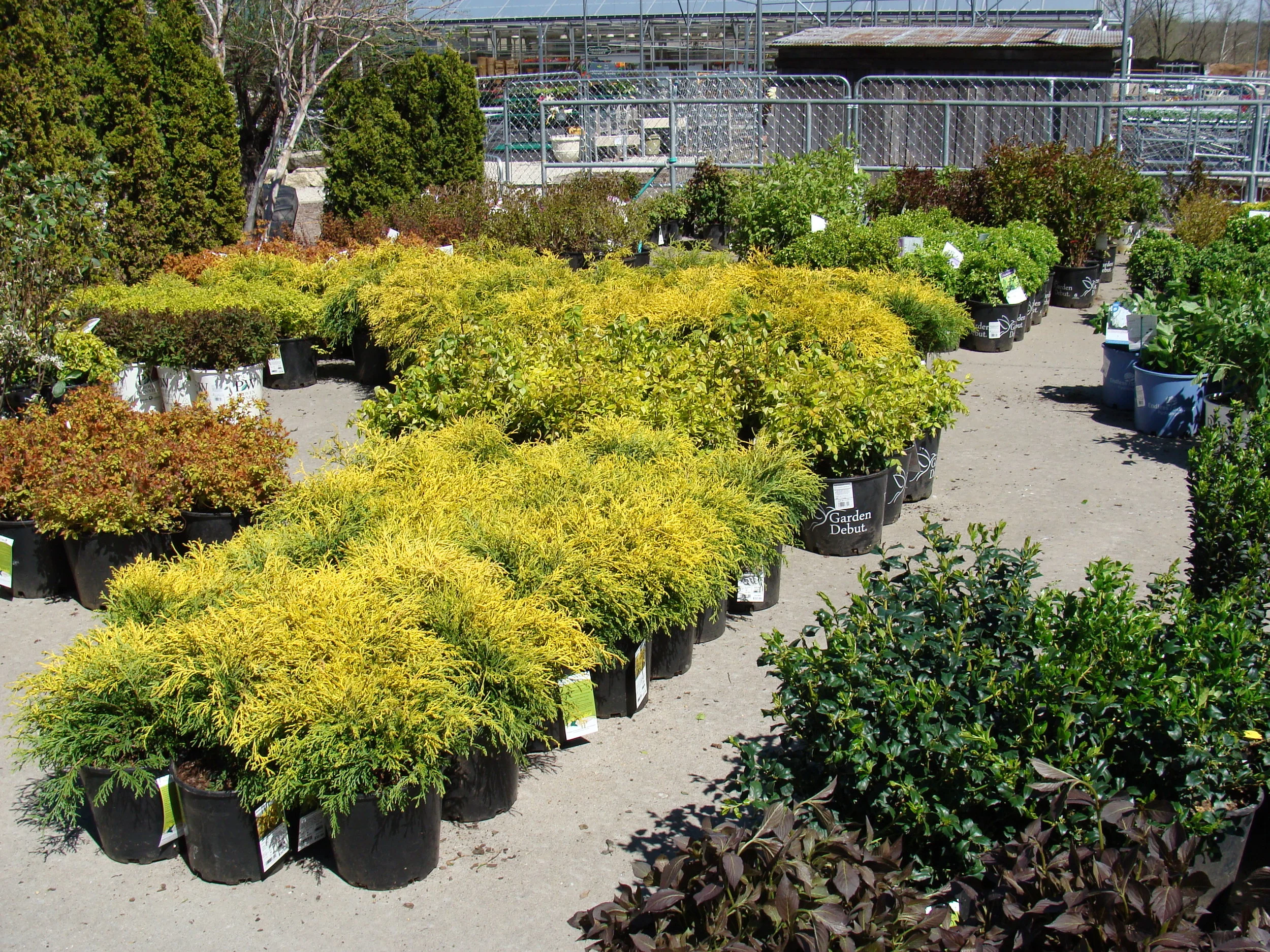



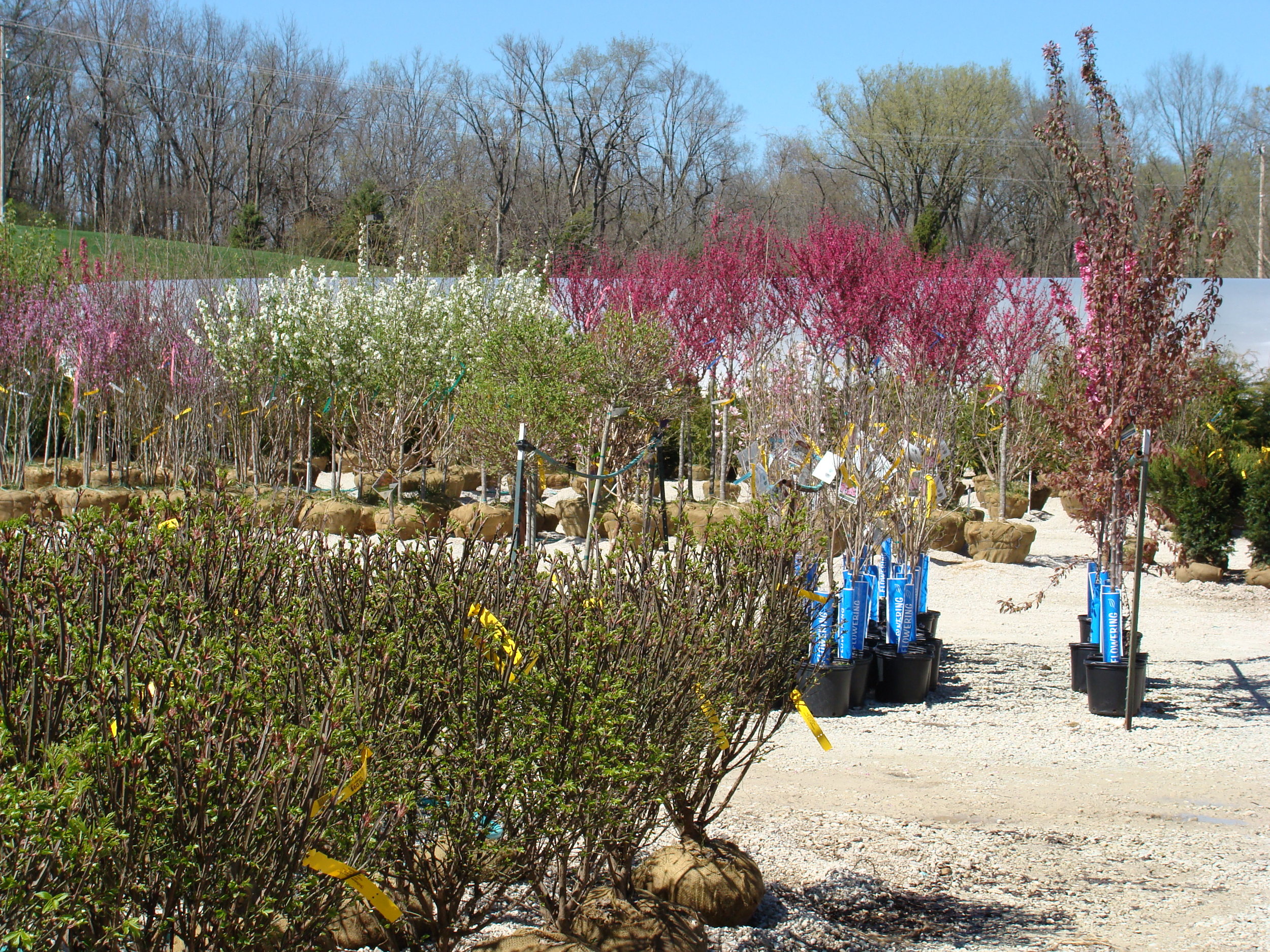

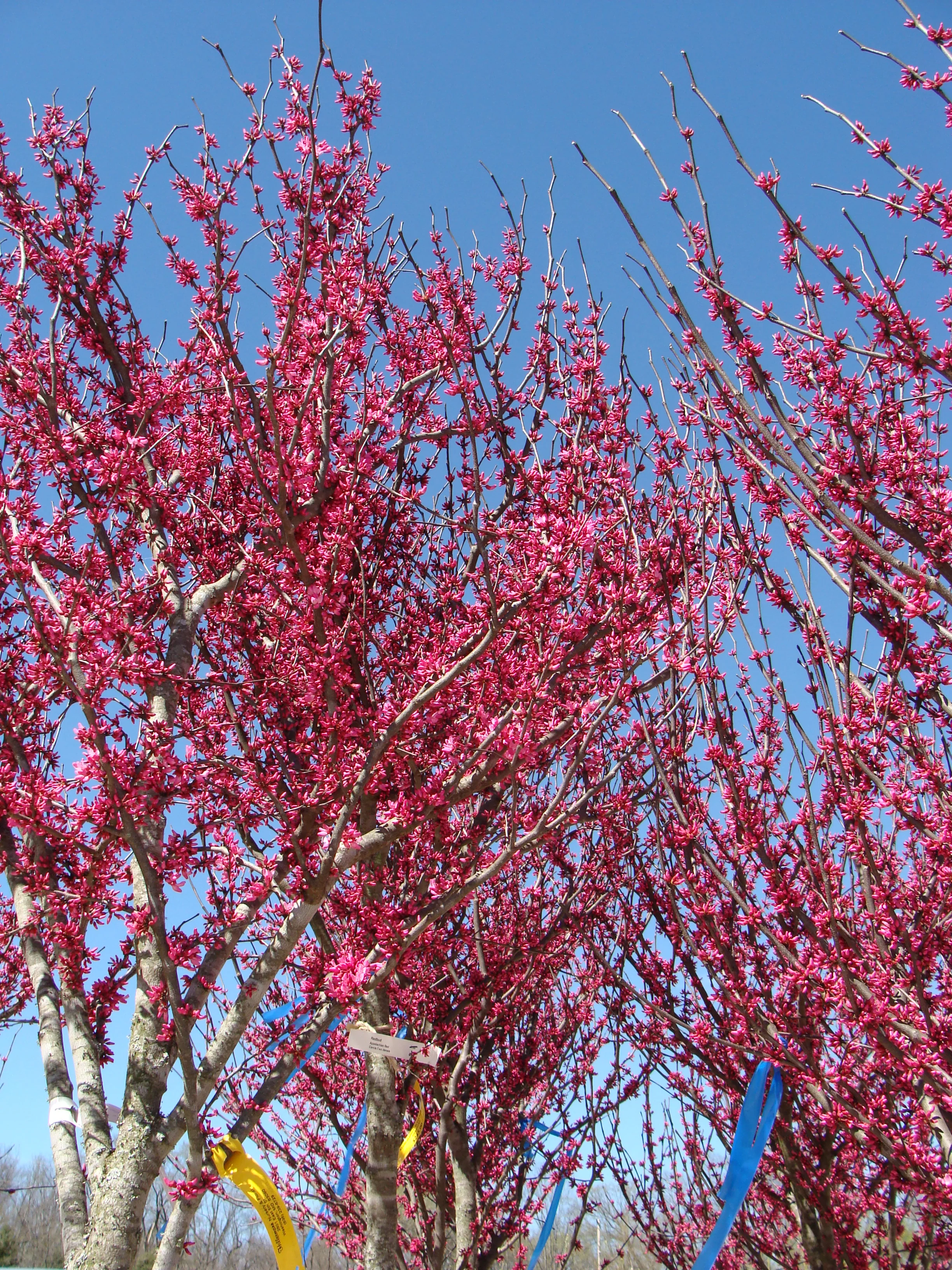


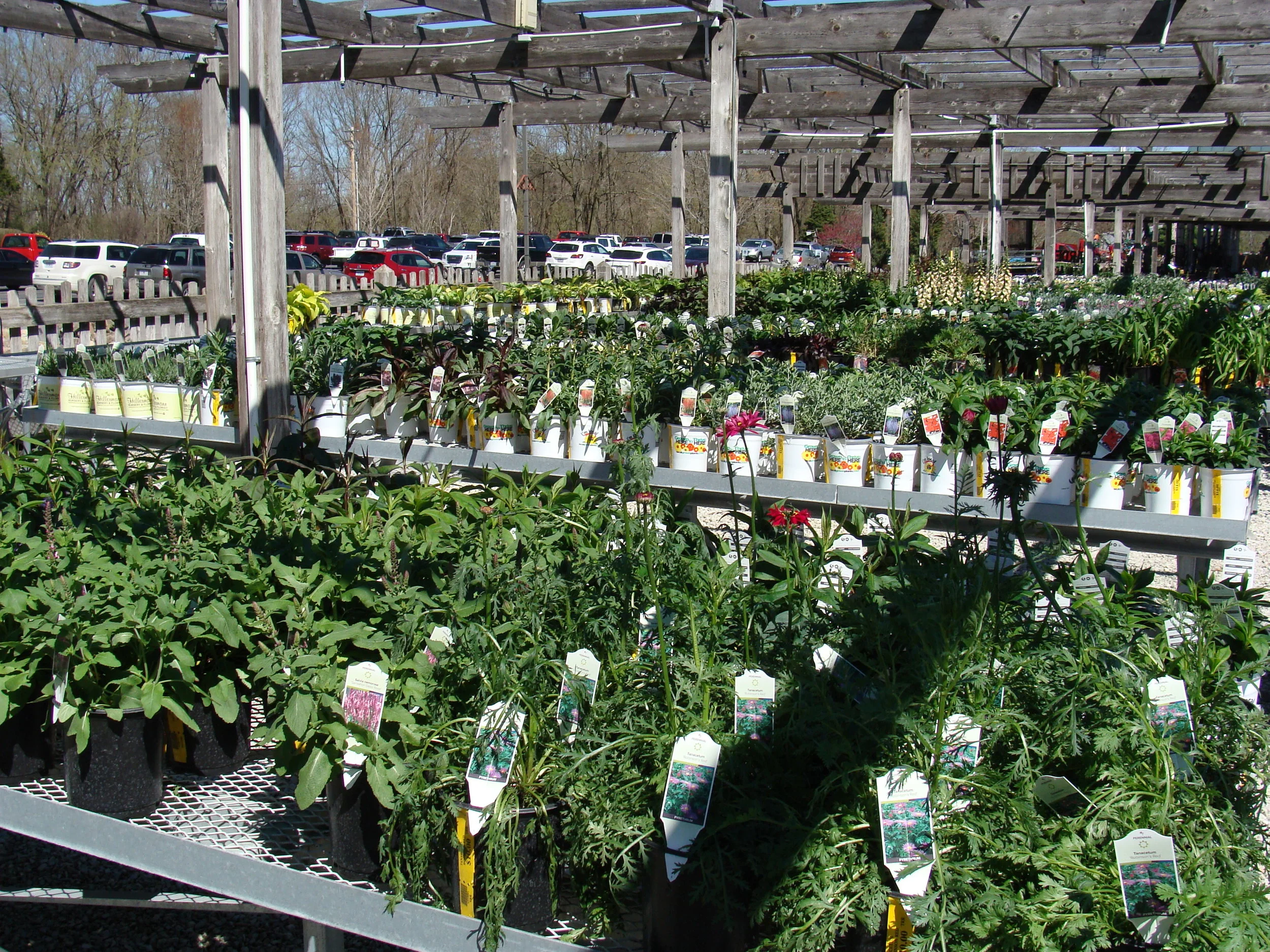


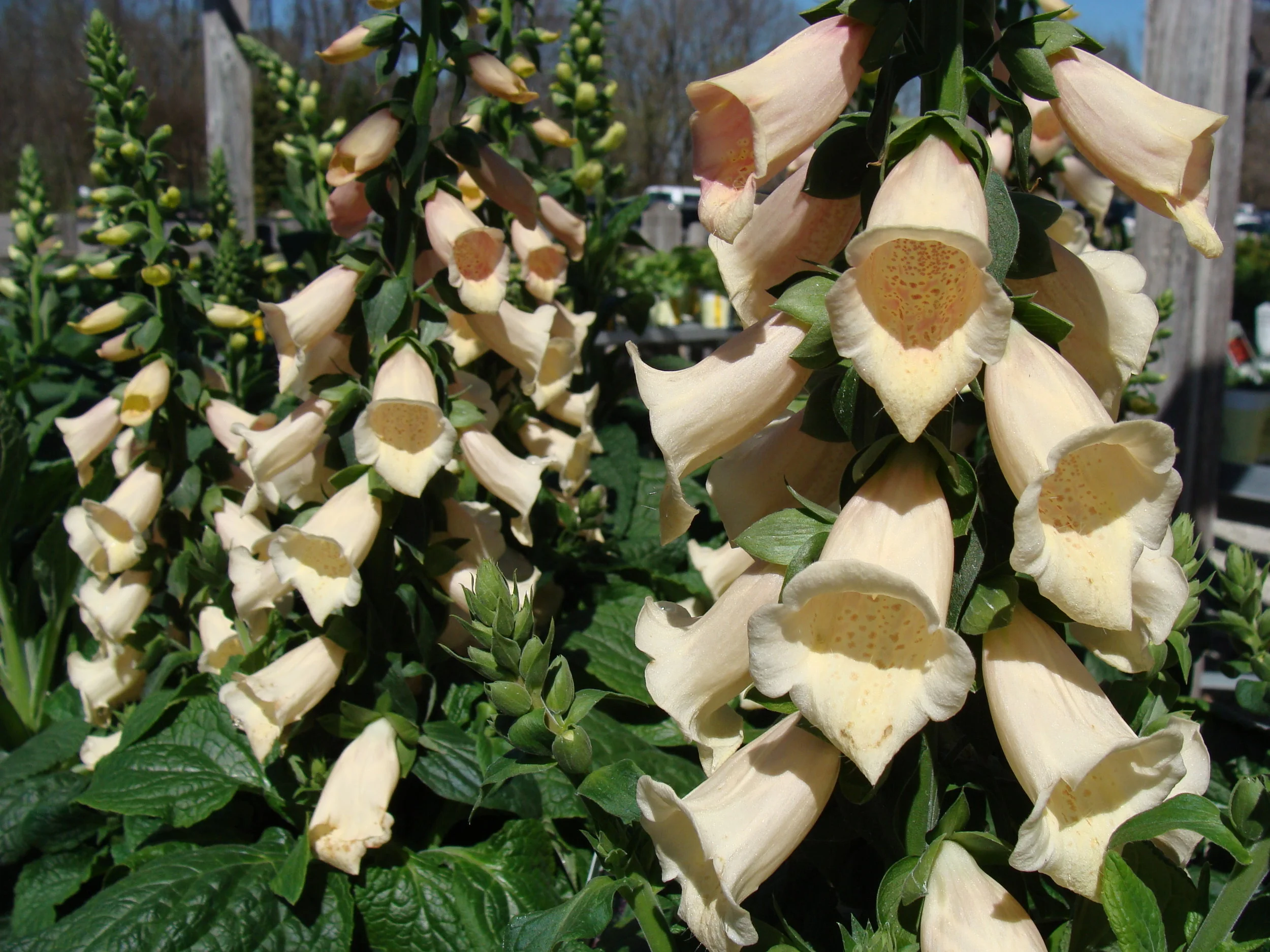
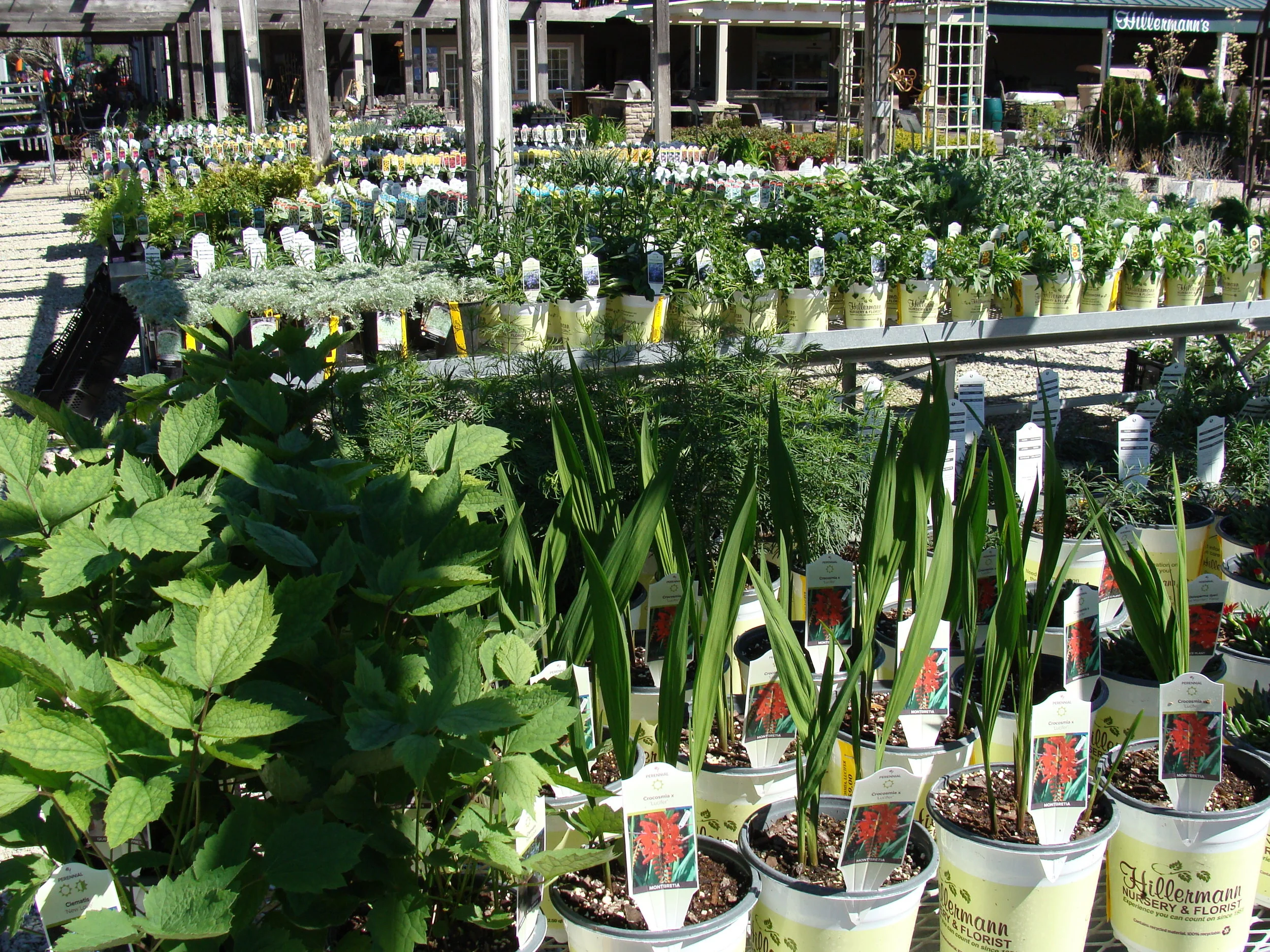
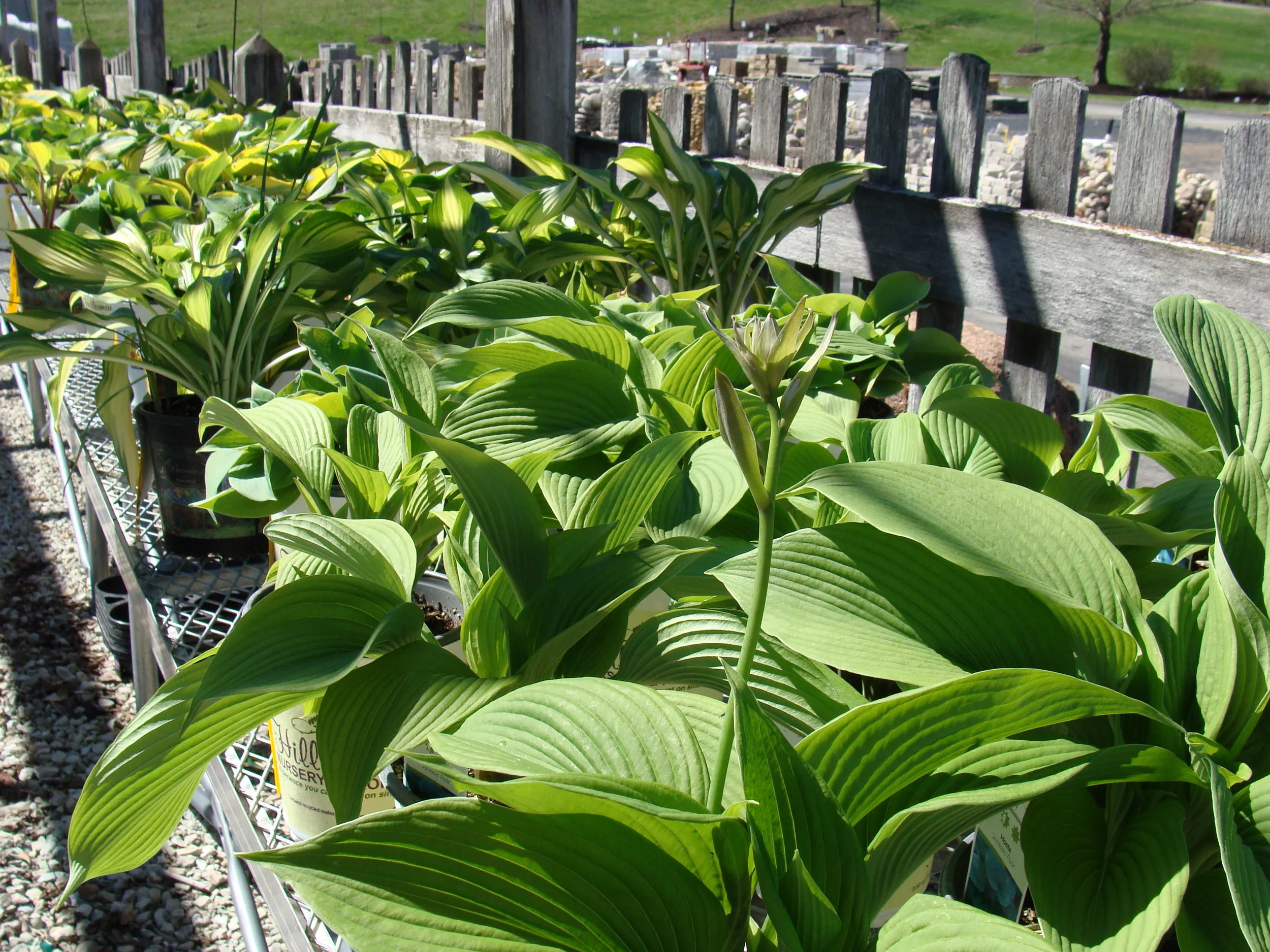
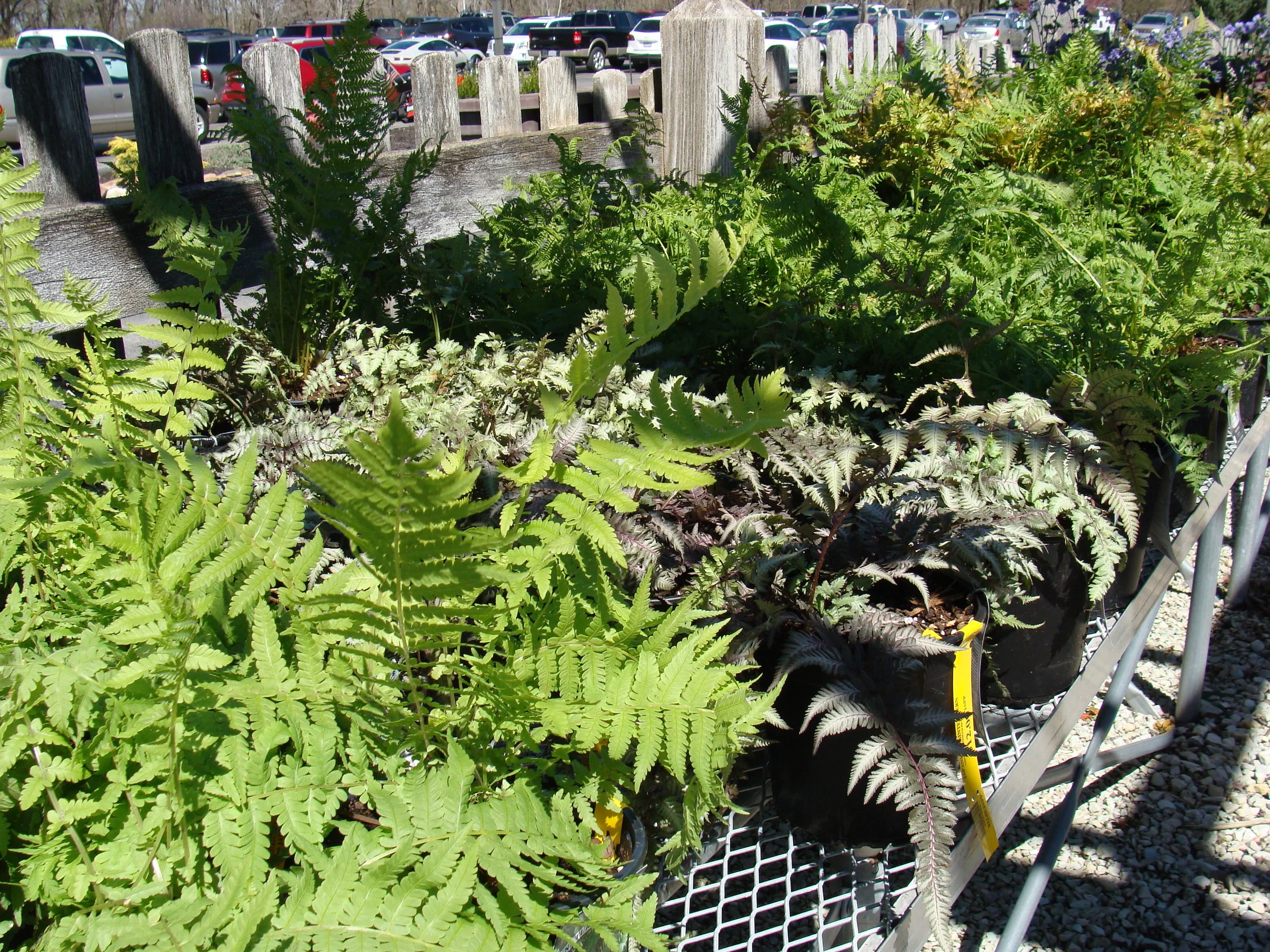


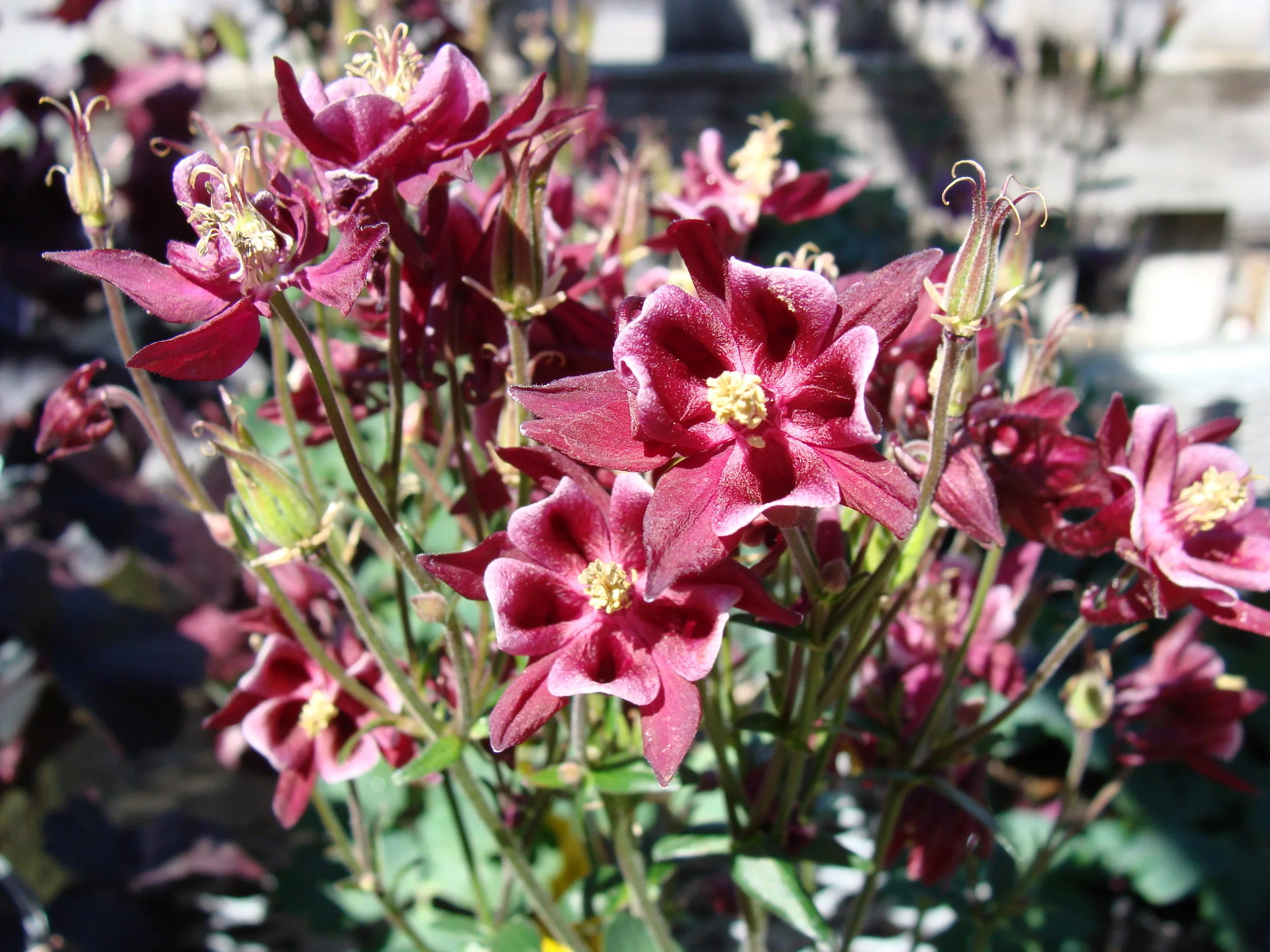

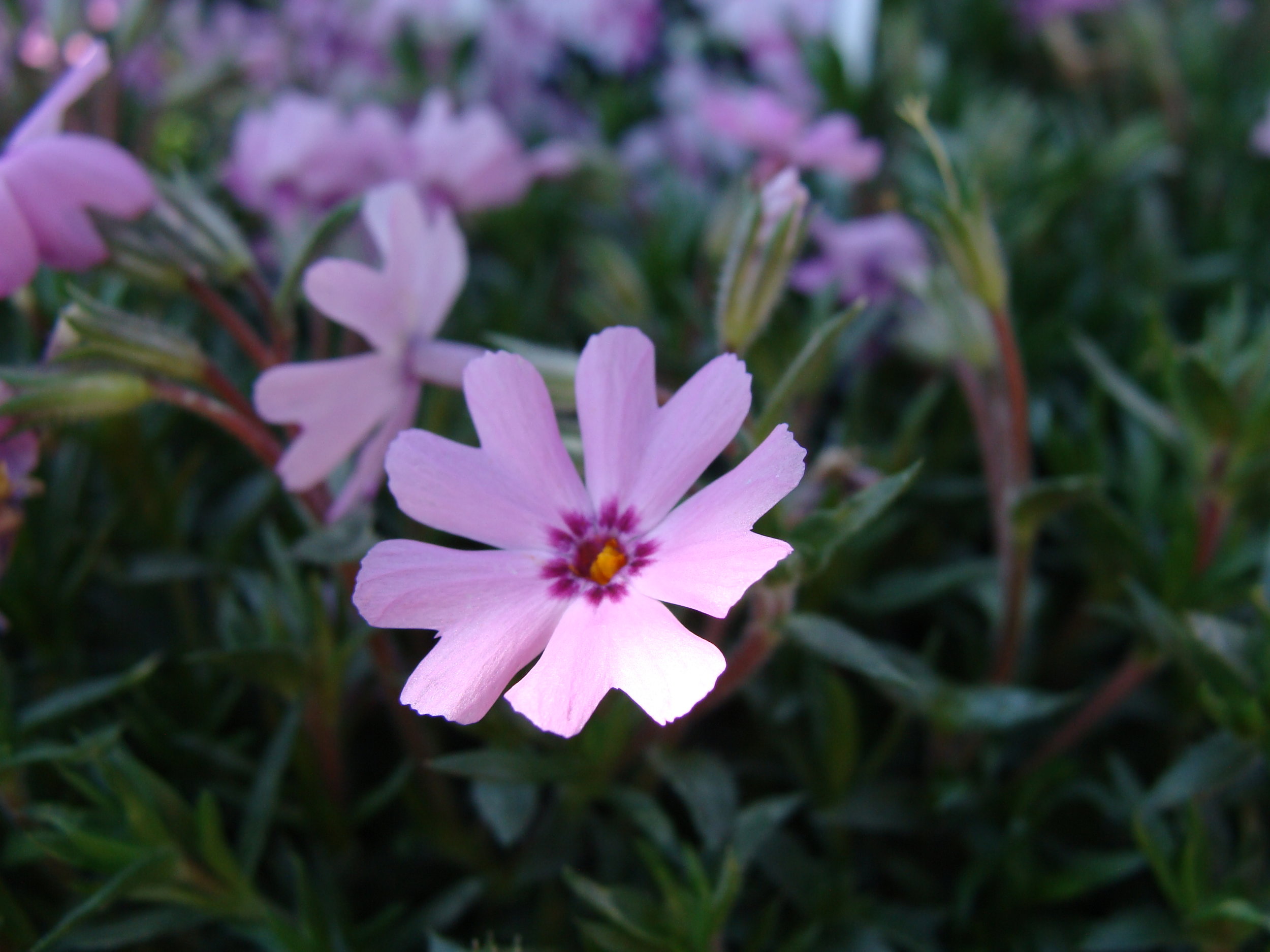
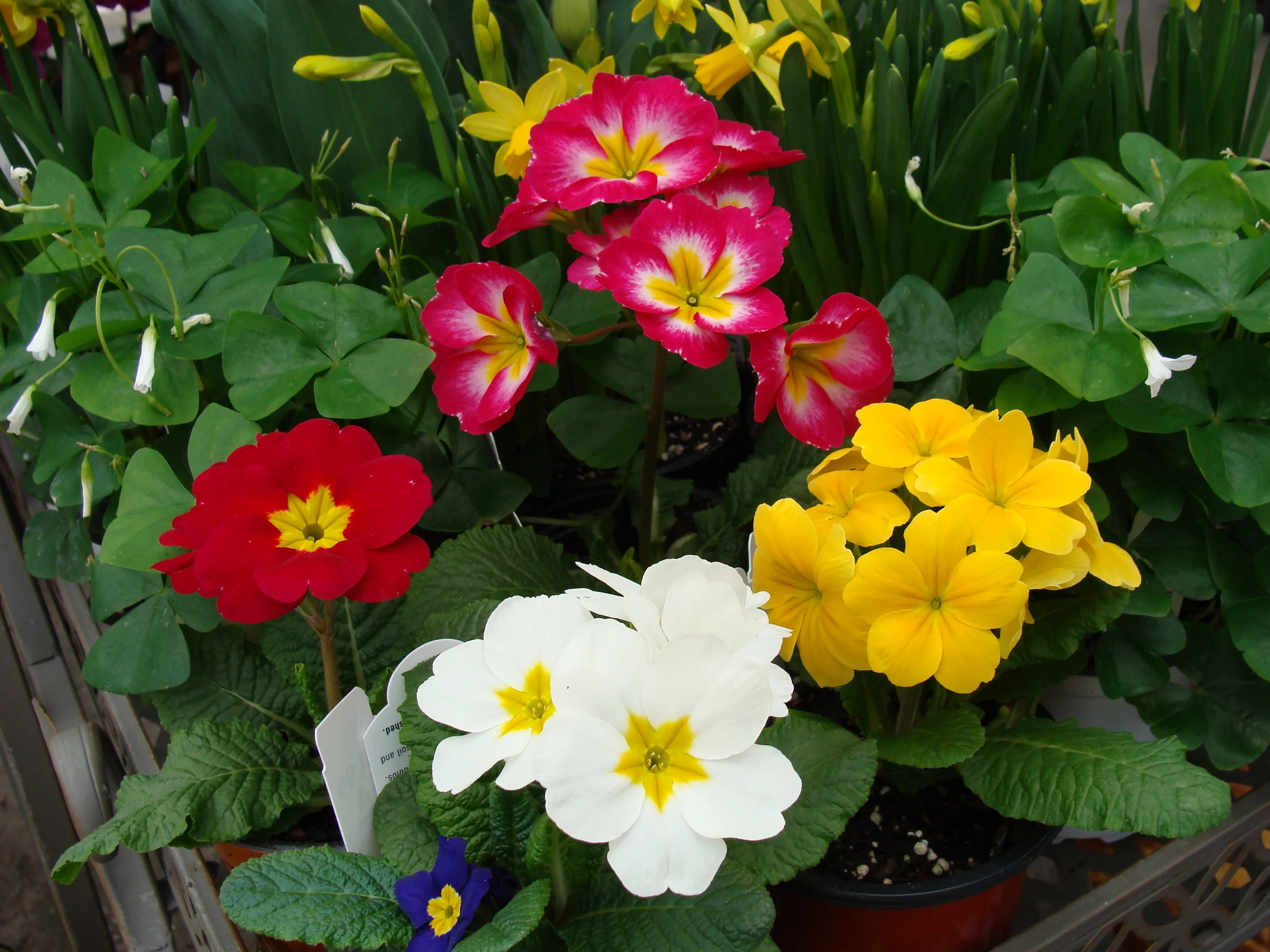
Plants and Items for SPRING!
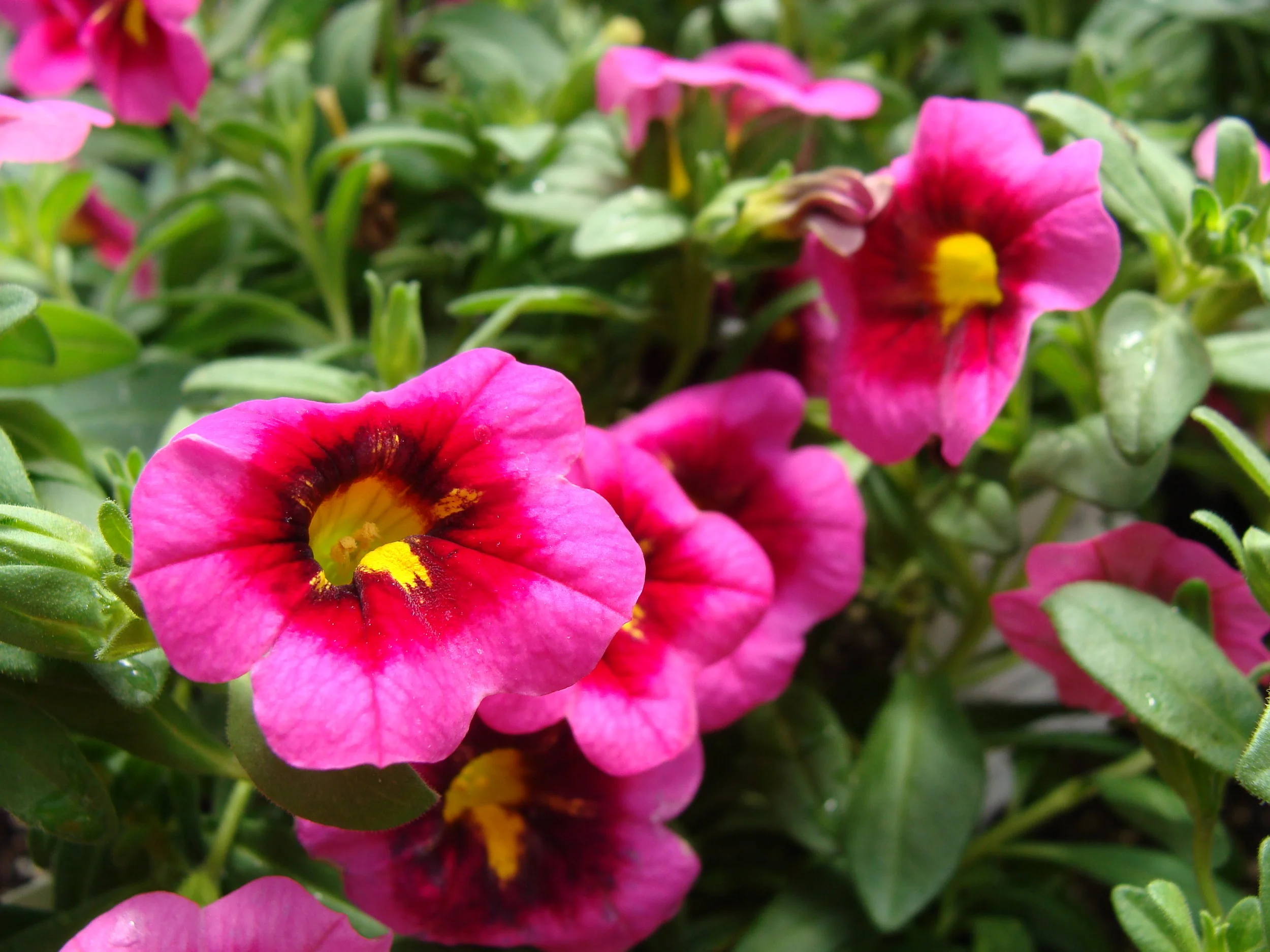
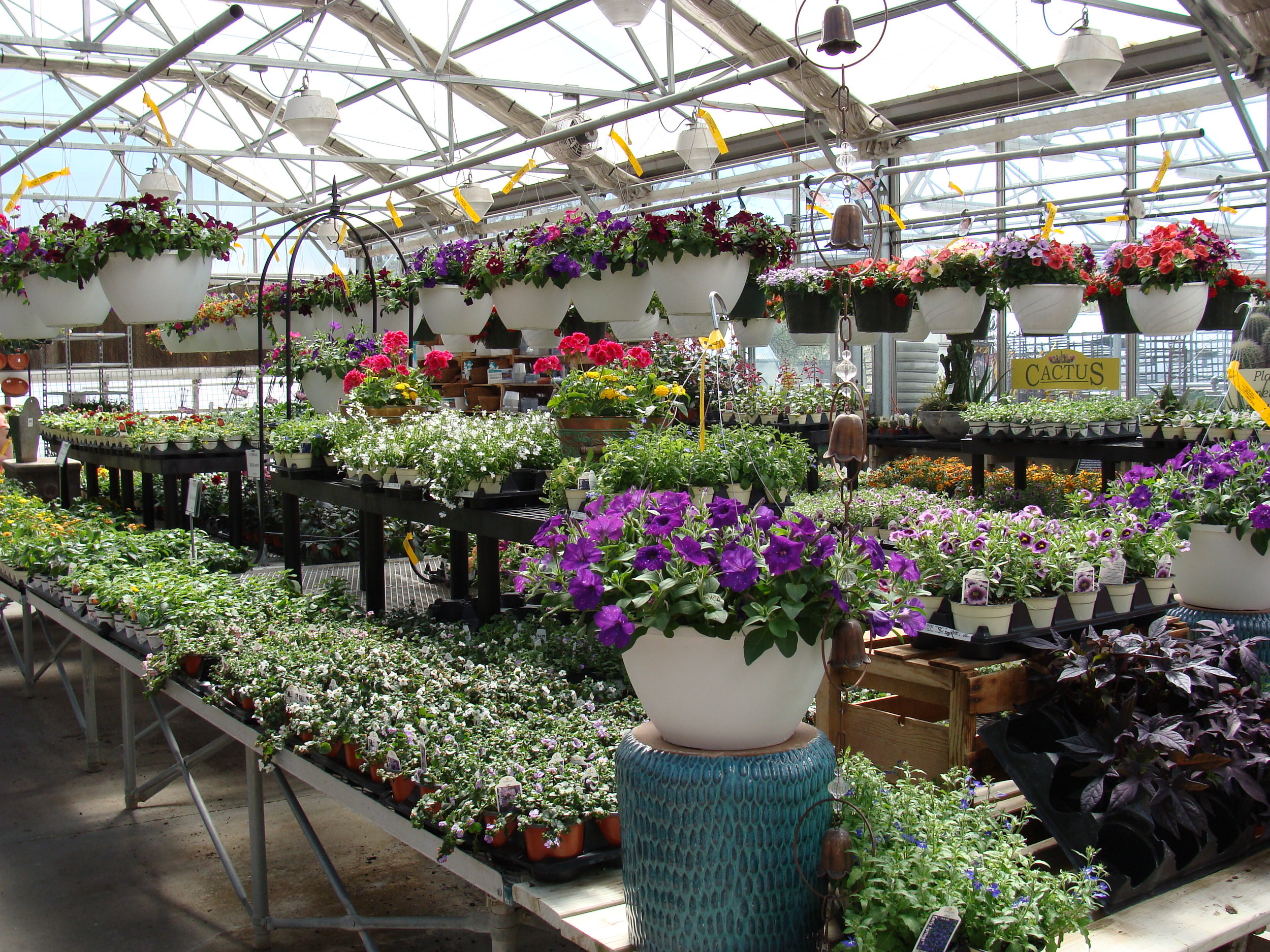
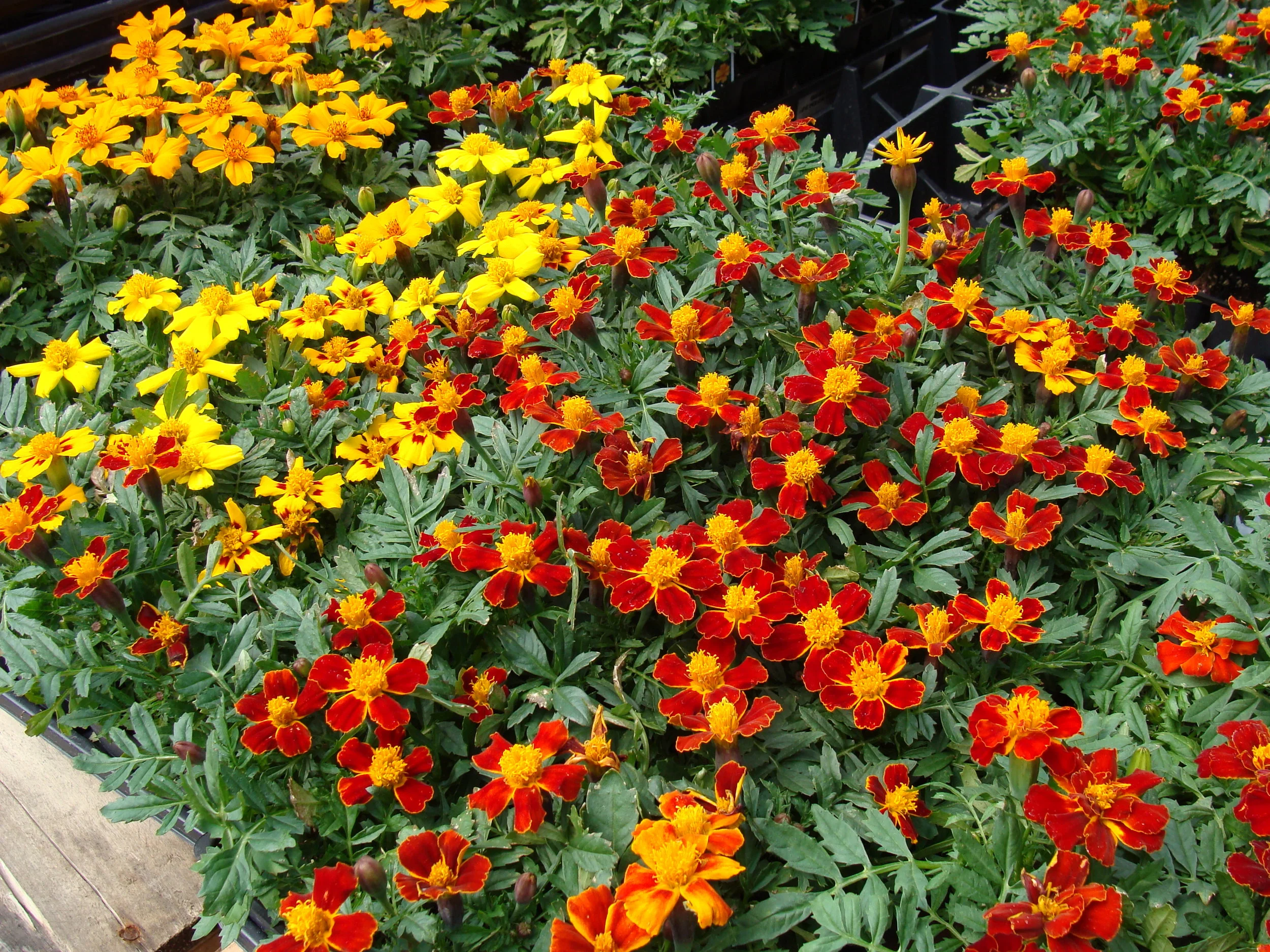
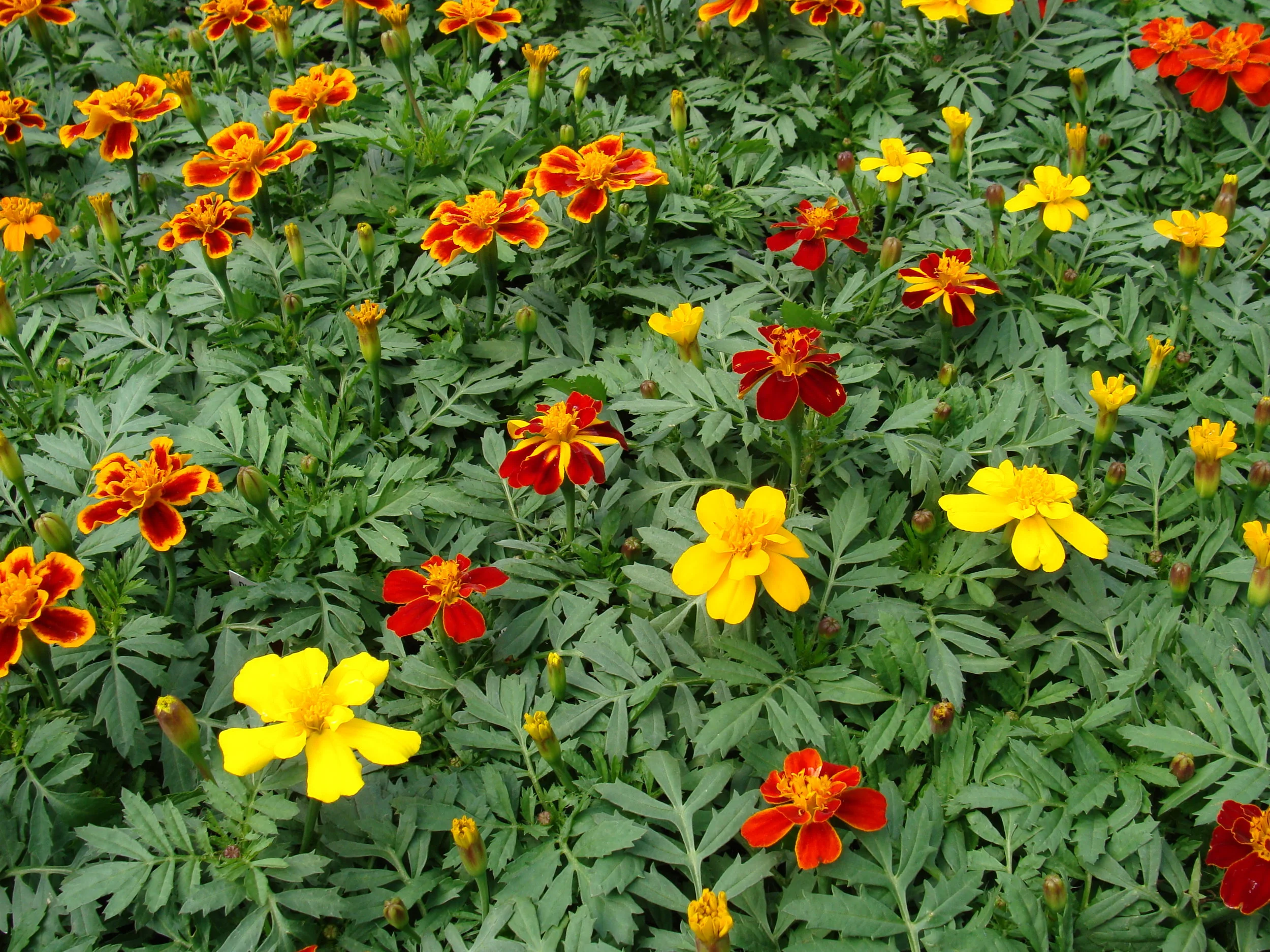
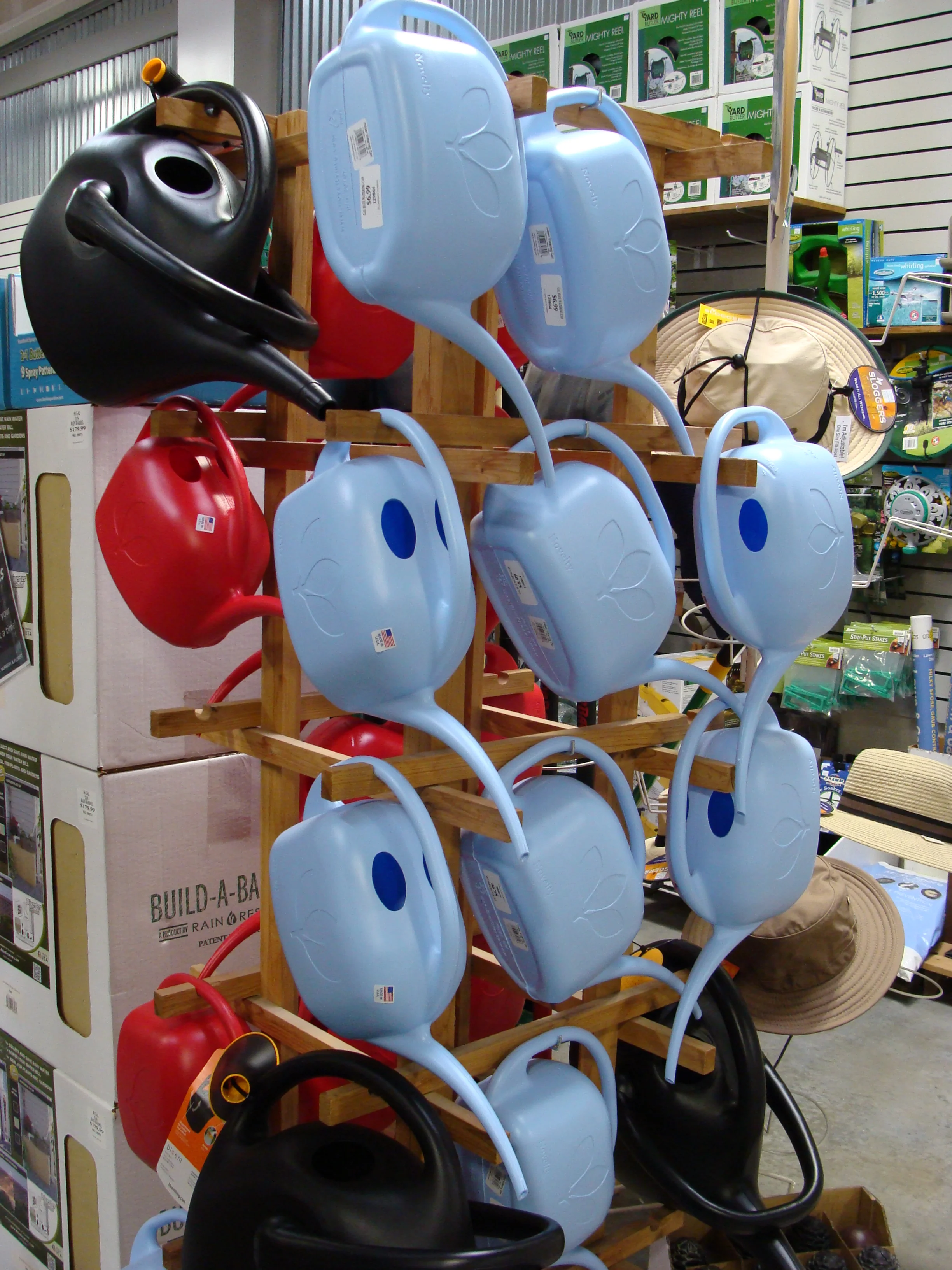
FRESH NEW SPRING PLANTS, ITEMS and DISPLAYS are ready NOW at Hillermann Nursery & Florist!! Check out the photo gallery below for a peek of what is here, then come on down for spring planting, decorating and gifting items. Let’s GET SPRING STARTED!






















Garden Solutions - March 2019

WOW what a winter we had this year! Spring is almost here!!! What a wonderful feeling to be able to spend more time outside enjoying what Mother Nature is unfolding before our eyes. The lengthening of days is a welcome site, and the warm sun on our faces is also a very great feeling. We “spring forward” with Daylight Savings Time on Sunday, March 10 this year. That is exciting.
The grass will be greening up and mowing time is just around the corner. Mow lawns now to remove old growth and the last of winter’s leaves before new growth begins. Thin spots and bare patches in the lawn can be over seeded now if you don’t intend to use a crabgrass preventer on your lawn. Last summer’s heat and drought may make this a necessity this spring, if you missed the opportunity last fall.
If you don’t over seed your lawn, now is the time to apply Fertilome Crabgrass Plus Lawn Food. We have long summer seasons here, and actually recommend that you make two applications of this product (4-6 weeks apart) to keep your yards crabgrass free this summer.
Begin spring cleanup of perennial beds this month. Cut perennials to 3” above the ground. Remove damaged foliage and old flower stalks. Ornamental grasses and hardy hibiscus can be pruned back to 6” above the ground now.
Once flowerbeds have been cleaned up, re-mulching can be done. Be sure not to mulch on the crowns of plants. Top dress or dry feed beds with a granular fertilizer, such as Osmocote, and apply a pre-emergent to help keep weed seeds from germinating. Divide summer and fall blooming perennials now, along with ornamental grasses if you so desire.
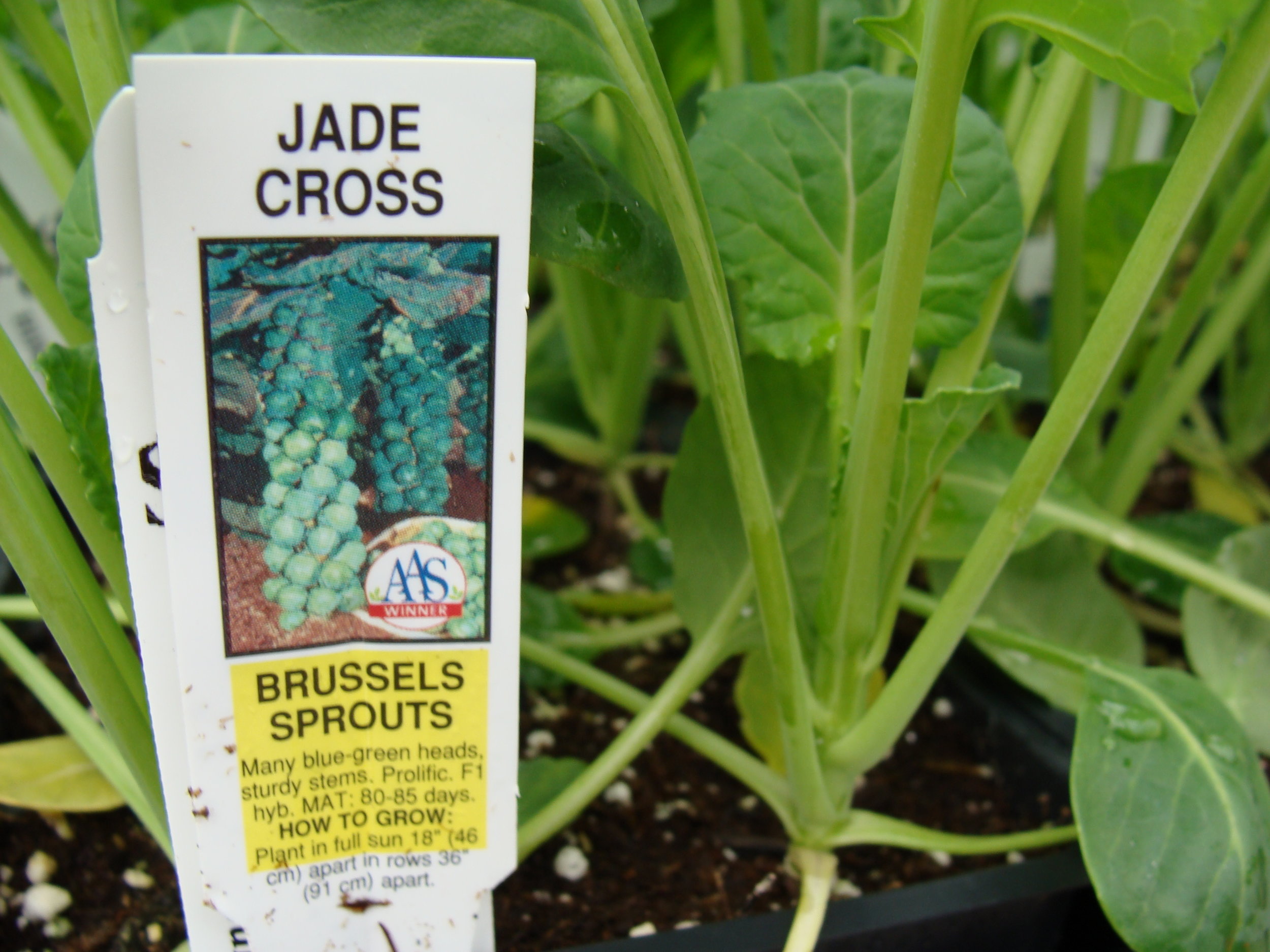
Plant/sow peas, lettuce, radish, kohlrabi, collards, turnips, potatoes, spinach, onion sets, beets, carrots, and parsley outside this month. Set out broccoli, cabbage, Brussels sprouts, Chinese cabbage, cauliflower and pansy transplants now. This month is also great for setting out strawberries, blueberries, blackberries, grapes and fruit trees.
Start seeds indoors this month for tomatoes, peppers and eggplants. And houseplants can still be repotted. Continue to check houseplants for over wintering insect populations.

Nesting boxes for bluebirds can be set up as well as Purple Martin houses. Bluebird boxes are best at about 5’ off the ground on a fence post in the open with the entry hole facing away from prevailing winds. Purple Martins return to our zone 6 region between St. Pat’s Day and the end of the month. So, now is the time to clean out those houses and be prepared.
It is time to go, “See you in the garden!!”
Sandi Hillermann McDonald
Weed Prevention… Now Is The Time

Understanding exactly what you are applying and how it works will help you decide when to get out there and start your lawn care. First, it’s not a race. The first neighbor to unleash the spreader from the garage is not necessarily the winner, winner, chicken dinner.
When you start looking at bags you will see words like ‘preventer’, ‘crabgrass’, and ‘pre-emergent’.
WHAT DOES ALL THIS MEAN?
The majority of first lawn applications contain a fertilizer (to make the grass grow) and what is called a pre-emergent herbicide. A herbicide is a chemical that kills plants (in contrast to an insecticide). A pre-emergent herbicide is one that stops a plant from growing. Look at the word: pre (before) –emergent (sprouting).

HOW CAN AN HERBICIDE KILL A PLANT BEFORE IT IS EVEN GROWING?
A pre-emergent kills the emerging seed of a plant either before or right after it sprouts. So, the weed killer in the first bag you put down is actually a weed PREVENTER. Weed preventers create a barrier where they are applied that blocks growth. But wait, you say. I have put this pre-emergent down before and I still had weeds in the summer. What gives? A pre-emergent will only stop weeds if they are sprouting from a seed. If the weed is sprouting from a root that stayed in the ground over the winter, a pre-emergent will not prevent it. This is common with weeds like dandelions, clover, and ground ivy. Weeds returning from established roots need a different weed killer. The #1 big battle of this category is crabgrass.
BUT HERE’S THE THING:
Crabgrass doesn’t germinate until it’s warm. And I don’t mean the AIR temperature. Crabgrass germinates when the SOIL temperatures hit the mid 50s. And soil takes a lot longer to warm up in the spring than the air. Think of how long it takes a lake to warm up in the spring and summer. It may be a gorgeous day on the boat but if you jump in that water, you are in for a shock. Soil temperature is similar. It warms up very slowly in the spring. Crabgrass may germinate in late March in our area. Crabgrass preventers can last up to 4 months. We recommend another addition of prevention in late May to get us covered through our hot dry summers.
There are several factors that influence the germination time of warm-season weeds like crabgrass. Every year is different, and every lawn is different. Did you know that we also offer pre-emergent service in our Hillermann lawn program?? So therefore, WE CAN DO IT FOR YOU.
Stop in or call to let us help you with your specific needs.
Sandi Hilllermann McDonald

Bird of the Week - 2/27/19

Purple Martins
Graceful in flight, musical in its pre-dawn singing, this big swallow is one of our most popular birds. Martin housing has a long history: some Native American tribes reportedly hung up hollow gourds around their villages to attract these birds. Purple Martins migrate to South America for the winter, but before leaving, they may gather to roost in groups of thousands in late summer.
Characteristics: Purple Martins are large, broad-chested swallows. They have stout, slightly hooked bills, short, forked tails, and long, tapered wings. Adult males are iridescent, dark blue-purple overall with brown-black wings and tail. Females and immature Martins are duller, with variable amounts of gray on the head and chest and a whitish lower belly. Purple Martins fly rapidly with a mix of flapping and gliding. They feed and roost in flocks, often mixed with other species of swallows. They often feed higher in the air than other swallows, which can make them tough to spot.
Songs and Calls: Liquid gurgling warble. Also a penetrating tee-tee-tee.
Diet: Insects. Feeds on a wide variety of flying insects, including many wasps and winged ants, and some bees; also many true bugs, mosquitoes, flies, (including house flies and crane flies), beetles, moths, butterflies and dragonflies. They also eat some spiders.
Nesting: Males return to nesting areas first in spring to establish nesting territories. Natural sites are in cavities, such as old woodpecker holes, in trees. They usually nests in colonies, especially in east, where almost all nest in multiple-roomed nest boxes put up for them. At least 4 housing cavities should be offered and 6 to 12 is a great start to attract a colony. Aluminum, thick plastic, wood, and natural gourds are all suitable materials for martin housing, provided that the exterior of the house is white in color to reflects heat, keeping housing cooler in hot temperatures. Martins prefer housing that is placed in open areas with clear flyways. Choose the center of the largest open spot available, at least 40-60 feet from trees and within 100 yards of human housing. In the southern half of their breeding range, martins may accept housing that is placed within 25 feet of trees, but open areas are always best. Housing should be lowered, sometimes on a daily basis, to remove competitor nests and to monitor the nests. Therefore, it’s helpful if the housing is on a pole that has a telescoping, pulley, or winch system to raise and lower the unit. Recommended height is 12-18’.
Note: Purple Martin numbers have declined seriously in parts of the west, and currently declining in the east. Reasons are not well known, but competition with other bird species for nest sites may be involved.
- - - - - - - - - - - - - - - - - - - - - - - - - - - - - - - - - - - - - - - - - - - - - - - - - - - - - - - - - - - - - - -
20% OFF
Purple Martin Houses & Accessories
Good through 3/5/19. Not good with any other sale, coupon or discount or
on previous purchases. Print this page or mention offer at the checkout counter.
Code: 004
- - - - - - - - - - - - - - - - - - - - - - - - - - - - - - - - - - - - - - - - - - - - - - - - - - - - - - - - - - - - - - -
Houseplant of the Week - 2/27/19

ZZ Plant
The ZZ plant (Zamioculcas zamiifolia) gets its common name from its botanical name. Since Zamioculcas zamiifolia was long and difficult to say, many nursery workers simply shortened it to ZZ. The plant stems grow in a graceful, wand-like shape that starts thick and bulbous at the base and then tapers to a point. Along the stem are fleshy, oval-shaped leaves that make the plant look like stylized feathers. The entire plant has a waxy, shiny coating that makes it appear to resemble those made of plastic. Between the sculptural qualities of the plant and its waxy coating, it is not uncommon for people to insist that it must be an artificial plant. Small, insignificant flowers consisting of a spadix surrounded by a spathe may appear at the base of plants in summer, although ZZ plants rarely flower indoors.
What makes ZZ plant such a good houseplant is that it's wonderfully tolerant to a wide range of conditions, including low light, low humidity, and periods of drought. It's truly one of the toughest houseplants around, making it a perfect choice to add to your home or office. In addition, it has air purifying qualities for the indoor environment.
The ZZ plant will do best in bright to moderate, indirect light. While it can take direct light, you may see some scalding on the leaves if it is left in direct light. Additionally, curling leaves, yellowing and leaning can all be an indication of too much light. If you notice curling taking place, it typically means the plant is trying to move away from the light source. Move the plant to a shadier location or farther away from the light source. You can also try filtering the light with curtains or blinds if moving the plant is not feasible. The ZZ plant will also do fine in extremely low levels of light. This makes it an ideal plant for a window-less office or bathroom where it will only receive small amounts of fluorescent light.
Water the plant once every one to two weeks - as the top inch or two of the potting mix dries. If the soil is wet or damp wait a little longer before watering. The plant has underground rhizomes that can rot if the soil stays too wet. As a survival technique, ZZ plant has evolved to start dropping its leaflets to conserve moisture during periods of severe drought. If you forget to water yours and see the leaflets fall, don't give up hope. Water your plant again and it should resuscitate.
ZZ plants are happy without fertilizer, but if you would like, you can give the plants half strength fertilizer one to two times a year and only in the summer months.
Pruning may be beneficial as the plant grows. Cut away leaflets that are turning yellow near the base of a stem. Once a stem has grown much longer than all other stems you can remove that stem or cut it to size at the tip. It can sometimes look a little odd when a stem is cut off to size, so removing it completely might be another option - depending on individual preference.
- - - - - - - - - - - - - - - - - - - - - - - - - - - - - - - - - - - - - - - - - - - - - - - - - - - - - - - - - - - - - - -
20% OFF
ZZ Plants
Good through 3/5/19. Not good with any other sale, coupon or discount or
on previous purchases. Print this page or mention offer at the checkout counter.
Code: 004
- - - - - - - - - - - - - - - - - - - - - - - - - - - - - - - - - - - - - - - - - - - - - - - - - - - - - - - - - - - - - - -