National Squirrel Appreciation Day - January 21!

Squirrel-JuvenileGray_ChristineHaines-NWF-sw.jpg

SQUIRRELS! Whether you love them or loathe them, National Squirrel Appreciation Day, January 21st,  is a great time to take a few moments and learn about these nutty animals. We found some great articles on the National Wildlife Federation's website:

10 Nutty Facts to Make You Appreciate Squirrels
Dani Tinker, NWF.org

Nutty Ways to Celebrate Squirrel Appreciation Day This Year
Danielle Brigida, NWF.org


Visit us for this special offer in honor of Squirrel Appreciation Day:

- - - - - - - - - - - - - - - - - - - - - - - - - - - - - - - - - - - - - - - - - - - - - - - - - - - - - - - - - - - - - - -

20% OFF
Whole Peanuts

Good through 1/21/20. Not good with any other sale, coupon or discount or on previous purchases.
Print coupon or mention at checkout counter.

Code: 004

- - - - - - - - - - - - - - - - - - - - - - - - - - - - - - - - - - - - - - - - - - - - - - - - - - - - - - - - - - - - - - -


Tips for the Garden - January 2020

OUR NEWEST ENVIRONMENTAL CHALLENGE

Bird-Birdfeeder-Birds.jpg

            It is hard to say who benefits more from backyard bird feeders - the birds or the people who feed them. Some of life’s more enjoyable moments include the songs and antics of the birds outside our windows. Watching them is so captivating that it can alter an entire day’s plans, turning a twenty-minute breakfast into a three-hour brunch. Activity at your feeders probably can hold your attention all day with its ever-changing pattern of form and color, from fluffed-up chickadees to sleek cardinals.  But yet I hear, where have all the birds gone?  I don’t have as many as I used to.

            Until recent years the brightest spot on the winter landscape, with the most activity, is the bird feeder in the backyard. No matter what size yard or garden you have, you can create your own bird haven. All you need are food, water, and shelter. Shrubs and evergreens are good, not only to offer cover during harsh northern winters, but also to protect birds from their natural enemies. I encourage you to look at your landscape and see what you can do to encourage wild bird habitat.

            Several years ago, there was a national call to ‘save the bees!’. The last two years it has remained bees, and the Monarch butterfly was added to the list. This year you will be reading quite a lot from the National Audubon society as well as other environmental groups that we should now be worried about the huge decline in our native bird numbers. Birds are very important to our ecological and environmental health. They too, are great pollinators, and help keep insects at bay.

BirdsOnTubeFeederWeb.jpg

            So, I ask you, to look around your neighborhoods and parks. Close your eyes and listen. Maybe not as melodious as it used to be? The ultimate bird songs so familiar as we were growing up, not as prevalent. Now is the time to act and plan to enhance your gardens and landscapes with beneficial plants such as native species that will feed our feathered friends. Let’s continue to increase the pollination process we need for good environmental health.

            Start this winter by offering food, water and shelter to our feathered friends. It is so easy to do, and we can help. Next spring add natives to the landscapes or containers, and we will be well on our way of enhancing our little piece of heaven here on earth.

            Happy New Year dear friends…

See you in the garden…
Sandi Hillermann McDonald

chickadee_on_bird_bathW.jpg


Houseplant of the Week 1/7/20 - Cyclamen

CyclamenPink07.jpg

       The flowers on Cyclamen are valued for the up-swept petals and variably patterned leaves. Even the foliage is attractive, often having silver marbling on the top sides of the leaves. The florist Cyclamen, which come in several variations of pink, red and white, is the best know species in this genus. The small flowers of this plant are very sweet smelling. These are tuberous plants with the common heart shaped leaves. Cyclamen have a good transpiration rate, and therefore will add to the humidity in your home.

       Plant Care: Cyclamen are great flowering plants to add interest to the home in winter, as they do best here from December through March. The plants prefer a cool location with good air circulation! Temperatures that are too high will cause the plant to begin to yellow, and the flowers will fade rapidly. You will also need to make sure that your cyclamen is properly watered. They are sensitive to both over and under watering. Make sure the plant has excellent drainage with a potting medium that holds water well. Water your cyclamen plant only when the soil is dry to the touch, but do not leave the plant in this dry state so long that it shows visible signs of not being watered, such as droopy leaves and flowers. Water cyclamen from below the leaves so that the water doesn’t touch the stems or leaves. Water on the stems and leaves can cause them to rot. Soak the soil thoroughly and let any excess water drain away. Only fertilize once every one to two months with water soluble fertilizer mixed at half strength.

       To keep plants blooming, remove flowers as they finish by cutting the stems near the base of the plant. Sometimes the petals will fall off and leave a round seed capsule that resembles a flower bud. Remove these, too. In the spring, let the soil dry out and keep the pot in a cool dry place for the summer. The plants will look dead, but as long as the tubers remain hard and plump, they are only resting. Begin watering in the early fall and put it back into a cool, bright window for another season of bloom.


- - - - - - - - - - - - - - - - - - - - - - - - - - - - - - - - - - - - - - - - - - - - - - - - - - - - - - - - - - - - - - -
20% OFF Cyclamen Plants

 Good through 1/14/20. Not good with any other sale, coupon or discount or on previous purchases.
Mention this offer at the checkout counter.

 - - - - - - - - - - - - - - - - - - - - - - - - - - - - - - - - - - - - - - - - - - - - - - - - - - - - - - - - - - - - - - -
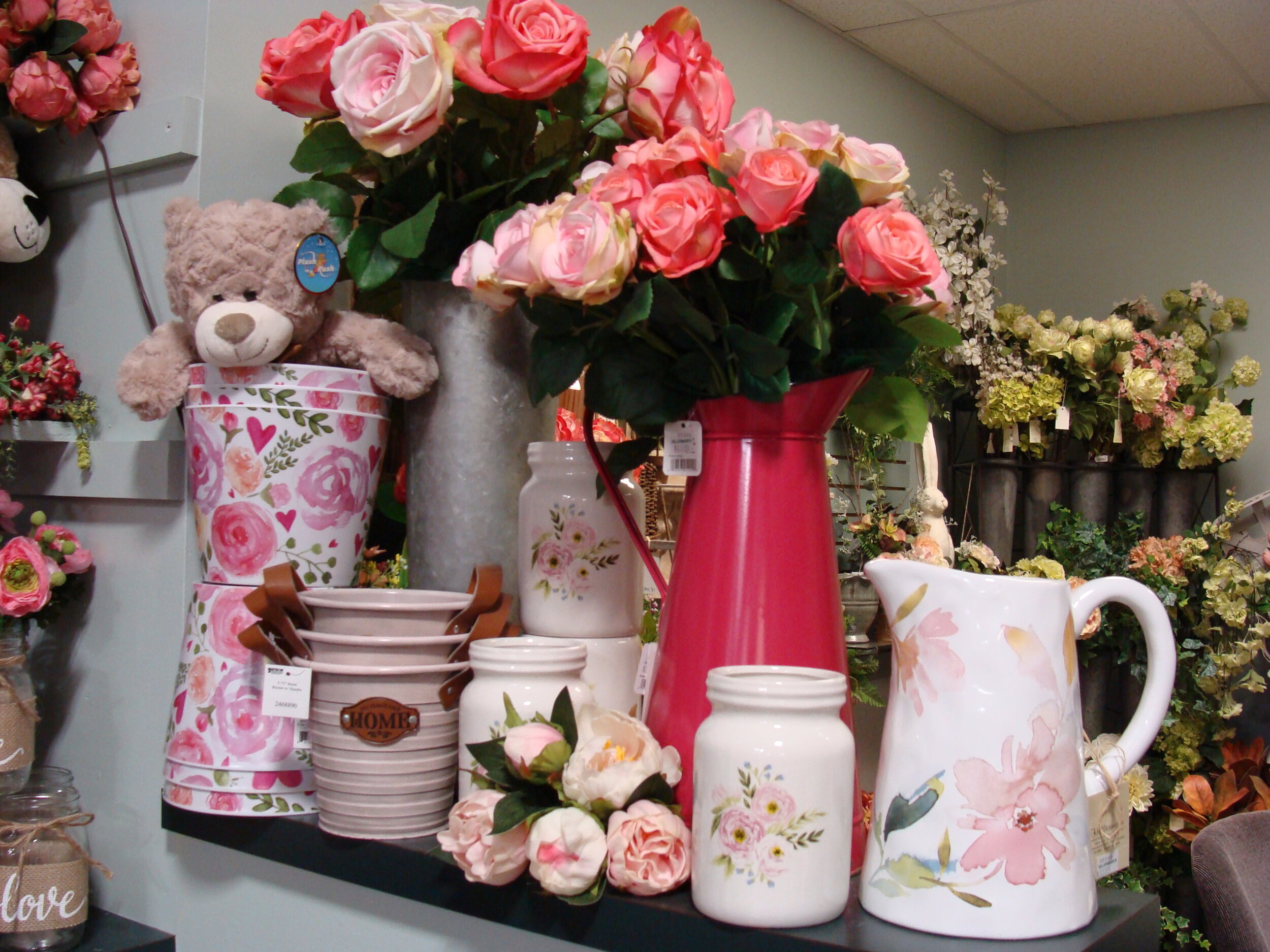
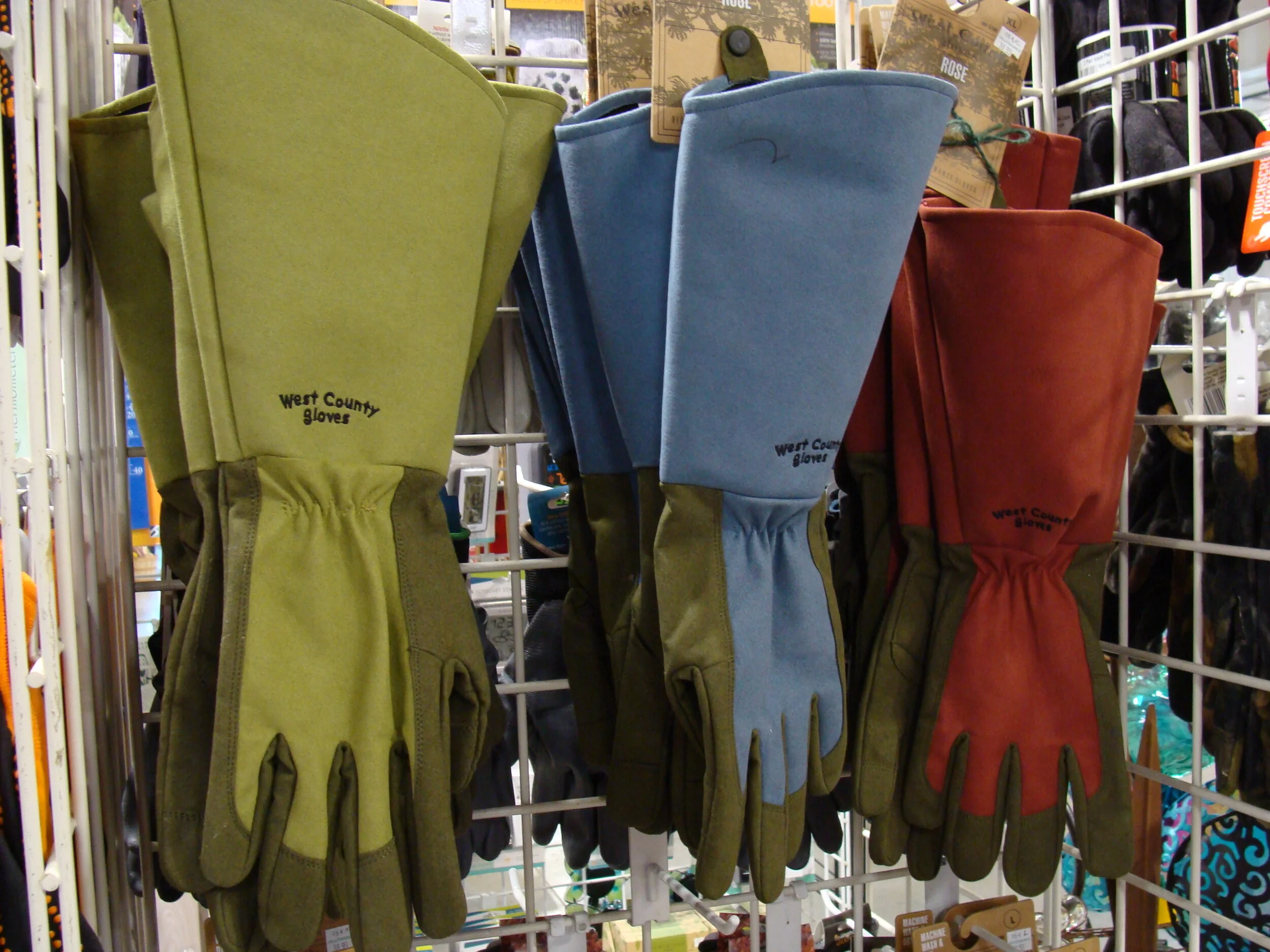
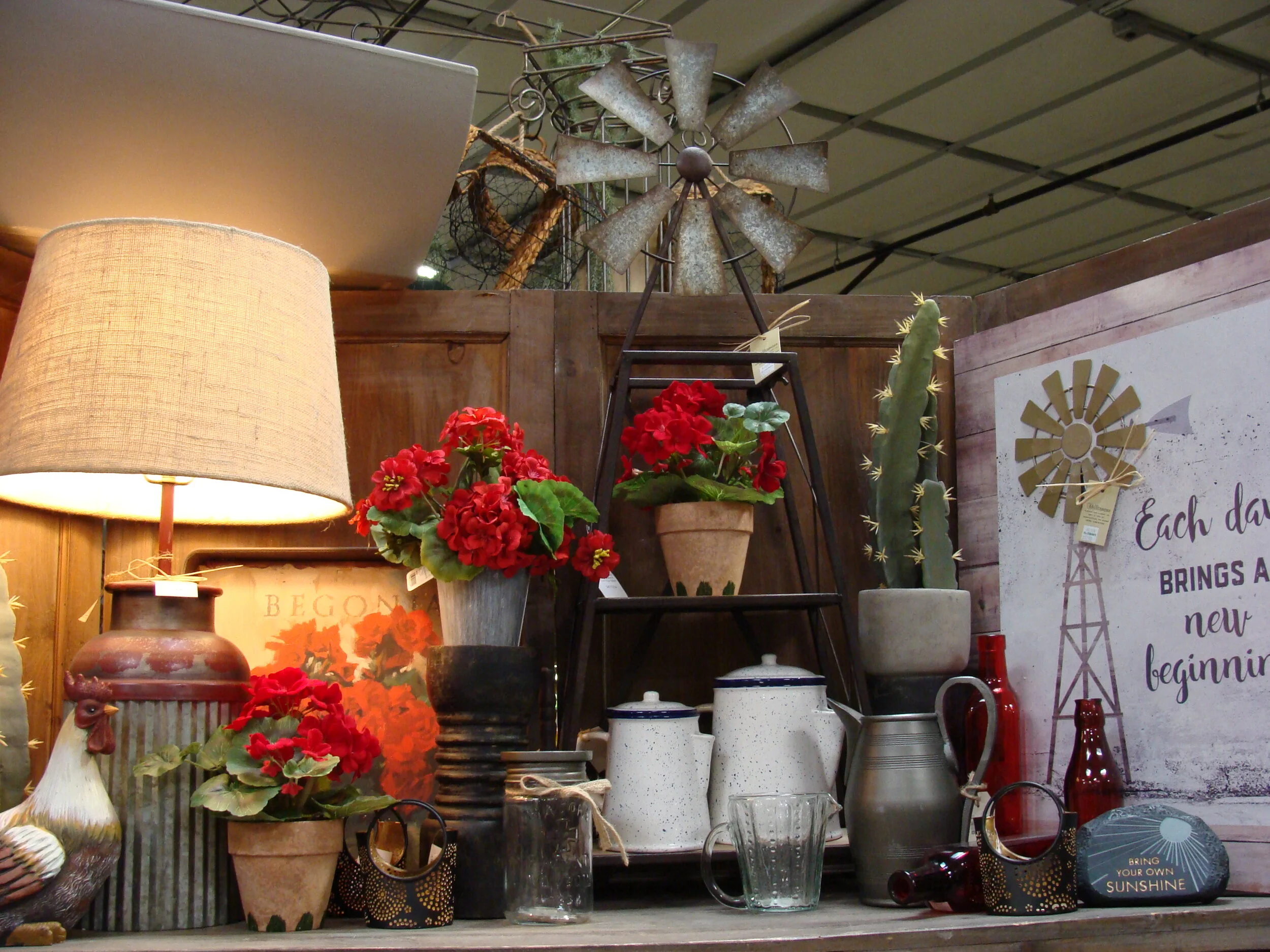
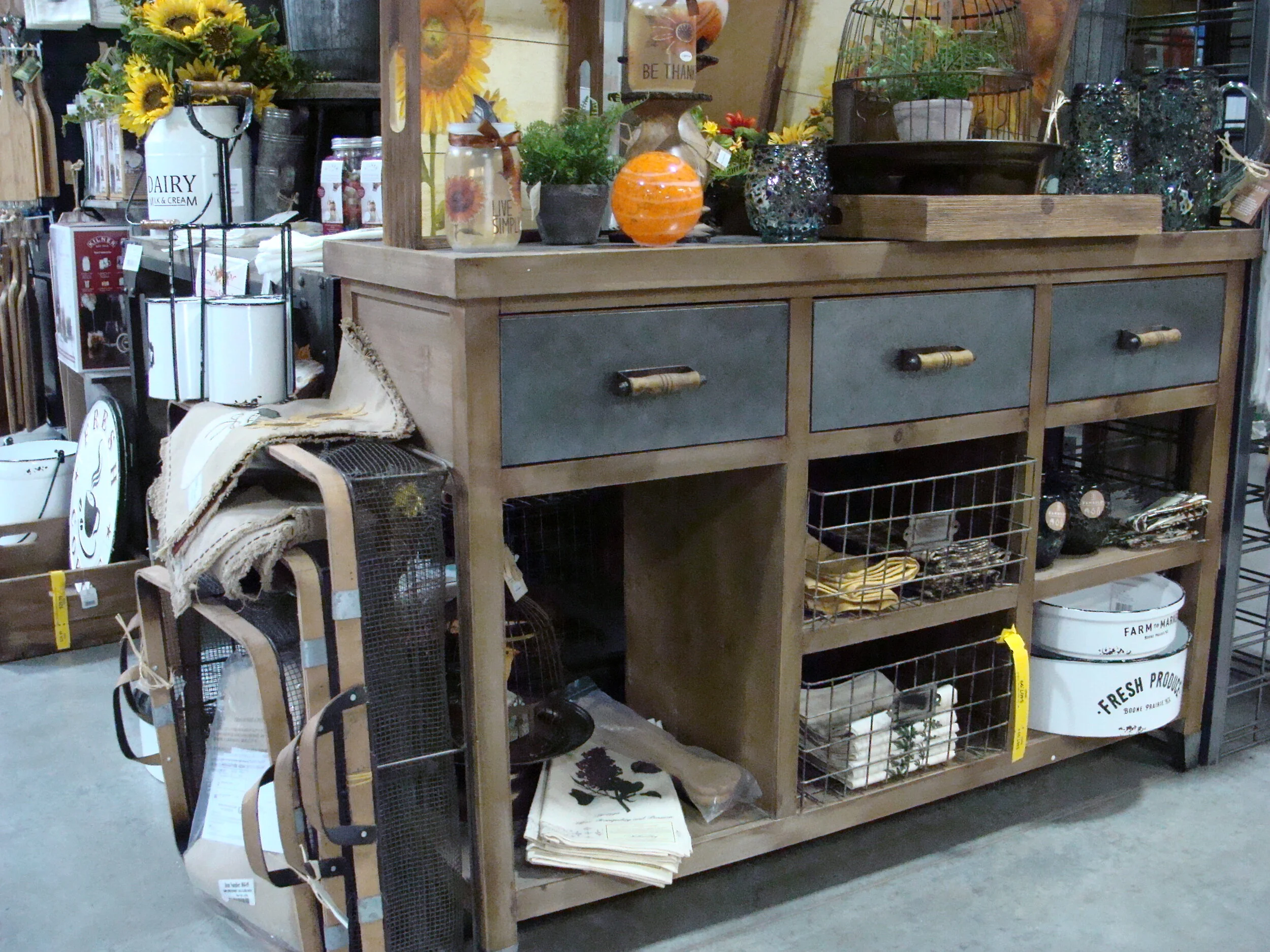
Great Christmas Gift Ideas at Hillermann's

Christmas is just days away!
We have many, many gift ideas for all ages and personalities - to fit all budgets!
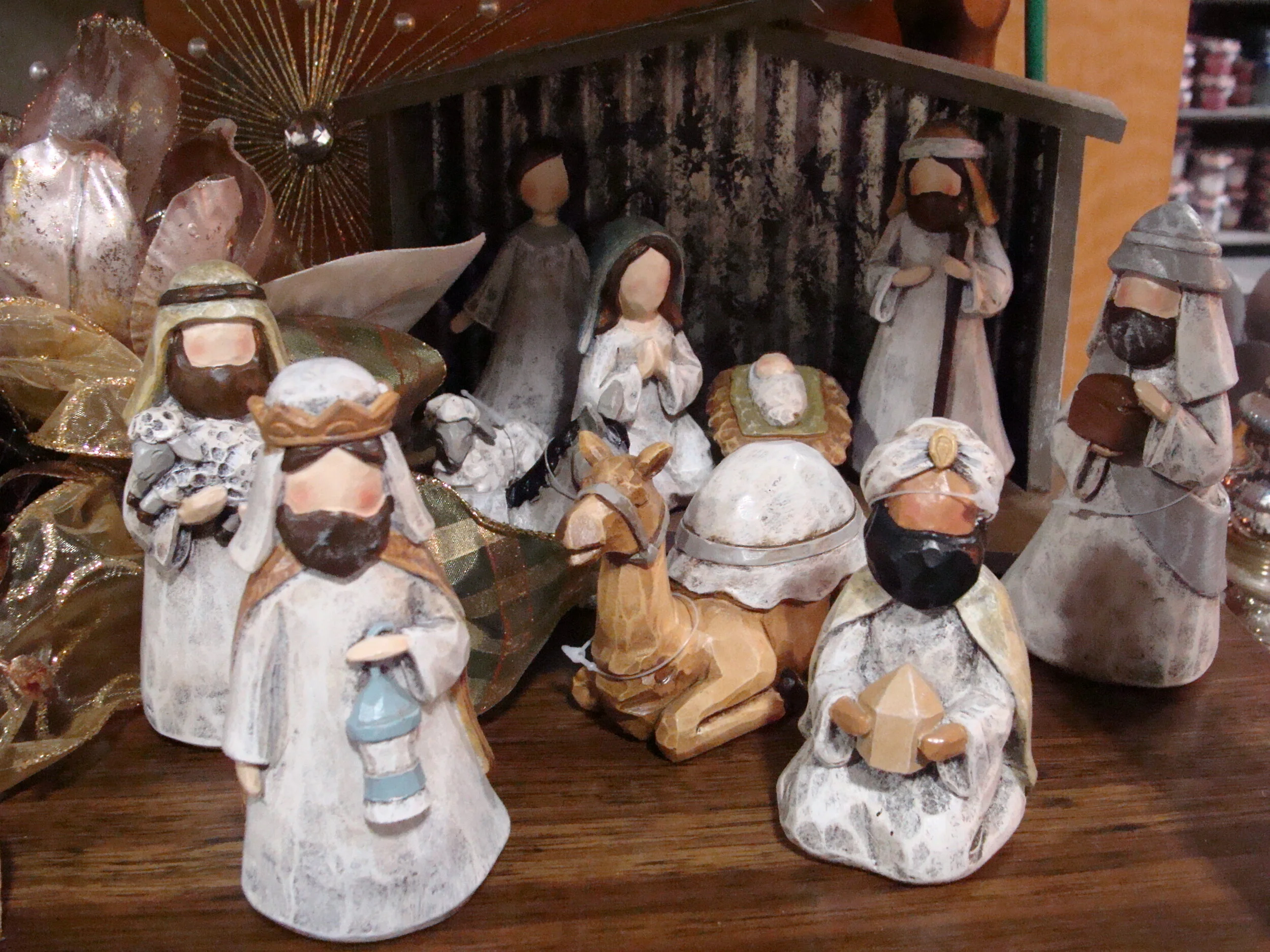
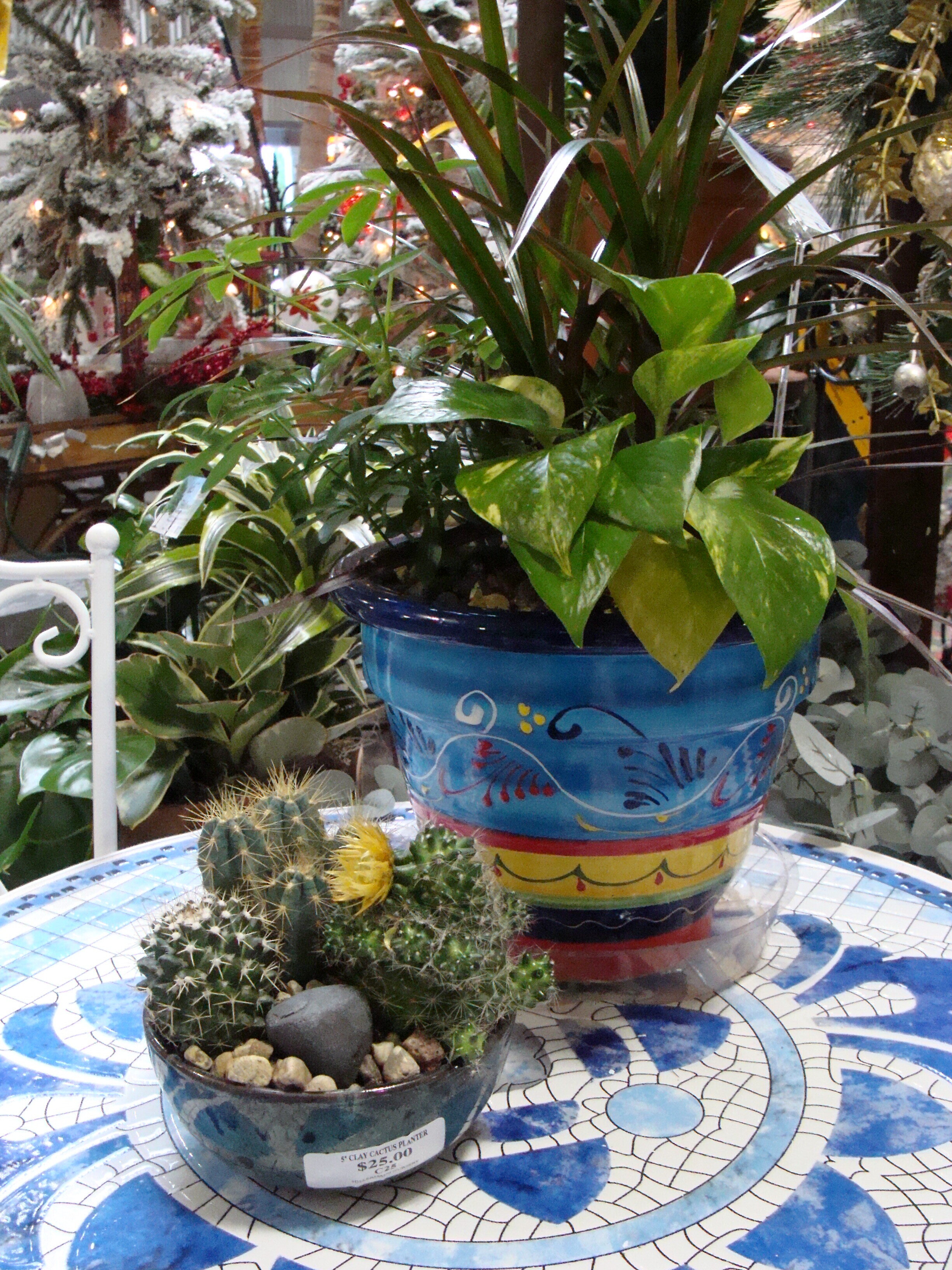
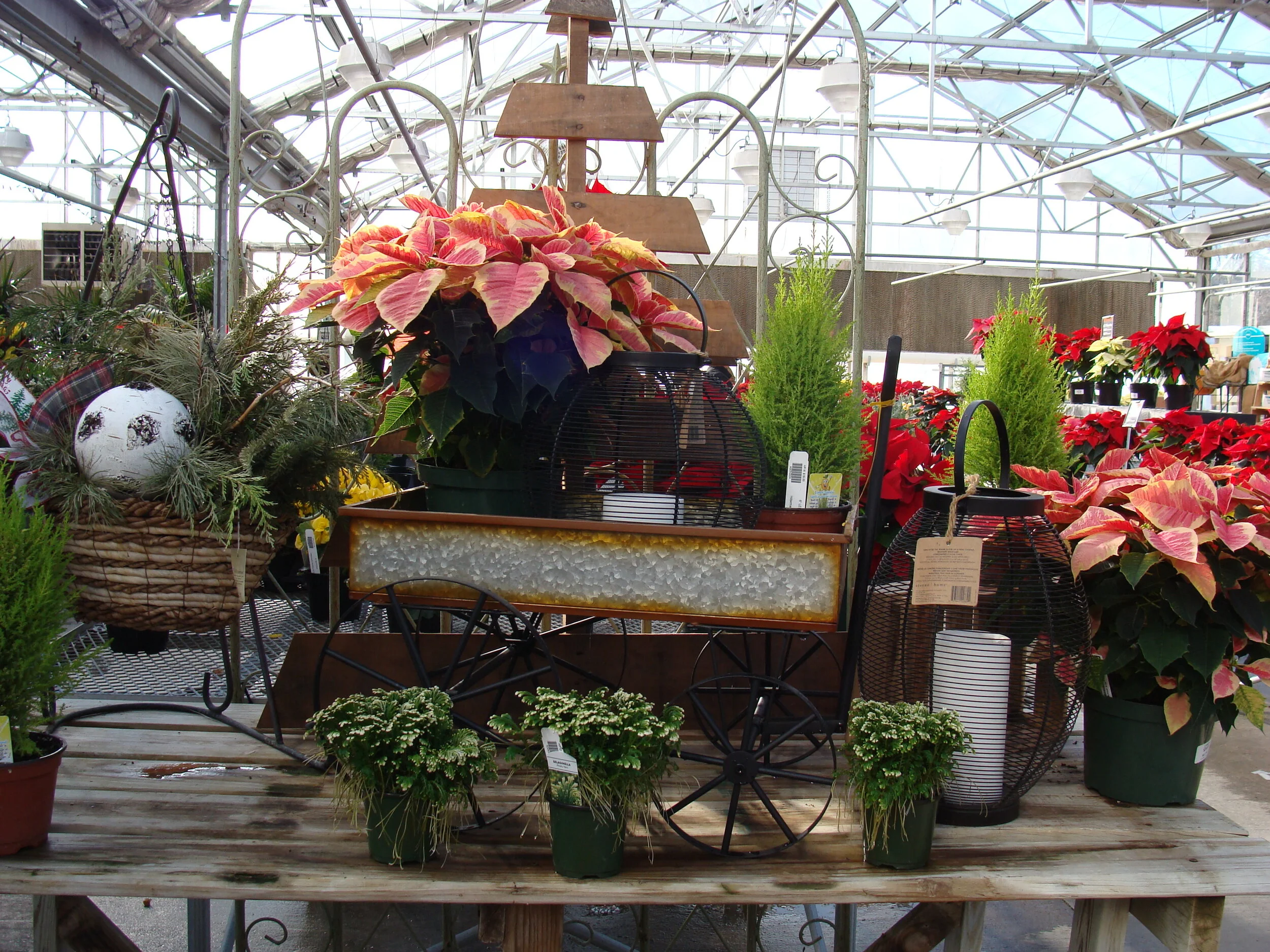
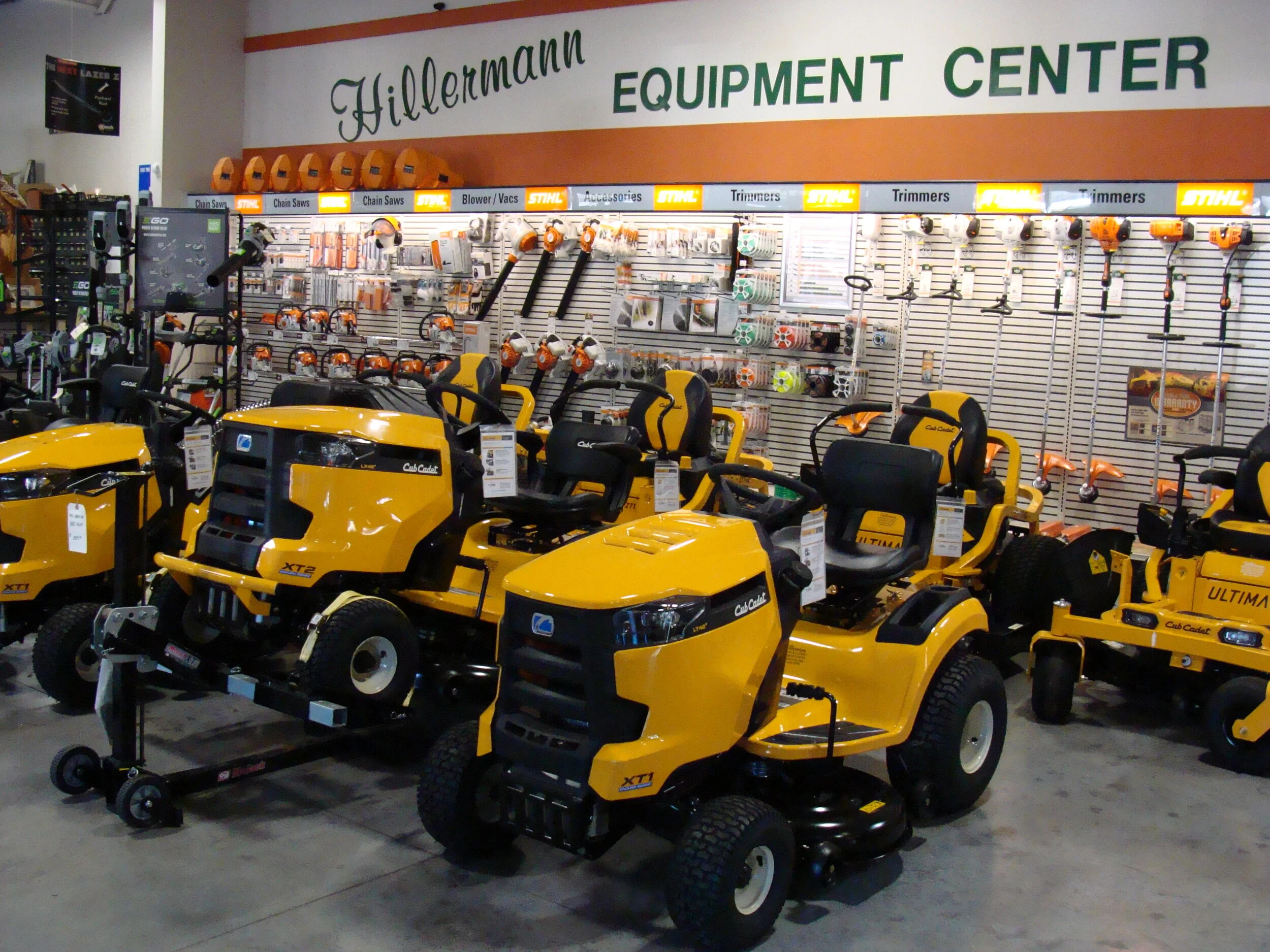
Check out the pictures below and come visit us to find many items to shorten your list!


Remember… if you just can’t decide from all of our great options, a Hillermann Gift Card is good in all departments!

Click Here to Order Online.


Tips for the Garden - November 2019

Attracting Birds to your Neighborhood

Birds-Cardinal-Bluebird-Branches.jpg

There are a number of ways to attract birds to your garden, from planting native plants to providing safe stopover areas for them to eat, drink and nest. 

Provide water year-round - A simple birdbath is a great start. Change water every 2-3 days in summer and use a heater in the winter. Place the water container about 10 feet from dense shrubs or other cover that predators may use.

Then, install Natives Plants-- Select a variety of native plants to offer year-round food in the form of seeds, berries, nuts, and nectar. Try to recreate the plant ecosystem native to your area. Evergreen trees and shrubs provide excellent cover through all seasons, check our www.grownative.org for an amazing lists of local natives great for pollination and food sources.

Eliminate insecticides in your yard - Insects are the primary source of food for many bird species and are an important source of protein and fats for growing juvenile birds.

Keep dead trees - Dead trees provide cavity-dwelling places for birds to raise young and as a source to collect insects for food. Many species will also seek shelter from bad weather inside these hollowed out trees.

bird_bluebird-box_Kevin-Cole-Flickr_400x267.png

Put out nesting boxes - Make sure the boxes have ventilation holes at the top and drainage holes below. Do not use a box with a perch, as house sparrows are known to sit on a nesting box perch and peck at other birds using the nesting box. Be sure to monitor the boxes for invasive animal species known to harm or out-compete native species.

Build a brush pile in a corner of your yard - Start with larger logs and top with smaller branches. Some birds will hunt, roost or even nest in brush piles.

BirdFeederAspectsGreen.jpg

Put out bird feeders--Bird feeders are great sources of supplemental food during times of food scarcity, and also enhance bird viewing opportunities.  Wintertime is beneficial for this as the natural source of pods and seeds become scarce.

Remove invasive plants from your wildlife habitat - Many invasive plants out-compete the native species favored by birds, insects and other wildlife. Check with your local U.S. Department of Agriculture Cooperative Extension System office for information on plant species to avoid.


I hope you enjoy these tips for enjoying more wildlife in your yards!

Enjoy every minute!


Sandi Hillermann McDonald


Incorporating Gardening and Plants Into Your Home Environment

 By Heather Viera, FamilyLivingToday.com

       Plants provide so many benefits to humans, it’s unsurprising that people are looking for more ways to incorporate gardening and plants into their homes. Plants reduce stress, improve concentration, increase happiness, and can even potentially help treat major mental and physical illness.

       Most people are familiar with traditional backyard gardens and indoor potted plants. Here are five other ways you can incorporate plants into your home environment: 


SpiderPlantHP.jpg

1. Hang plants from the ceiling.

Running out of places to put potted plants in your home? Hang them from the ceiling. Hanging plants can complement or substitute wall art. The best hanging plants are those that will spill out of their container so their leaves are on display, such as Grape Ivy or a Spider Plant.  

       It’s best to hang plants in corners, along walls, and away from doorways where people will not be likely to bump into them. 


2. Arrange plants on a wall. 

Like hanging plants, a plant wall is another space-saving way to incorporate plants into your home. You can put one or two plants on a wall alone or with art. You can also go the more dramatic route and dedicate an entire wall to plants. A full plant wall is especially eye-catching in the entryway or living room.

There are multiple options for affixing plants to the wall. Plants that require less water and fit in smaller containers, such as succulents, are common choices for a plant wall. Plants can be set on shelves attached to the wall, or hung from hooks. Attaching a peg board to the wall allows you to easily reconfigure your plant wall set-up without having to drill new holes.


3. Grow a container garden.

A container garden is an excellent choice for someone who doesn’t have enough room for a garden in their yard, or wants to plant a garden without disturbing their lawn. A container garden is exactly what it sounds like--a garden grown in containers. Using large pots, you can grow flowers, vegetables, or other plants from your patio, porch, or deck. 


Herb_Plants_InWindow_Bon-W.png

4. Keep a kitchen herb garden.

If you have a window sill in your kitchen, that is the perfect place to start an herb garden. Sweet Basil, Rosemary, Cilantro, and other herbs can line your window sill and provide added flavor to your meals. Simply water them regularly and snip off a few leaves here and there when it fits what you’re cooking. 


5. Sprout beans, seeds, and nuts.

Sprouting is another way to bring gardening into your home. Research has found that sprouting increases the nutritional value of seeds, beans, and some grains. You can easily grow sprouts within days using a mason jar and some sunshine. Note that keeping sprouts properly rinsed is important to avoid the risk of bacteria growth.


These are just a few ideas for incorporating gardening and plants into your home environment. We’d love to read other ideas you have in the comments!


Bio: Heather Viera is a lifestyle expert and researcher for FamilyLivingToday.com. She is dedicated to achieving a balanced lifestyle, even with two small children and a full-time career. In the little free time she has, she enjoys hiking with her partner and taking her dog to the beach.