Gardening From SEED

SeedlingsInPeatPotsW.png

Gardening from seed has several benefits. There are more varieties available to you, you know what's going into your food and flowers because you are growing them, and you'll save money by purchasing seeds rather than plants. But I caution you, it can get addictive! Starting seeds is simple and very rewarding. It is easy to start more seeds than you will need. I do it every year. I end up giving hundreds of seedlings away to local food groups, friends and neighbors. If this is your first time starting seeds, keep it simple and don't overwhelm yourself with too much to take care of. Think about what you and your family eat the most and start with those seeds. Lettuces and greens are simpler to grow and more immediately gratifying than peppers and tomatoes.

Why, start seeds indoors?

Some varieties are best started indoors because you have more control over the growing conditions. Starting seeds indoors extends your gardening season, allowing you to grow varieties that require longer growing times than your area's natural growing season allows. With perennial flowers, an early start can reap first-year blooms.

Seed_Pack_Back_StartTime_BI.gif

When is the correct time to start my seeds indoors?

Use your average last frost date (April 15 in our area) as a guideline to decide when to sow seed. This is identified as the first day in spring when there is less than a 50% chance a frost will occur. Most seed packets will tell you "Start indoors X weeks before first frost". This is also generally known as your USDA Growing Zone (we are zone 6). Seed packets will also list dates by zone. It's also helpful to know your average first fall frost date (October 15 in our area) so you can determine the number of days in your growing season as well as plan your summer and fall sowings.

How do I start my seeds indoors?

Containers: Almost any container can be used to start seeds including milk or egg cartons, yogurt cups, plastic trays, etc. We offer a Starter Kit that will help you get going and it is reusable. When reusing any container, it should be clean and sanitized, and have holes in the bottom that allow excess water to drain.

Labeling: Don't forget to label as you sow. Garden stakes, craft sticks, or writing directly on containers using paint markers all work well.

Medium: A high-quality seed-starting mix (medium), is loose and lightweight, yet holds moisture while being free from sticks and bark. Avoid potting soil mixes, which can be too heavy for tiny seeds, or soil from your garden that may introduce insects, weeds, or diseases. Thoroughly moisten medium before filling your container. I have had a lot of success with Peat Pellets.

Moisture: Covering your containers with a clear lid or clear plastic wrap helps retain moisture and increase humidity during germination. After your seedlings emerge, remove the cover. Misting using a spray bottle, or bottom watering (adding water to the drainage tray) are great ways to keep growing medium moist without disturbing seeds and young seedlings. Check moisture regularly to prevent seeds and seedlings from drying out or from sitting in standing water.

Light: For best growth, seedlings need at least 14 hours of light per day. Even your sunniest window may not supply enough light to grow strong plants. An efficient and inexpensive option that provides adequate light is a shop light with cool-white fluorescent bulbs or a mix of cool-white and warm-white bulbs placed 1" to 2" above the seedlings. To make it easier, use a timer that is set to turn on and off automatically.

Temperature: Optimal medium temperatures for seeds to germinate can vary. Seed packet sowing instructions indicate if the temperature is specific. Once the seeds germinate, room temperatures of 70°-75° F will help most seedlings grow best. Generally, frost-sensitive plants such as tomatoes, eggplants, and peppers appreciate warmer soil conditions and may benefit from the use of a seedling heat mat when sown indoors.

Circulation: Air circulation around seedlings can help prevent disease problems while strengthening seedlings. A fan on low setting will create adequate airflow. Avoid aiming the fan directly at the soil, as it can cause rapid drying.

Fertilizer: If your seed starting mix does not contain nutrients, add a diluted amount of slow-release, organic (if possible), balanced fertilizer to the medium or use a liquid formula once seedlings have true leaves. "Balanced" fertilizers have equal amounts of nitrogen, phosphorous, and potassium represented respectively as numbers with dashes between (e.g. 20-20-20). Check the label for instructions on diluting the fertilizer, and the recommended frequency and rate to mix for seedlings and transplants. We suggest always using organic fertilizers.

Hardening off: This is the 7 to 10 day process of acclimating plants started indoors to outdoor conditions. This process reduces transplant stress and the chance of sunburn, which both negatively impact overall performance and yield. Start by placing plants in a protected, shady area, progressing to more sun (for sun-loving varieties) over 7 to 10 days. Bring plants in at night if temperatures drop below 45°F. After 7 to 10 days, plants will be ready for transplanting. Before transplanting, consider fertilizing with seaweed or kelp to further reduce transplant stress. Transplant on a calm, cloudy day, in the evening, or use row covers to buffer wind, sun, and temperature swings. Most warm-season plants perform best when transplanted in soils over 45°F.

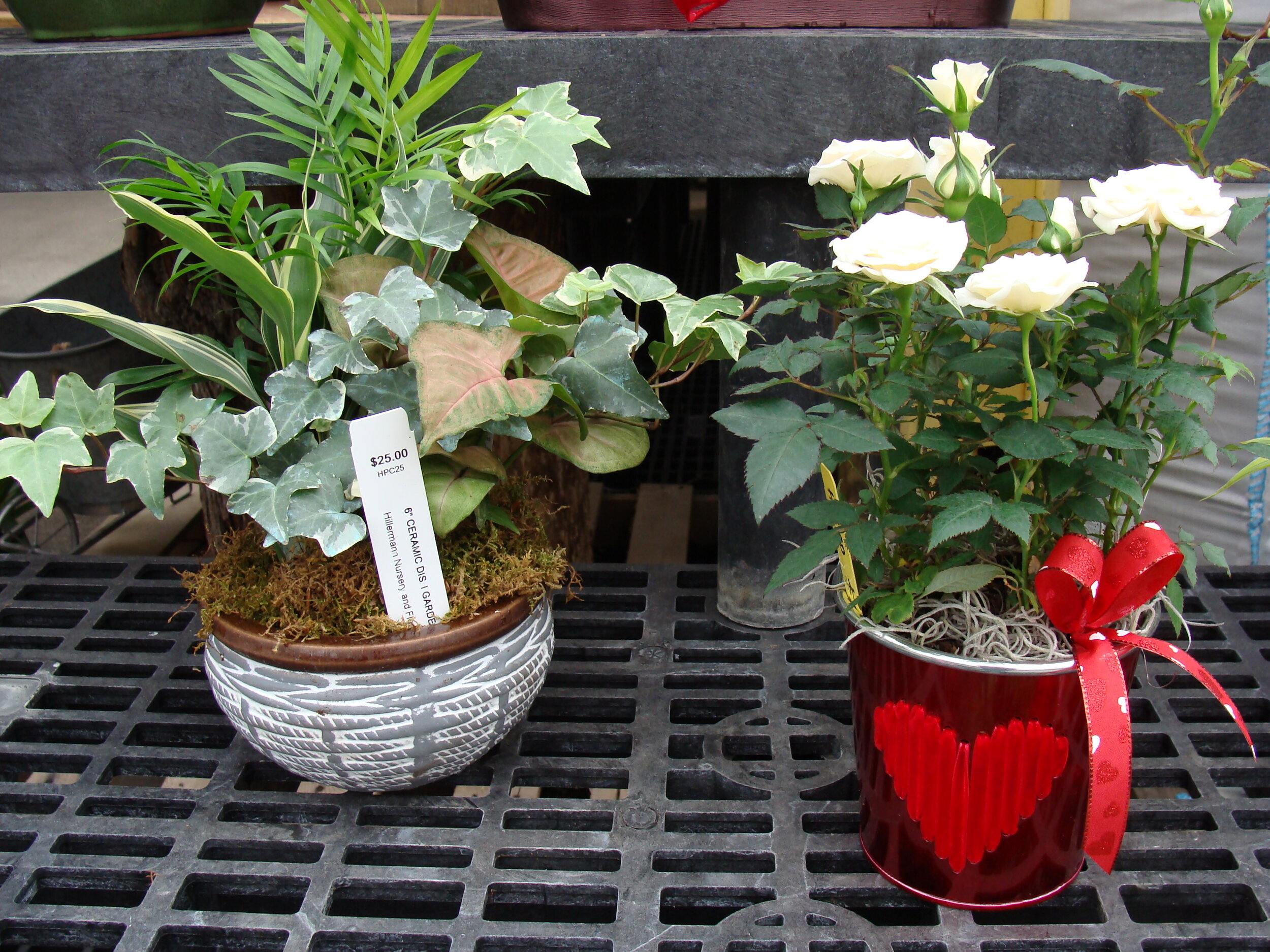
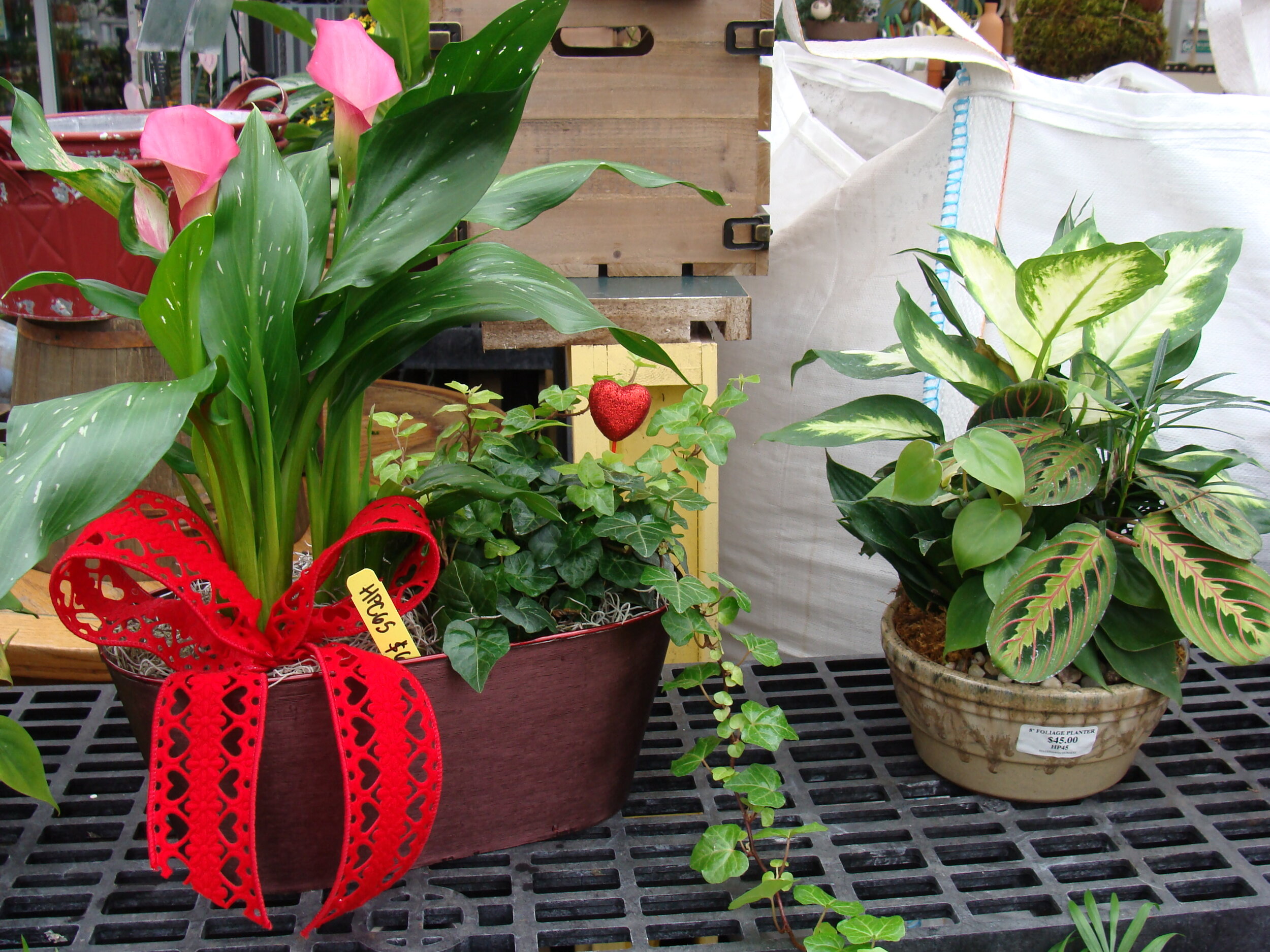
Great Gifts for Valentine's Day!

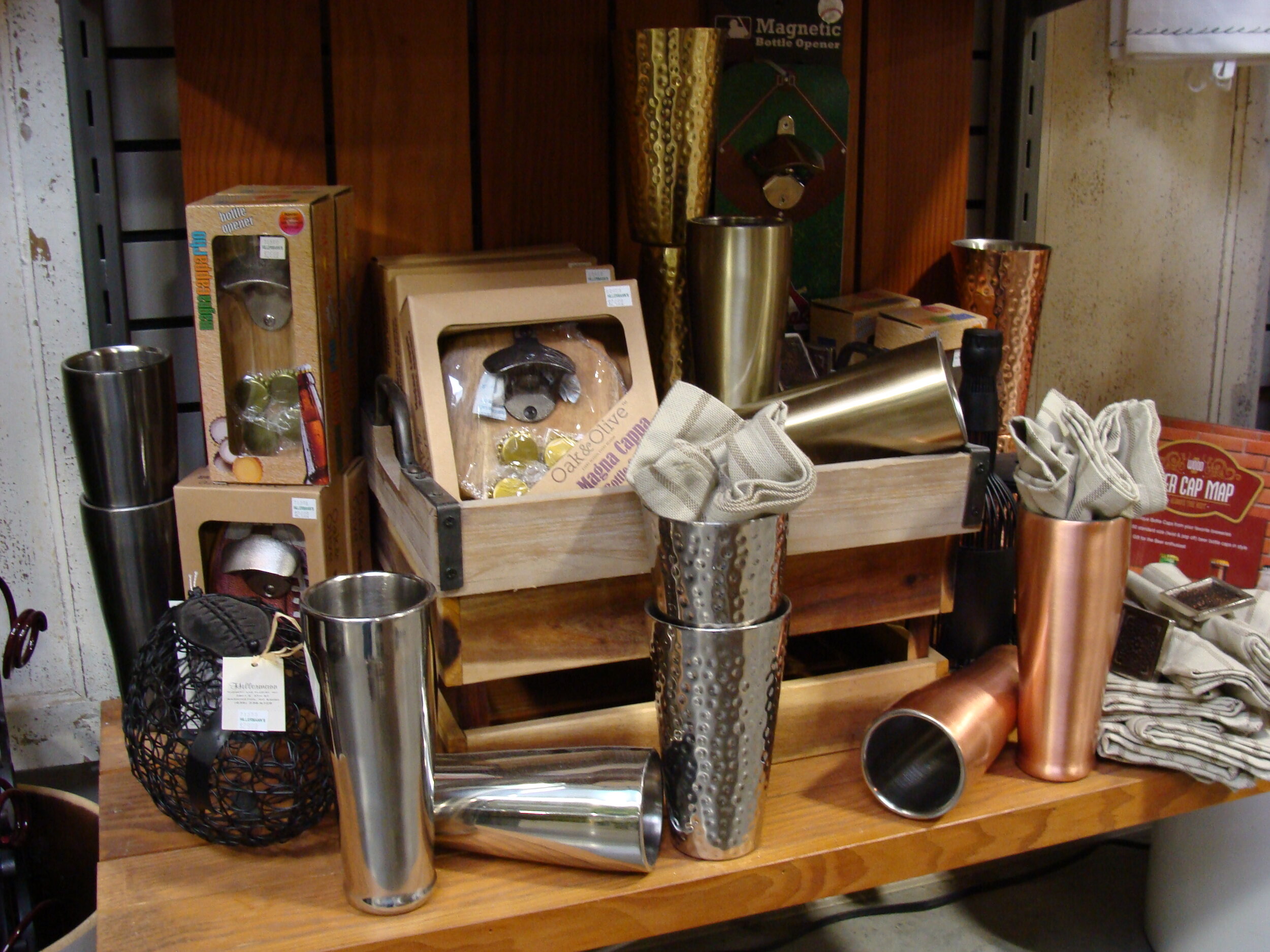
Share your LOVE on Valentine’s Day! Flowers, Plants, Wine and much more! Call us for delivery - or come see what we have in the store! We even have great gifts for the guys! Wine and Beer making supplies, beer growlers, outdoor equipment and more! Come visit us and see!

Houseplant of the Week 2/4/20 - Tillandsia

Tillandsia_Plants_Various_W.jpg

Tillandsia (Air Plants)

       Tillandsia plants are epiphytes and need no soil because water and nutrients are absorbed through the leaves. The roots are used as anchors only. They are sensitive to frost and are used as an indoor plant in our area. Reproduction is by seeds or by offsets called "pups". A single plant could have up to a dozen pups. Tillandsias love bright, indirect sunlight. Some Tillandsia will bloom on a regular basis. In addition, it is quite common for some species to take on a different leaf color (usually changing from green to red) when about to flower. This is an indication that the plant is monocarpic (flowers once before dying) but offsets around the flowering plant will continue to thrive.

       If the air is dry where you are growing Tillandsia, you will need (at minimum) to submerge the plant in water for 2-3 hours about every two weeks. Otherwise, you can use a soaking mist once or twice a week (more often in a hot, dry environment; less often in a cool, humid one). In conditions of extreme drying, and consequent moisture loss, Tillandsia cannot get replacement water from their roots like a terrestrial plant, or draw on internal reserves like a succulent. Do not water with distilled or softened water because of the salt content. Filtered water, tap water that has sat long enough for the chlorine to dissipate, or bottled water is fine. Pond water, aquarium, or rainwater is preferred if possible.

       Tillandsia make great terrarium and mini garden plant choices. They are fun to grow in areas that plants needing soil cannot be grown. They are also a fun plant for children to grow.


- - - - - - - - - - - - - - - - - - - - - - - - - - - - - - - - - - - - - - - - - - - - - - - - - - - - - - - - - - -

20% OFF
Tillandsia Plants

Good through 2/11/20. Not good with any other sale, coupon or discount or on previous purchases. Print this page or mention offer at checkout counter.
Code: 004

- - - - - - - - - - - - - - - - - - - - - - - - - - - - - - - - - - - - - - - - - - - - - - - - - - - - - - - - - - -

Bird of the Week - 2/4/20

Bird_Downy_Woodpecker_Branch_w.jpg

Downy Woodpecker

Basics: This bird can be identified by its white back, black nape, and black wings with white spotting. Another amusement on this species is its quick moves up and down the tree trunks.

Housing: Mount your wooden birdhouse to the trunks of mature trees. There should be about a 1¼" inch hole for your woodpeckers to enter/exit.

Food: You can get pretty close to these birds as they feed, due to their being quite brave. Add a Suet feeder, and Suet to get a close up view of these beauties feeding near your home! Suet is a great food source for all woodpecker species in our area.

How to attract: Downy Woodpeckers are attracted to places where food is abundant.

Fact: This is the smallest Woodpecker in North America.

Tip: Downy woodpeckers look very similar to hairy woodpeckers. However, remember that when distinguishing between the two, downy woodpeckers are smaller, with smaller bills.


- - - - - - - - - - - - - - - - - - - - - - - - - - - - - - - - - - - - - - - - - - - - - - - - - - - - - - - - - - - - - - -
Bird of the Week Special:

 High Energy Suit

Regular $1.19, SKU: 00501

Sale: 79¢

Good through 2/11/20. Not good with any other sale, coupon or discount or on previous purchases.
Print this page or mention offer at the checkout counter.

Code: 004

- - - - - - - - - - - - - - - - - - - - - - - - - - - - - - - - - - - - - - - - - - - - - - - - - - - - - - - - - - - - - - -

Bird of the Week - 1/28/20

Bird-BlueJay-Branch-W.jpg

Blue Jay

Basics: This bird is easily recognized by it’s perky crest and blue, white, and black plumage, as well as it’s noisy calls. The Blue Jay is a very aggressive bird at the feeders, because of its size and character. Even though some people do not like to attract Blue Jays, they are a beautiful addition to the winter backyard.

Housing: Open flat platform nesting is necessary, as in their natural habit they are attracted to flat spaces on tree branches.

Food: Offer a variety of food, to attract the maximum amount of Blue Jays to your area. Peanuts, black and striped sunflower seeds, elder berries, cherries, dogwood and acorns are Blue Jay favorites! Since the blue jay's bill is powerful and all purpose, it can handle peanuts either in the shell or out. Suet is also something that attracts jays.

 How to attract: Install a bird bath, put out a variety of seeds, berries, and suet, as well as maintaining flat platform areas around your yard.

Fact: Dinnertime is all the time for birds. Birds have a high body temperature and a high rate of metabolism, and digest their food rapidly. Each day they have to eat a lot to store energy and body fat.

Tip: Use baffles or put up temporary covers to keep the feeders from becoming clogged with ice and snow.

- - - - - - - - - - - - - - - - - - - - - - - - - - - - - - - - - - - - - - - - - - - - - - - - - - - - - - - - - - - - - - -

20% OFF
Platform Bird Feeders

Good through 2/4/20. Not good with any other sale, coupon or discount or on previous purchases.
Print this coupon or mention offer at the checkout counter.
Code: 004

- - - - - - - - - - - - - - - - - - - - - - - - - - - - - - - - - - - - - - - - - - - - - - - - - - - - - - - - - - - - - - -

Houseplant of the Week - 1/28/20

Croton_Plant_9-18.jpg

Croton Plants

Croton plants (Codiaeum variegatum) are incredibly varied plants that are often grown as houseplants. The croton plant is often grown outdoors in tropical climates, but also make excellent houseplants. Crotons come in a wide variety of leaf shapes and colors. Leaves can be short, long, twisted, thin, thick and several of these combined. They are noted for their bold, often strikingly colorful foliage. Glossy, leathery, smoothed-edged leaves are in bright colors ranging from yellow, pink, orange, red, bronze, purple and green plus combinations thereof in patterns involving blotching and striping. Foliage color is distinctive, appearing somewhat gaudy at times.

Like many houseplants, caring for a croton involves proper watering and humidity. Because it is a tropical plant, it does benefit from high humidity, so placing it on a pebble tray or regular misting will help keep it looking its best. Croton growing in containers should be watered only when the top of the soil is dry to the touch. Then, they should be watered until the water flows out the bottom of the container. Croton plants need bright light for best leaf color, with some direct sun. They may lose lower leaves if they do not receive enough light. They do not require winter dormancy, but appreciate a resting period with reduced watering from fall to late winter. The plant should also be kept away from drafts and cold, as it cannot tolerate temperatures below 60° F. If it is exposed to temps lower than this, the croton will lose leaves and possibly die.

Use as a tropical accent in containers and border gardens, however, crotons are not hardy in our area. Bring this plant indoors before night temperatures reach 50° F – or use as an annual. Crotons can also be kept indoors year-round, with the best color and overall vigor being achieved with plenty of bright light and even moisture.

- - - - - - - - - - - - - - - - - - - - - - - - - - - - - - - - - - - - - - - - - - - - - - - - - - - - - - - - - - - - - - -

20% OFF
Croton Plants

Good through 2/4/20. Not good with any other sale, coupon or discount or on previous purchases.
Print this coupon or mention this offer at the checkout counter.

Code: 004

- - - - - - - - - - - - - - - - - - - - - - - - - - - - - - - - - - - - - - - - - - - - - - - - - - - - - - - - - - - - - - -