

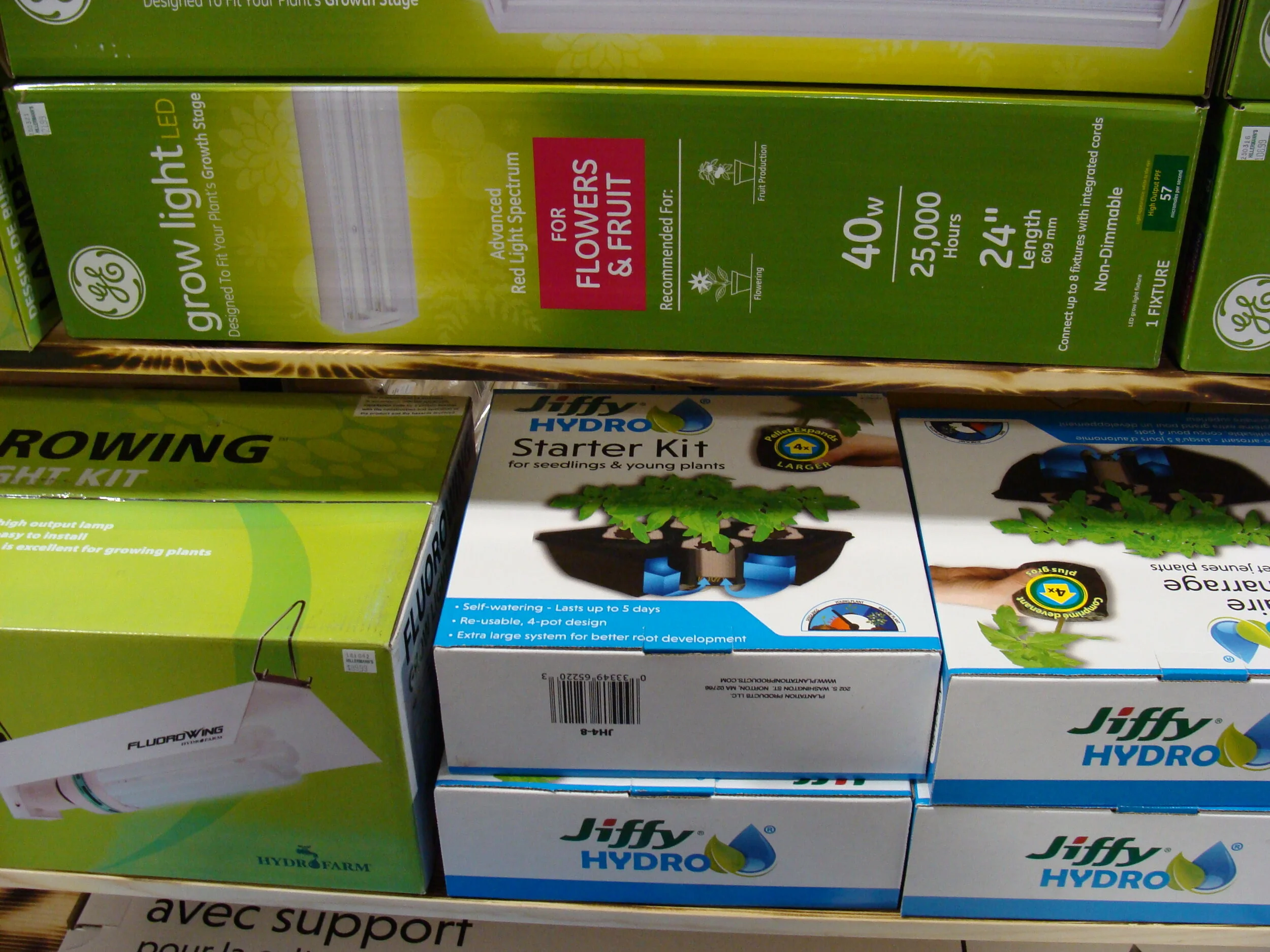
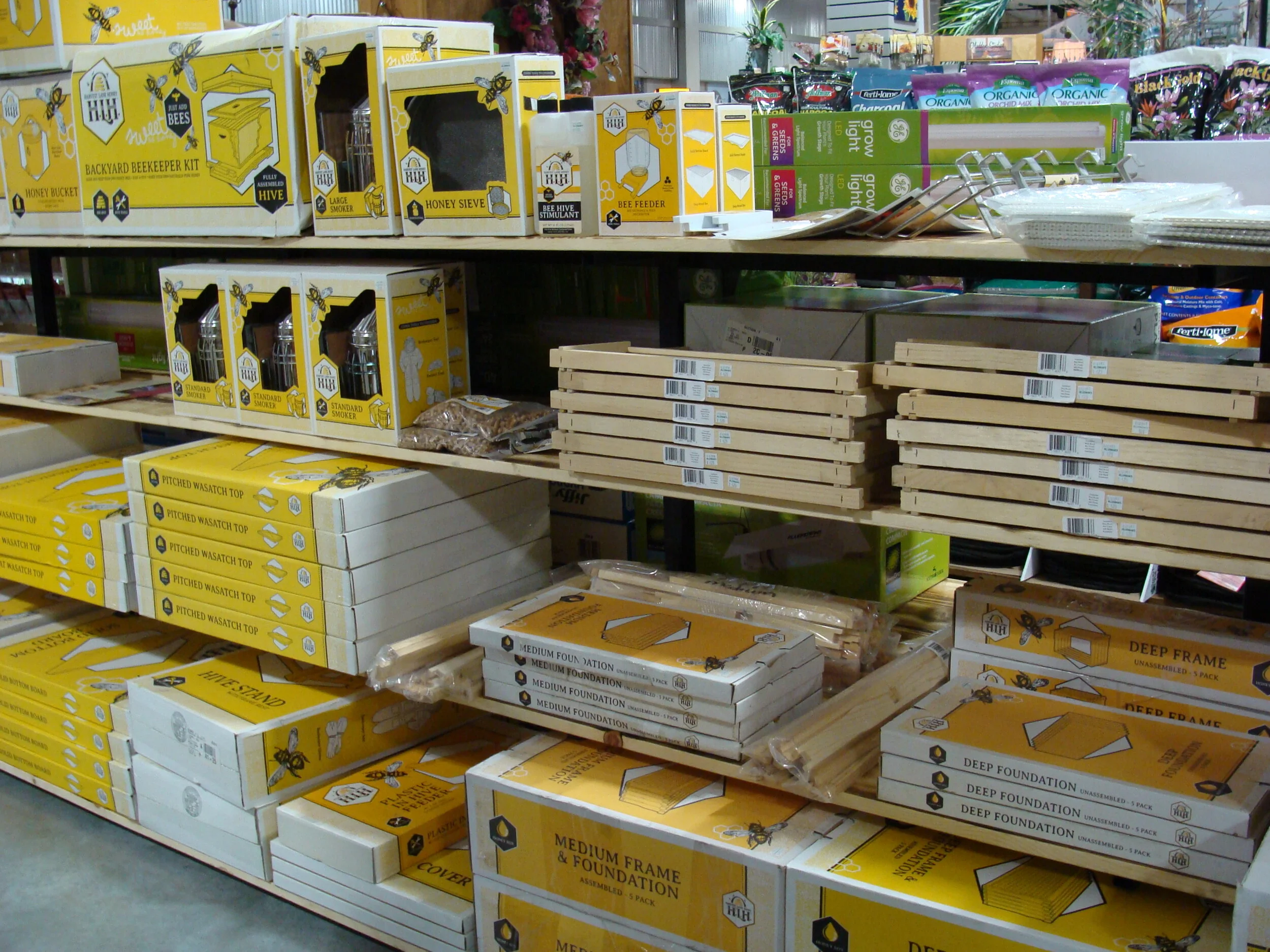
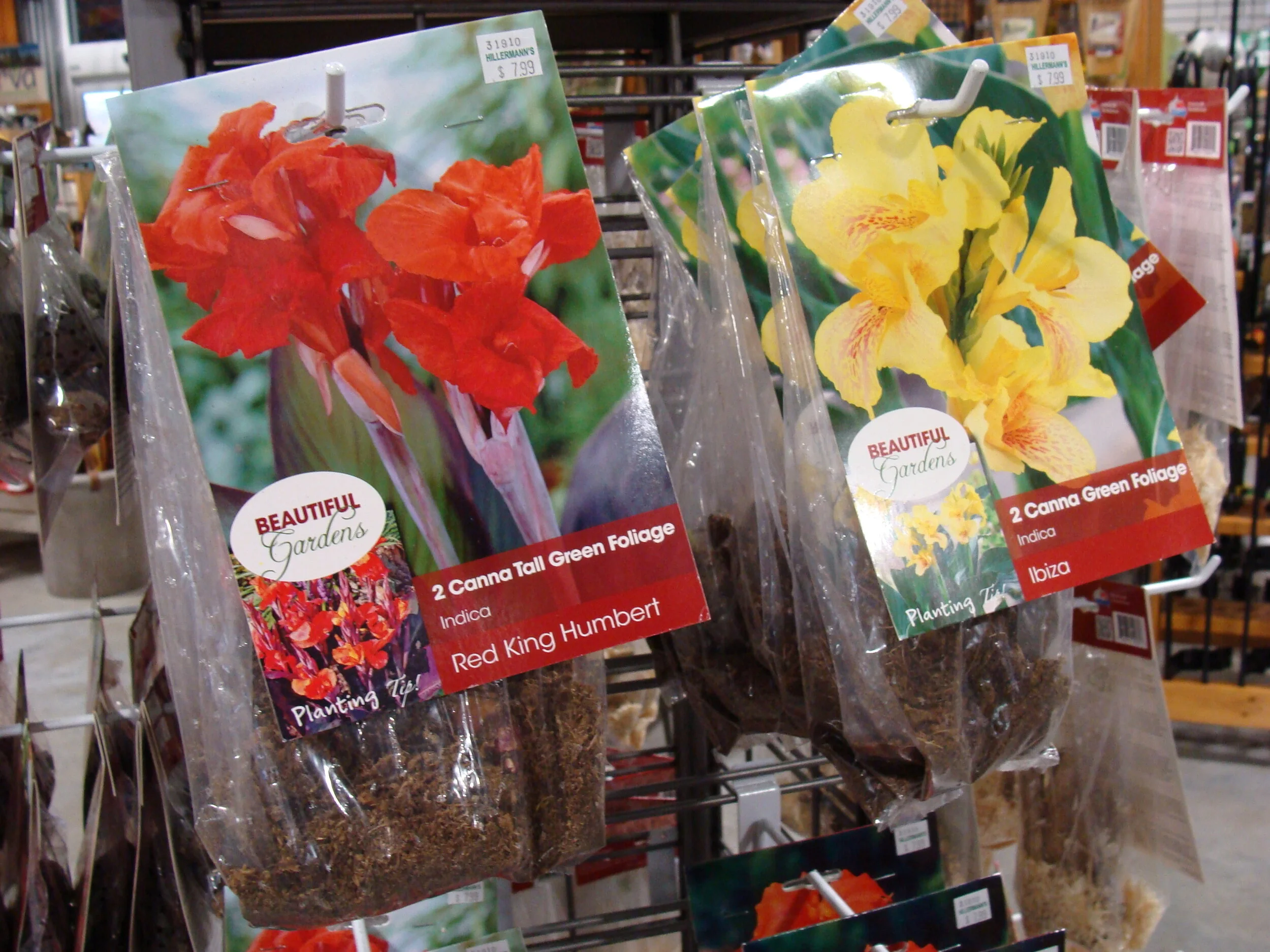
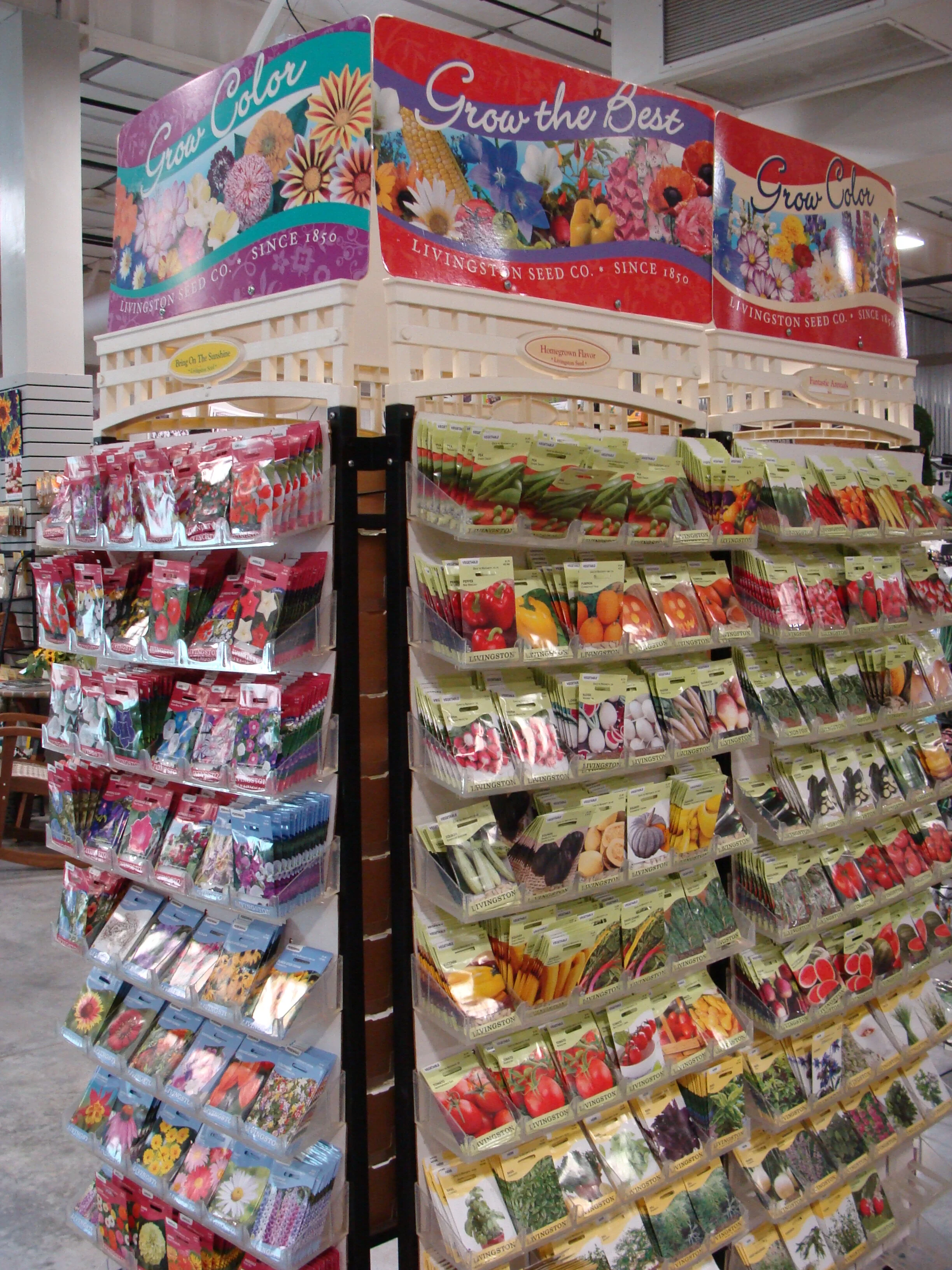
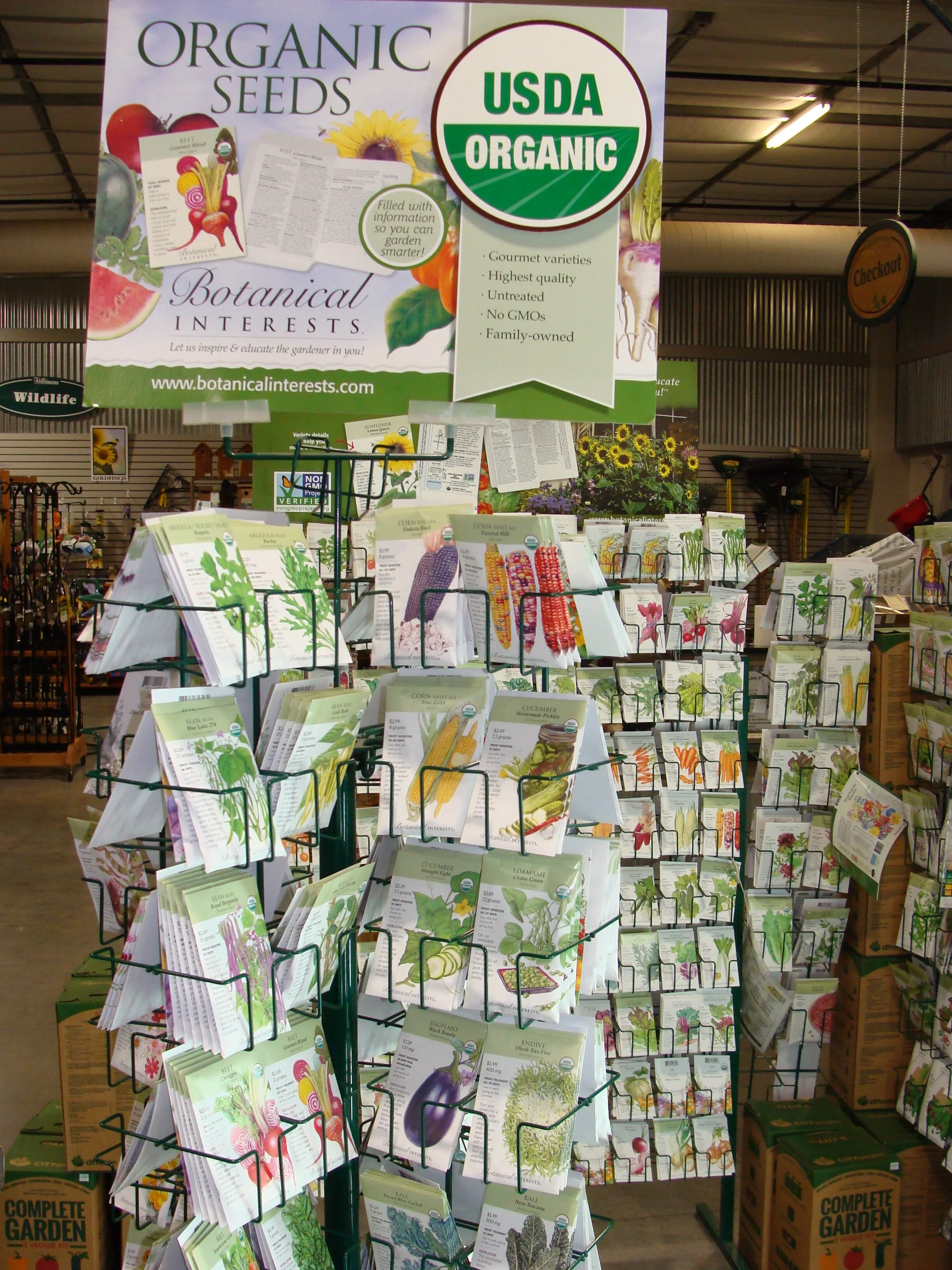
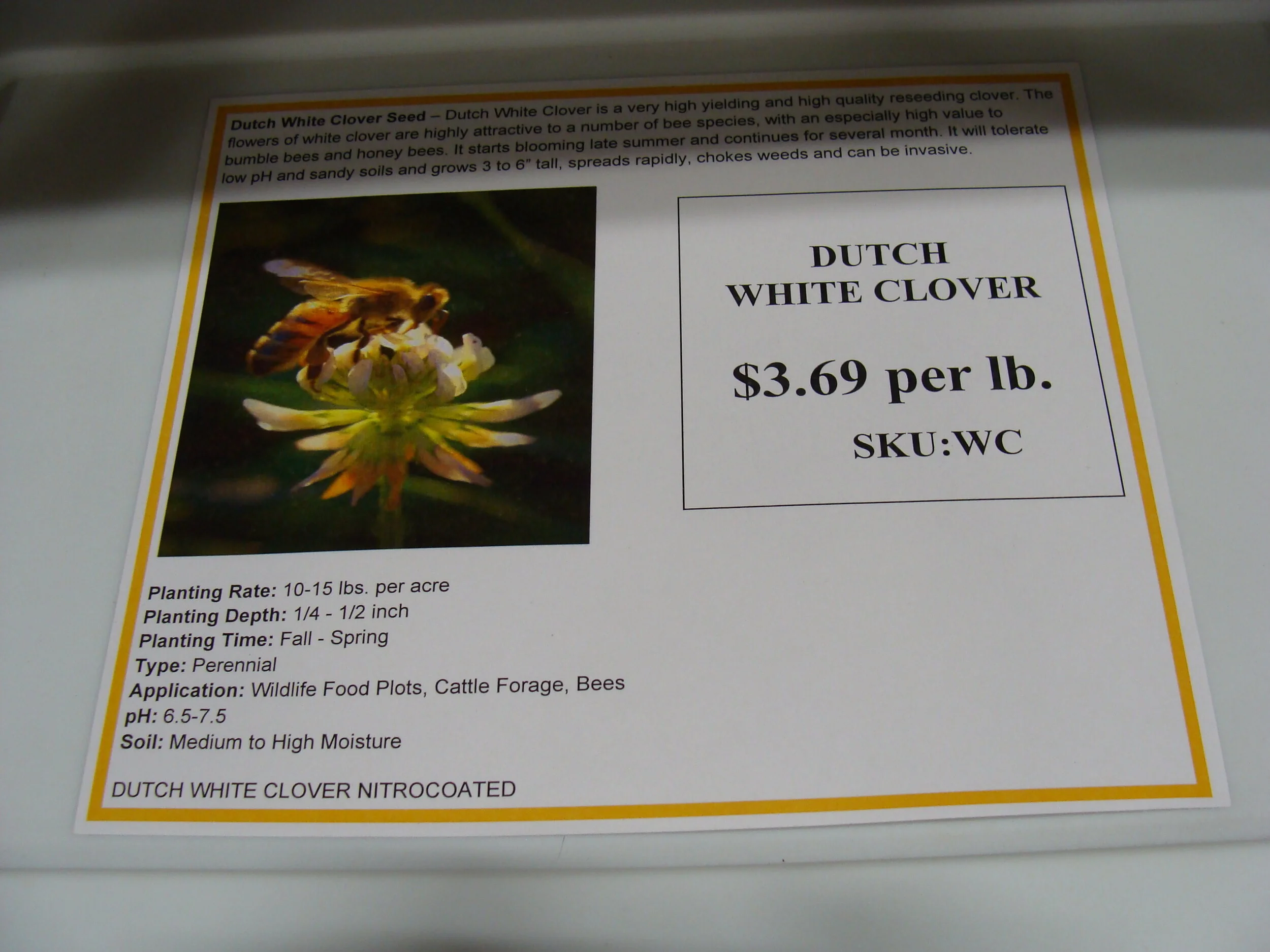
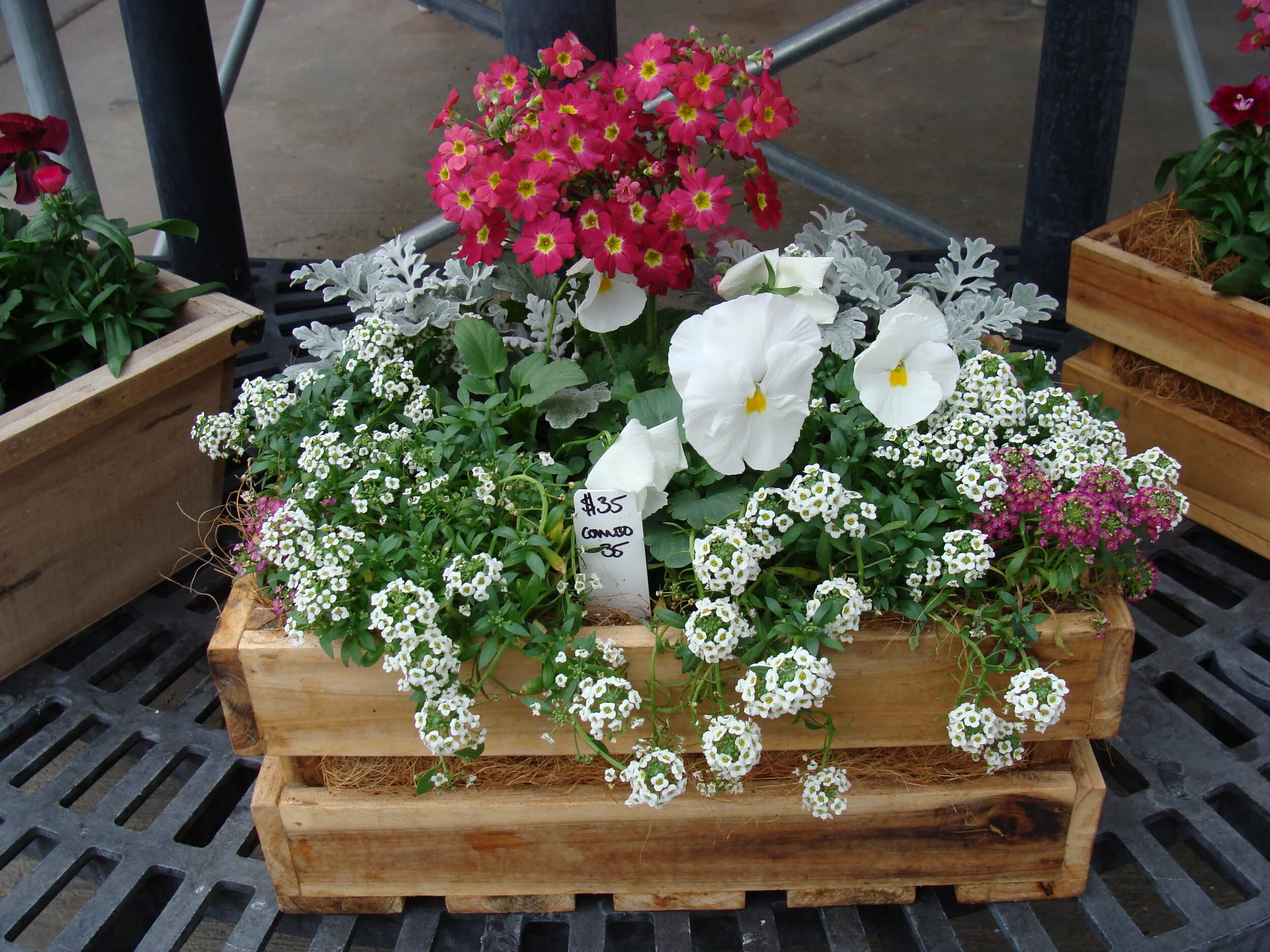
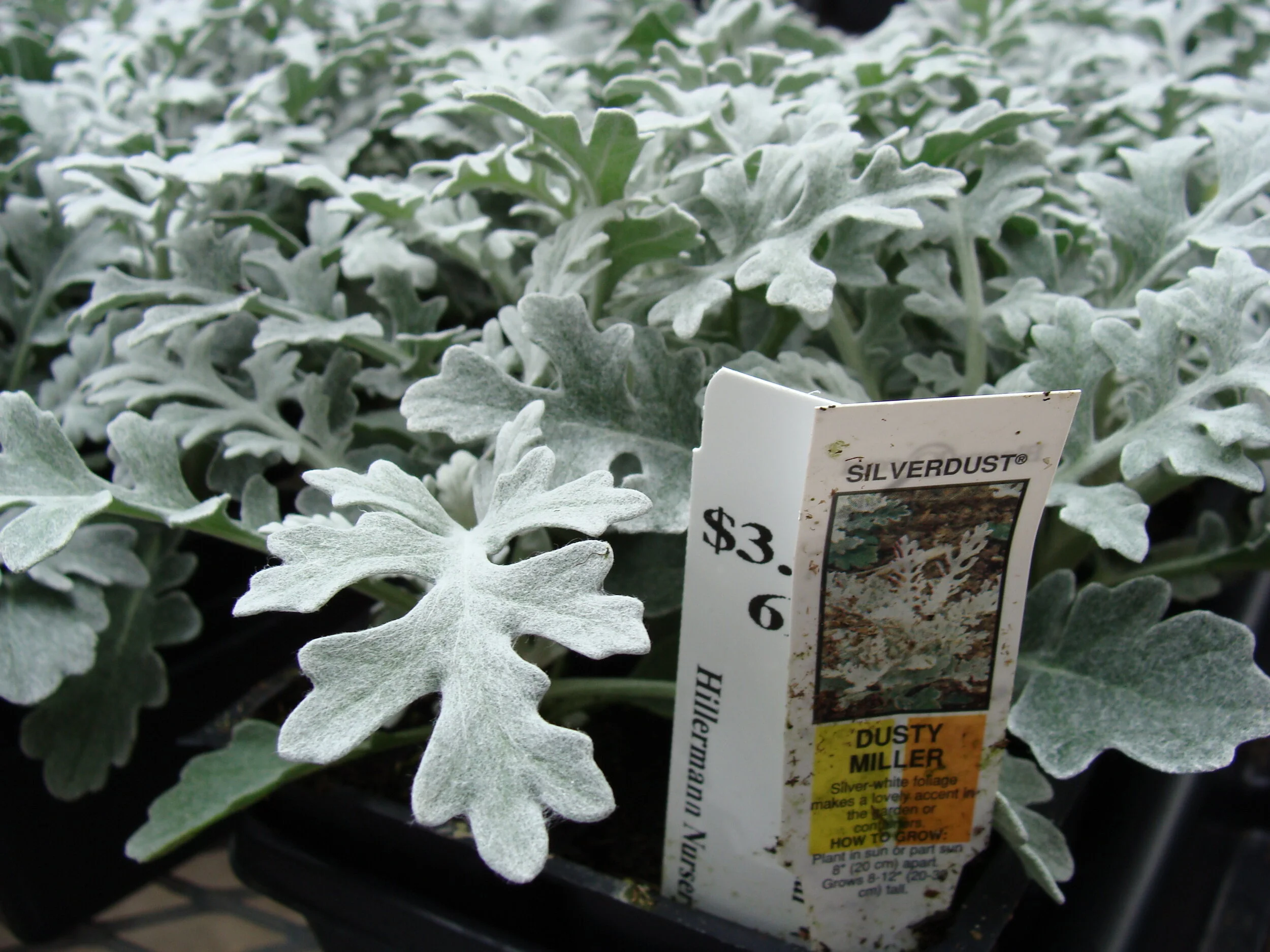
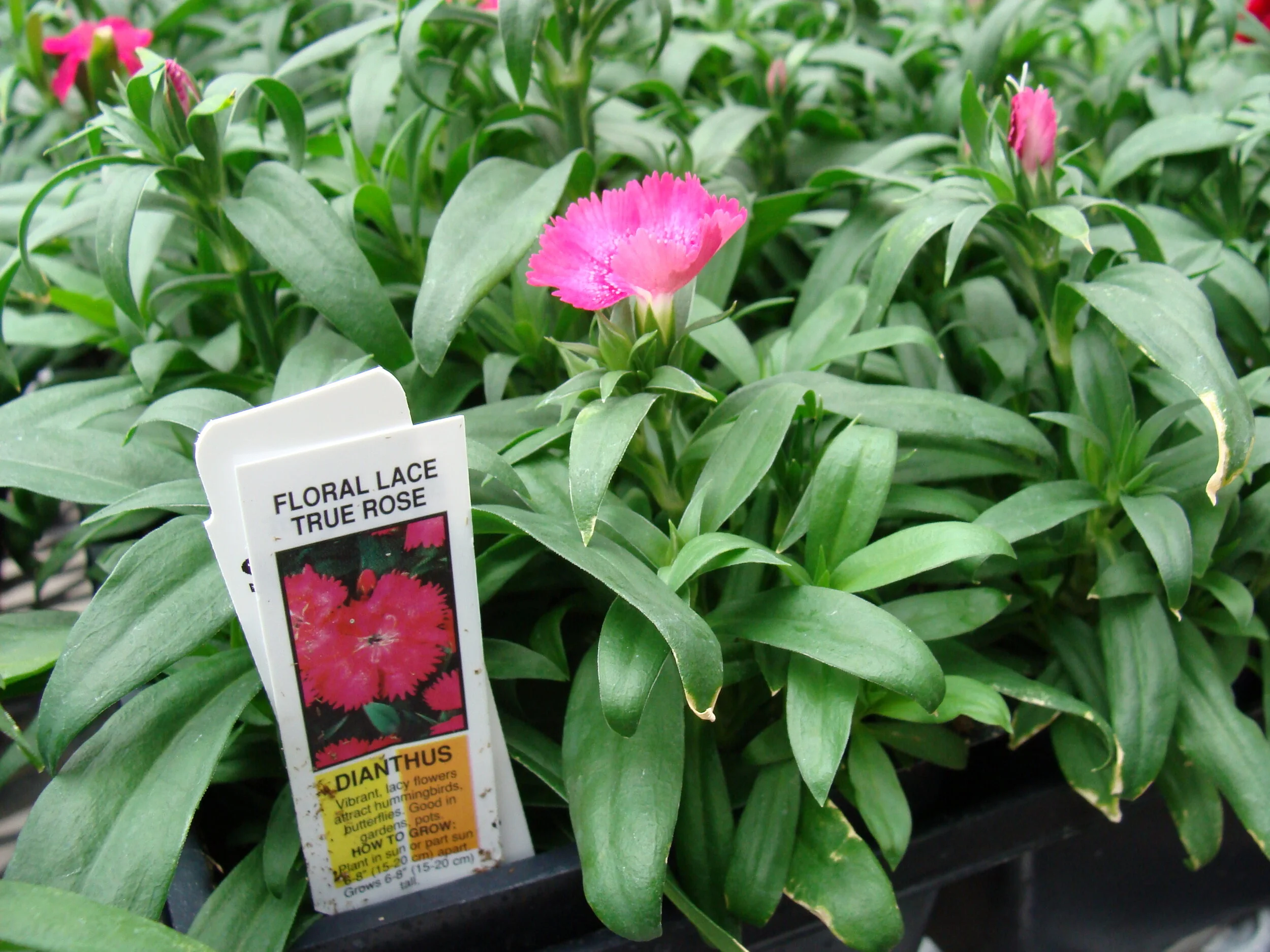
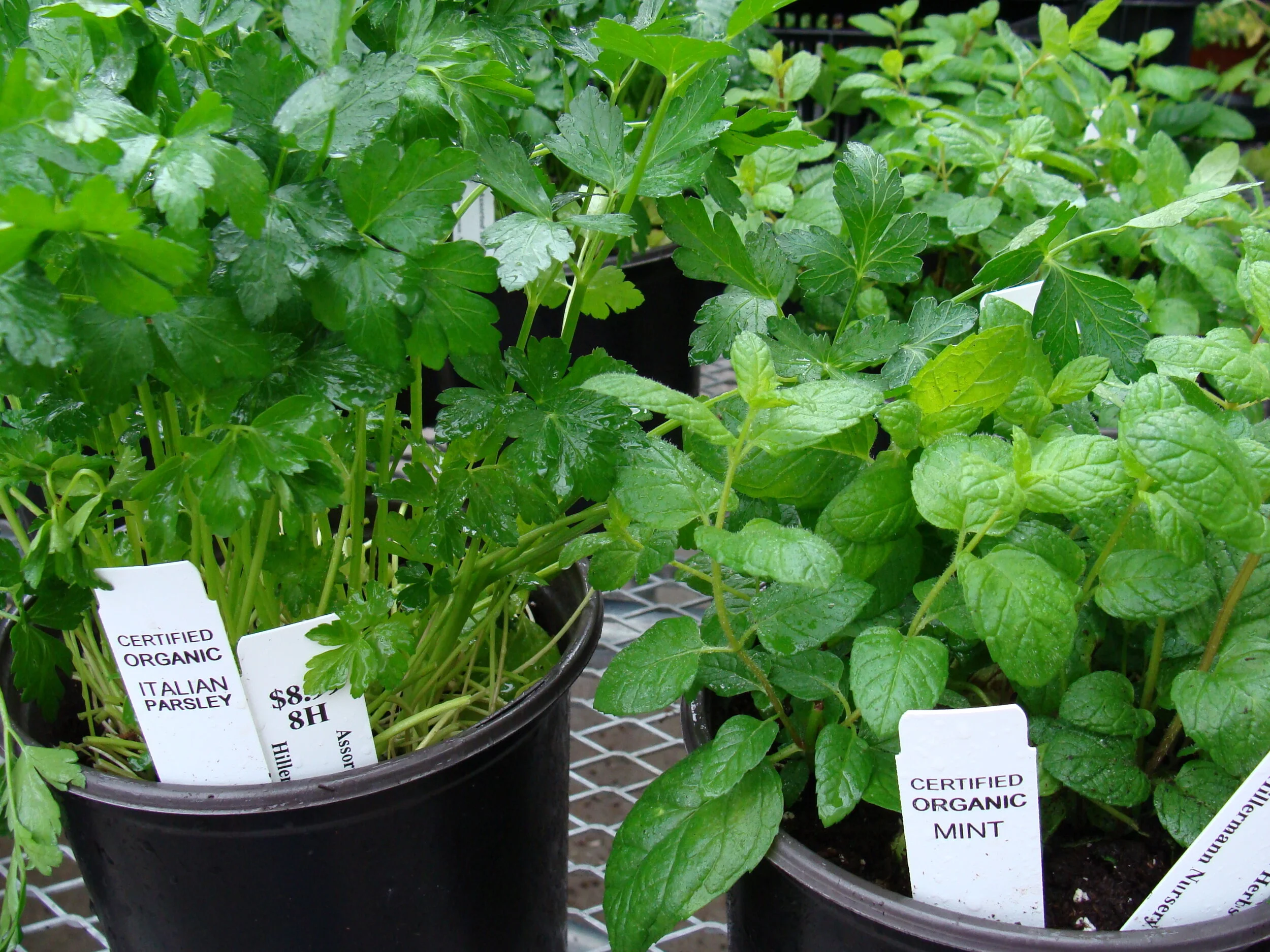
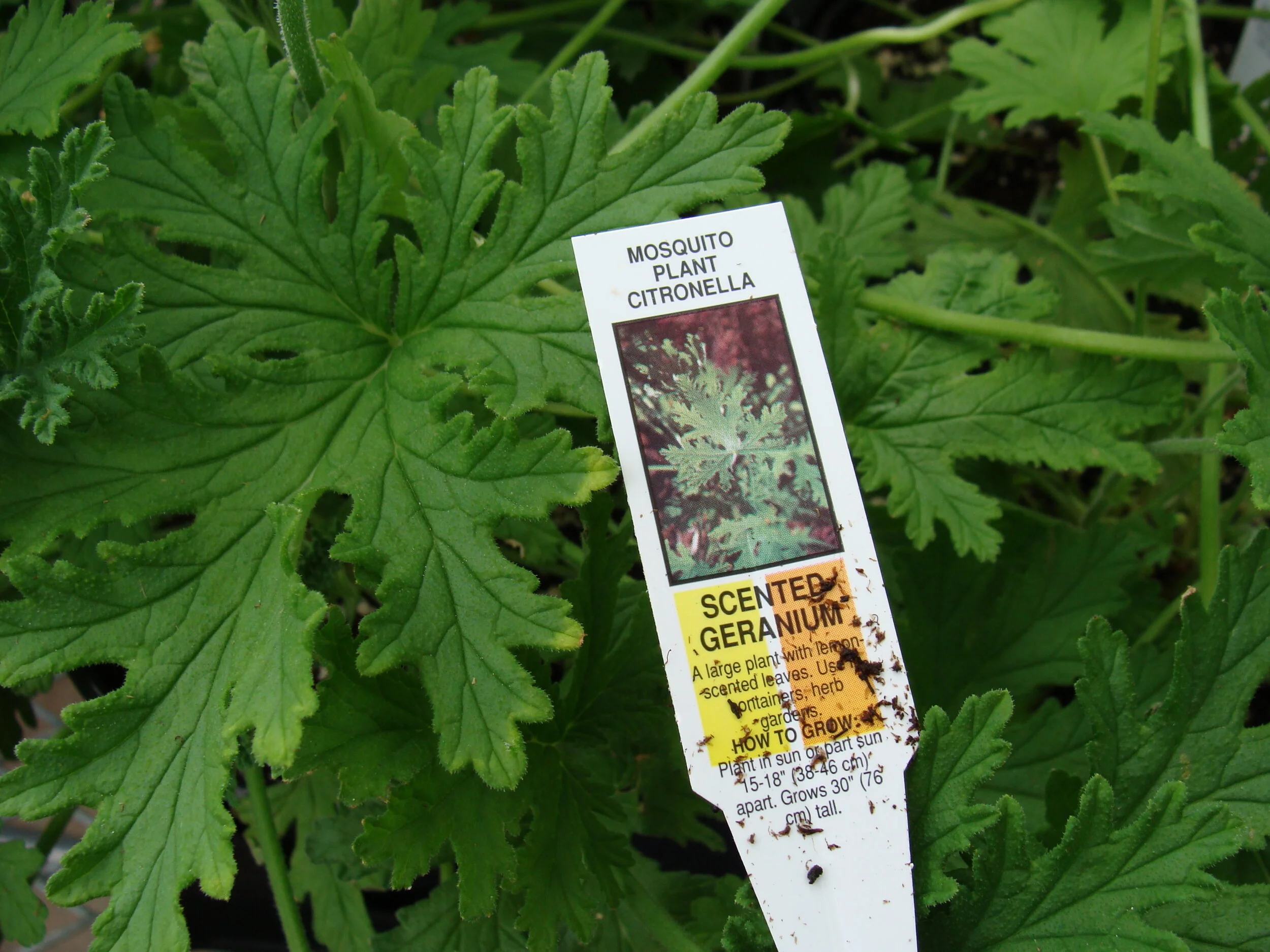
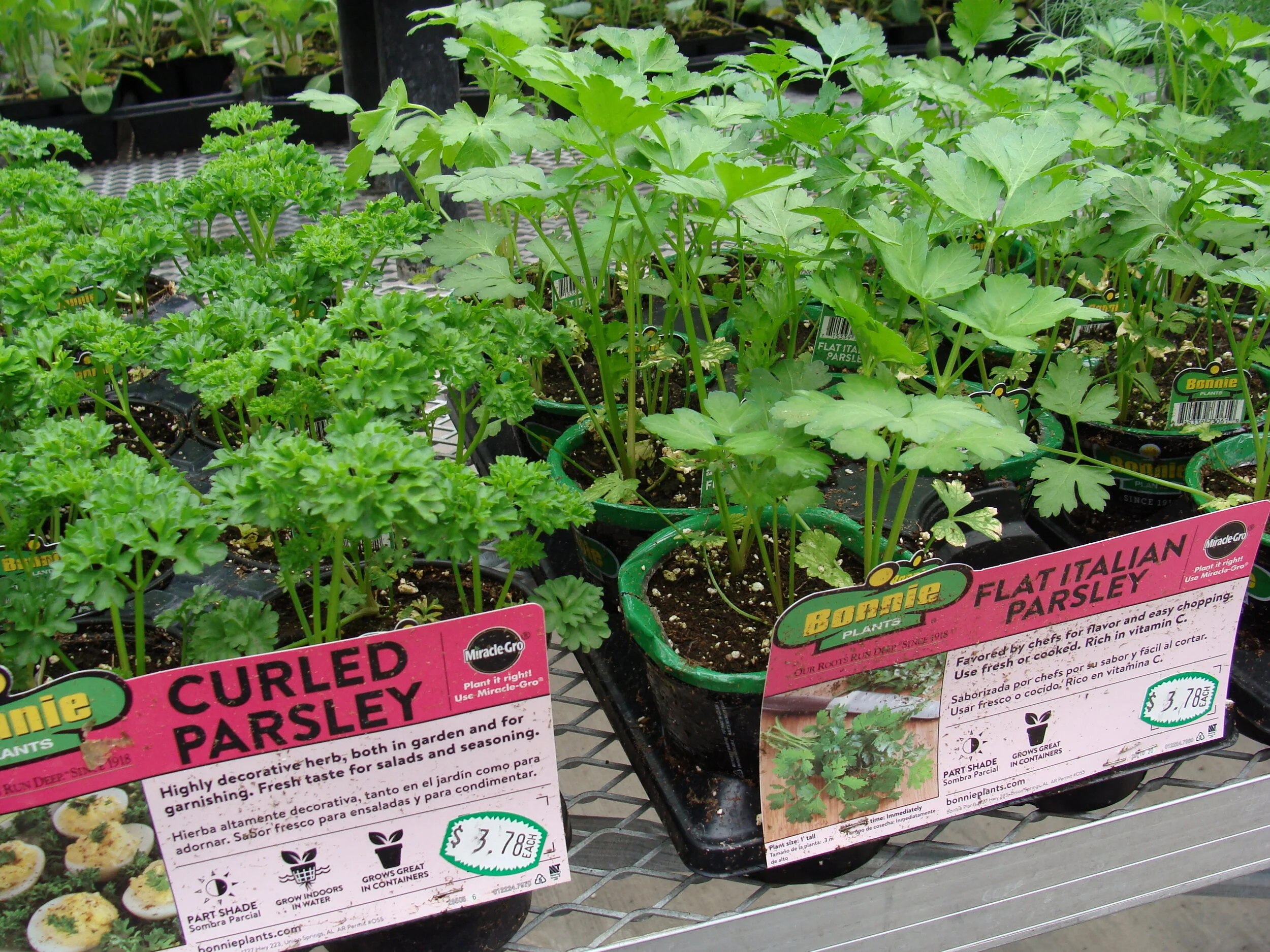
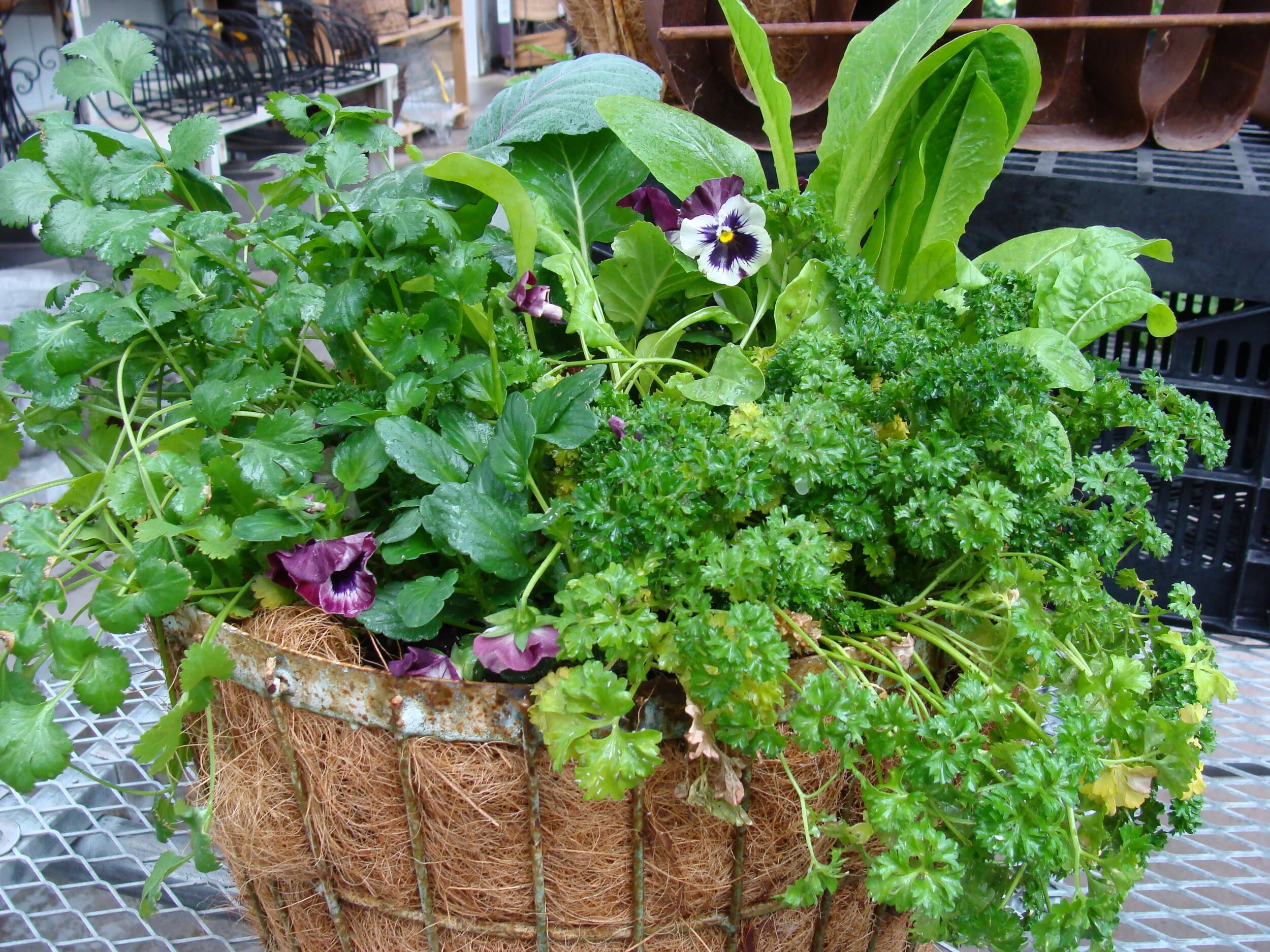
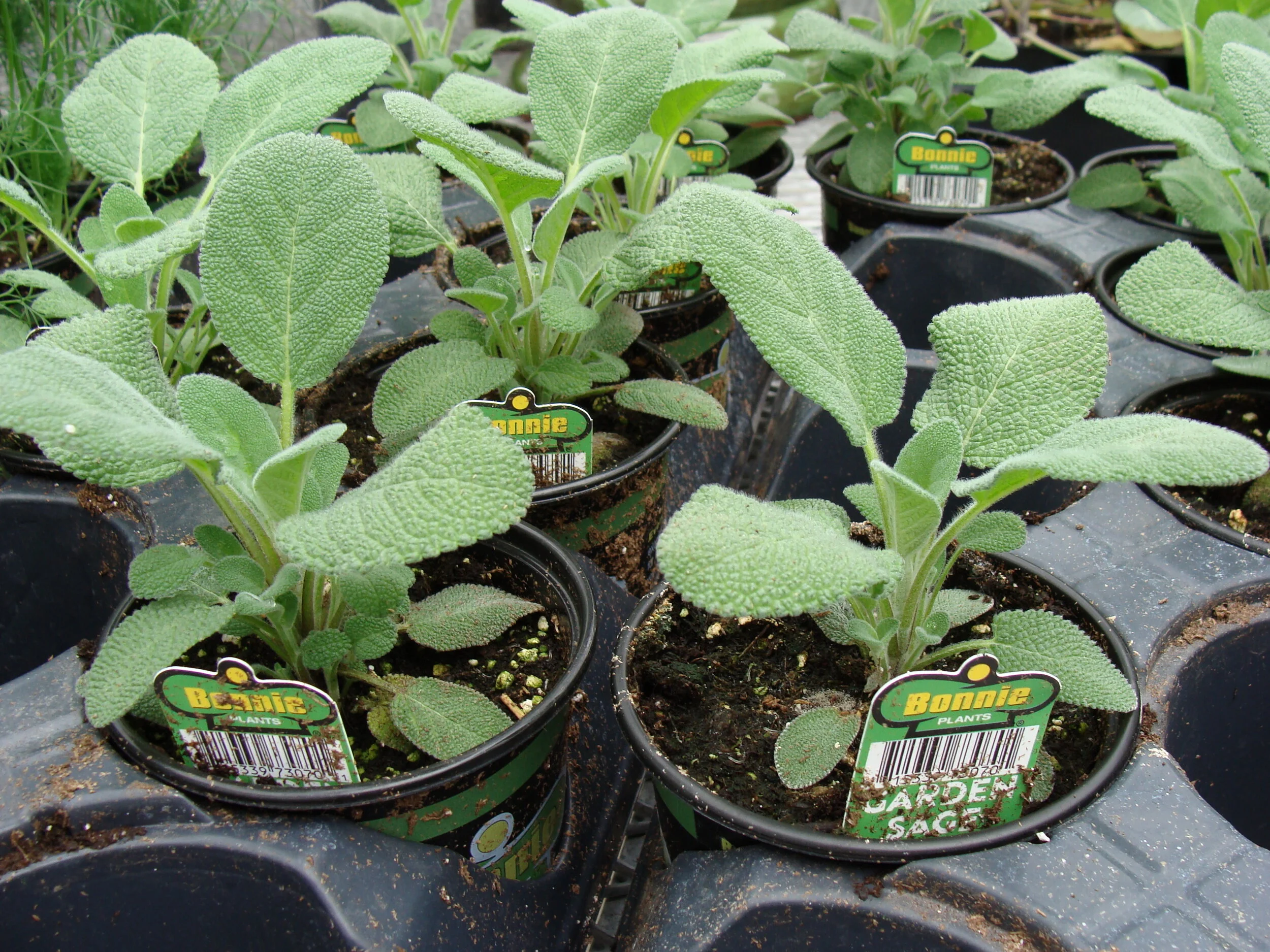
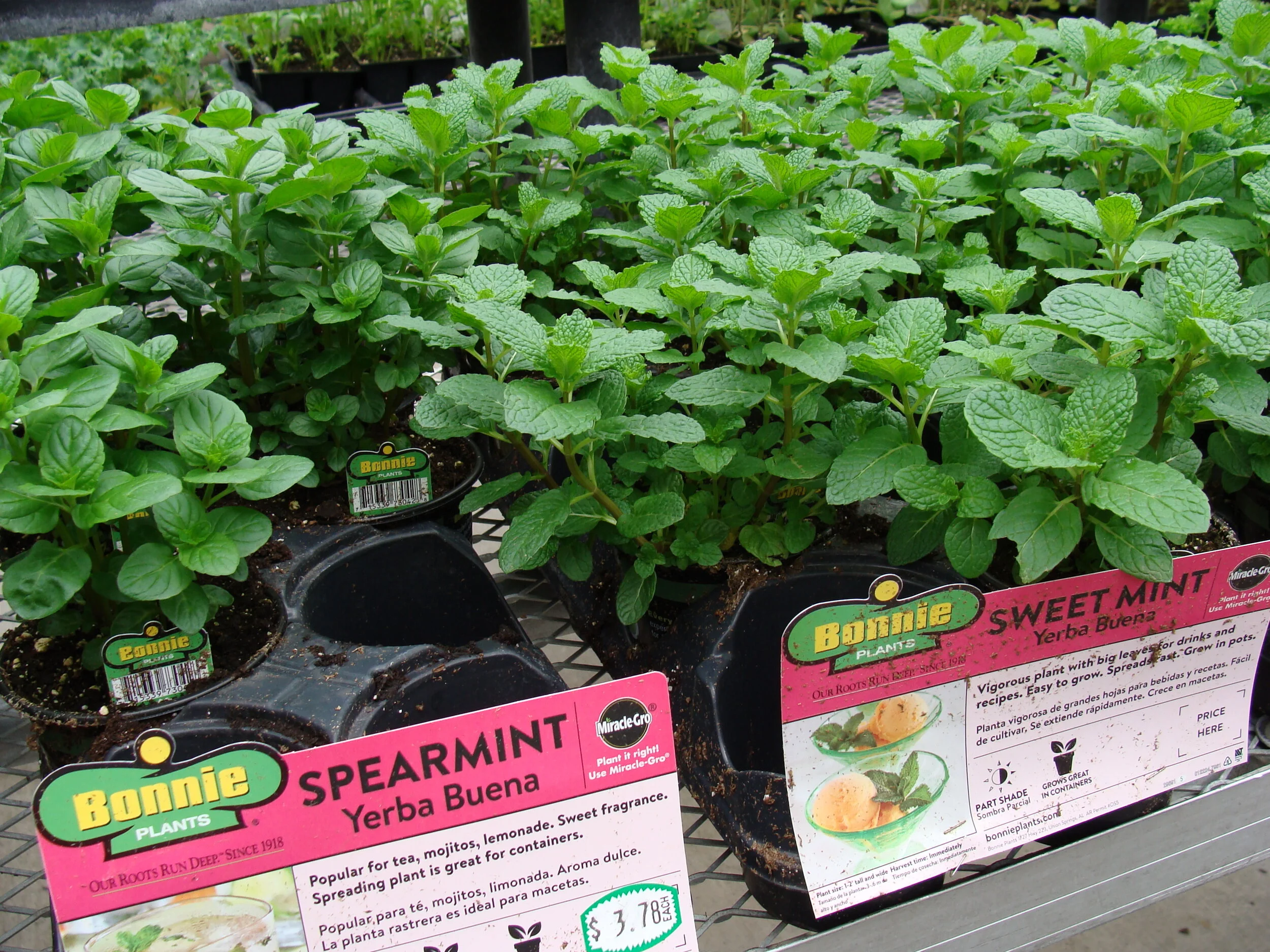
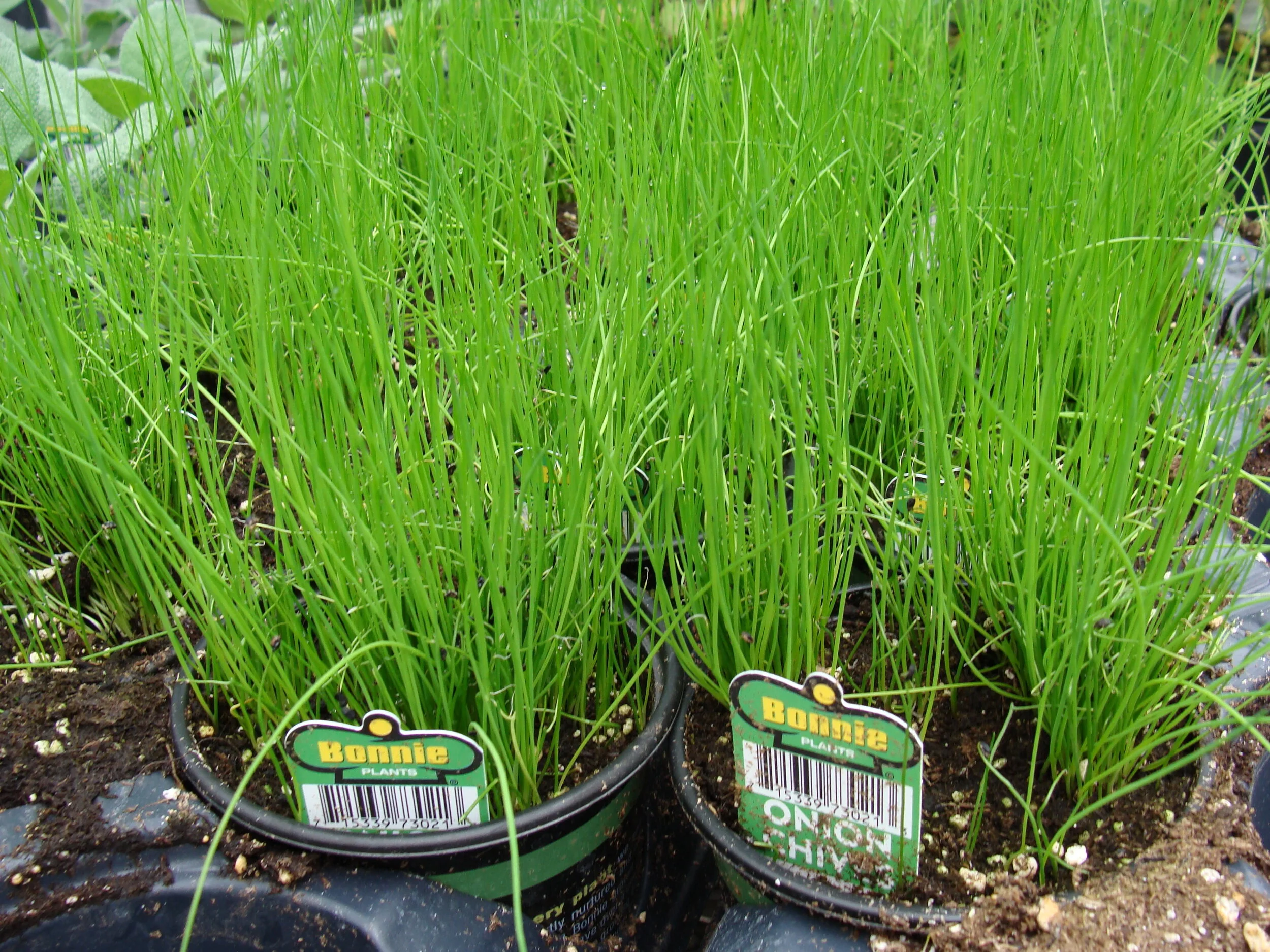
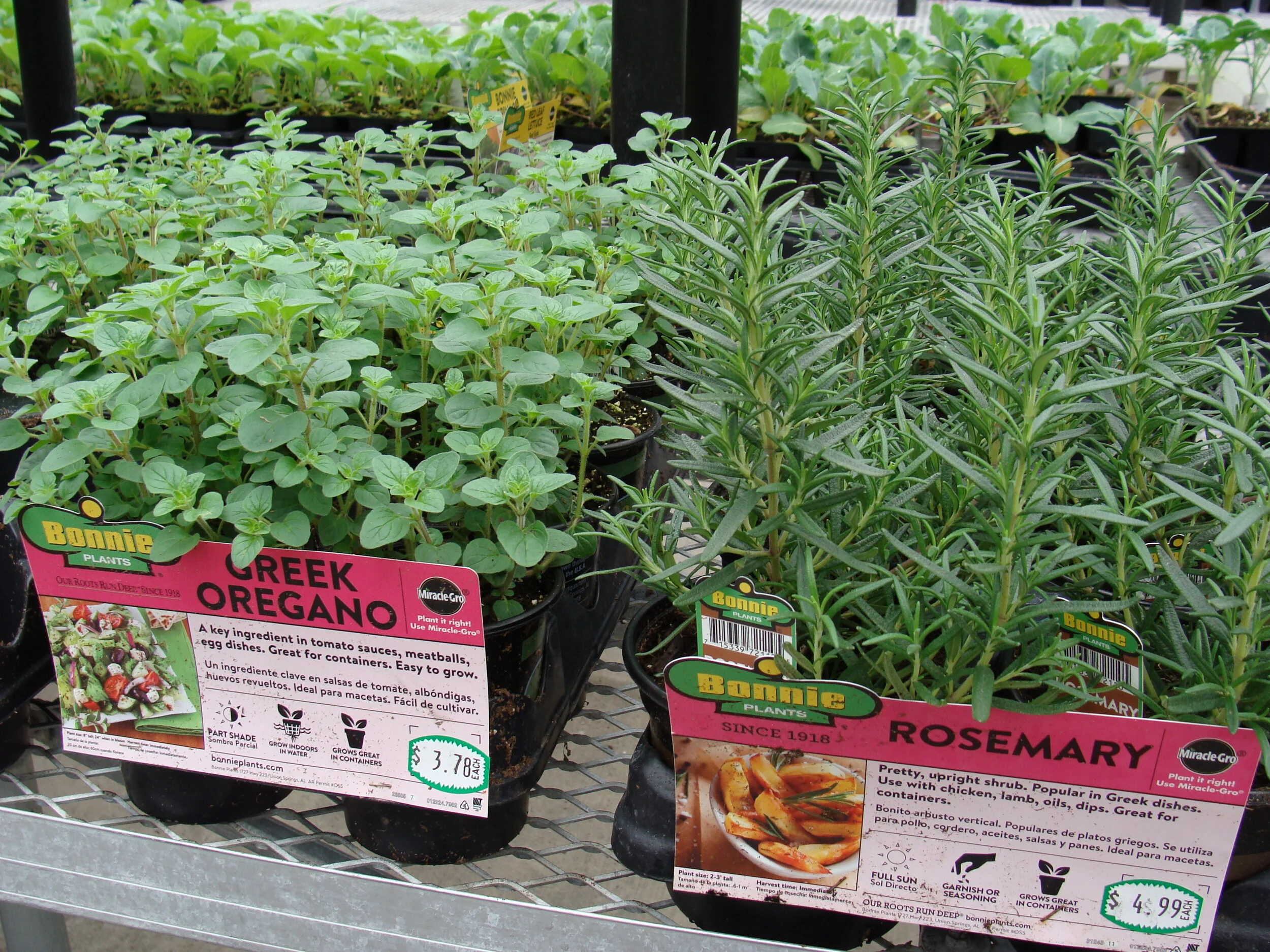
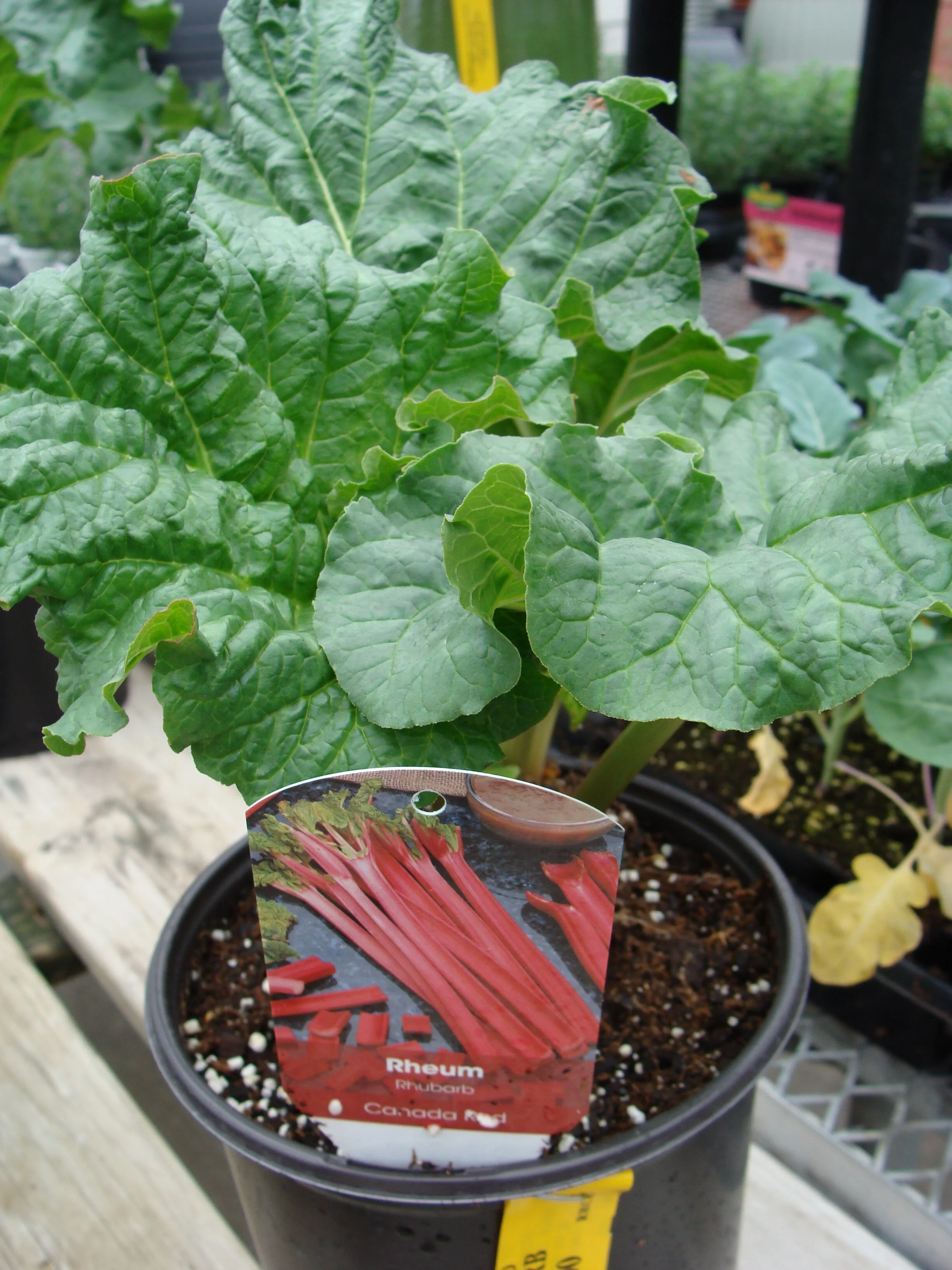
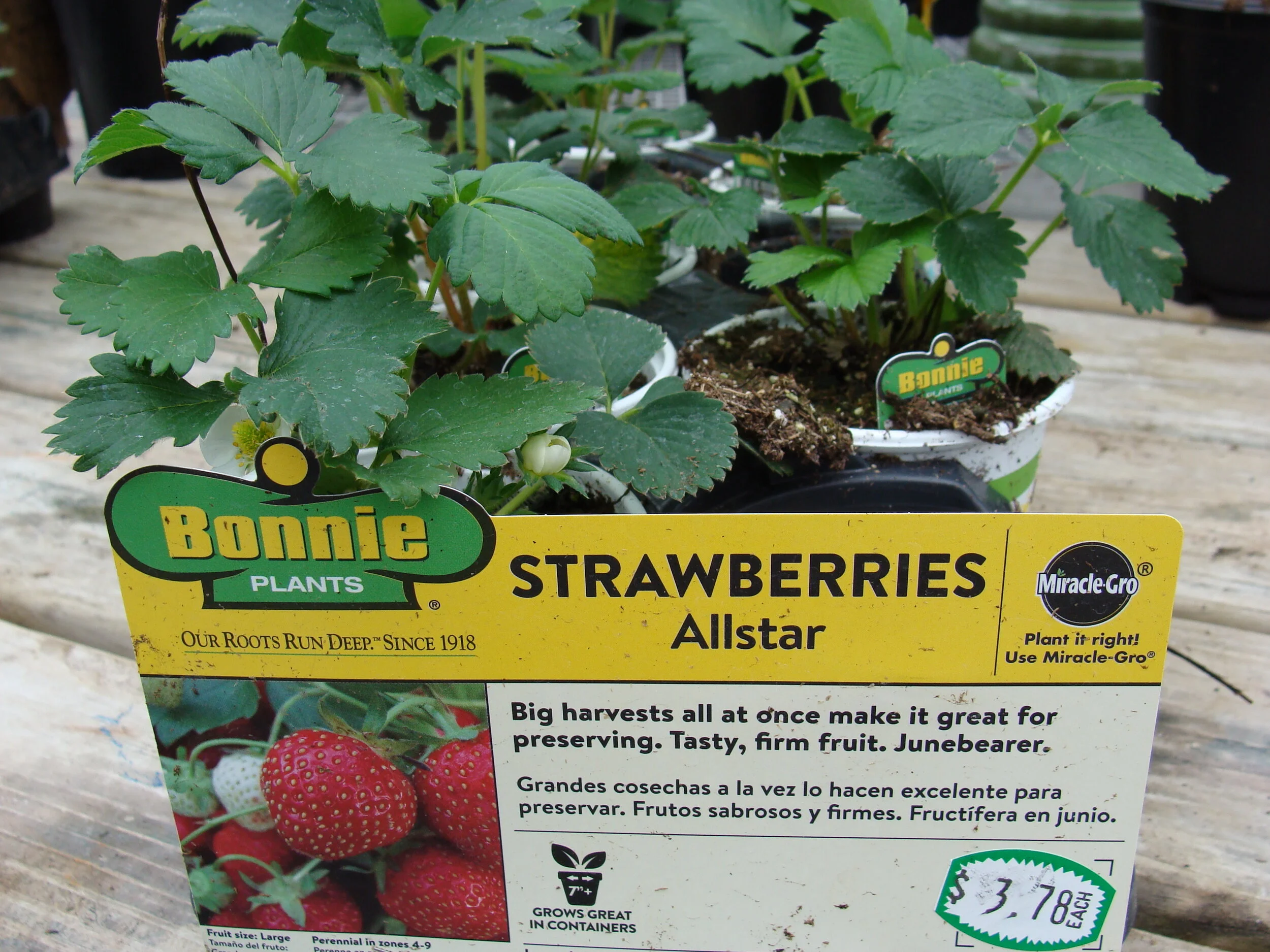
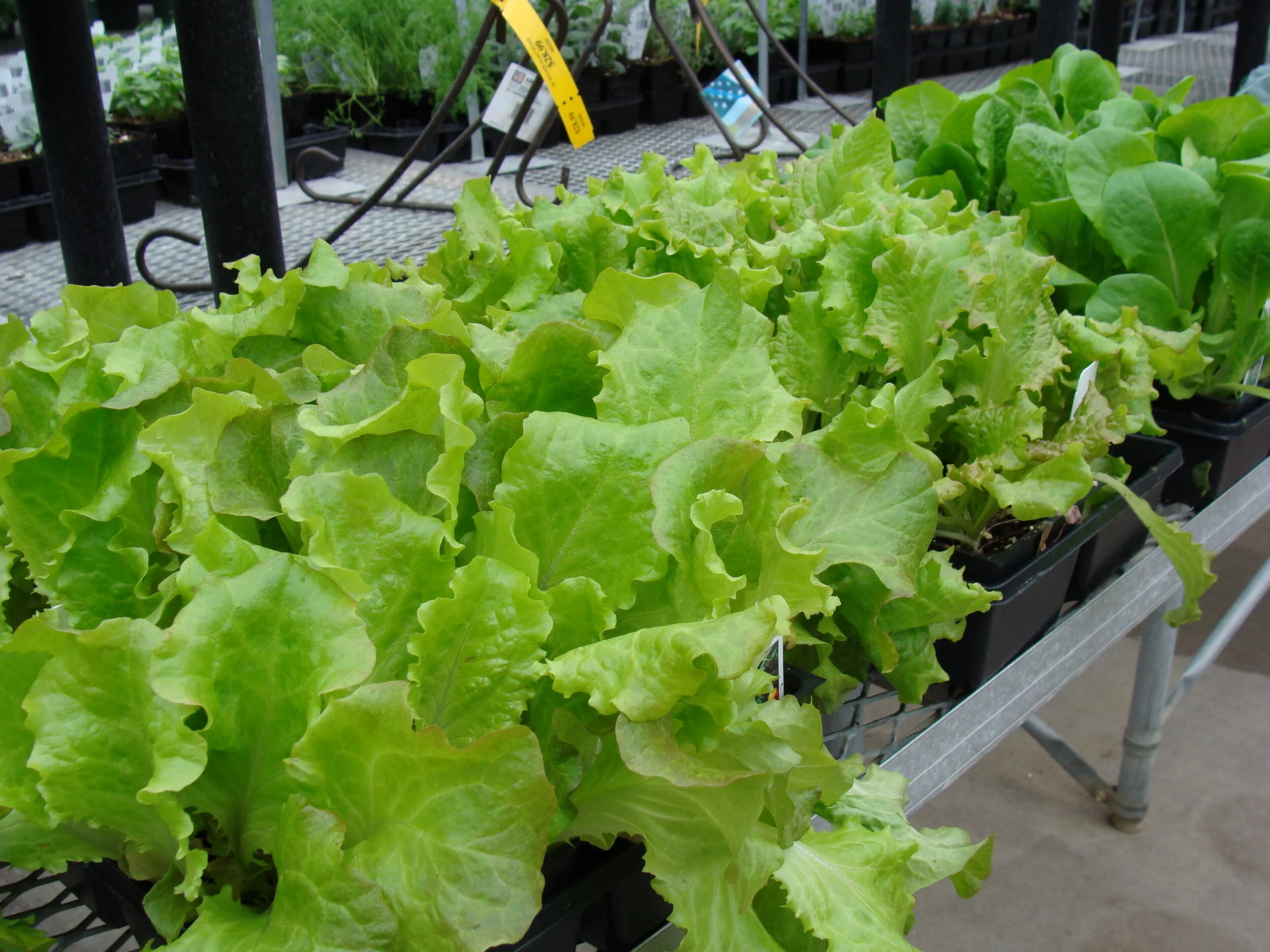
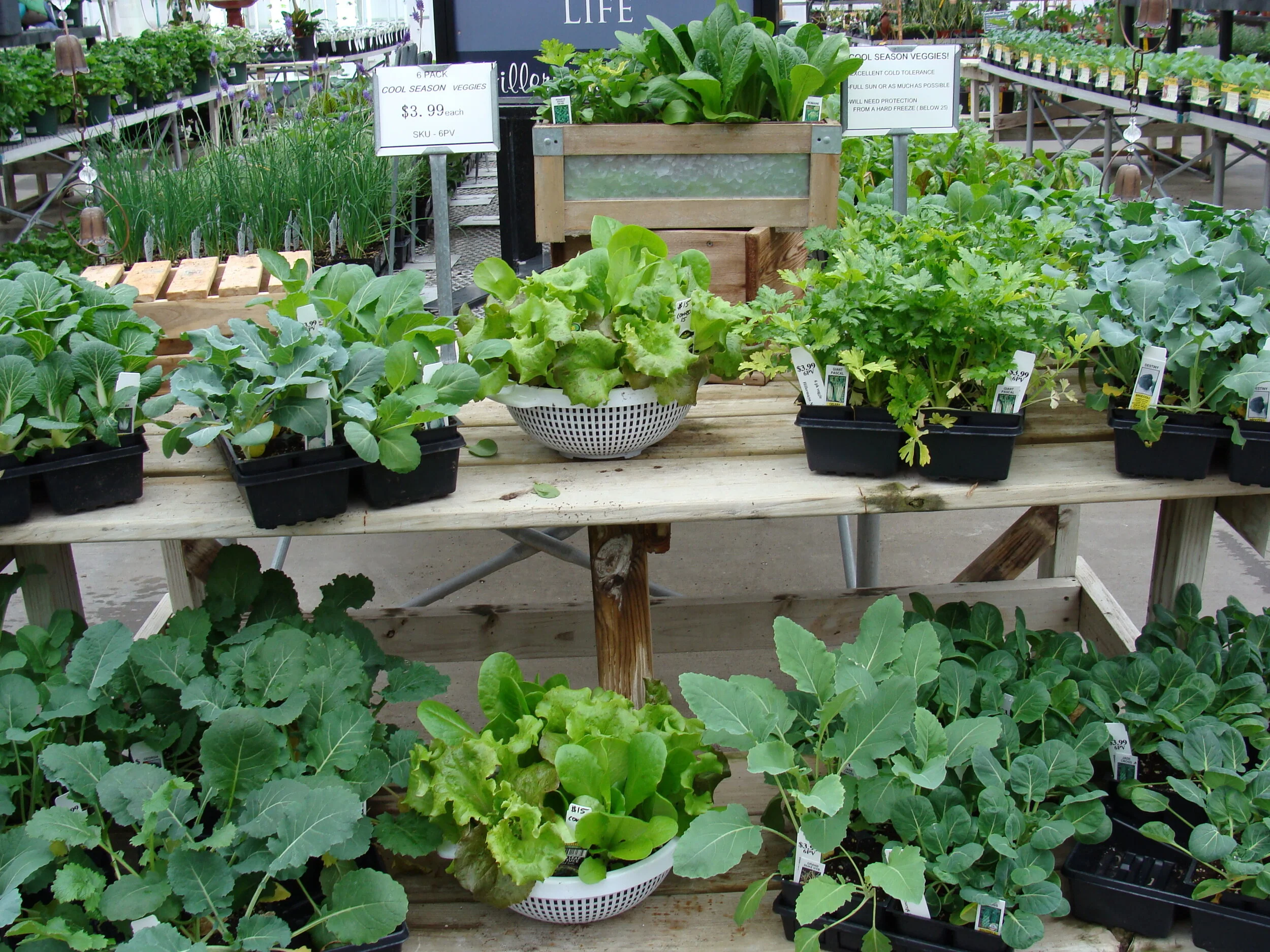
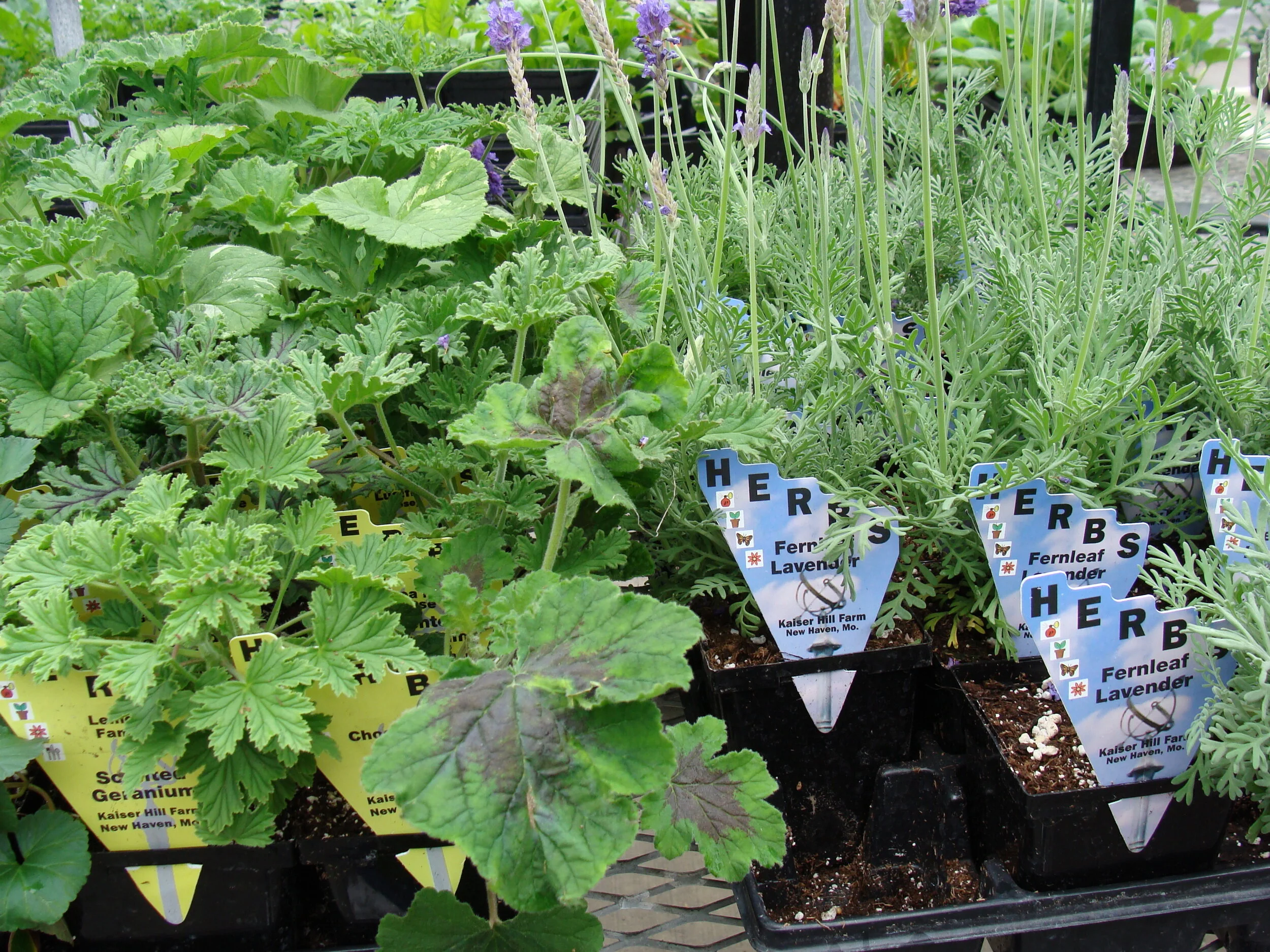
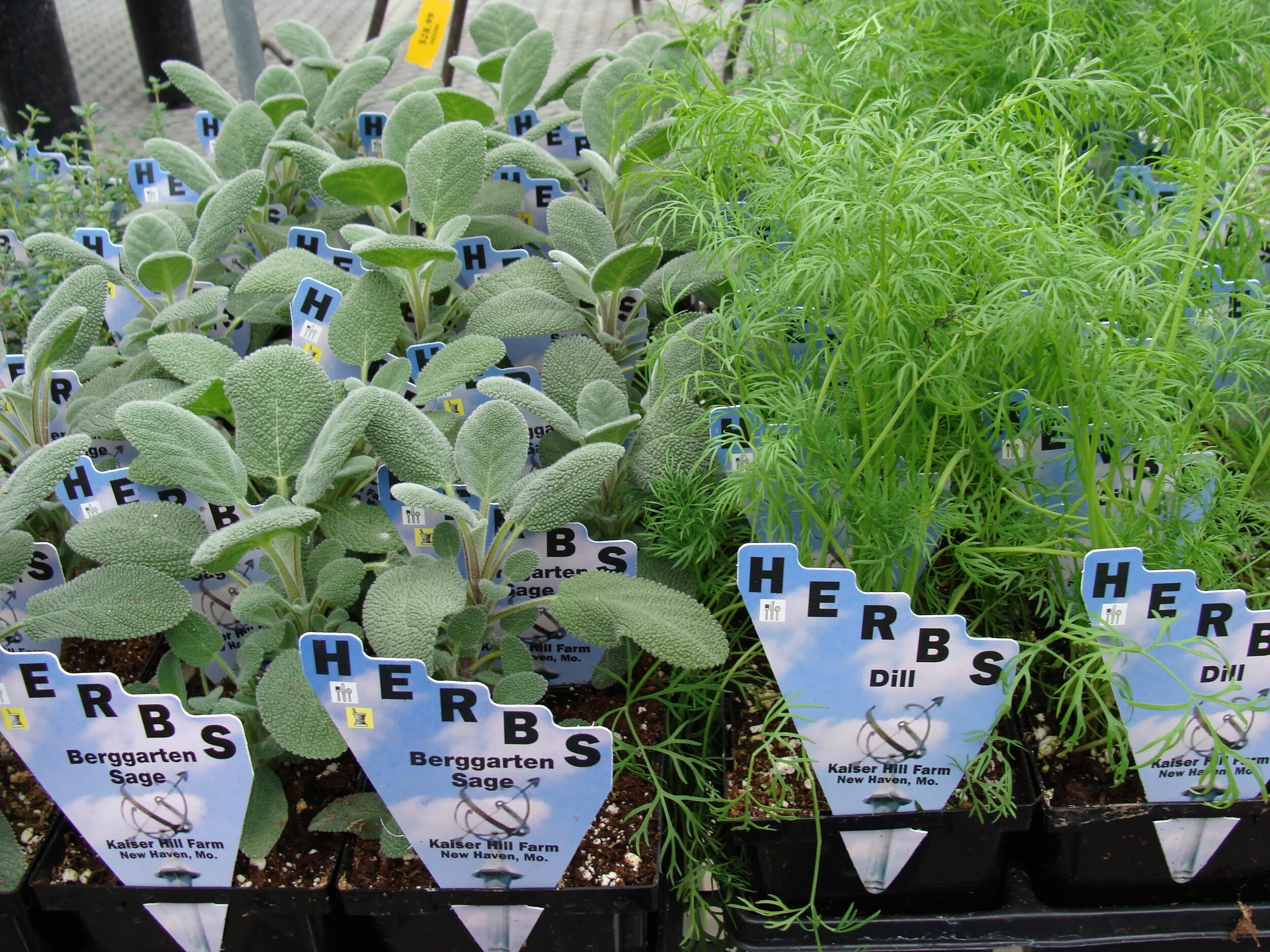
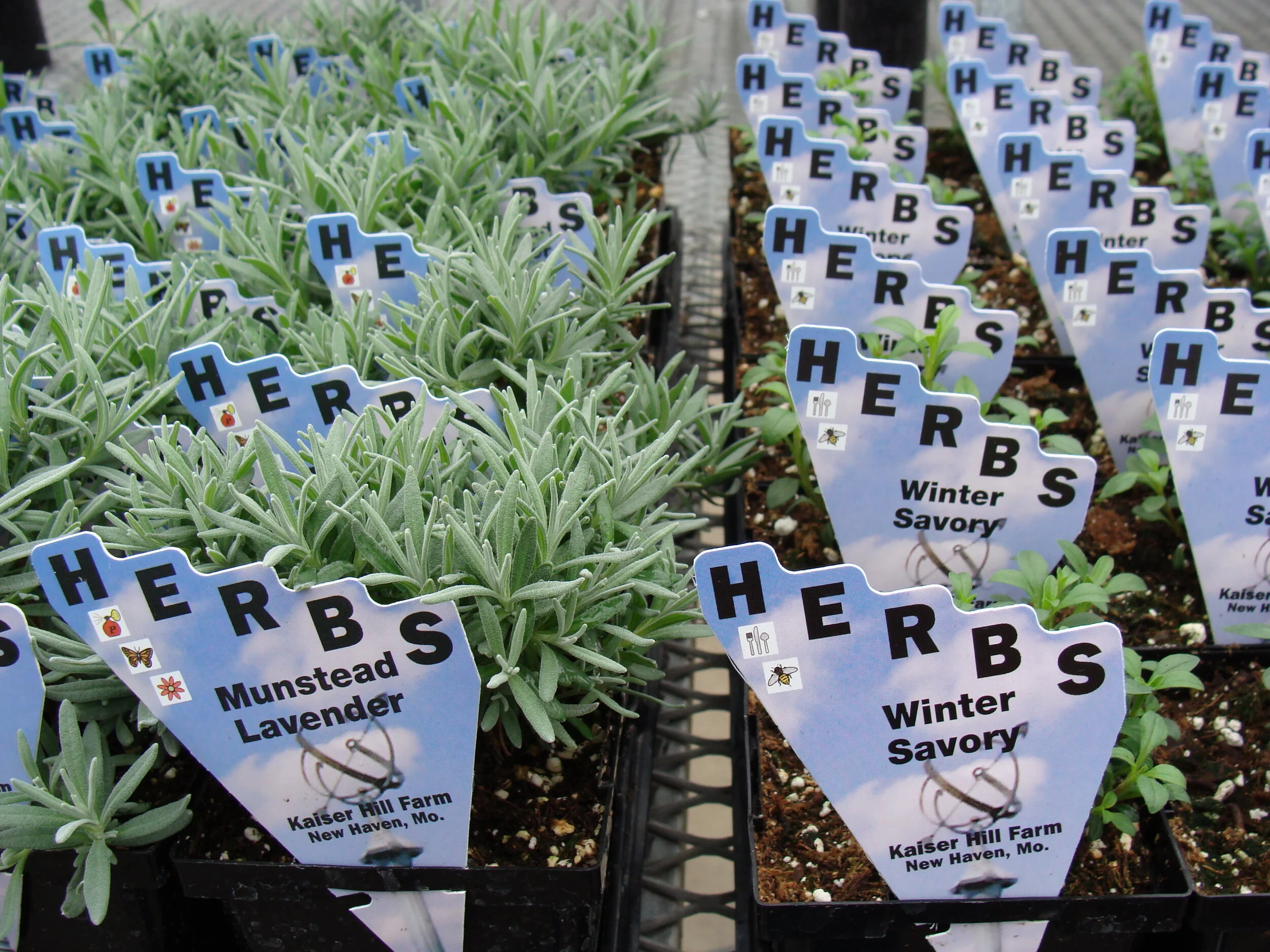
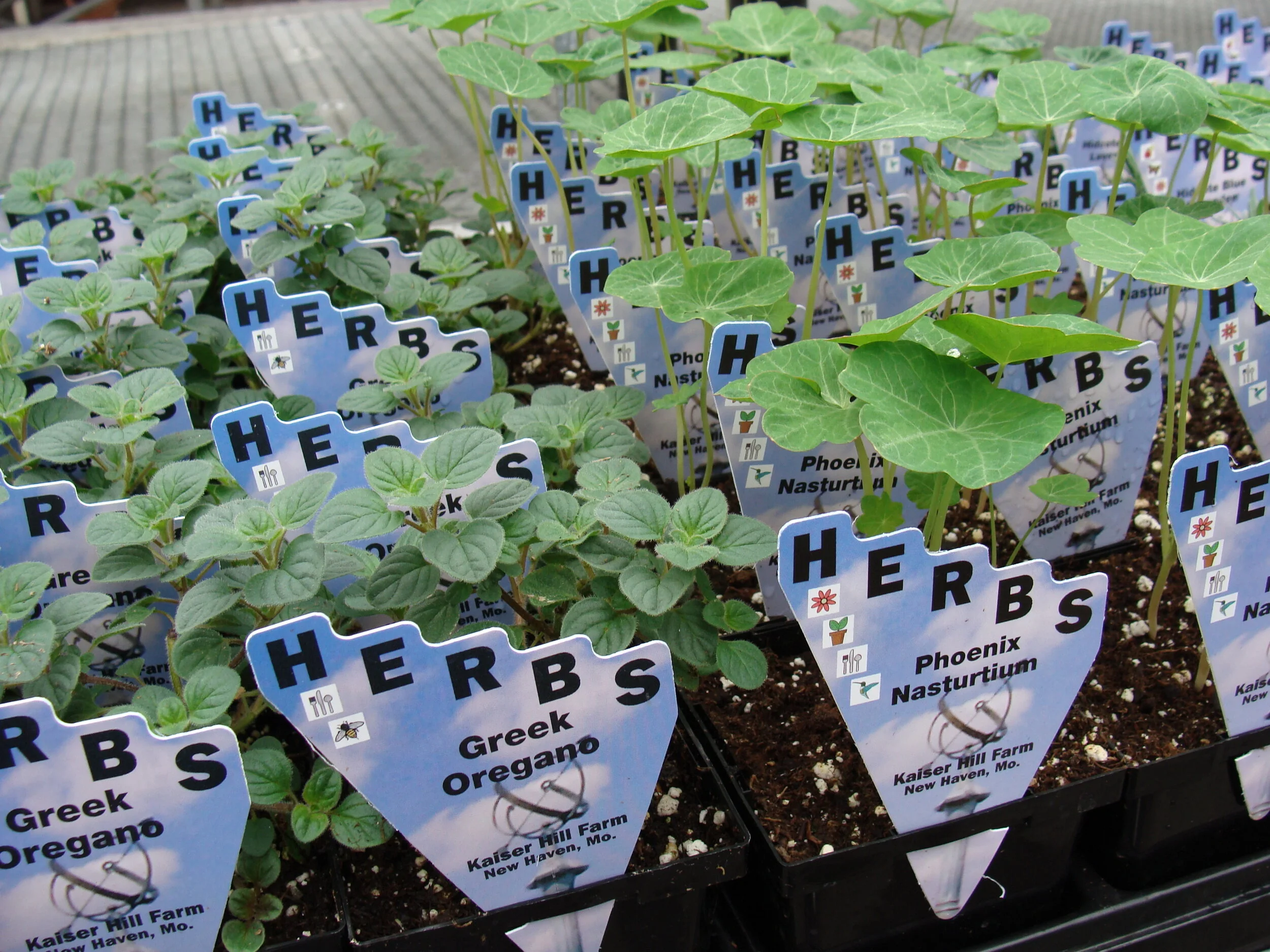
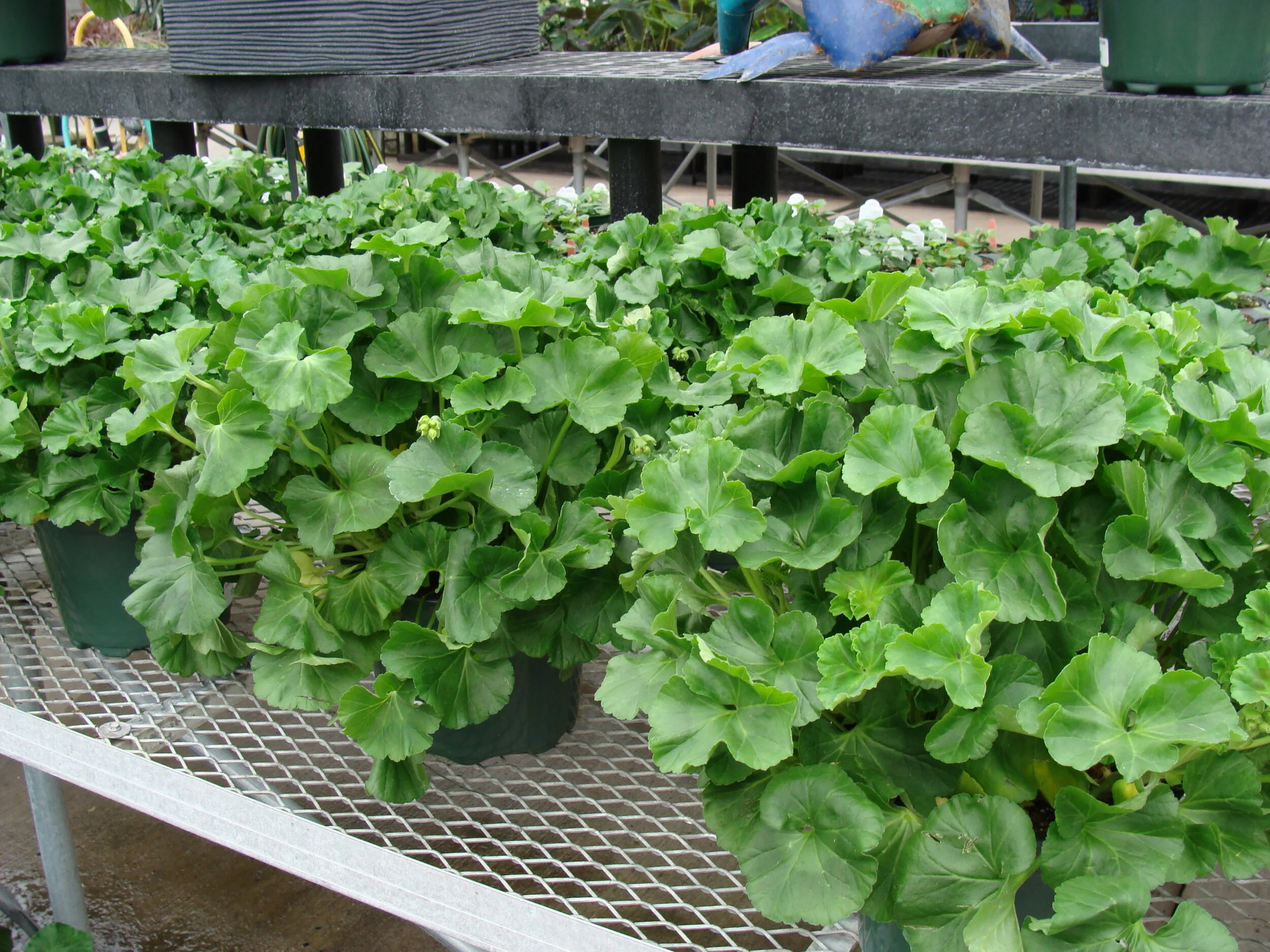
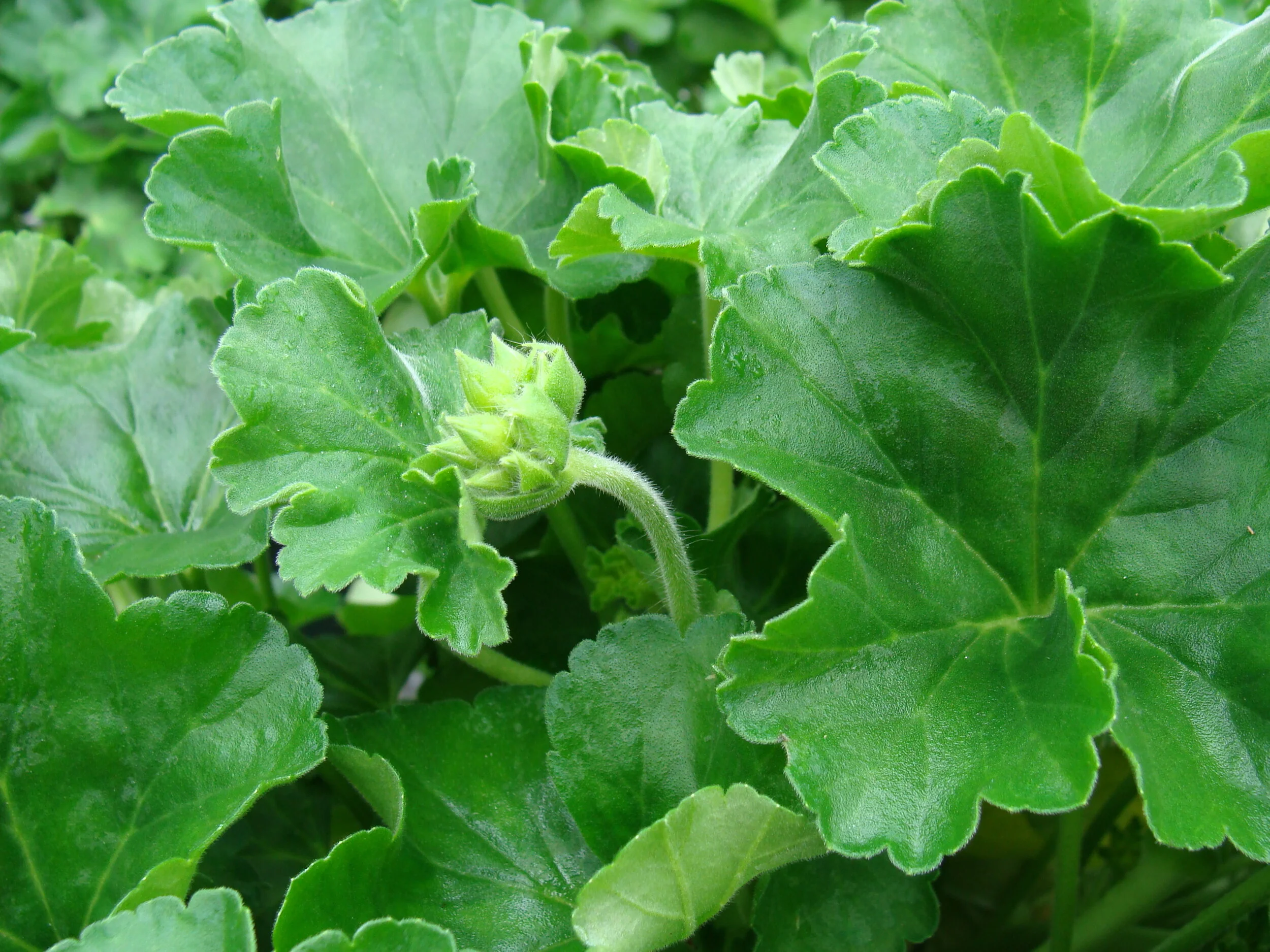
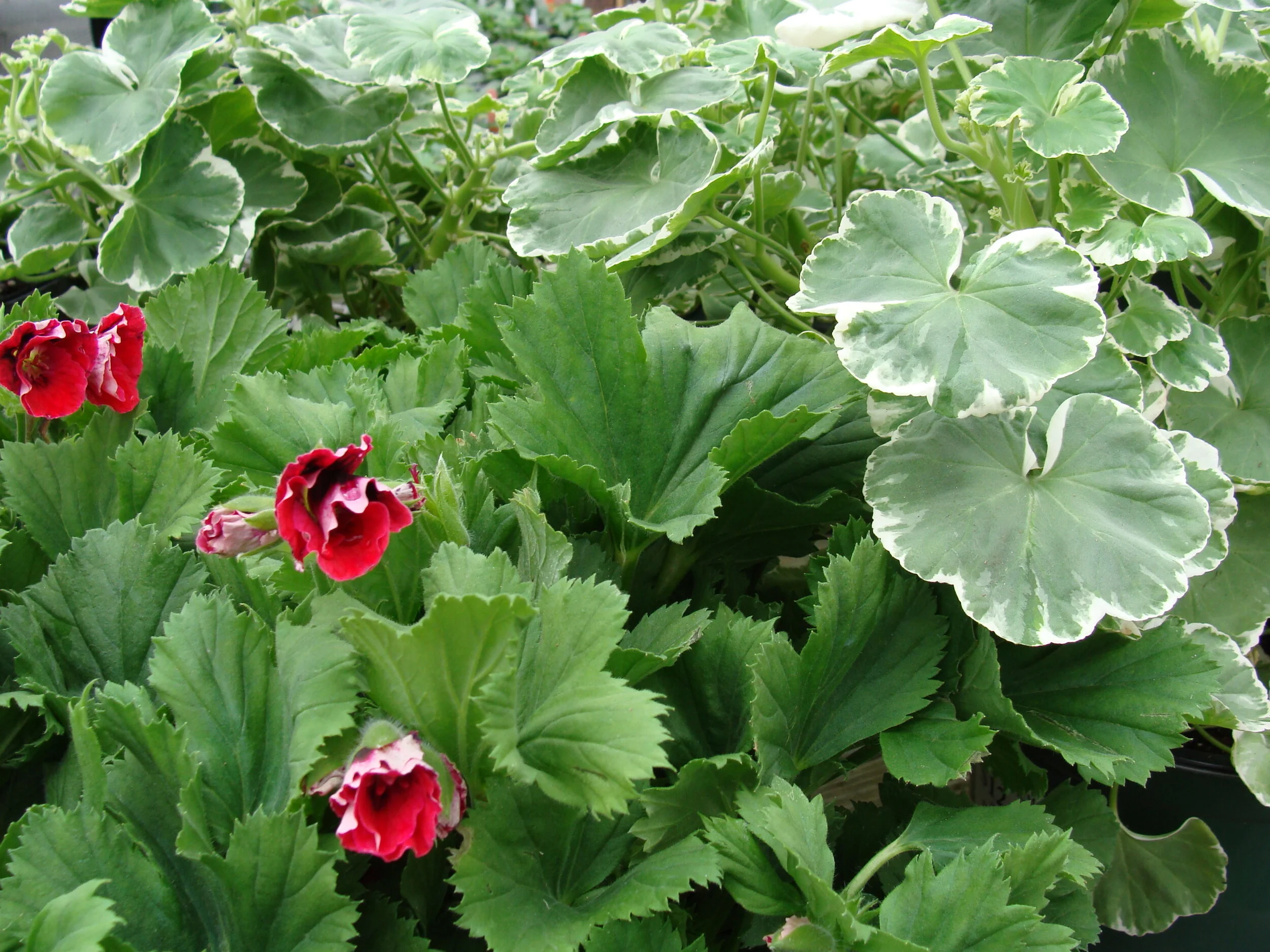
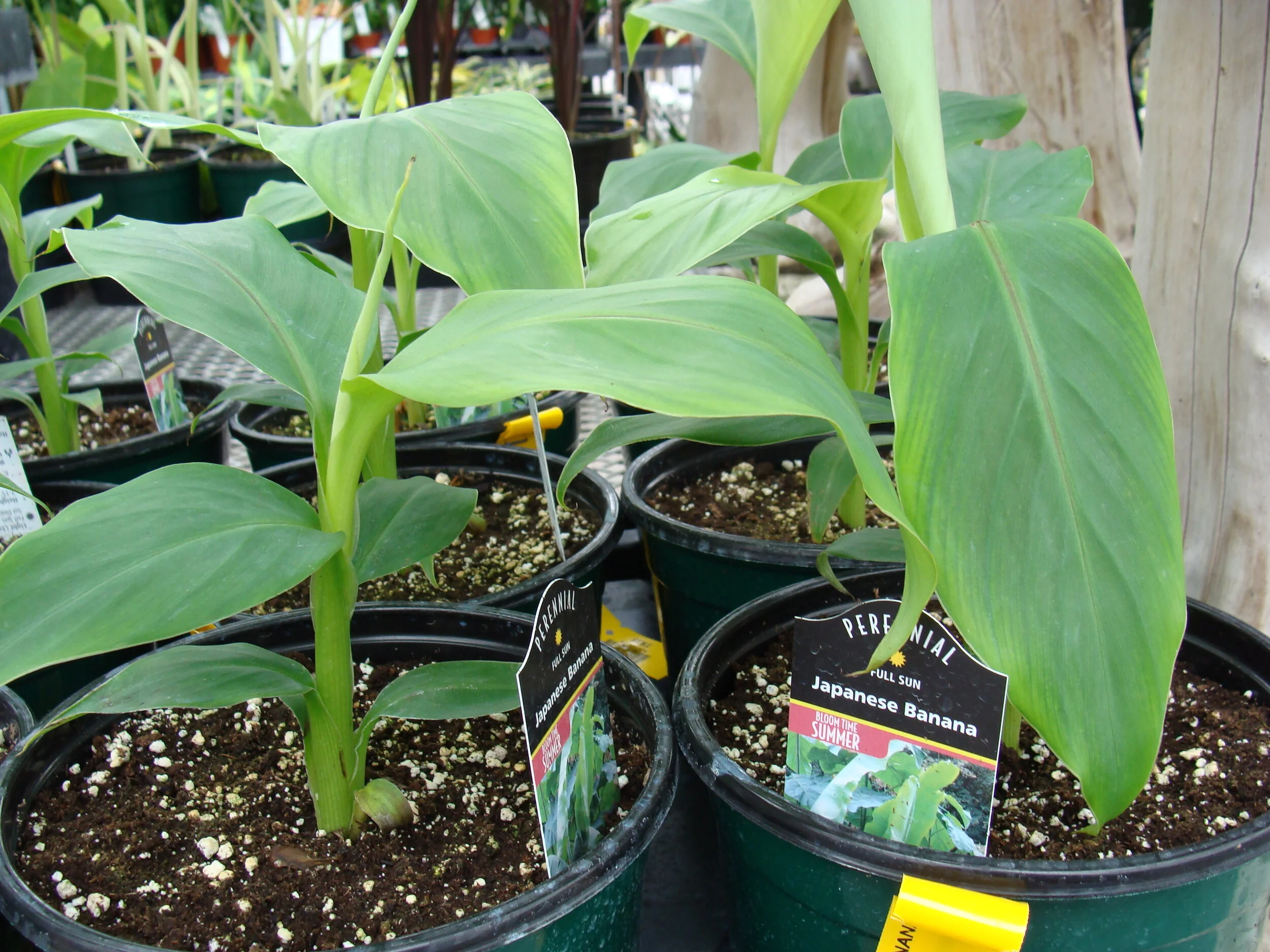
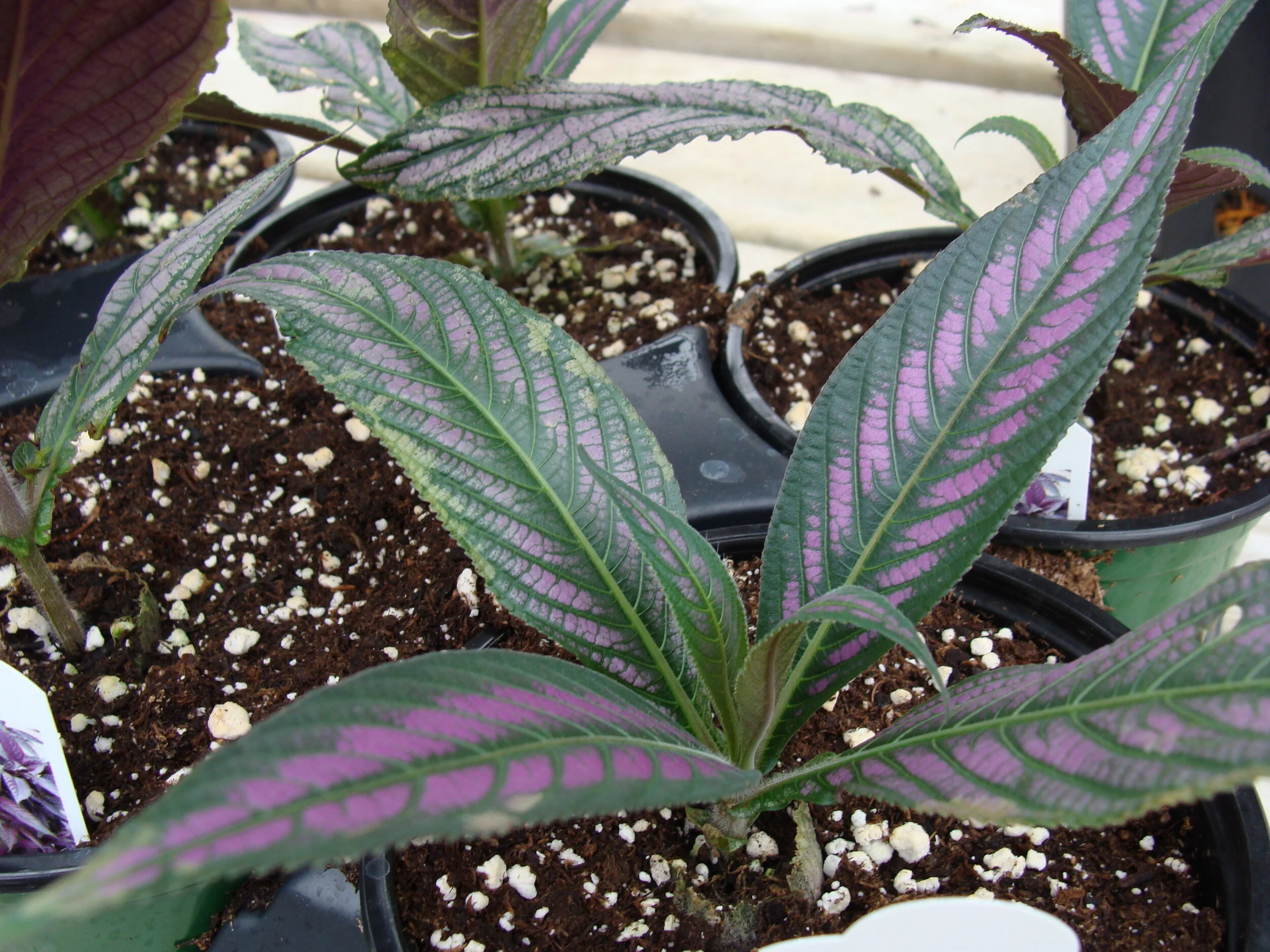
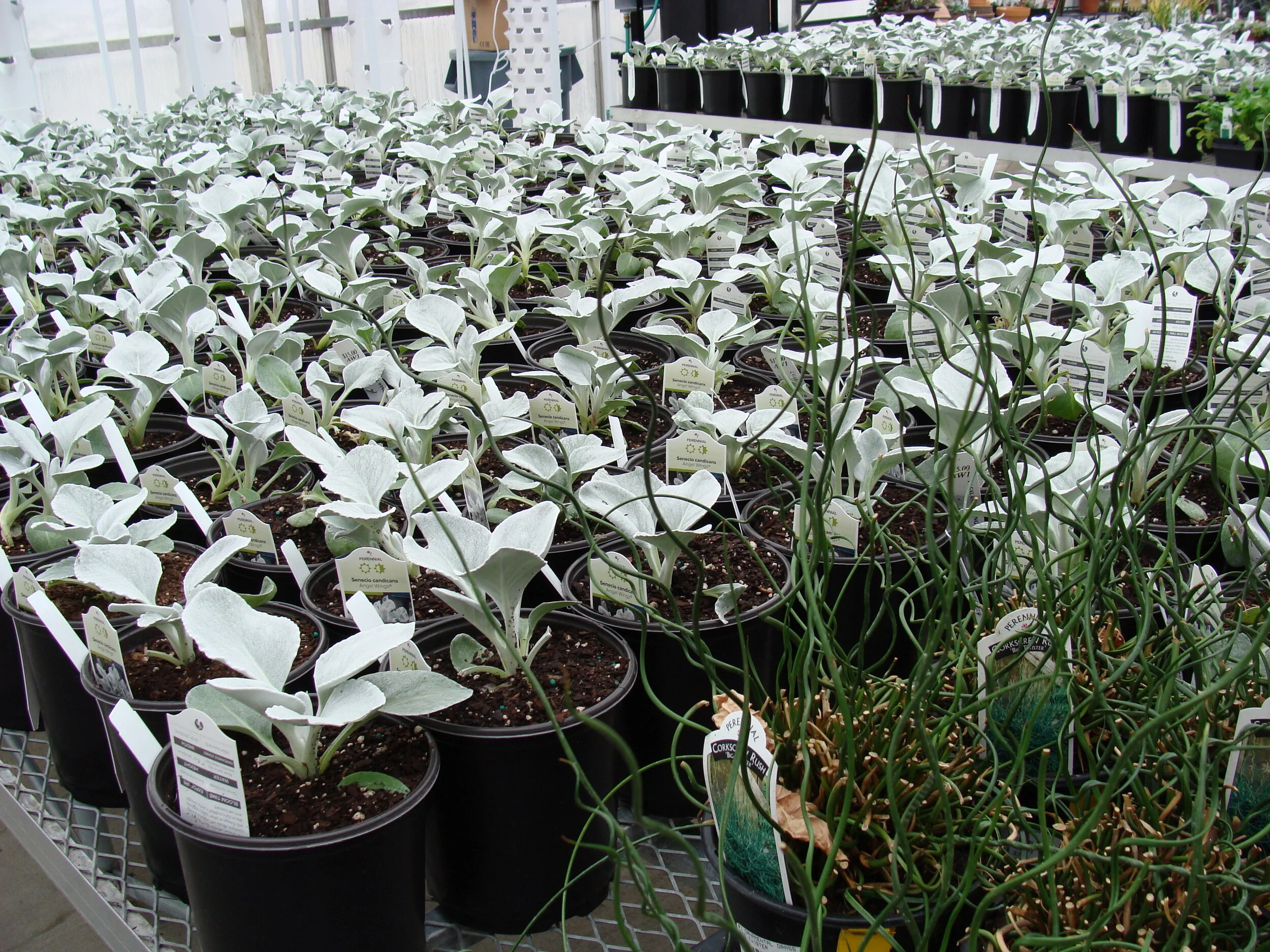
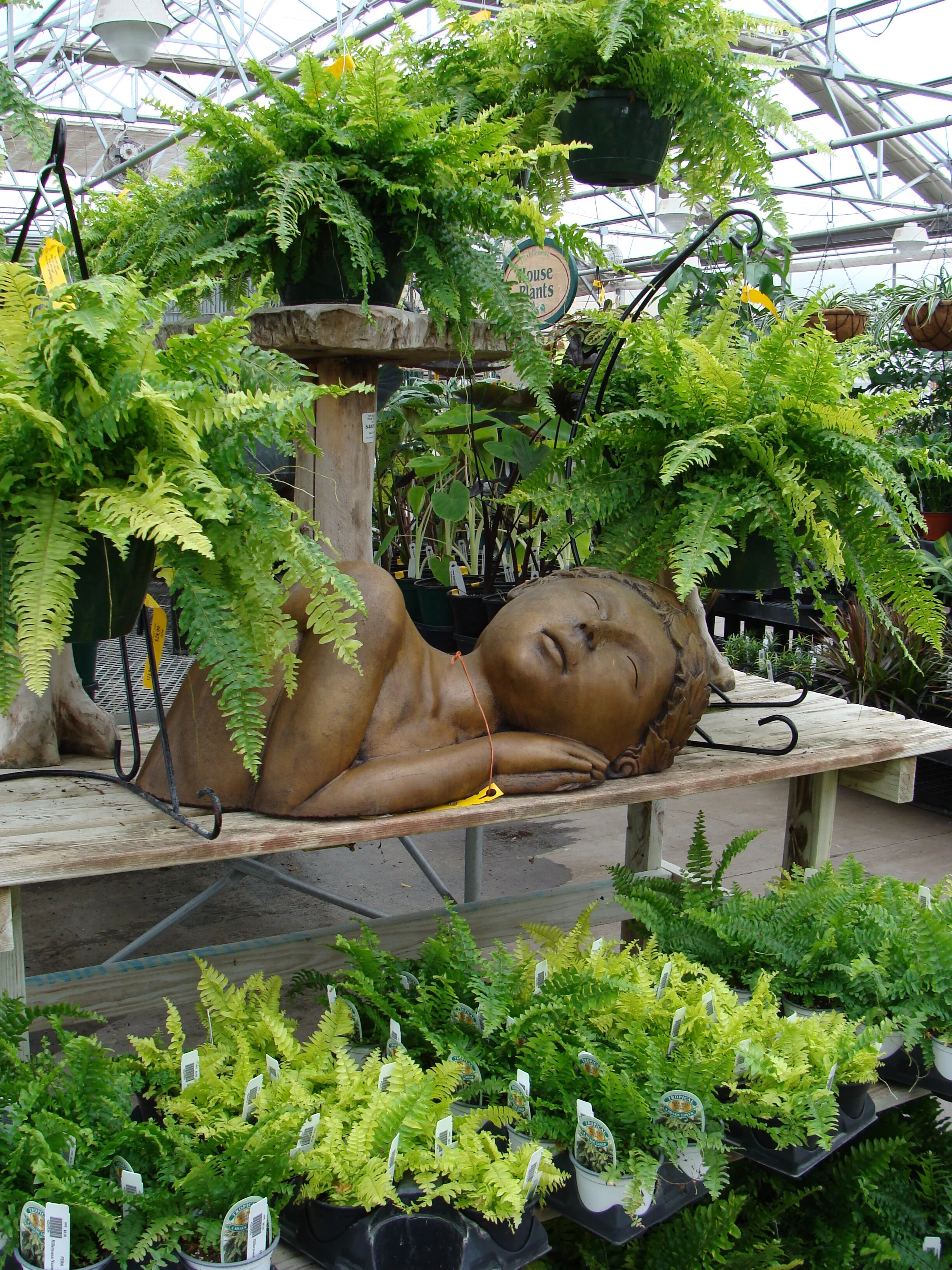
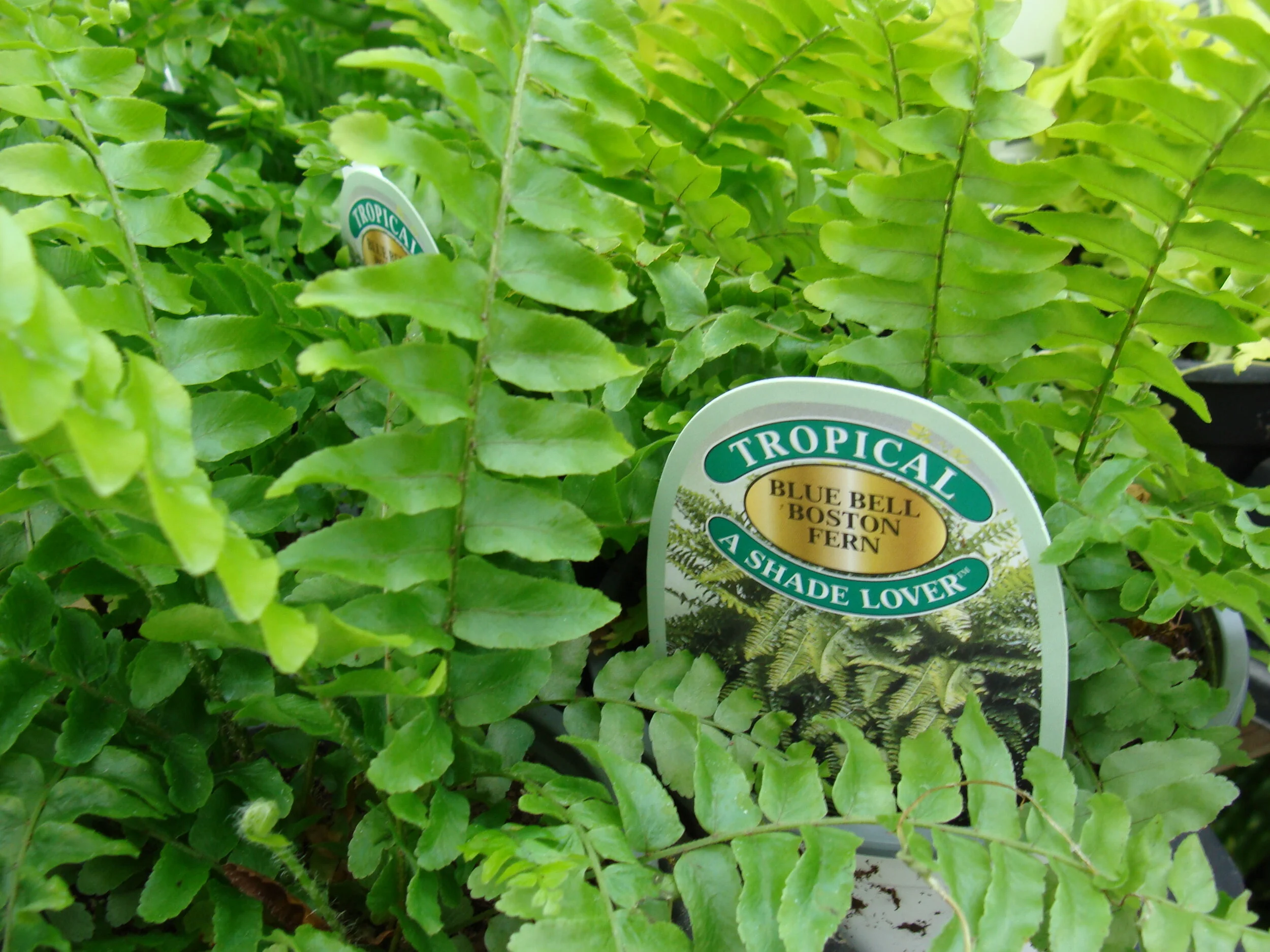
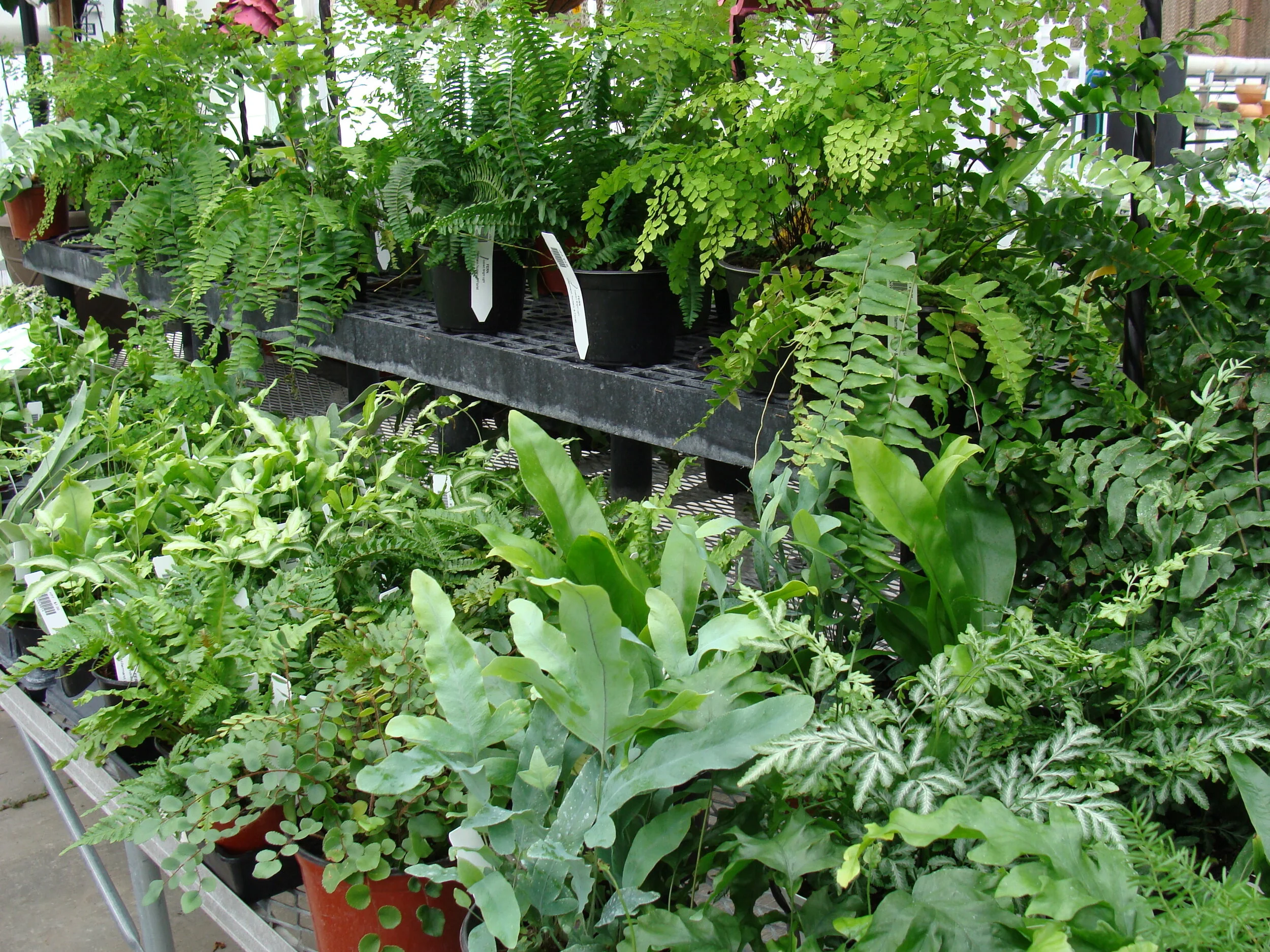
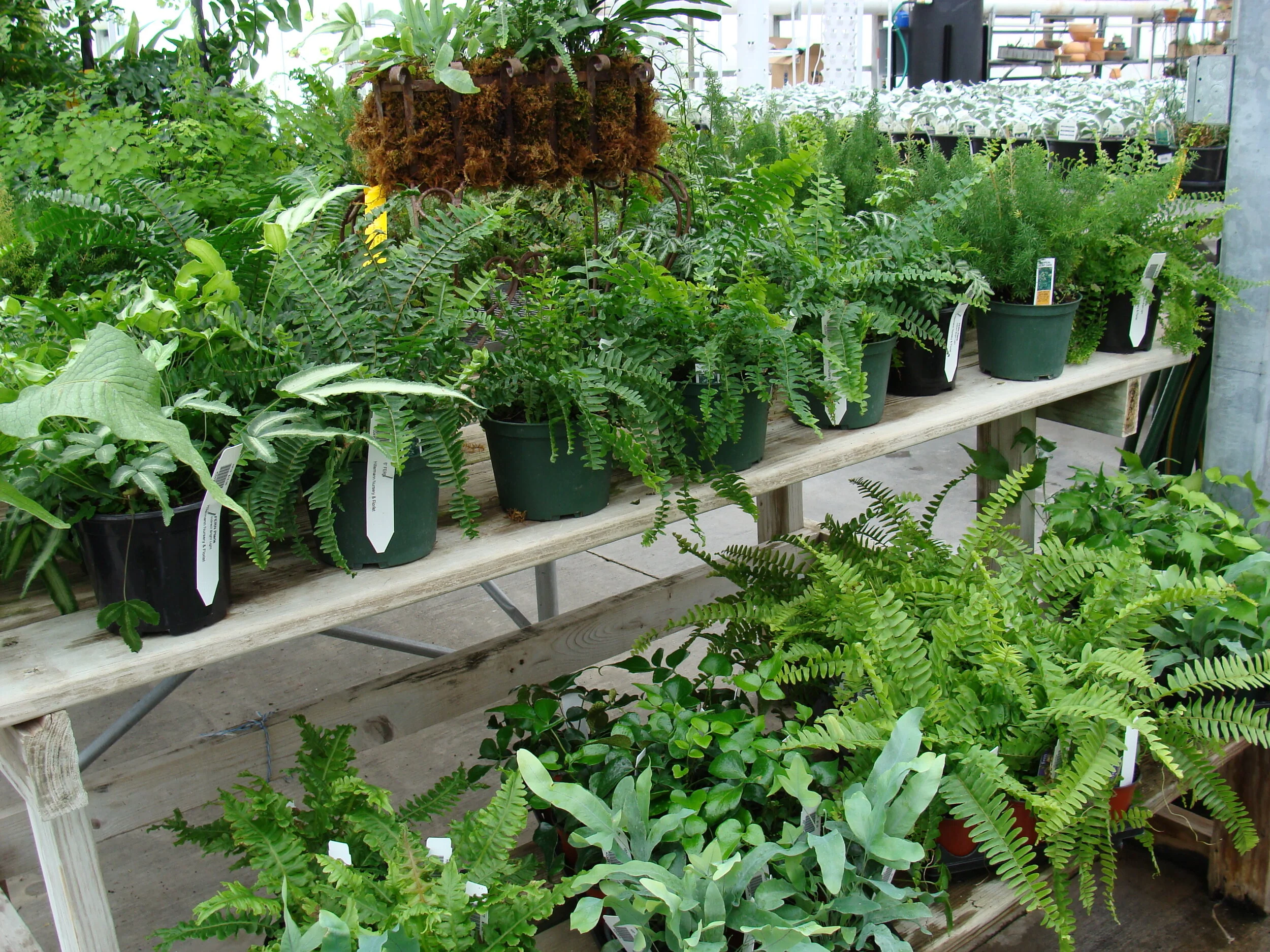
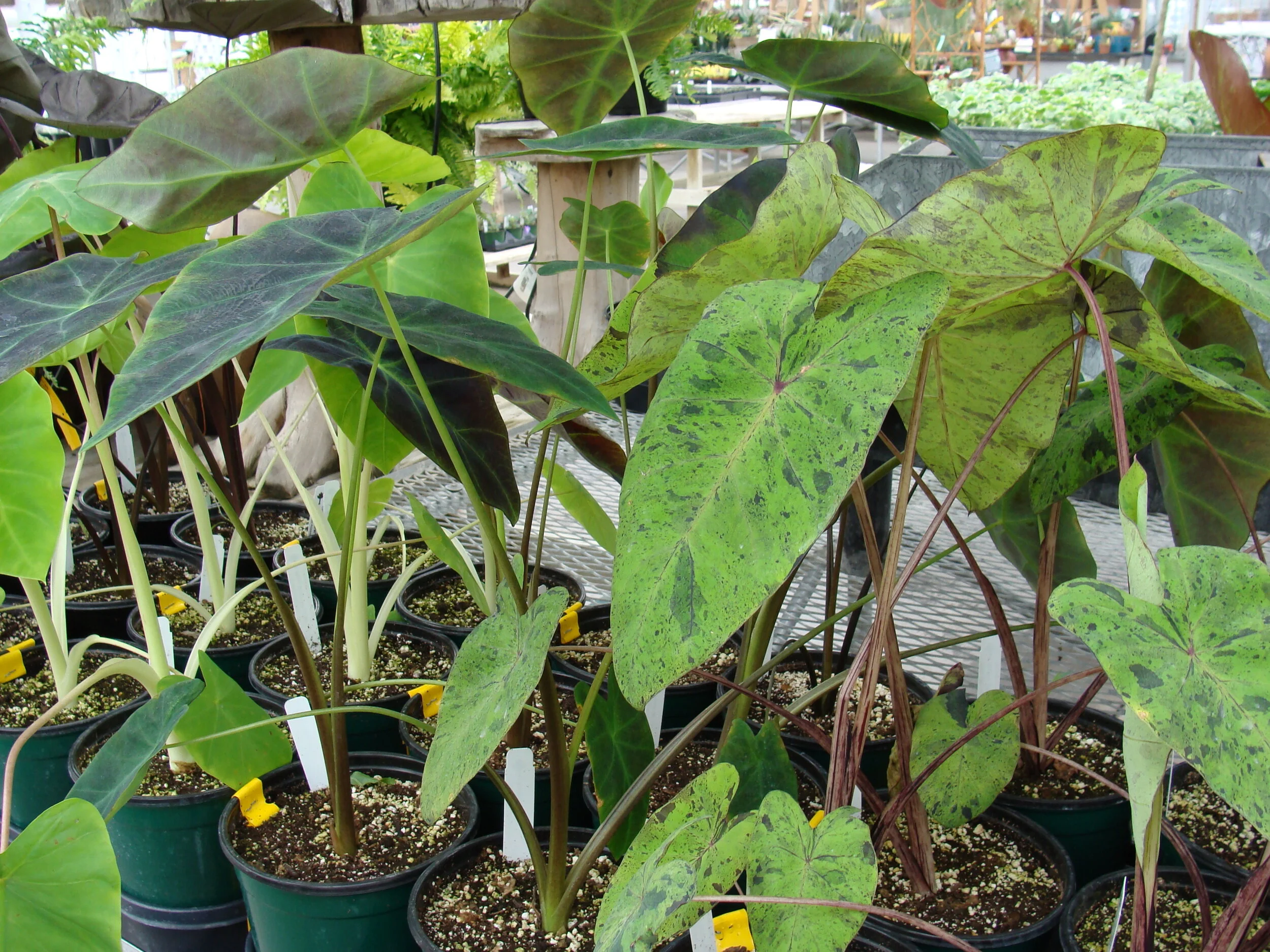
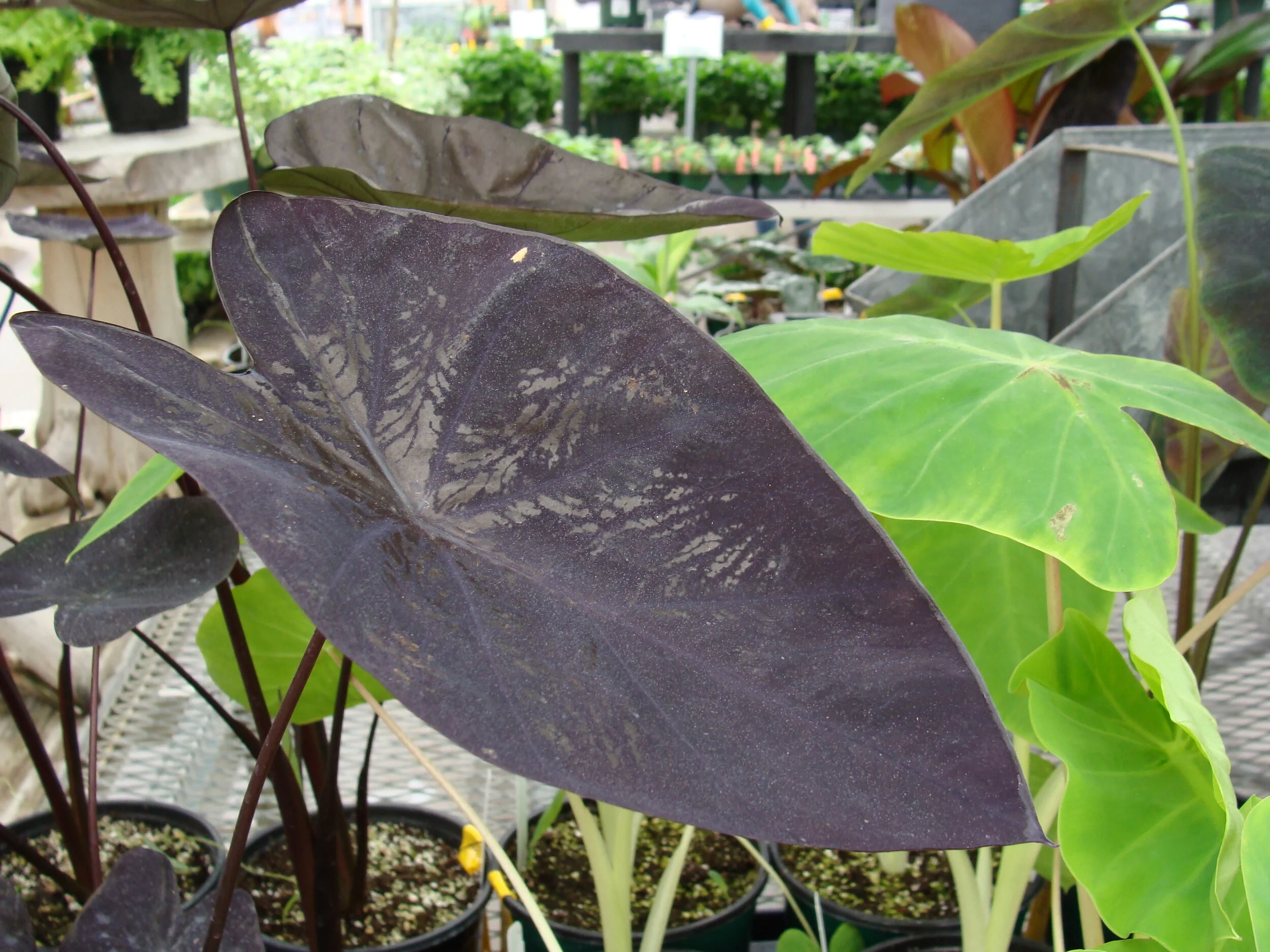
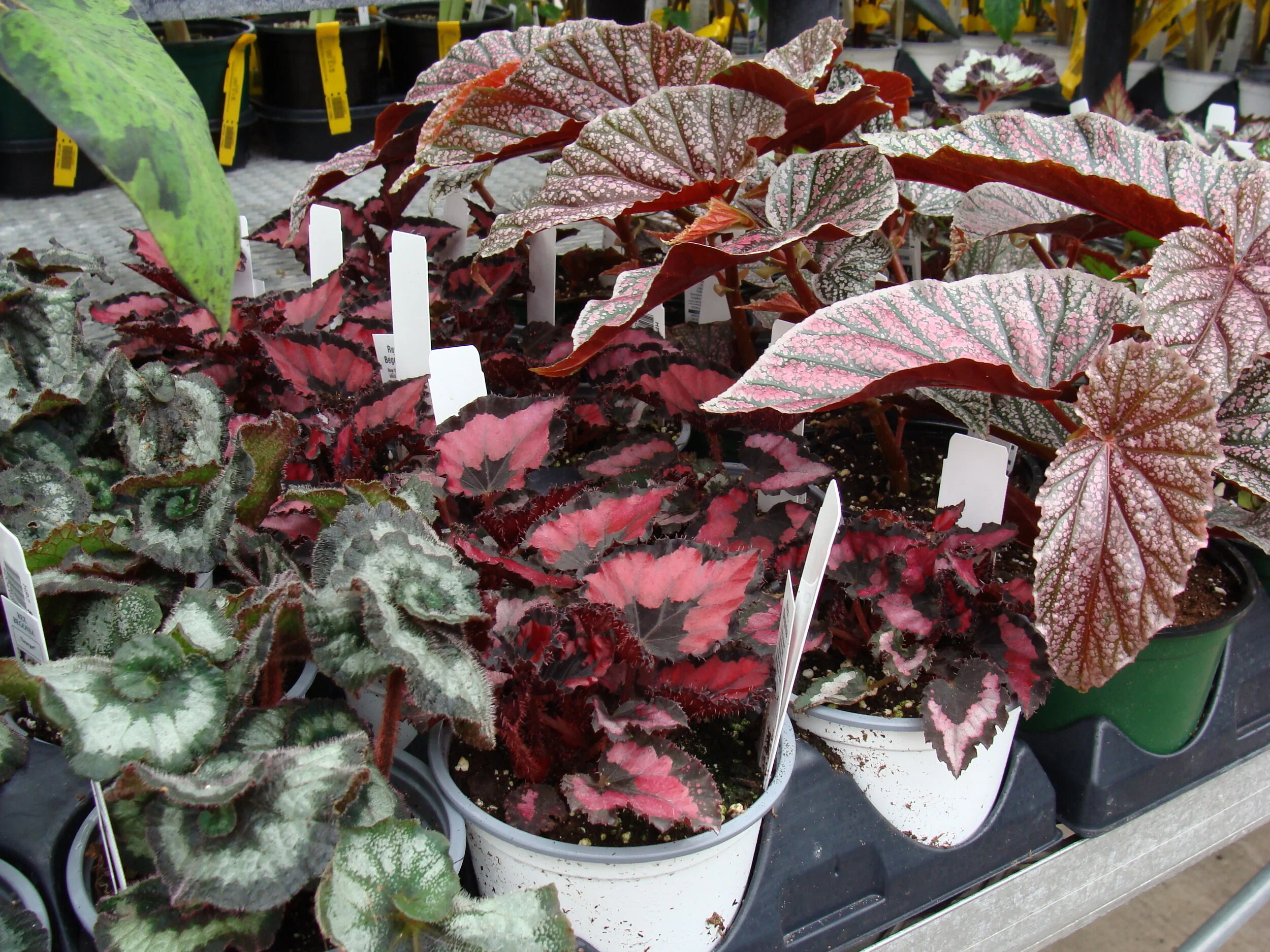
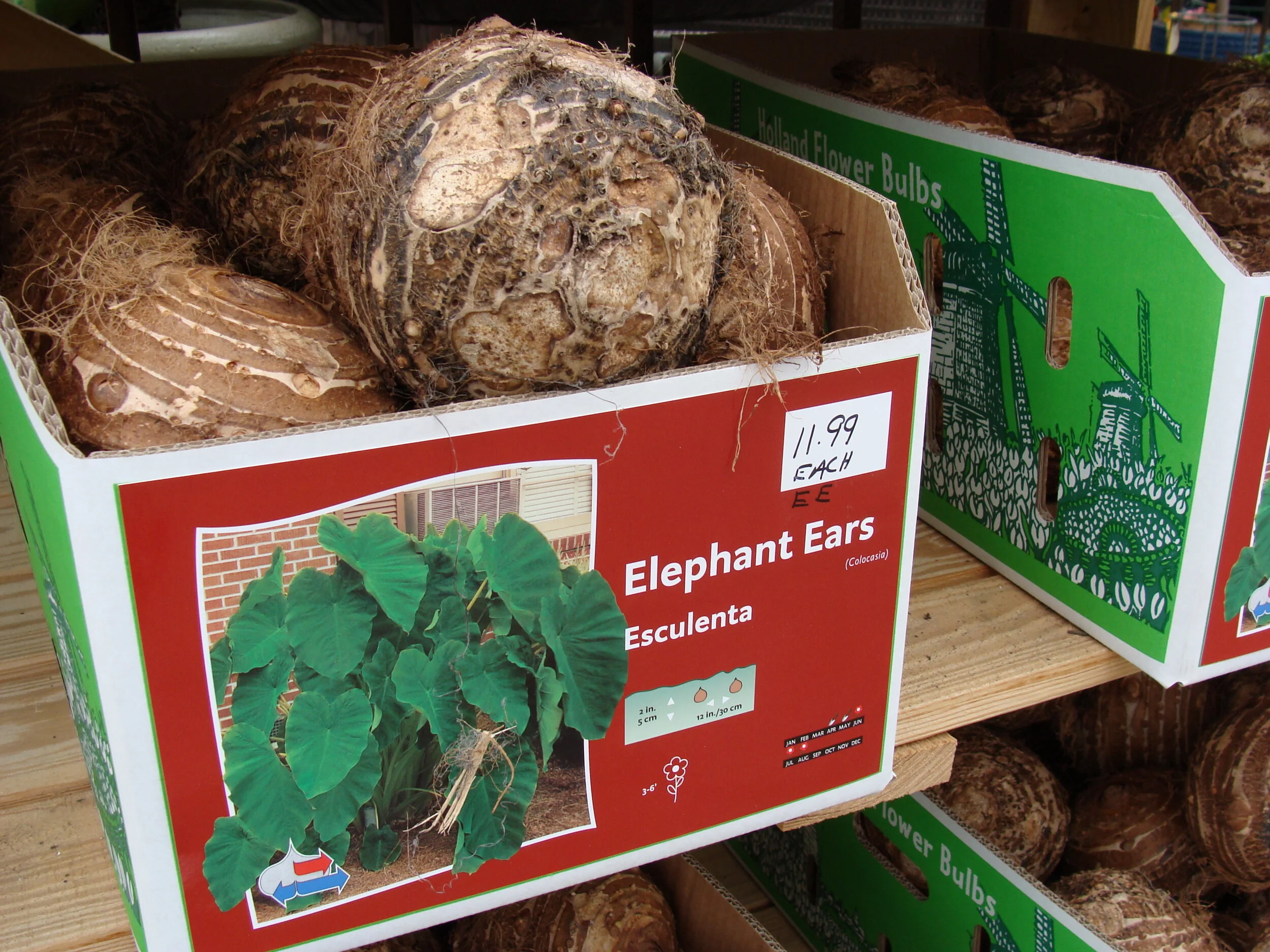
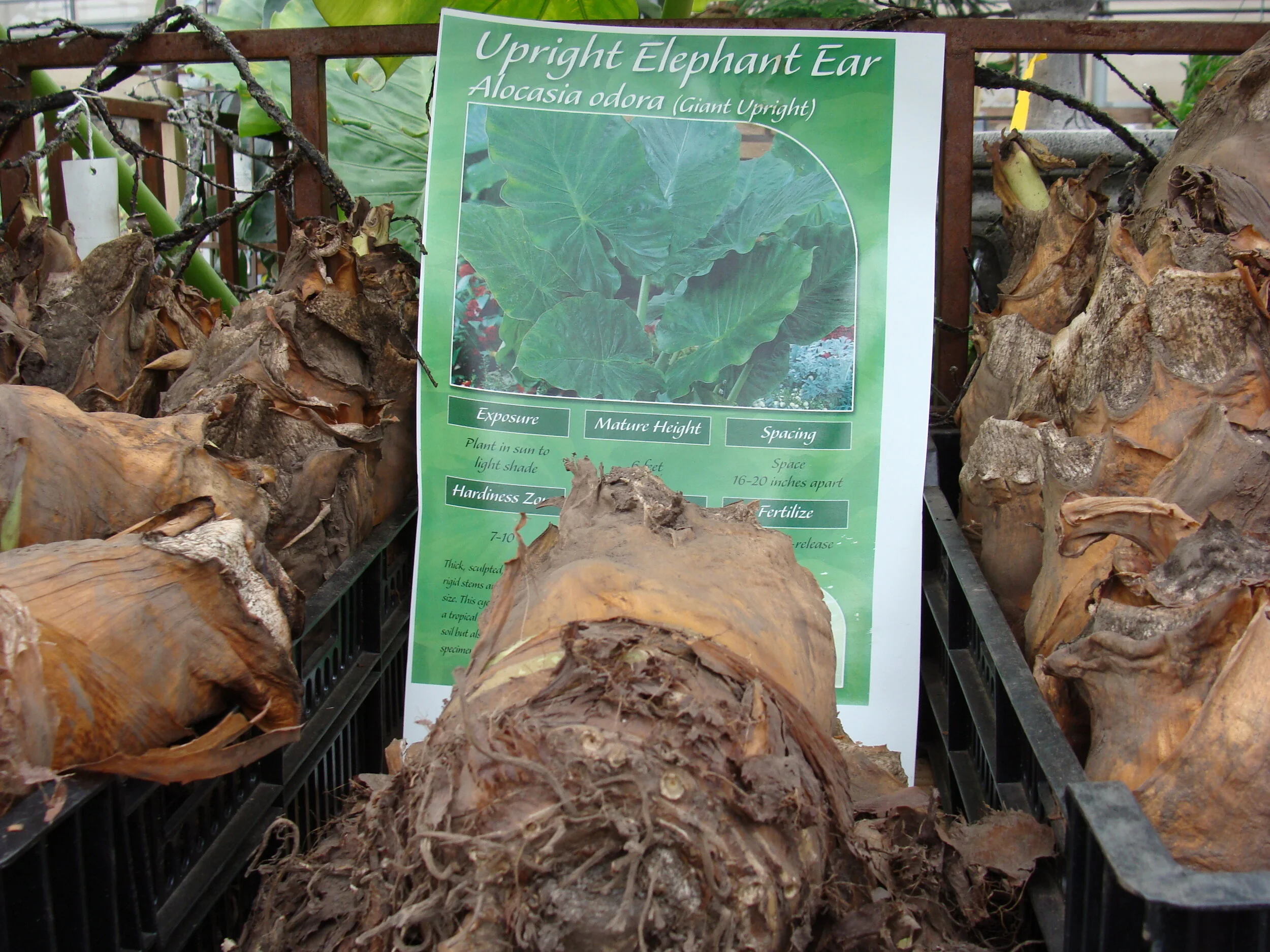
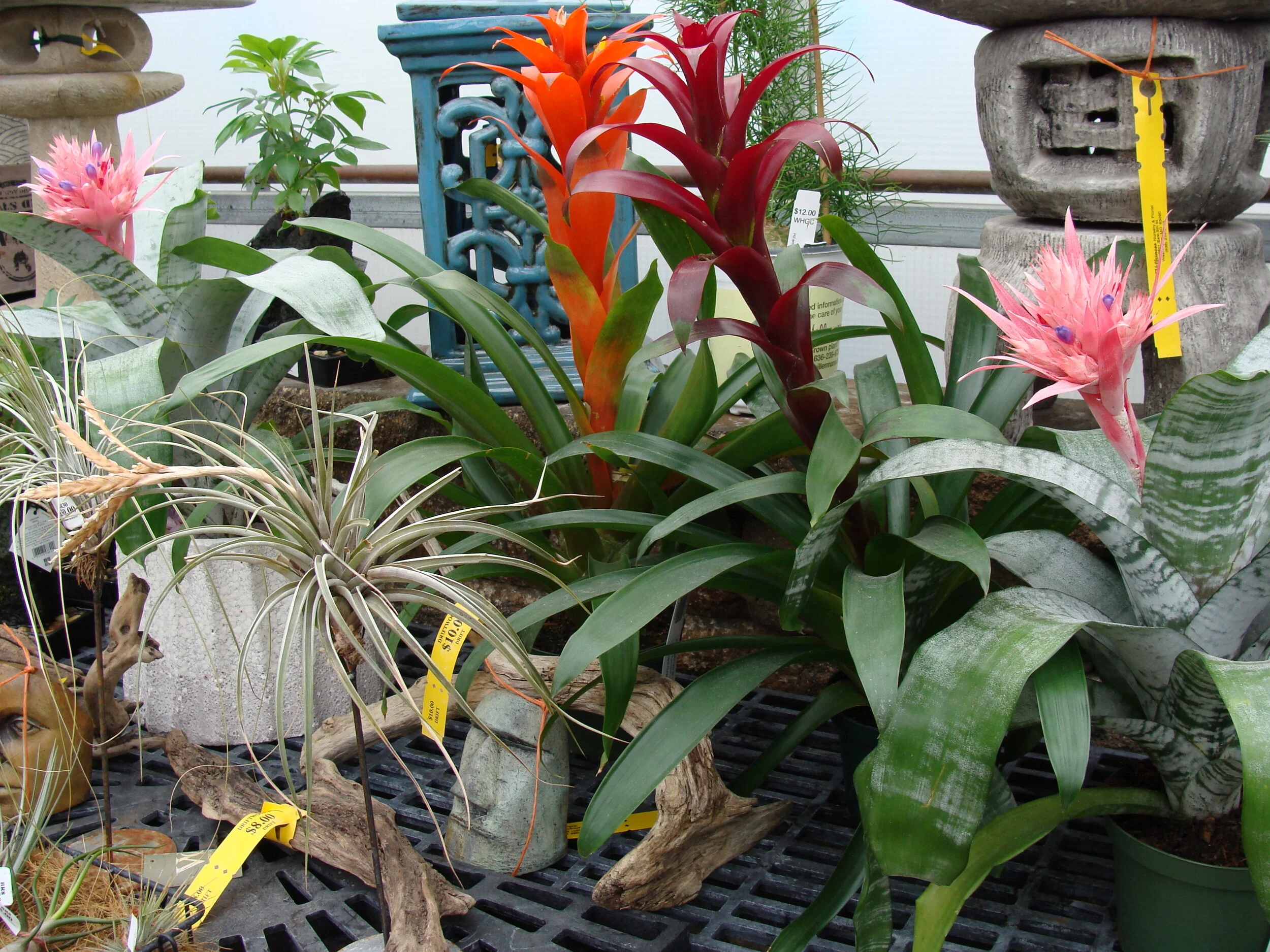
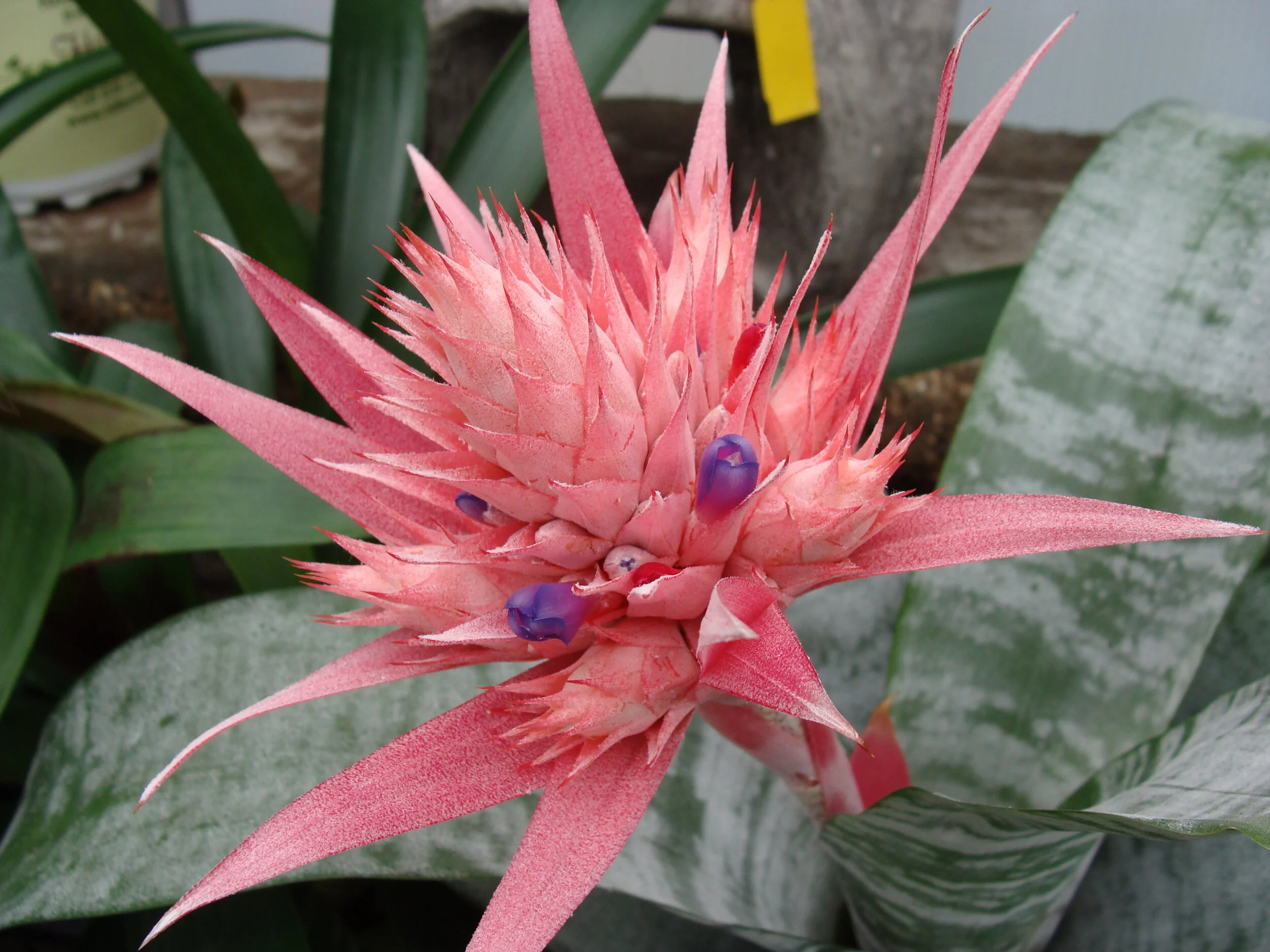
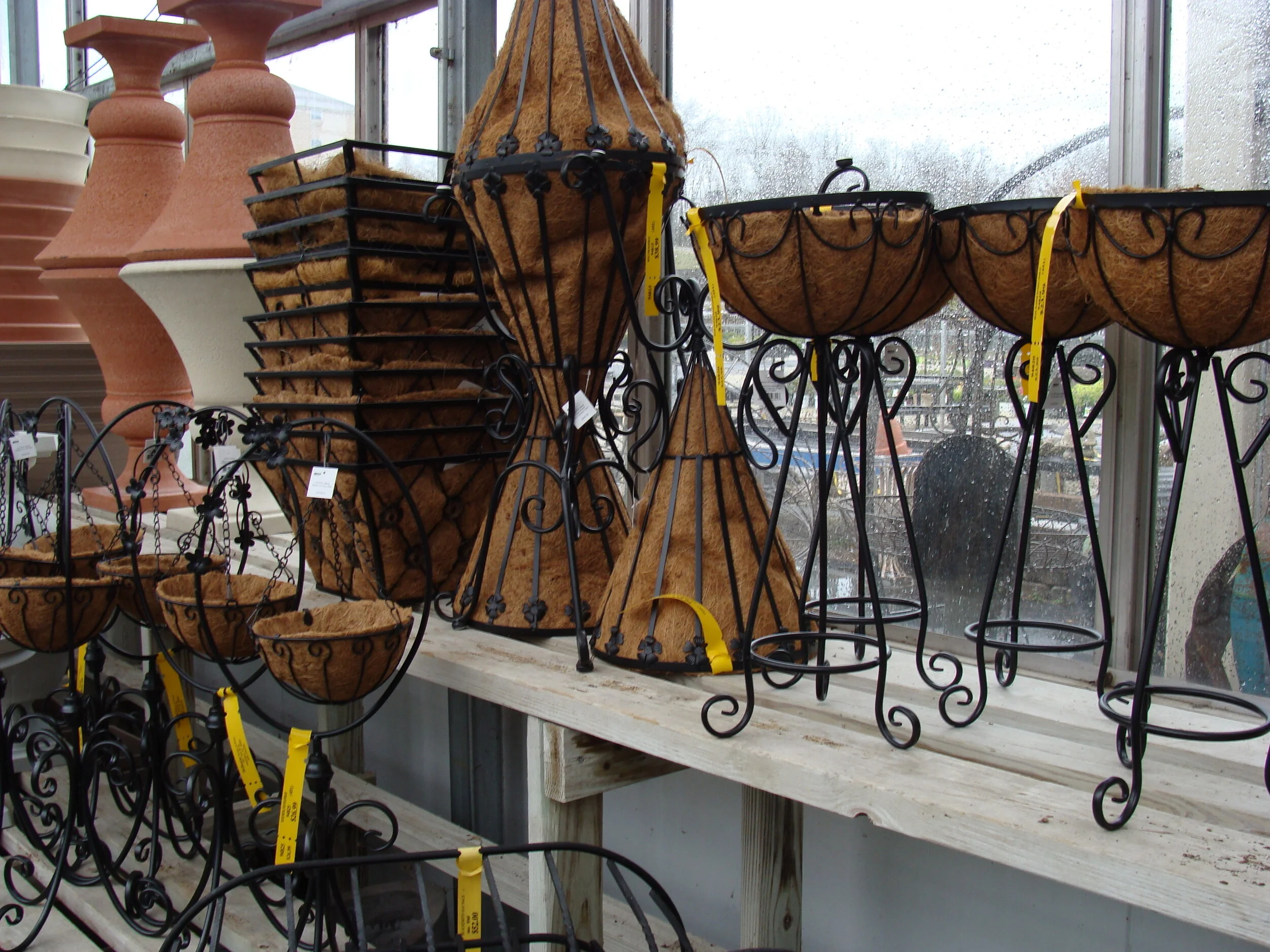
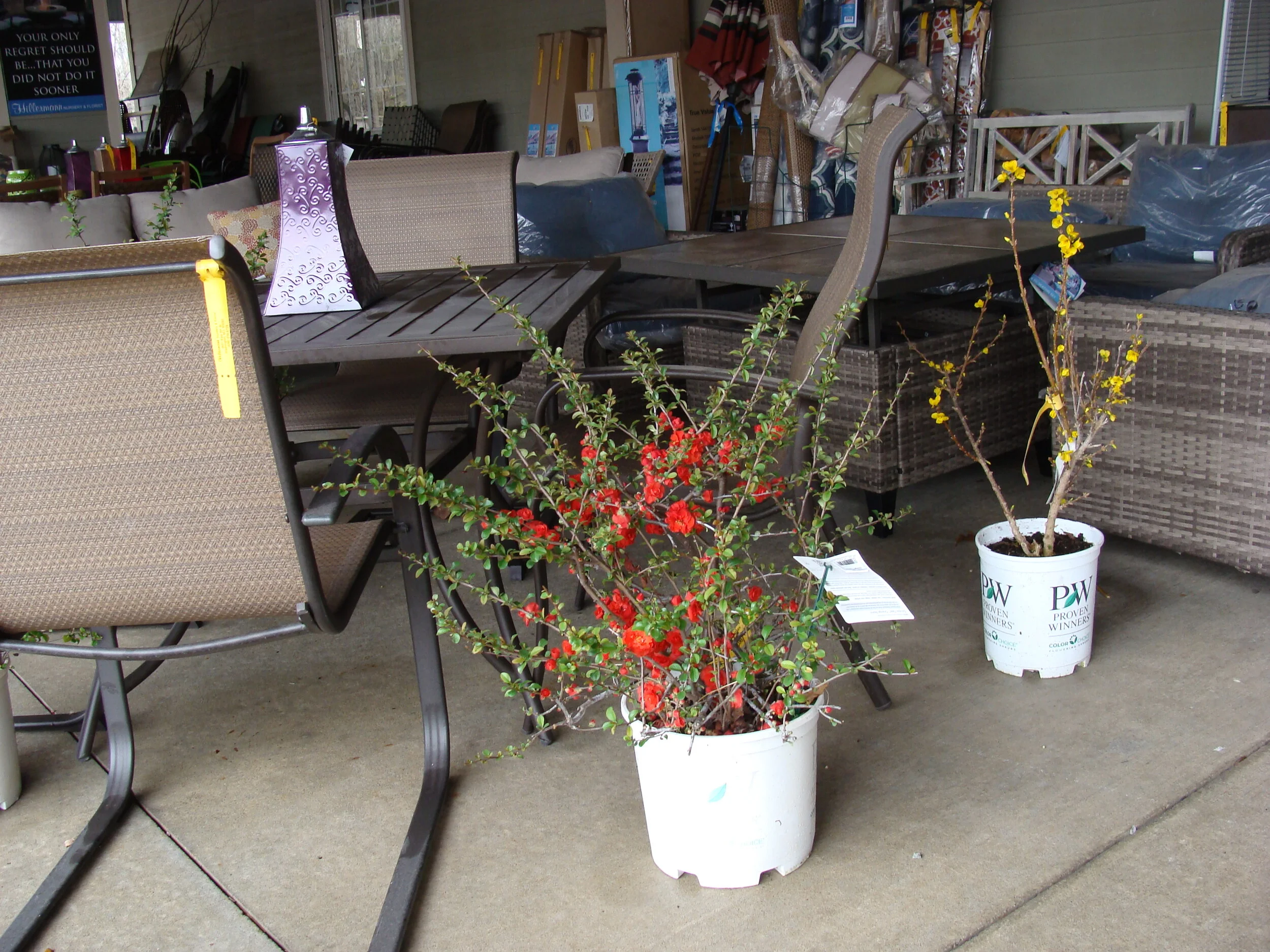
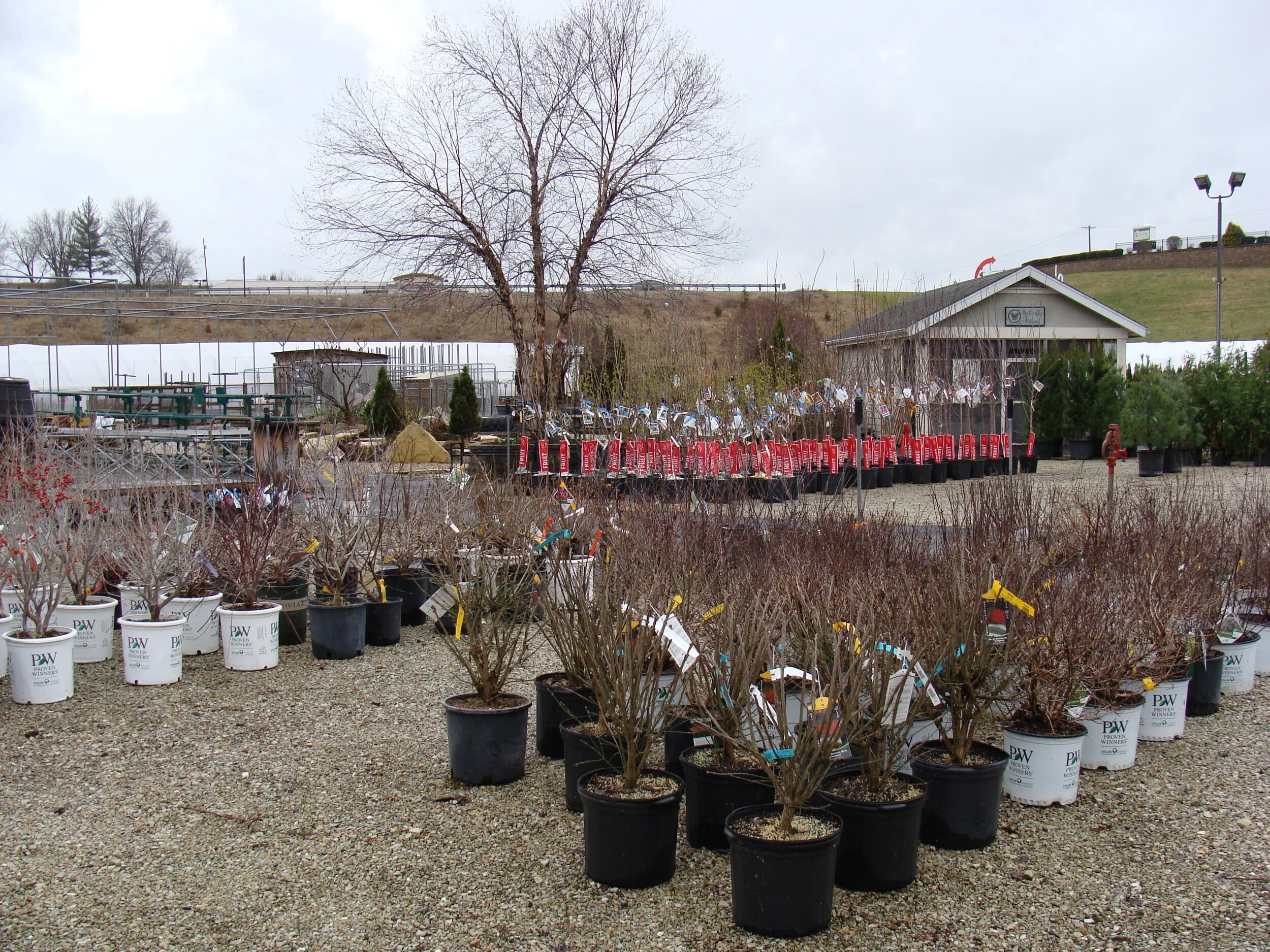
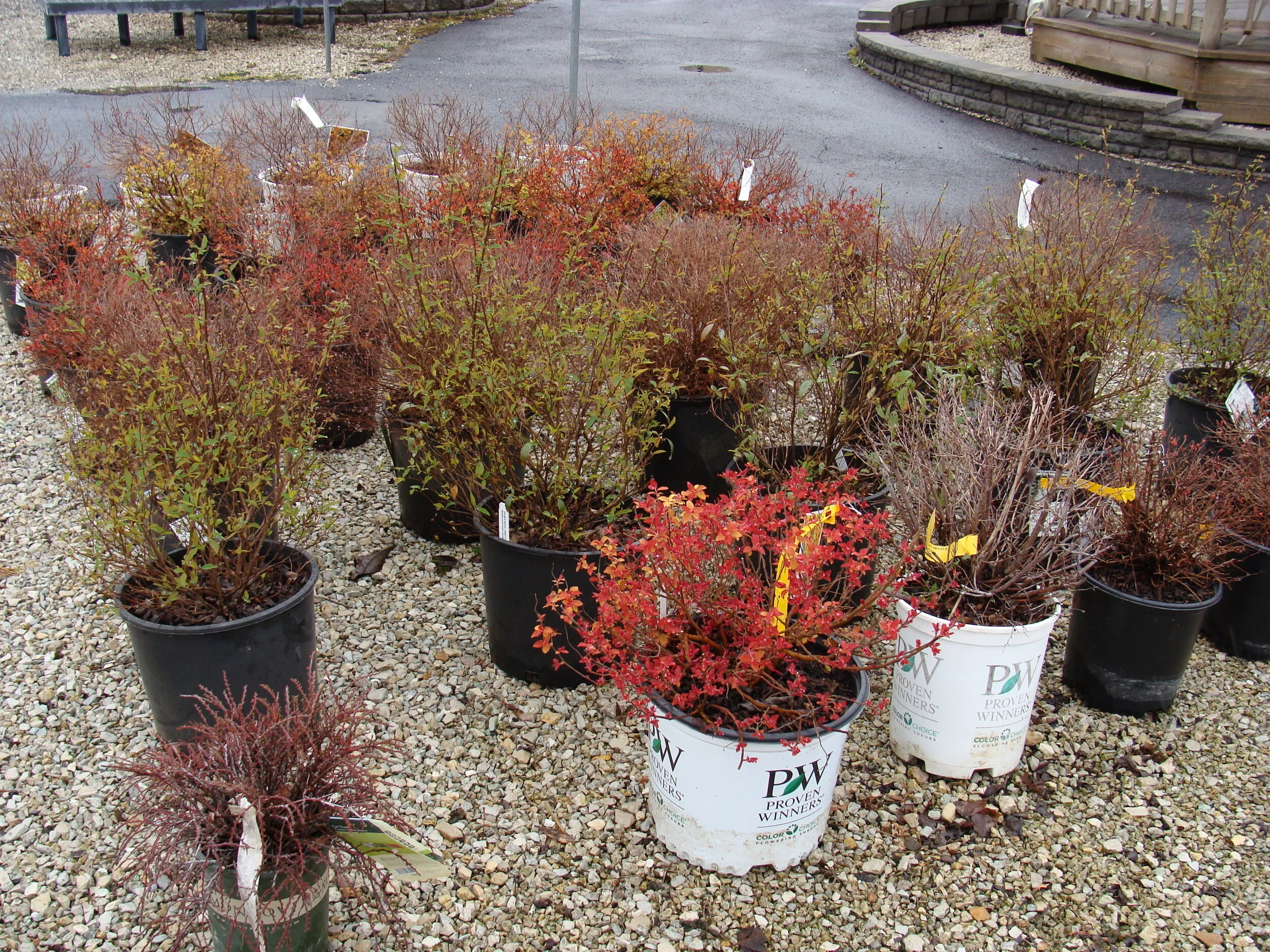
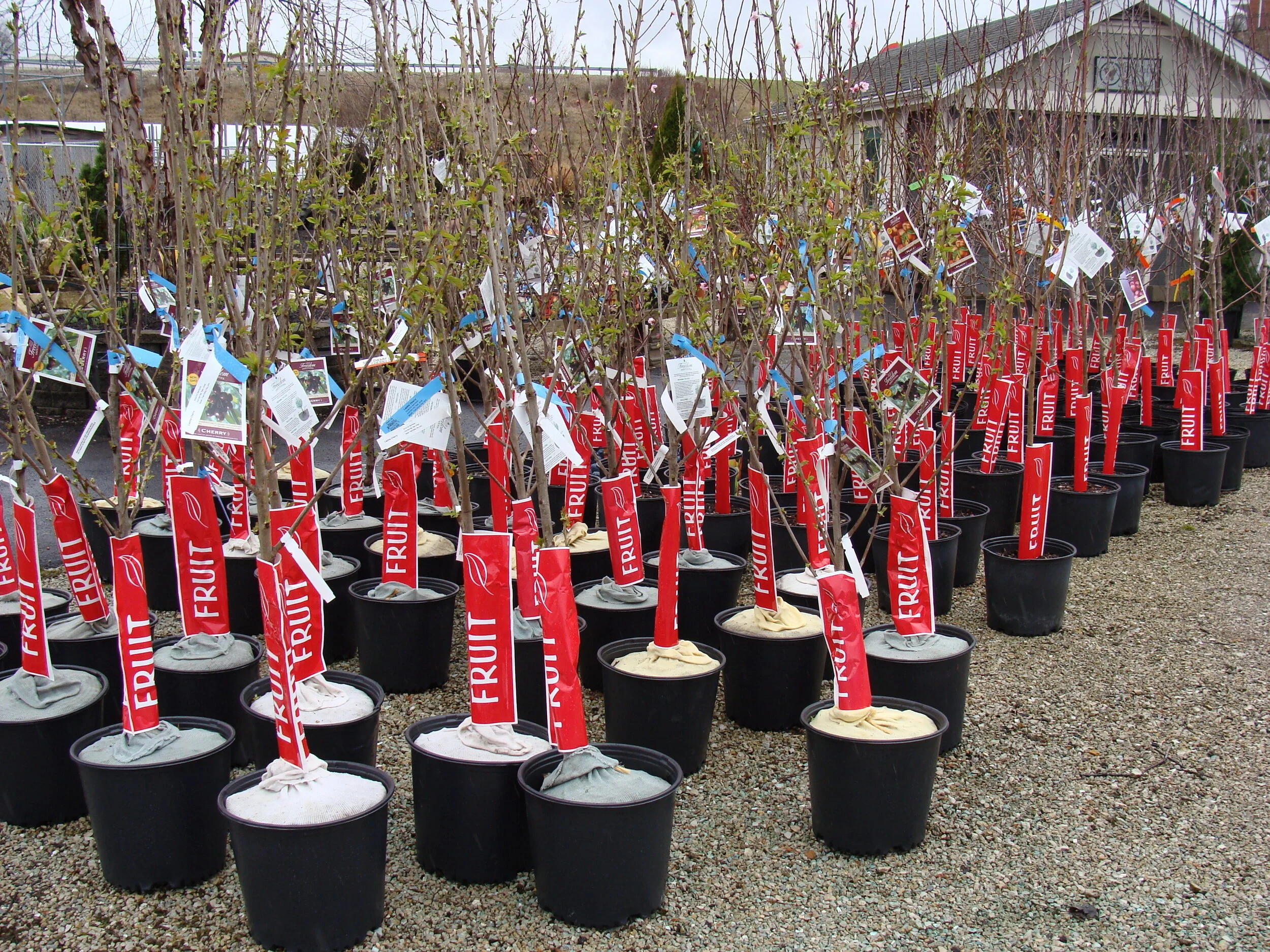
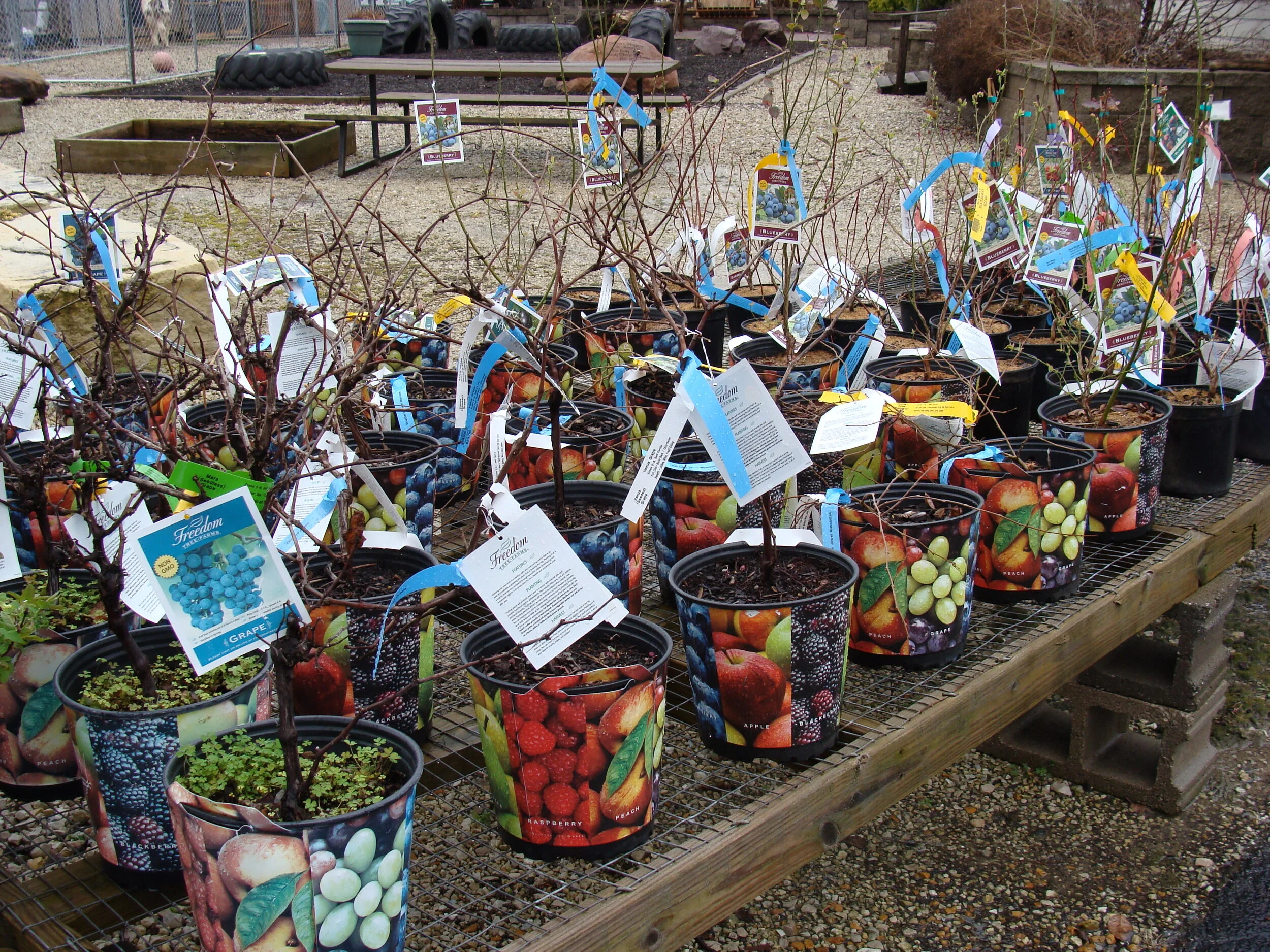
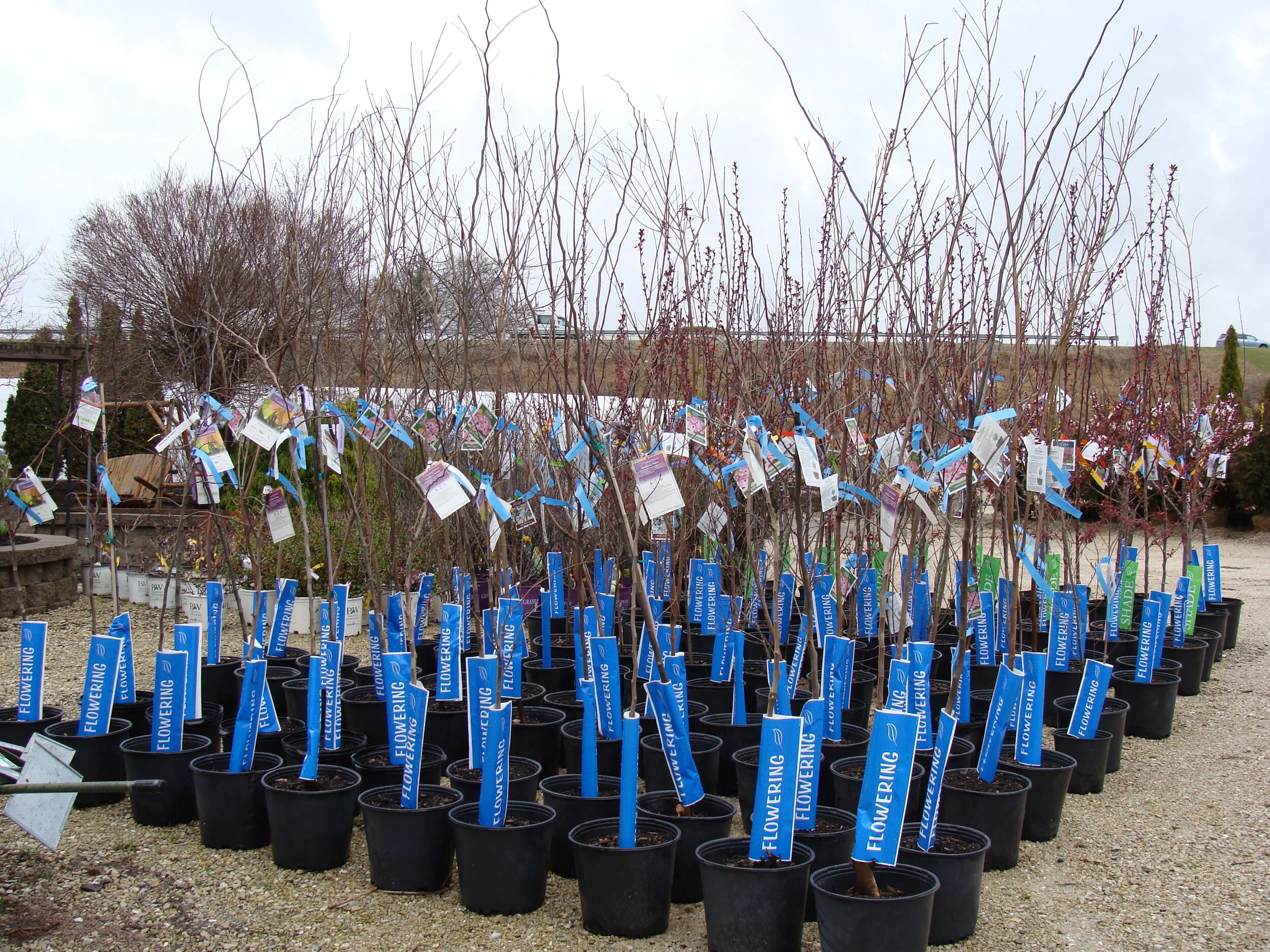
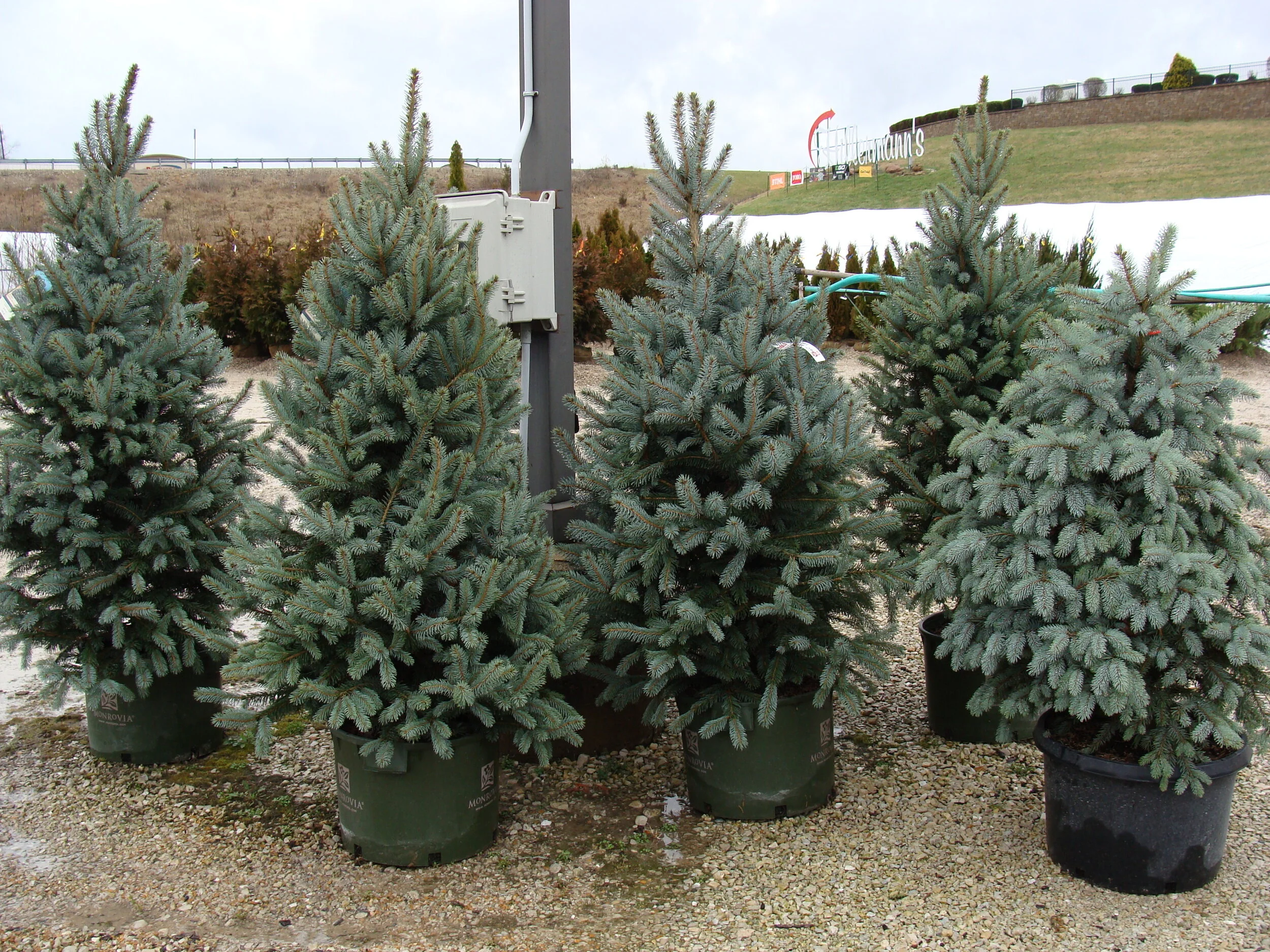
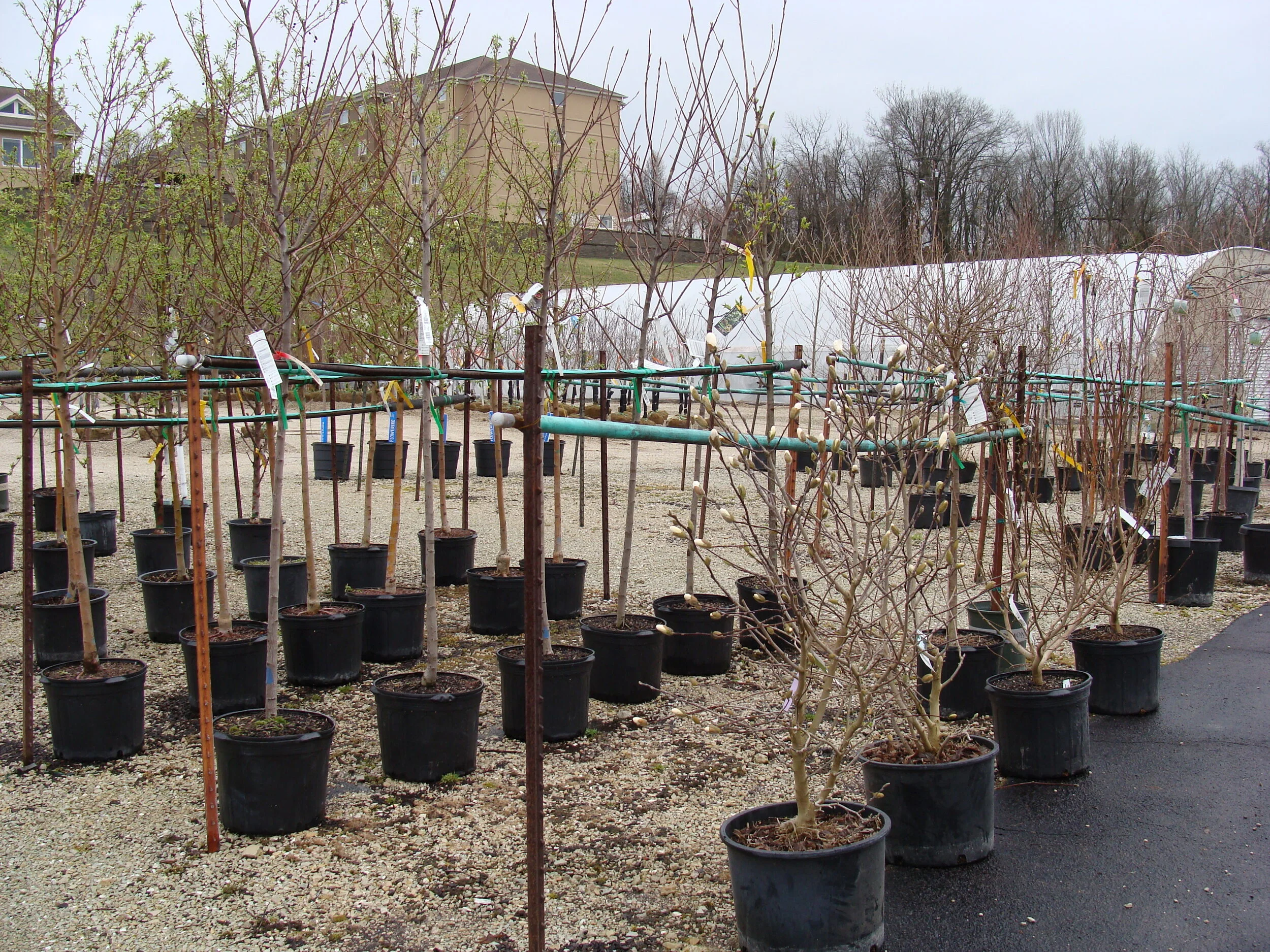
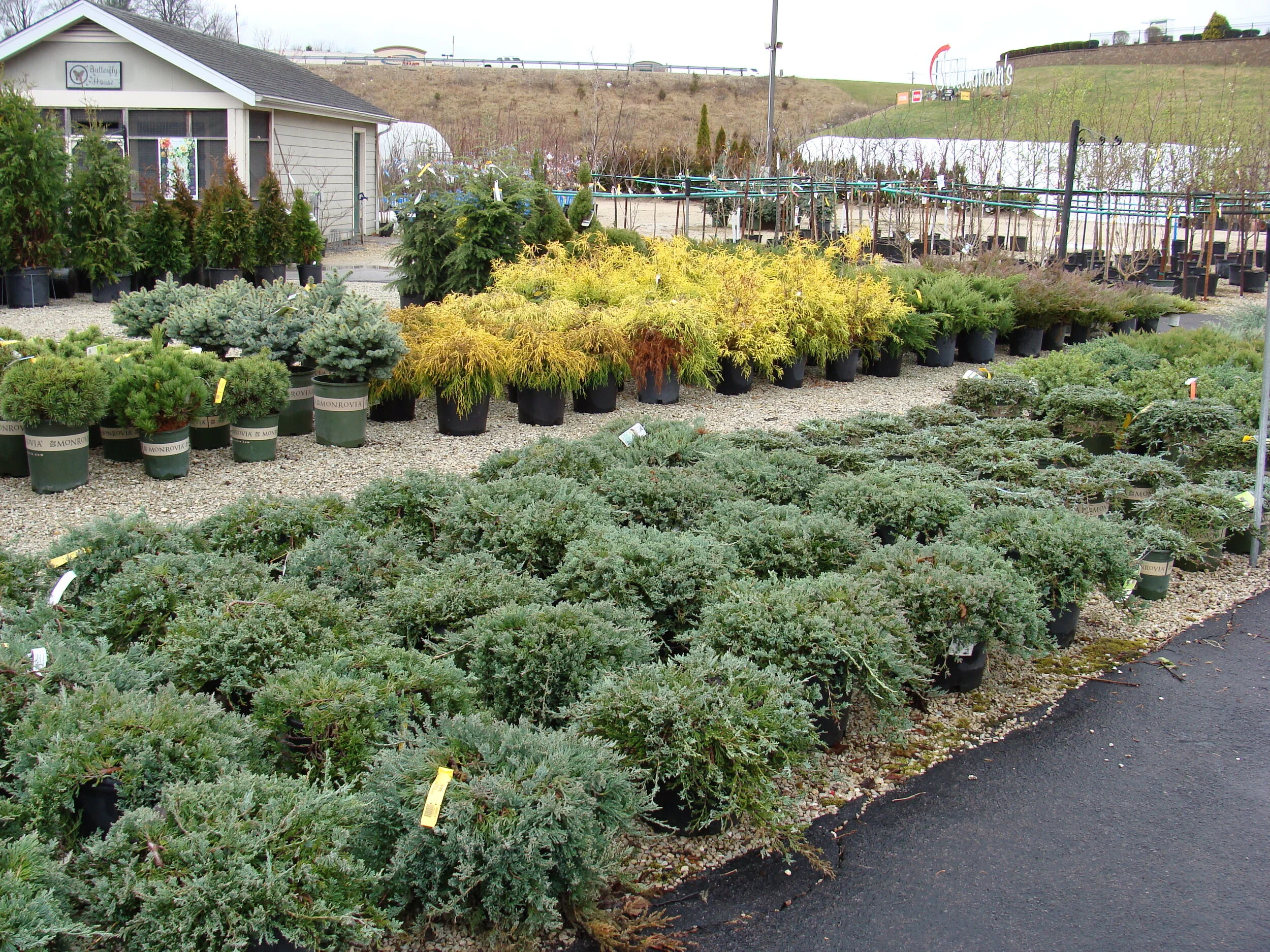
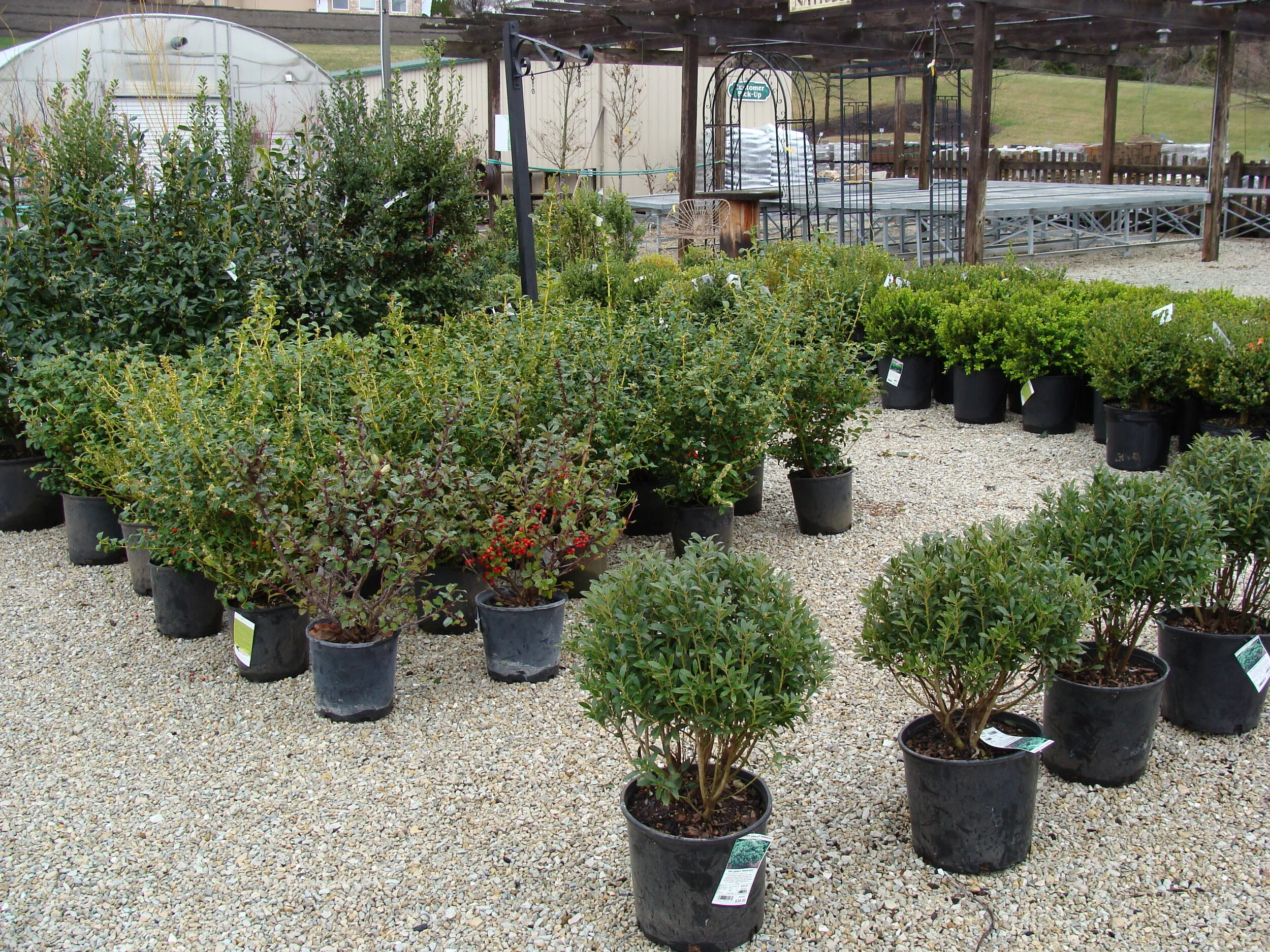
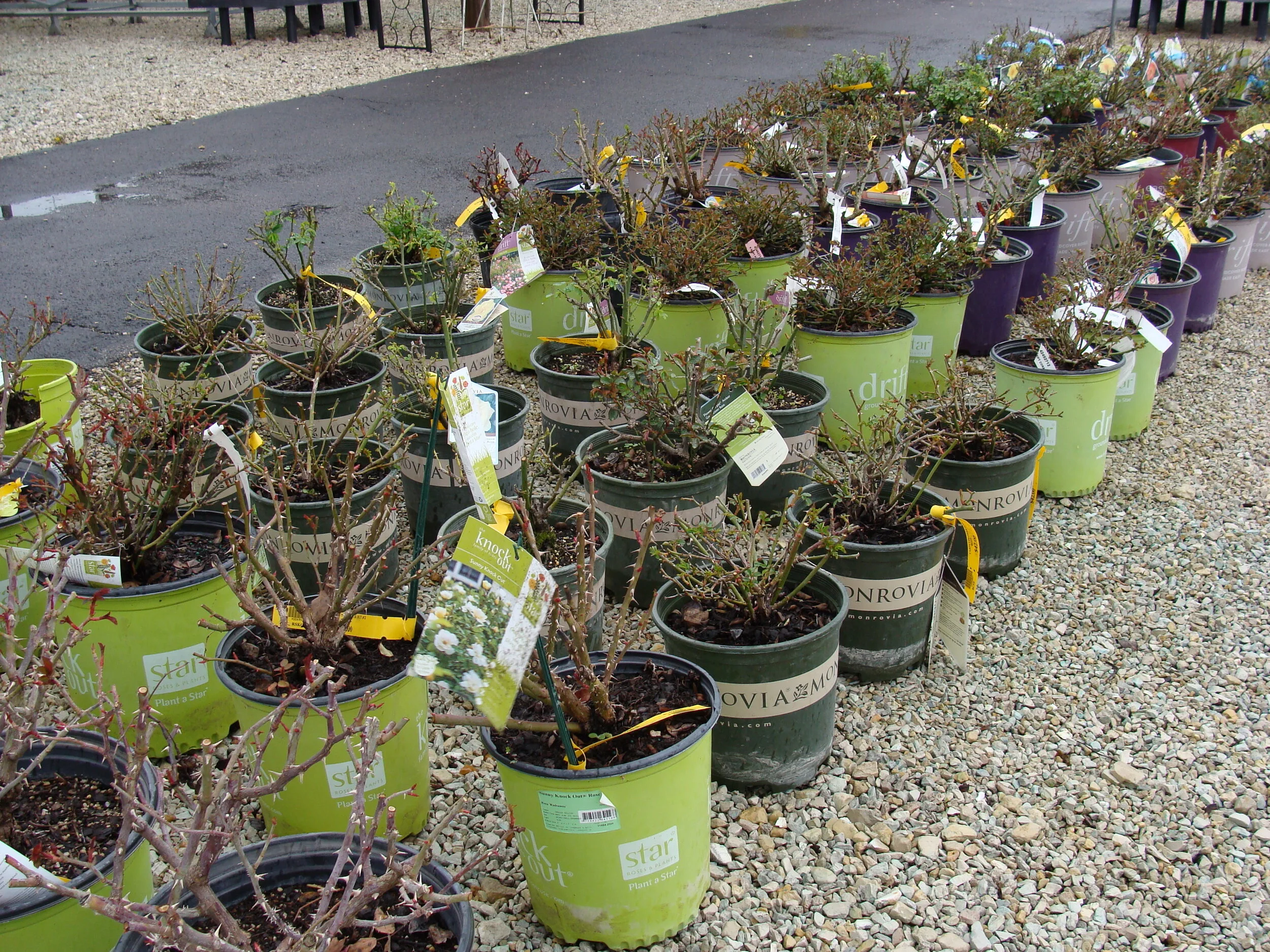
Spring is here and our sales areas are filling up! We are receiving new shipments daily! See the photo gallery below for a sample of some of the new items that are available now! See the previous blog post for items that we’ve already received.
Just Arrived – Come See What’s New!









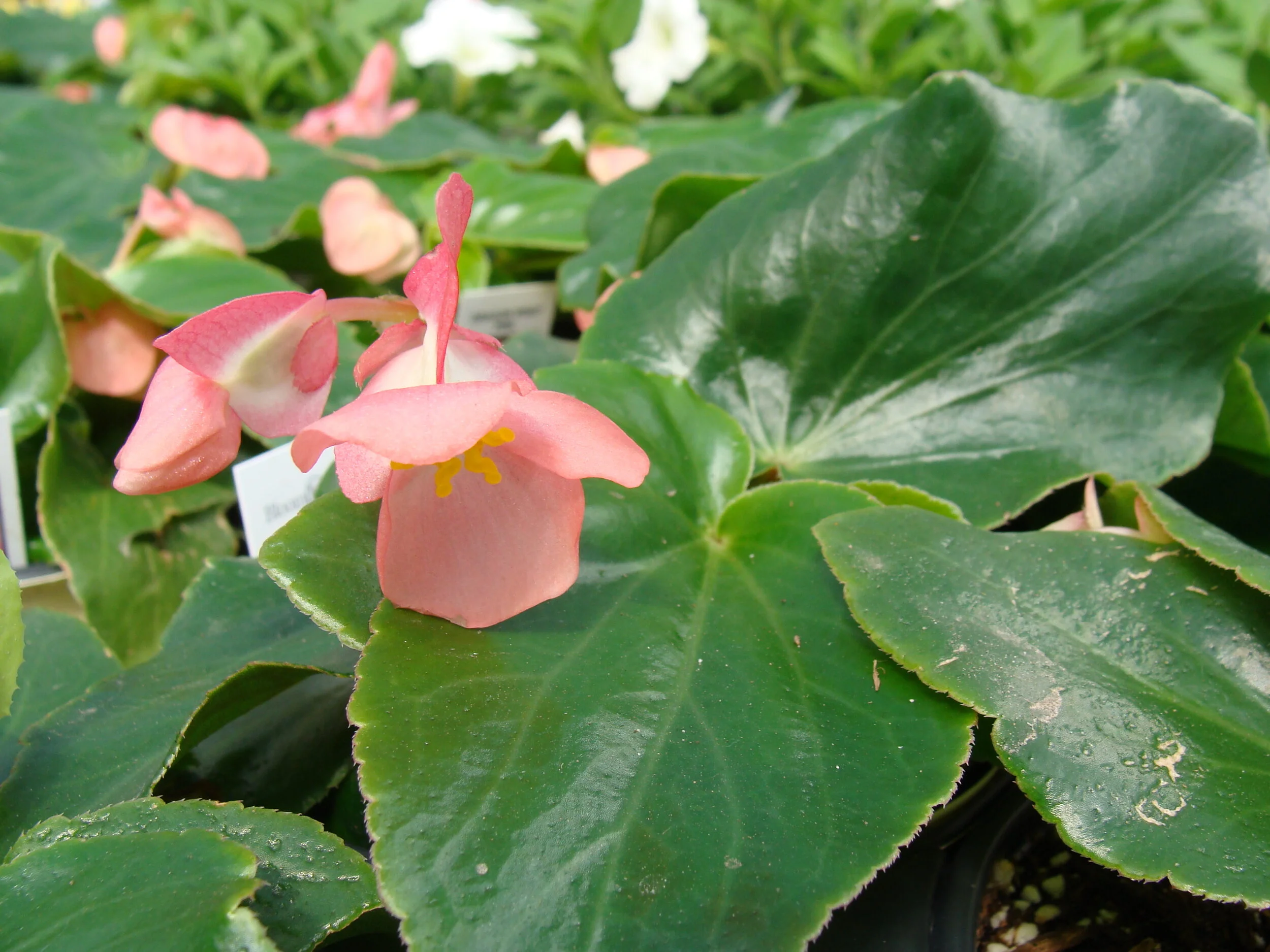
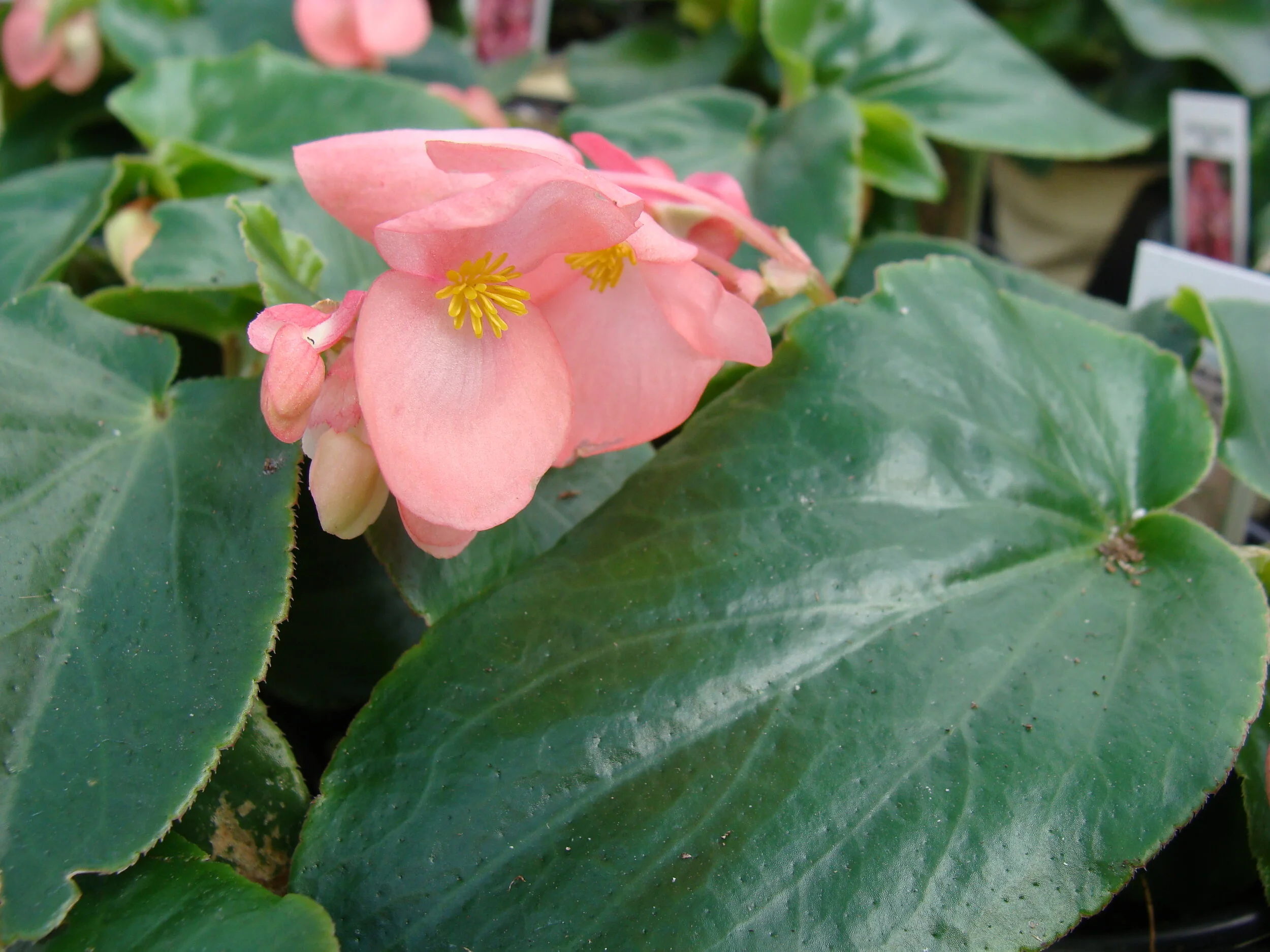
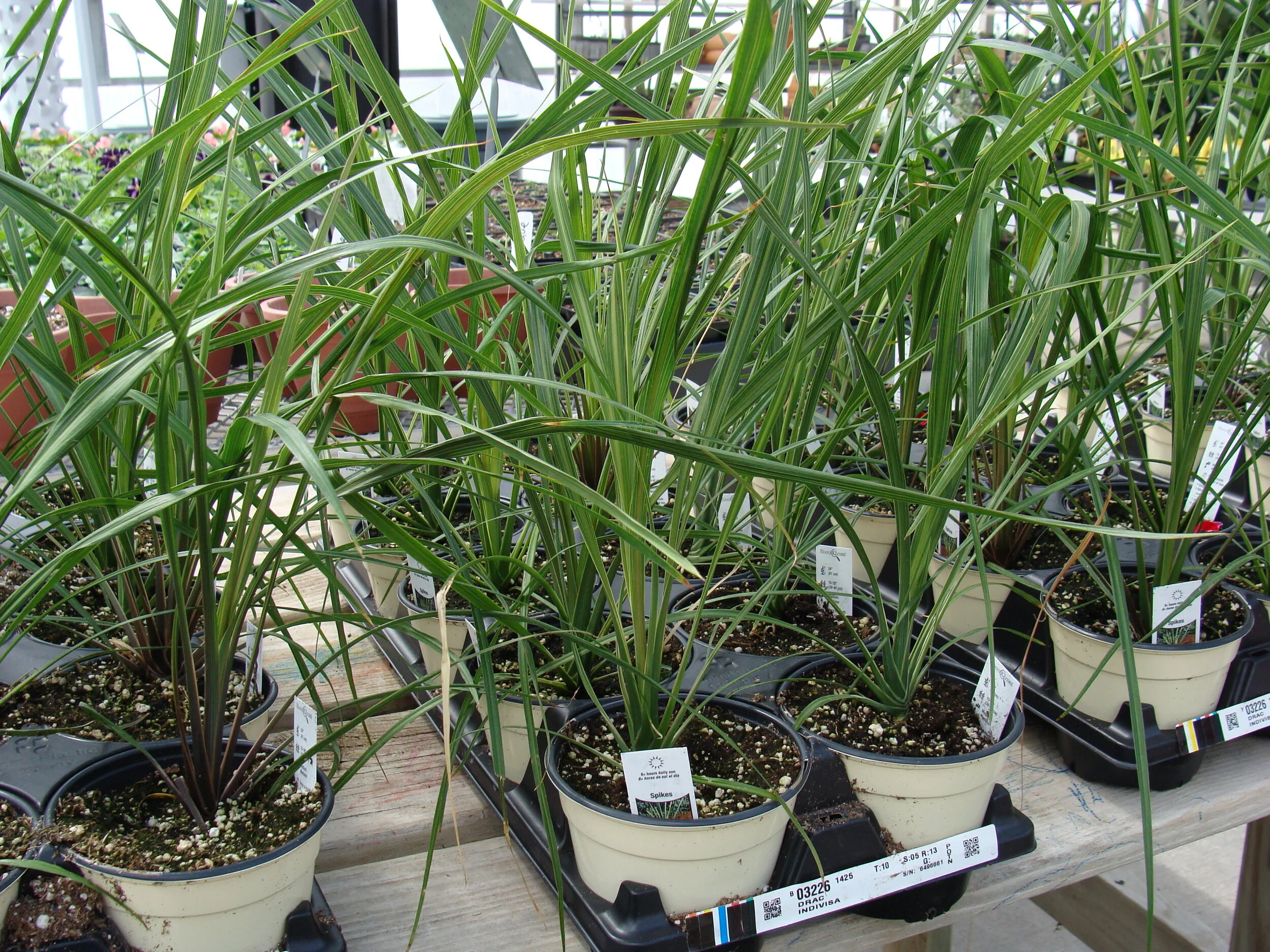


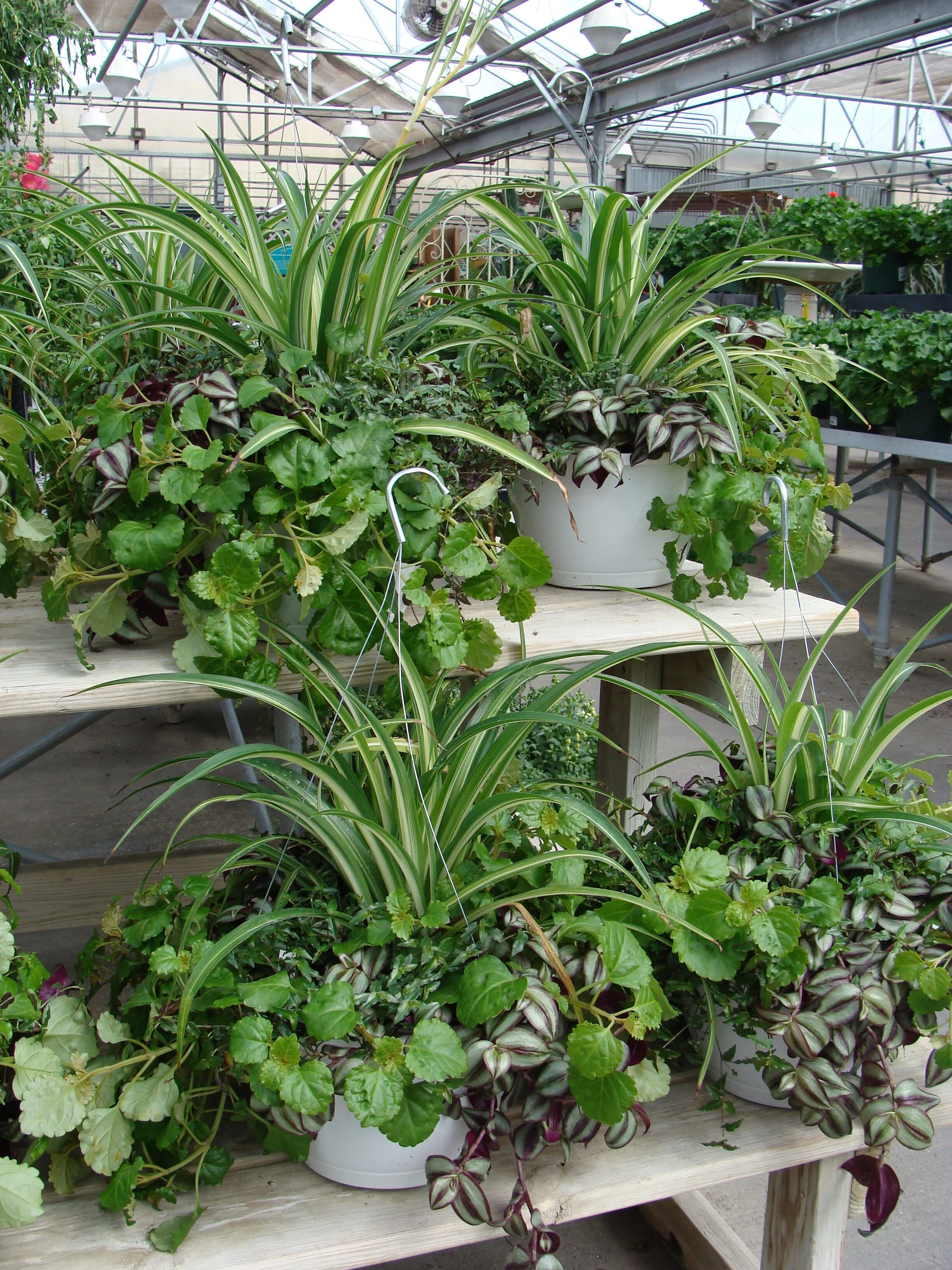
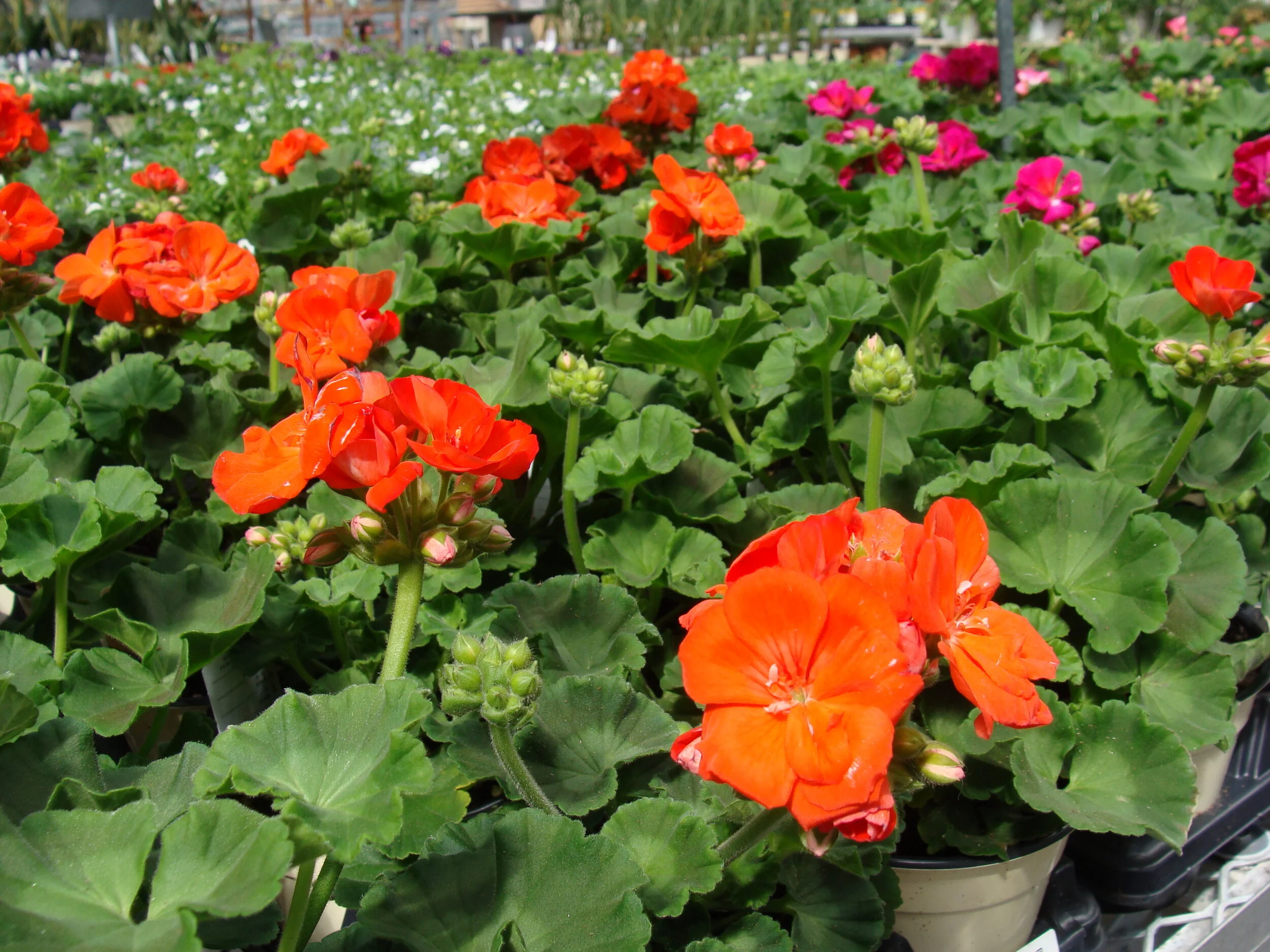
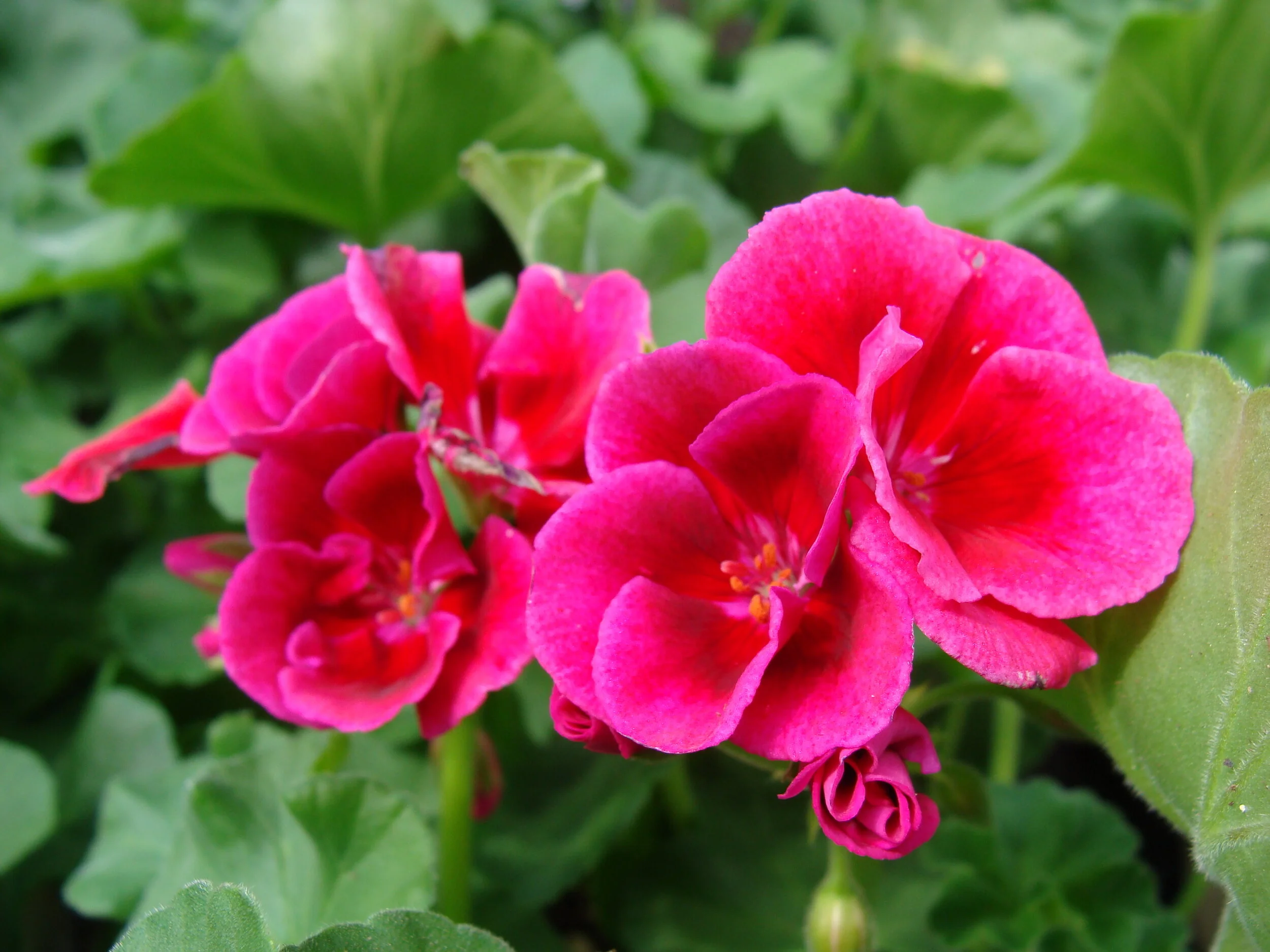
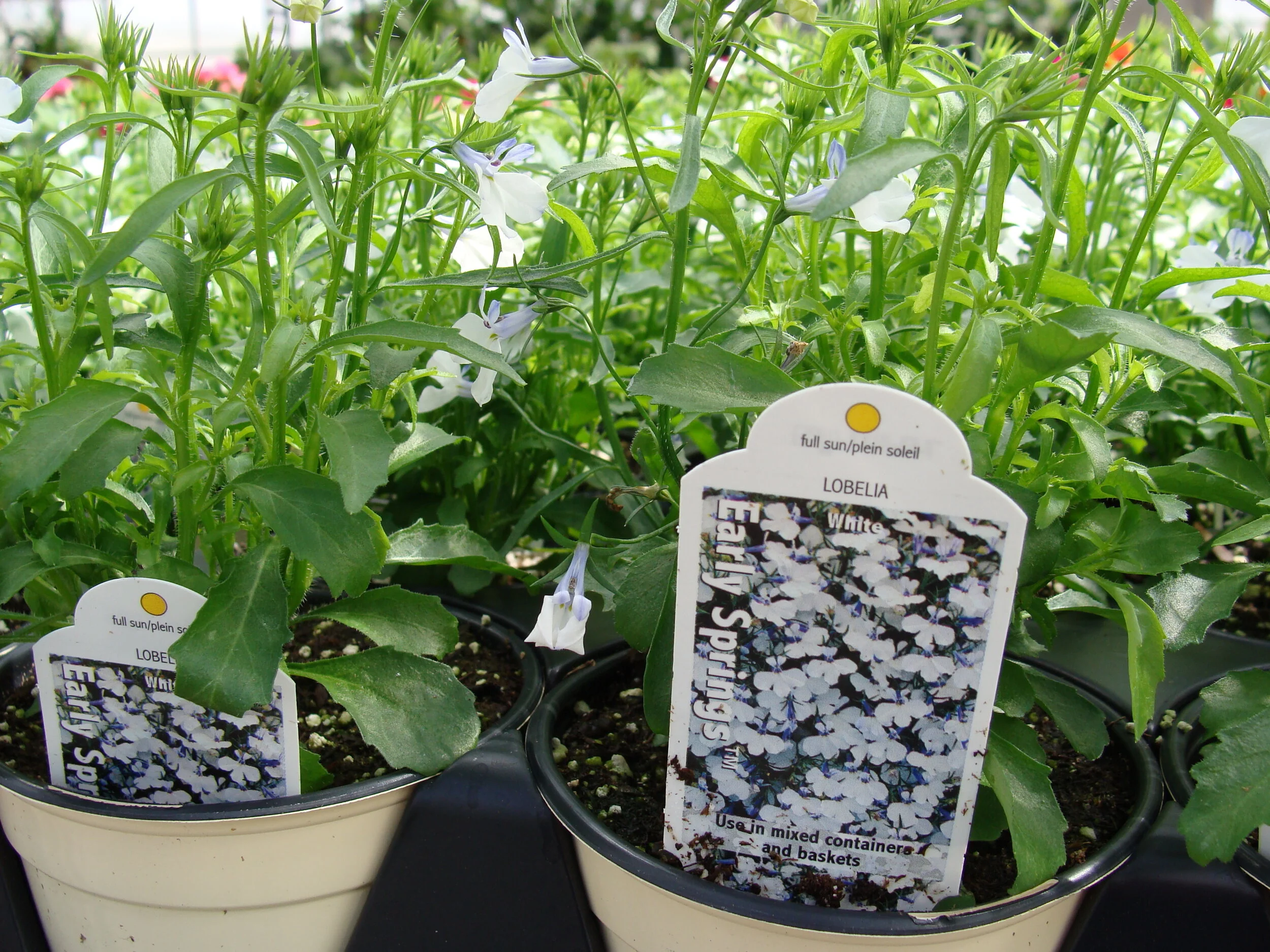
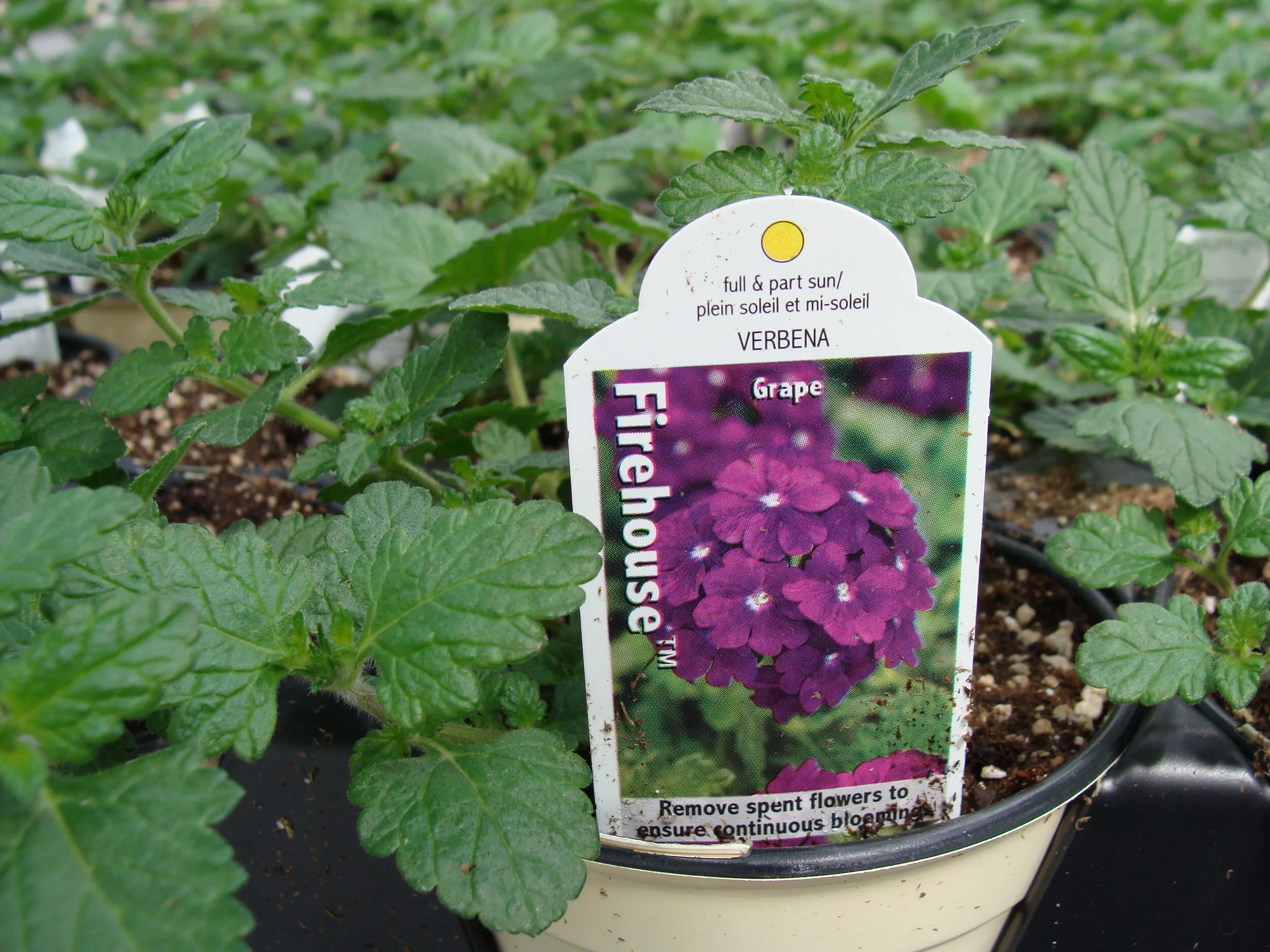

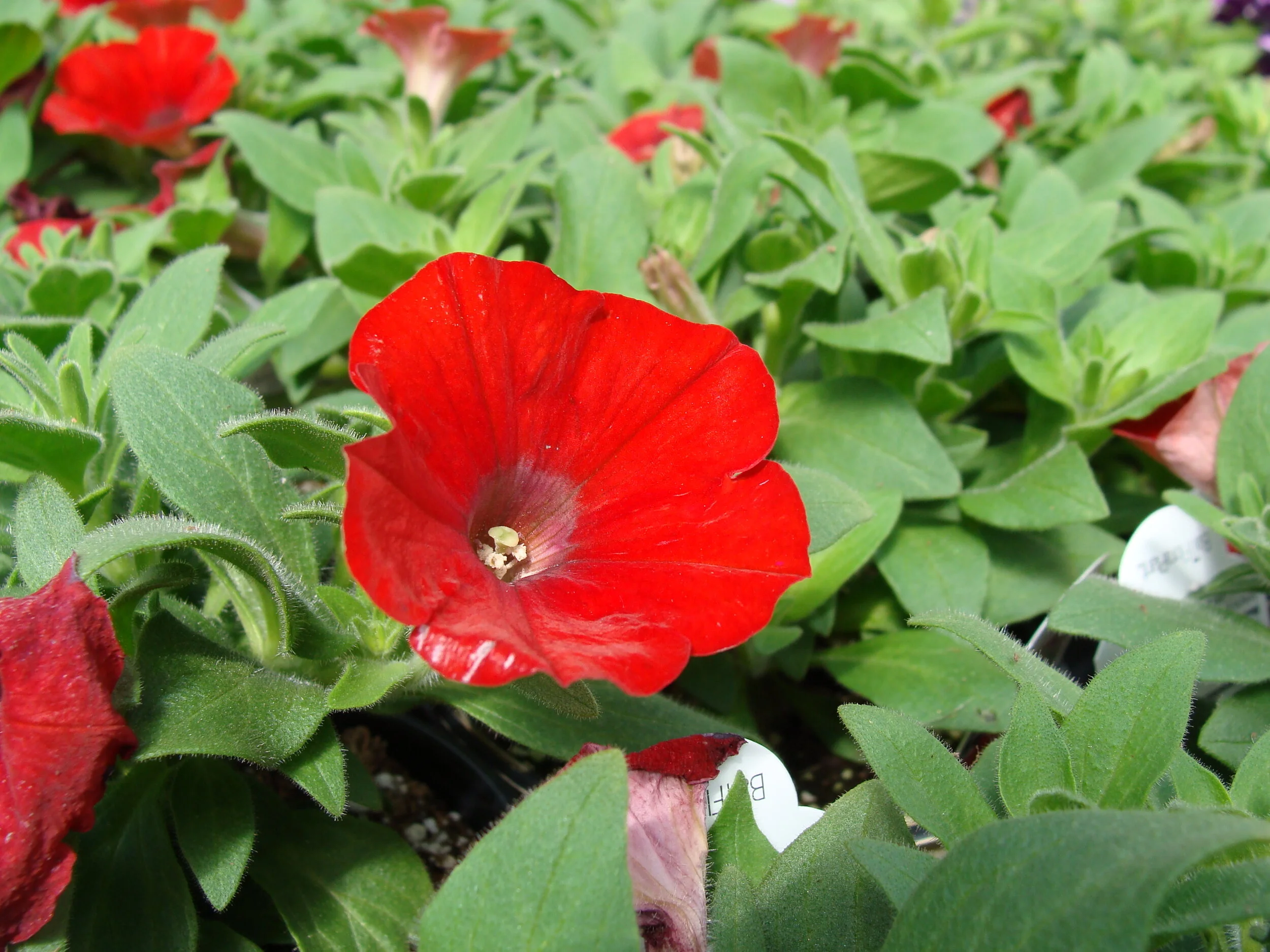

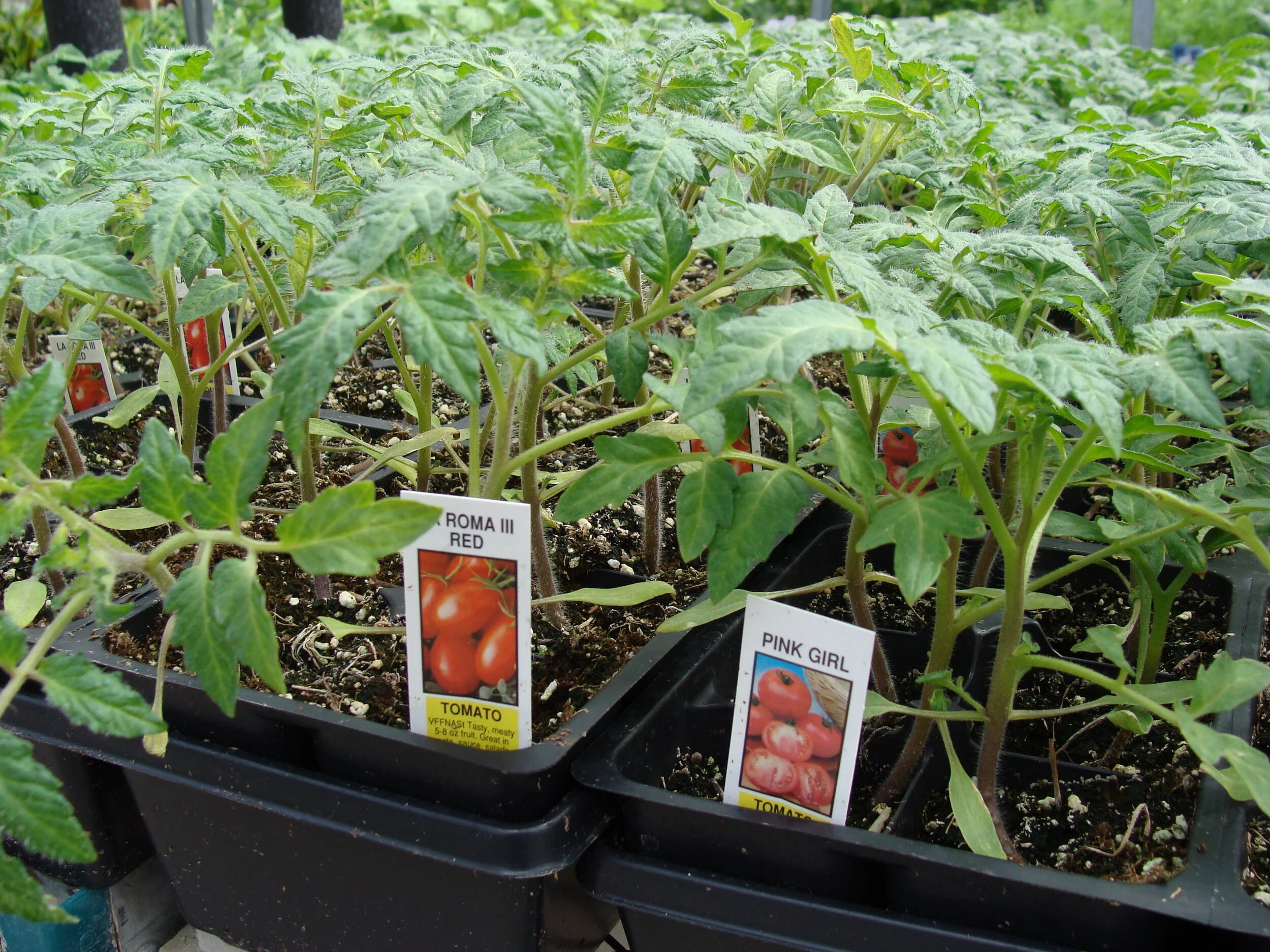

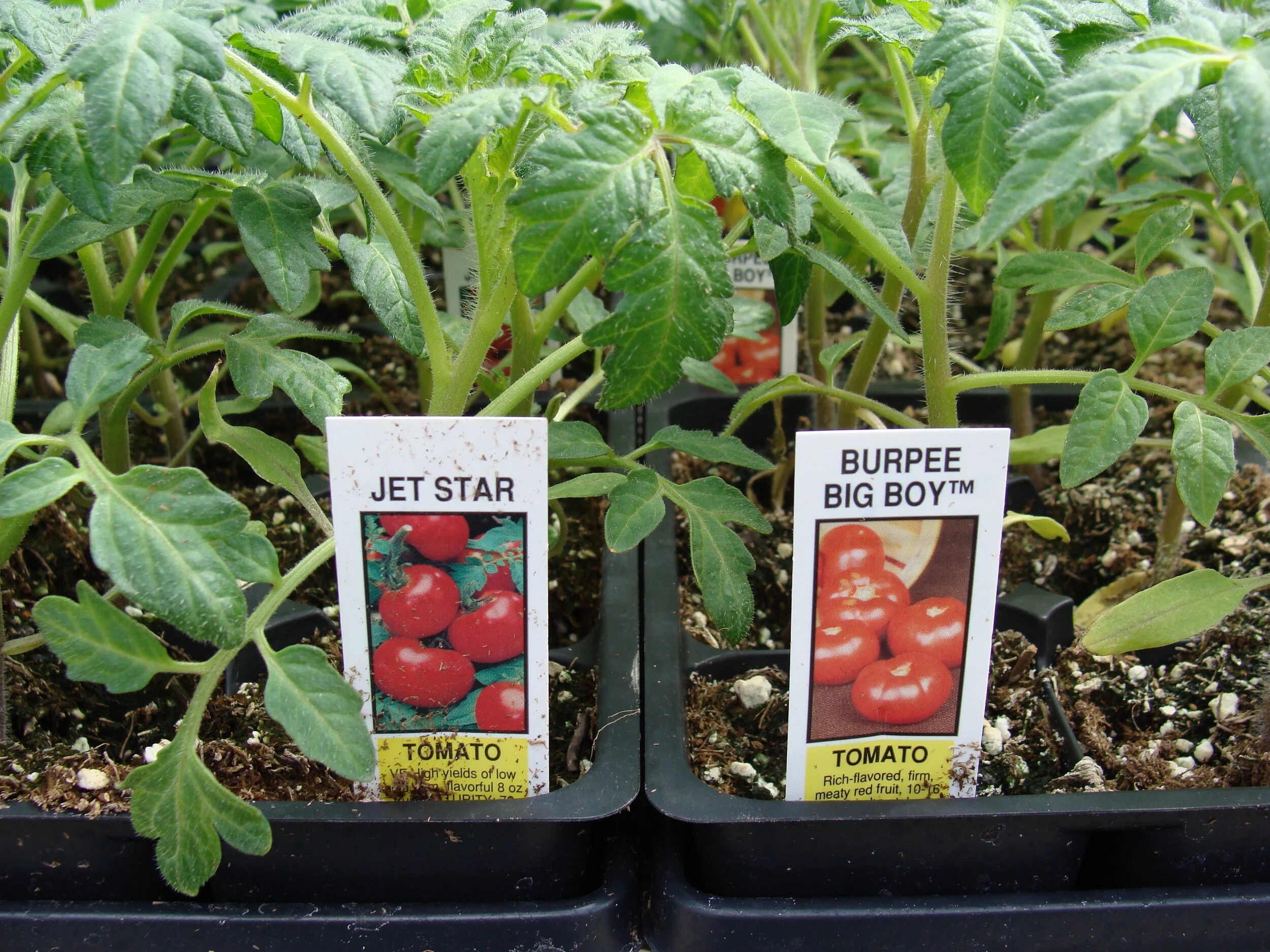
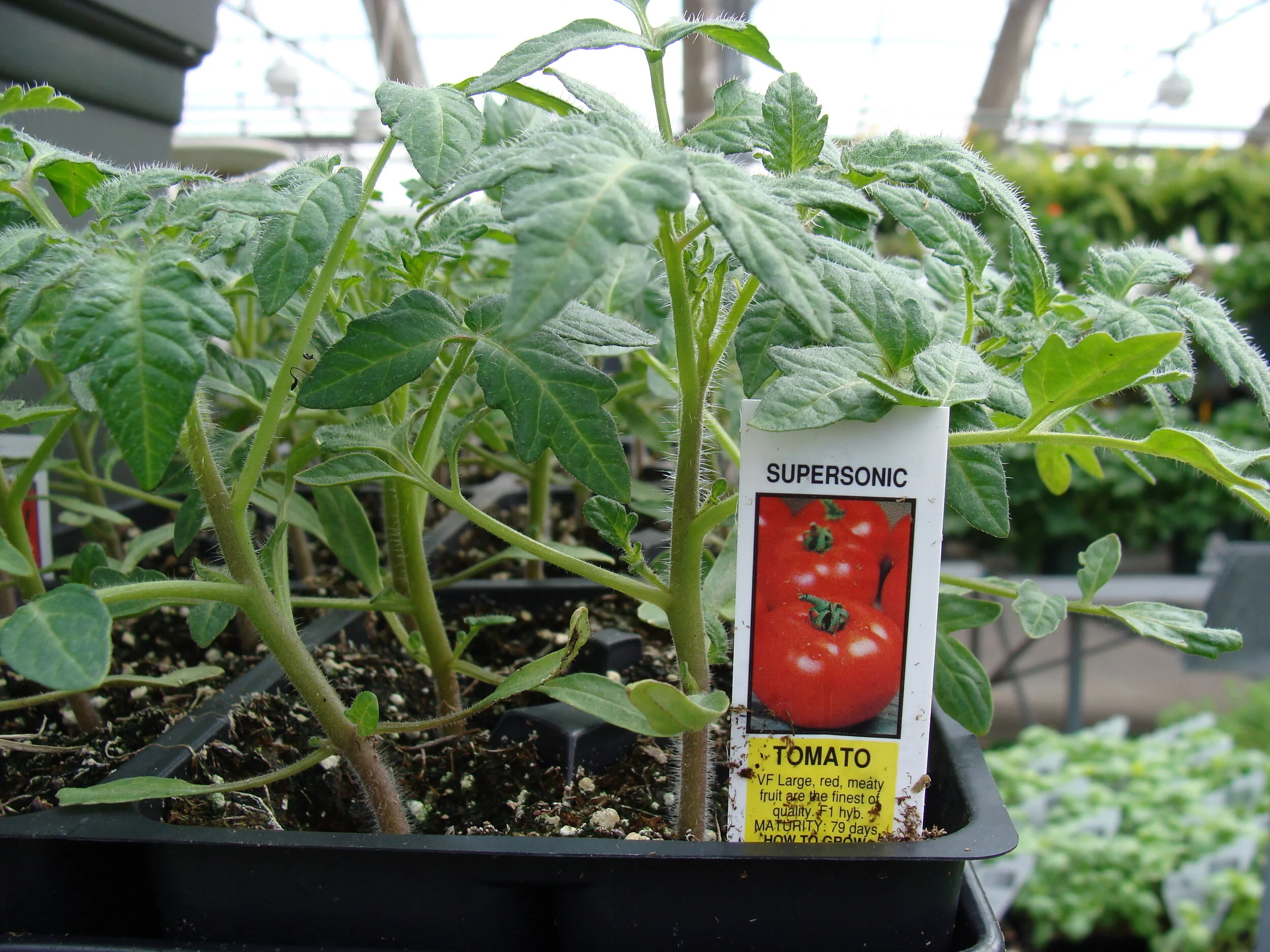
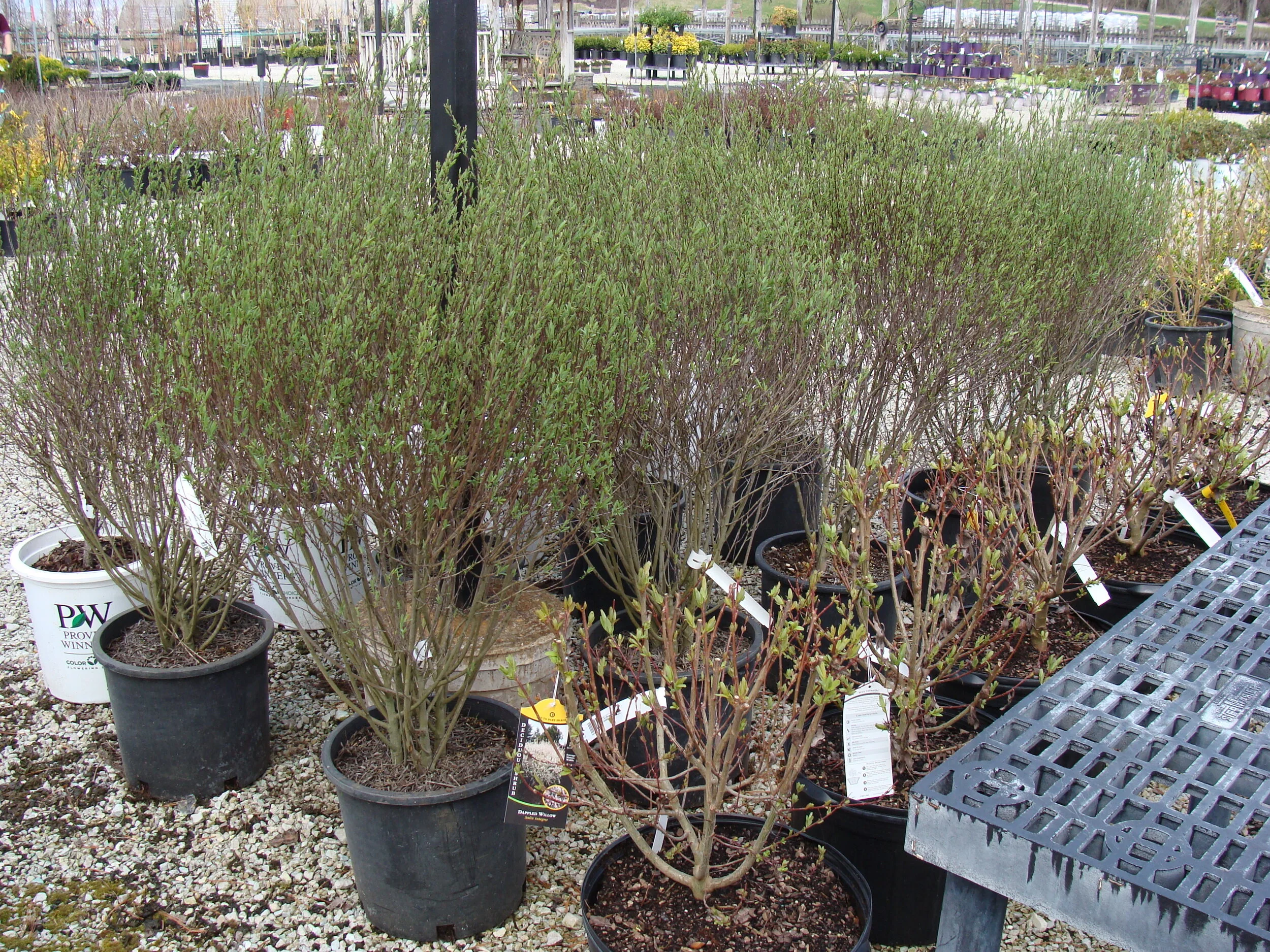
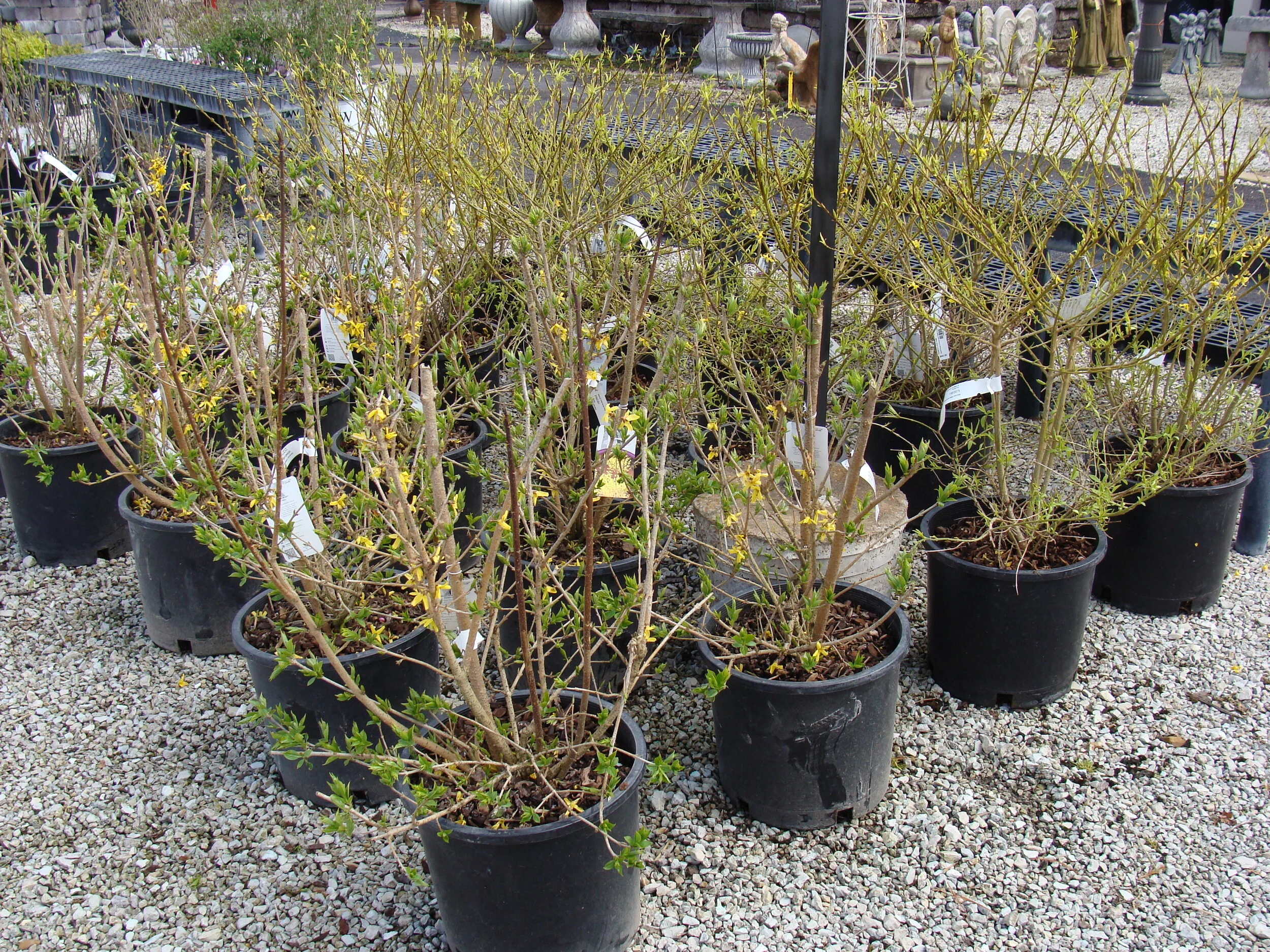
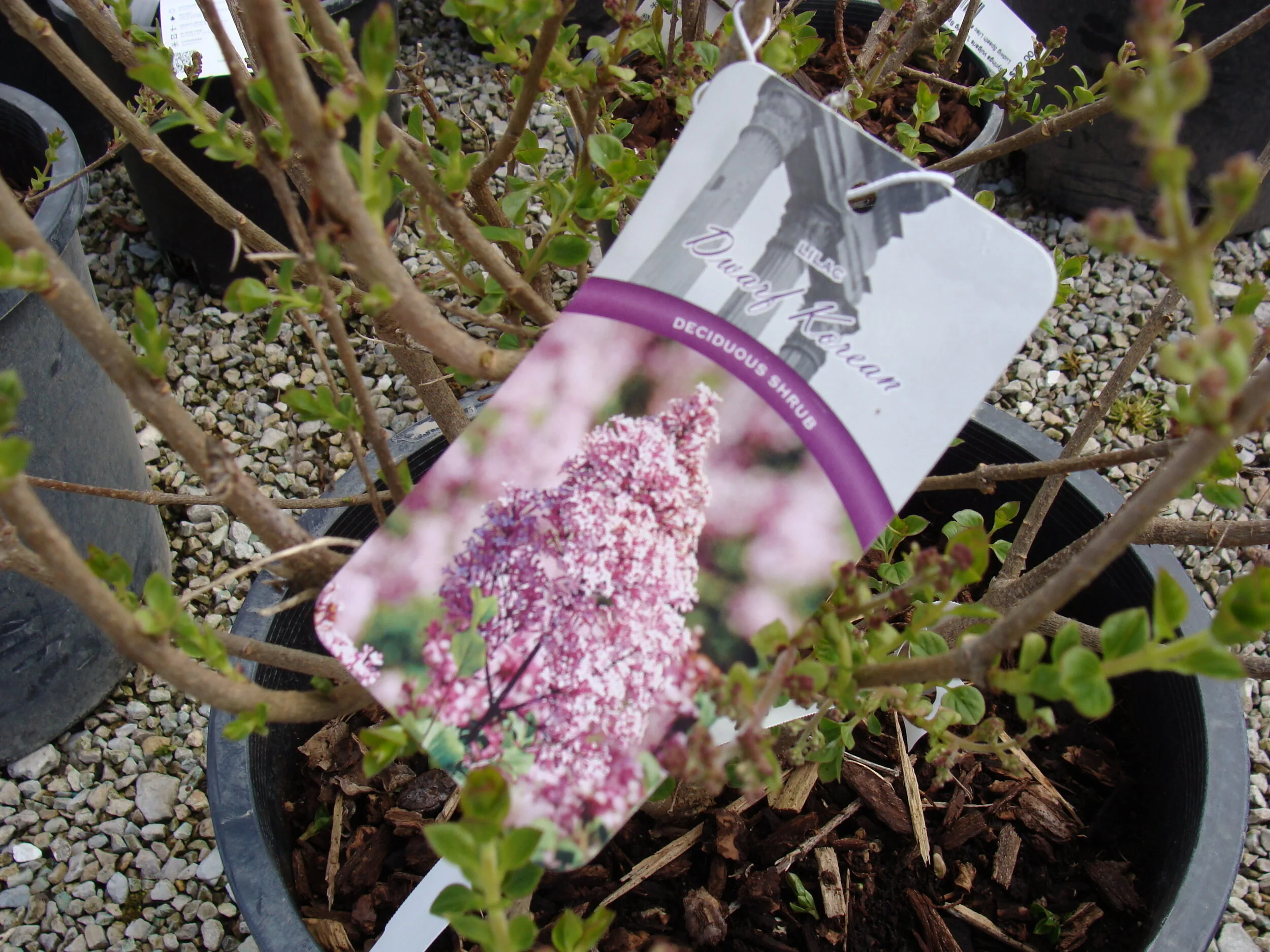
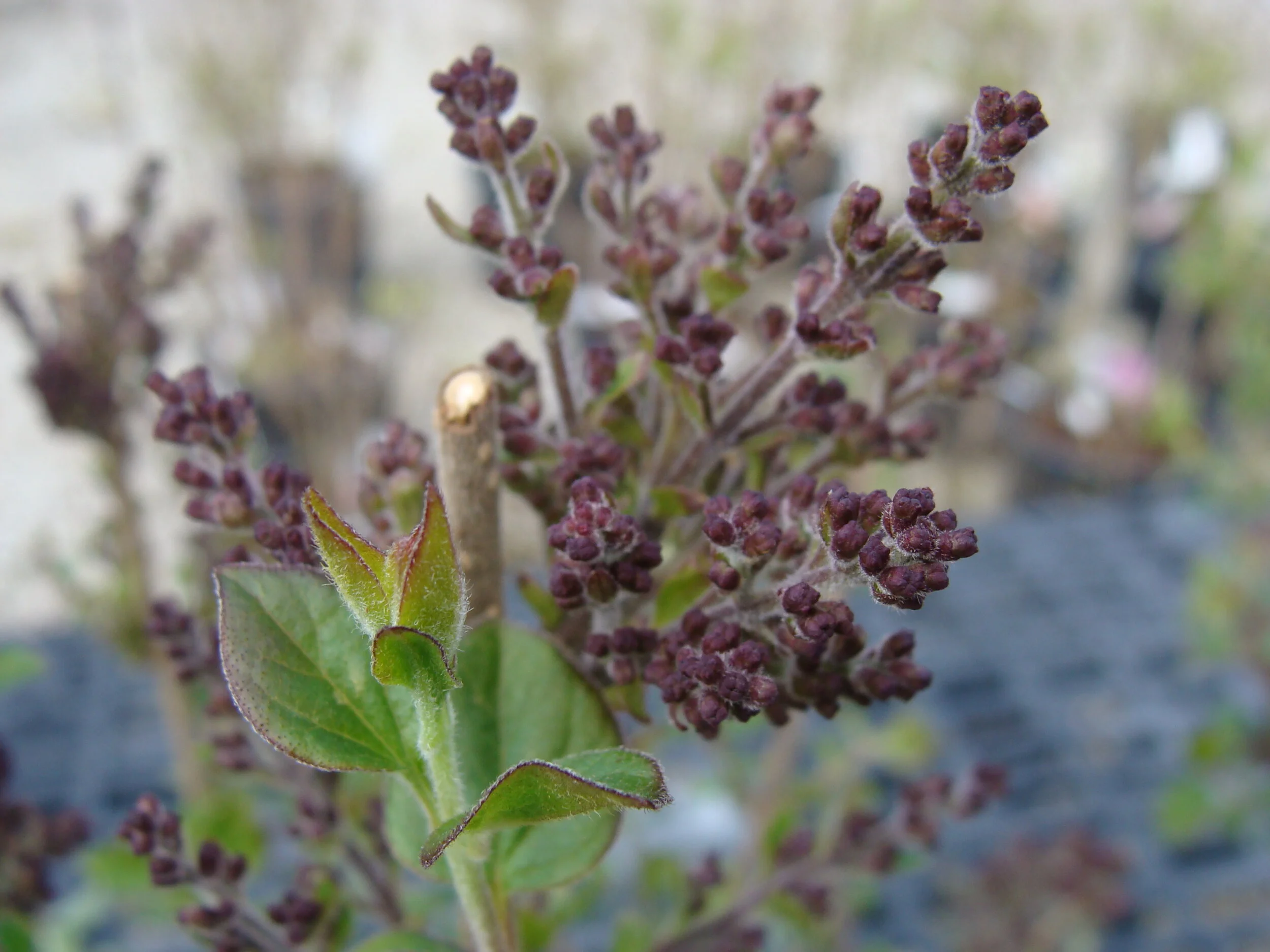

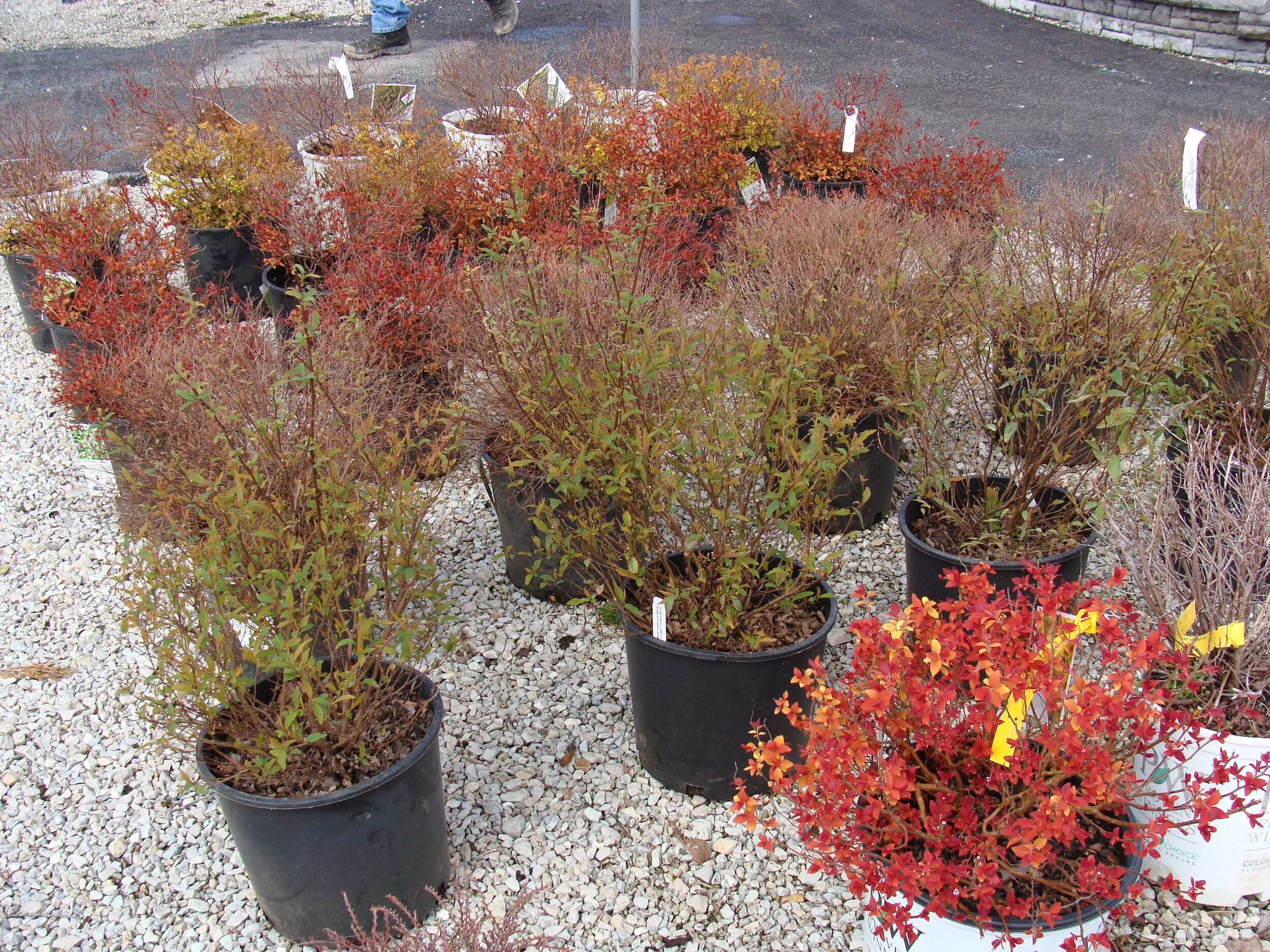
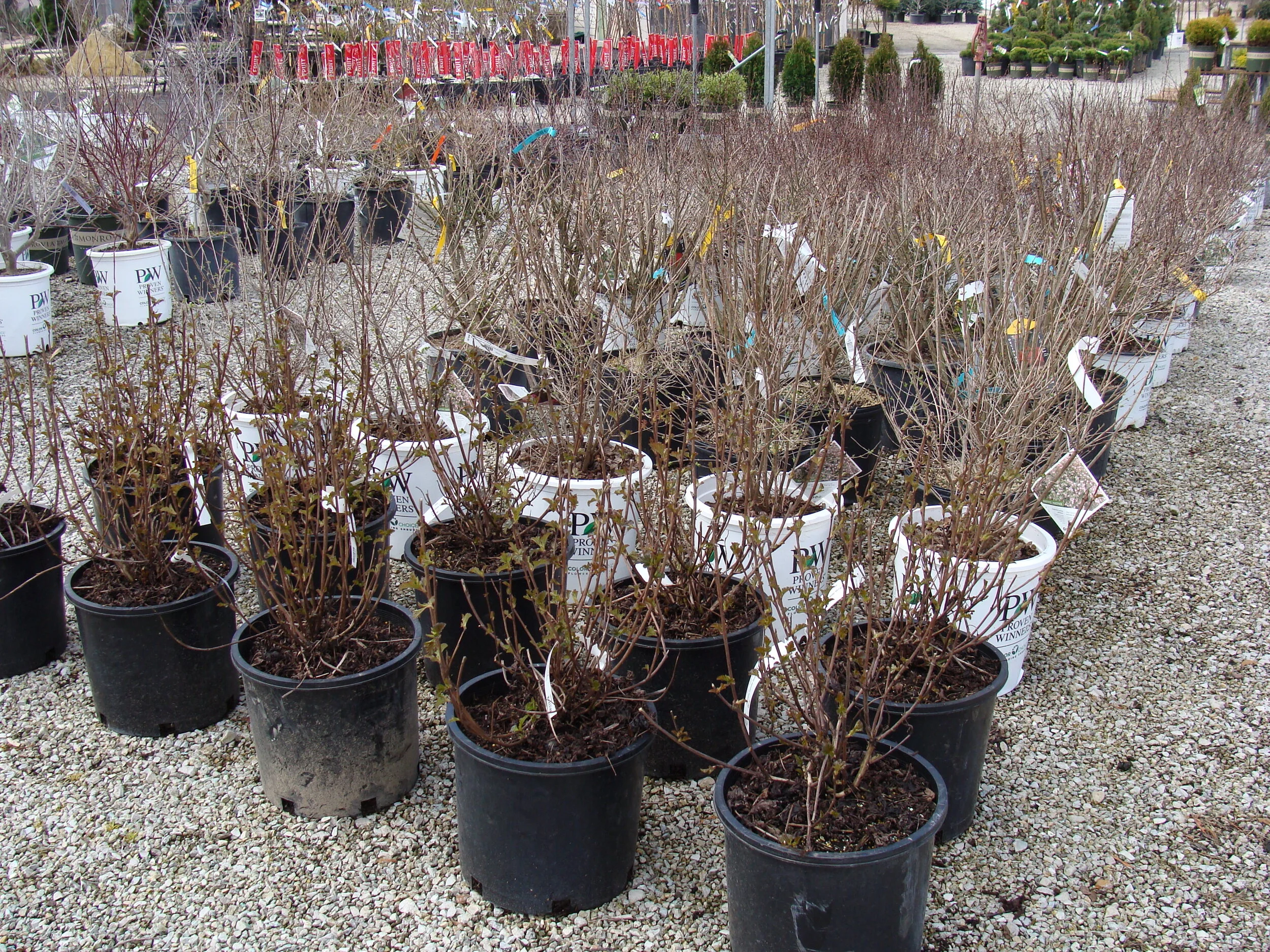
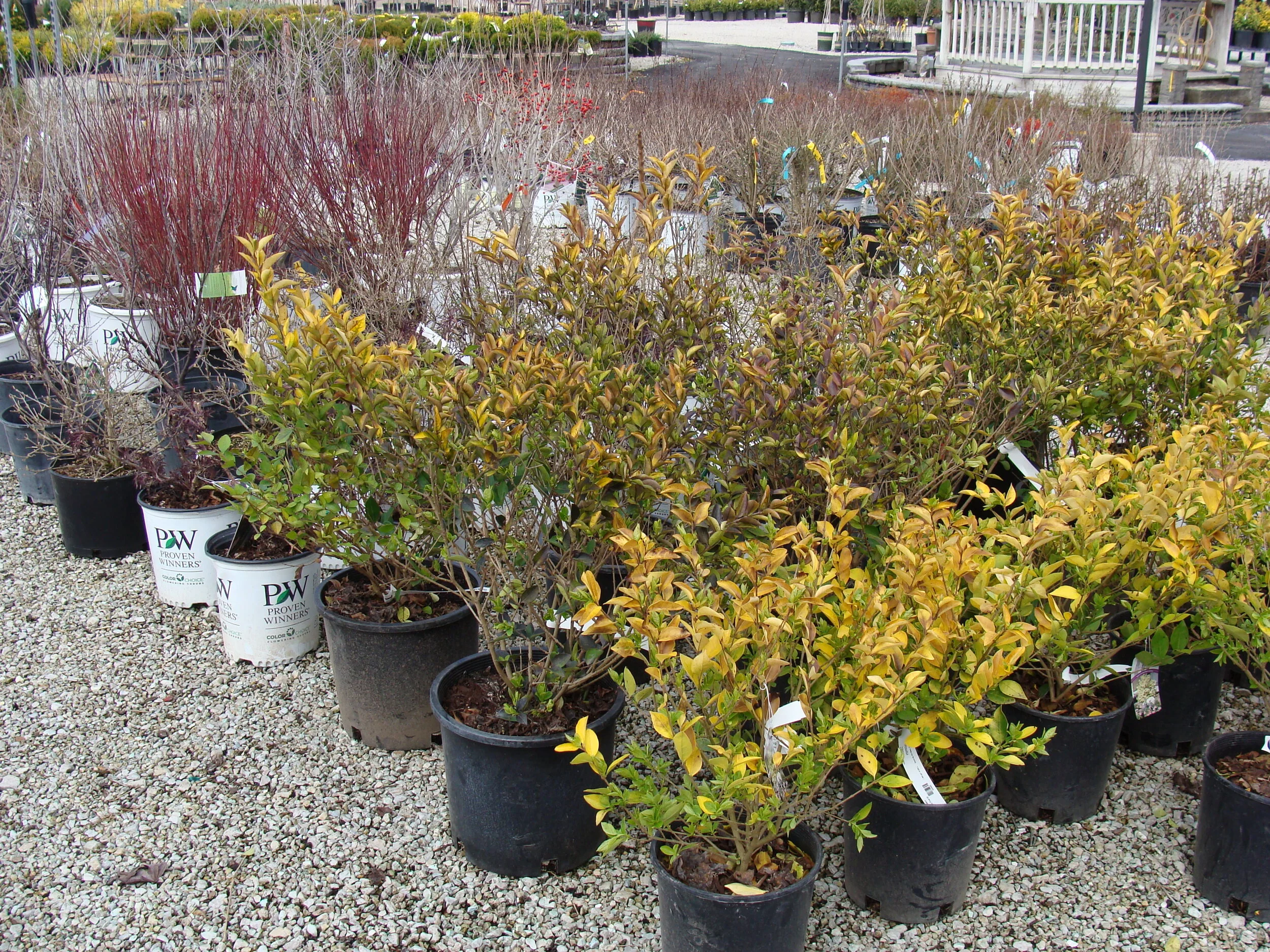
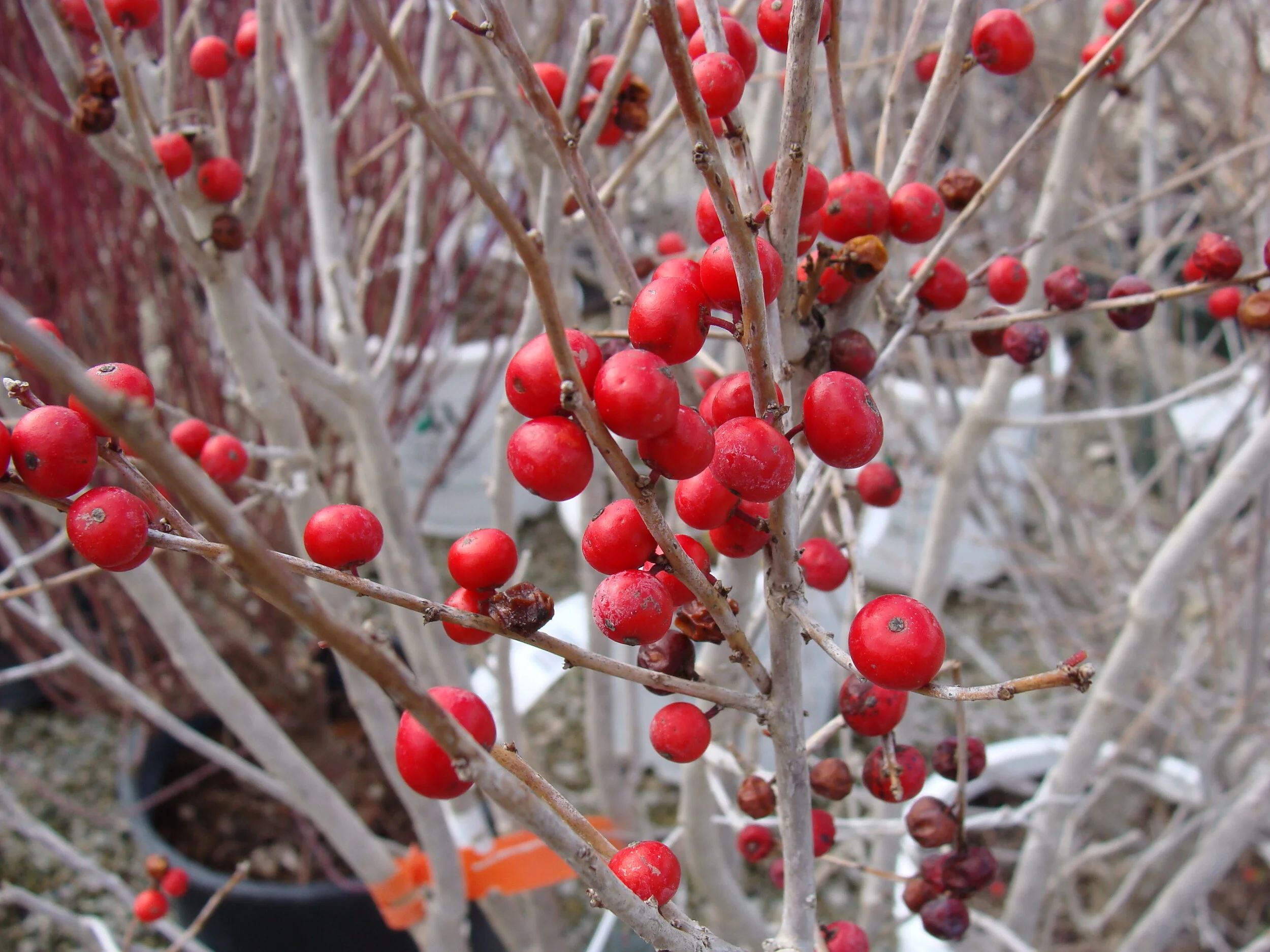


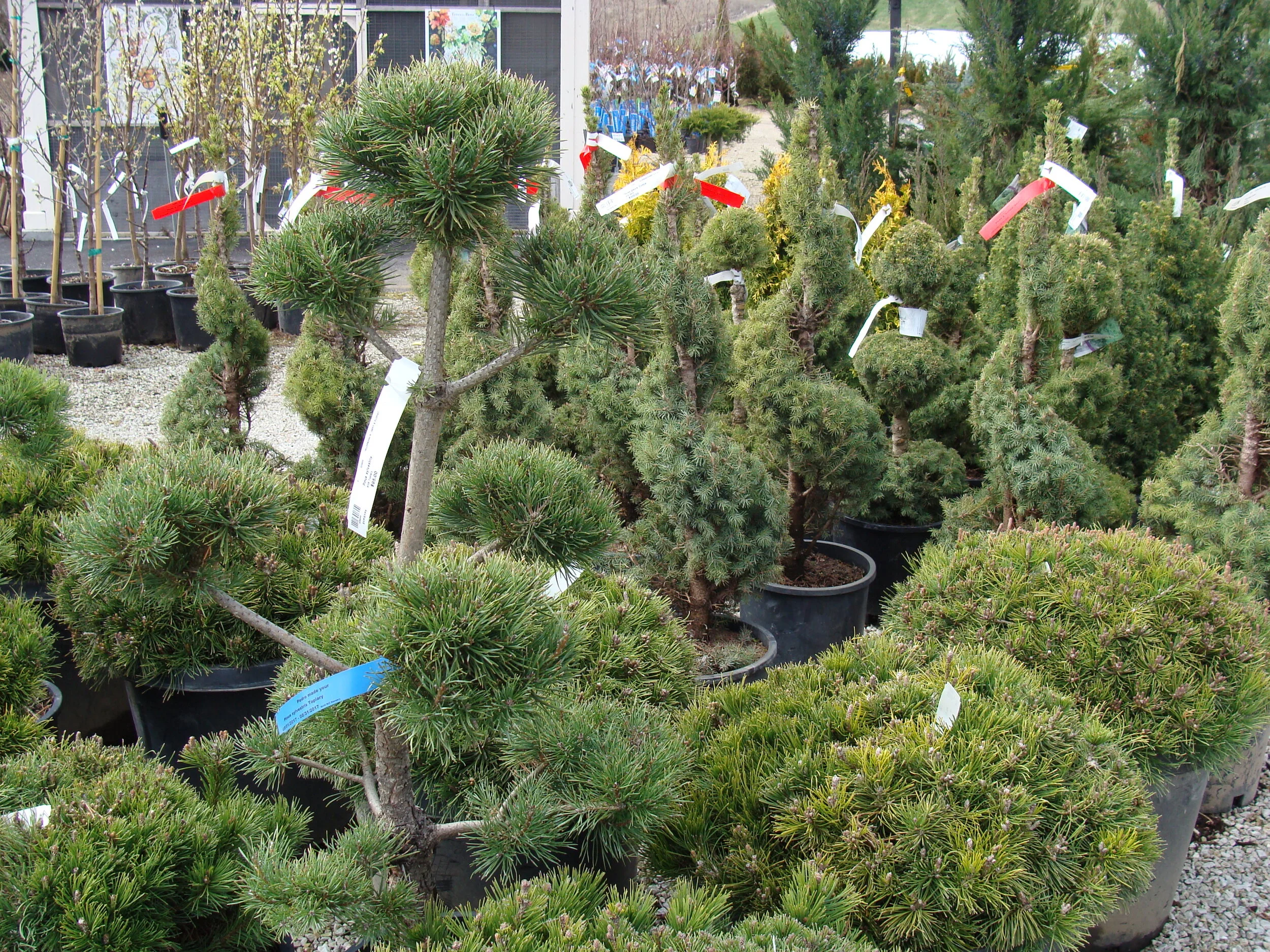
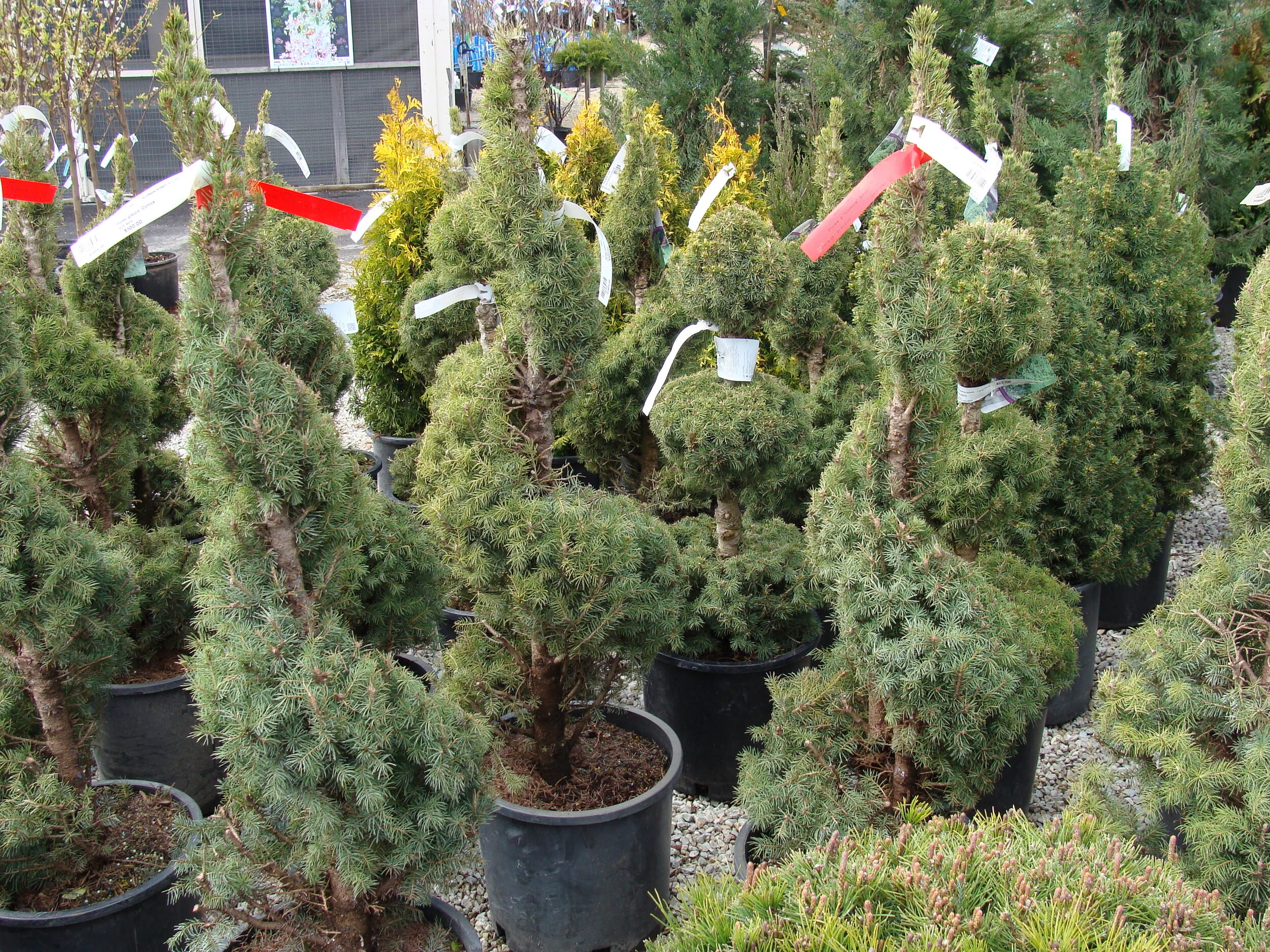


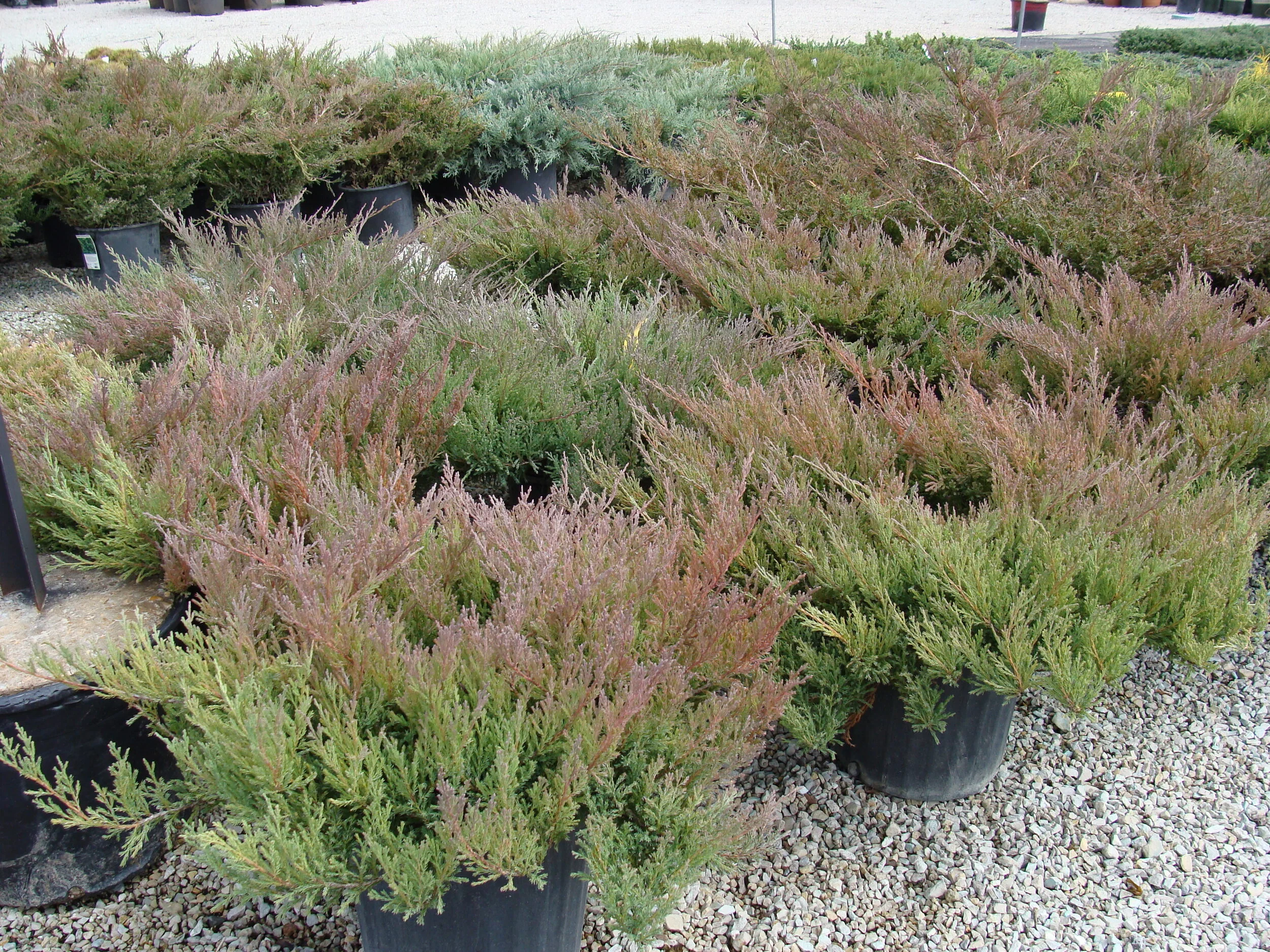
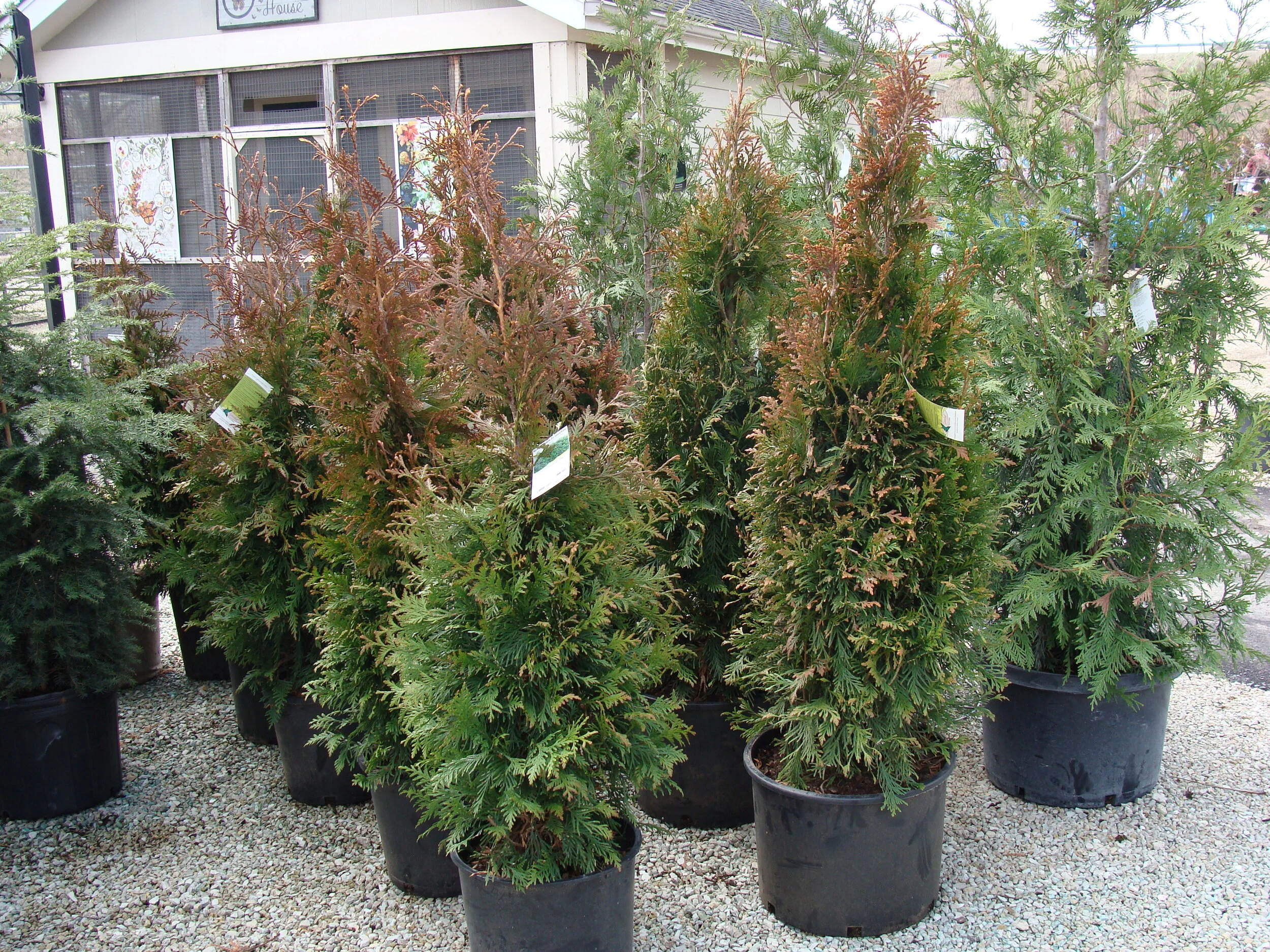

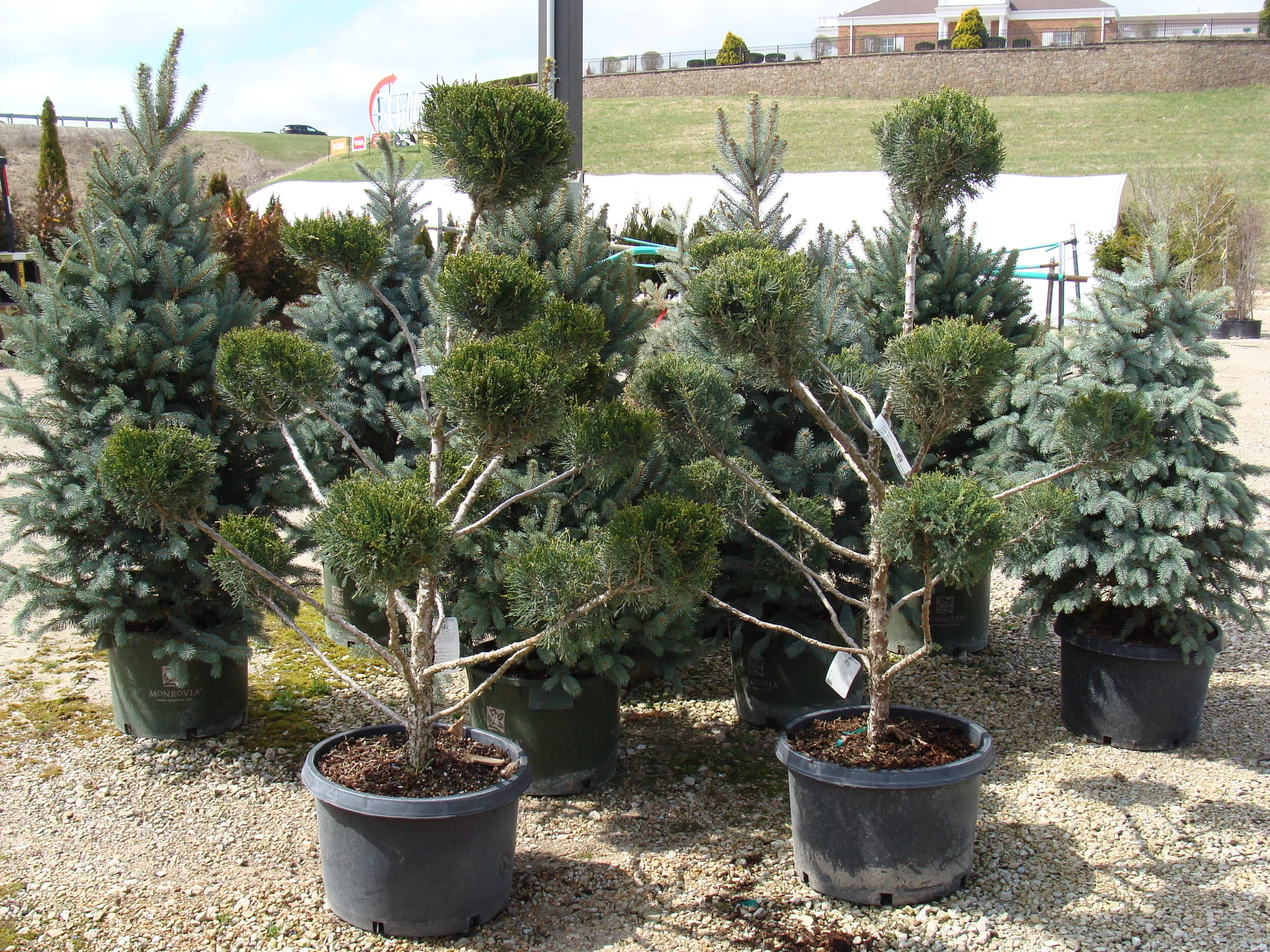
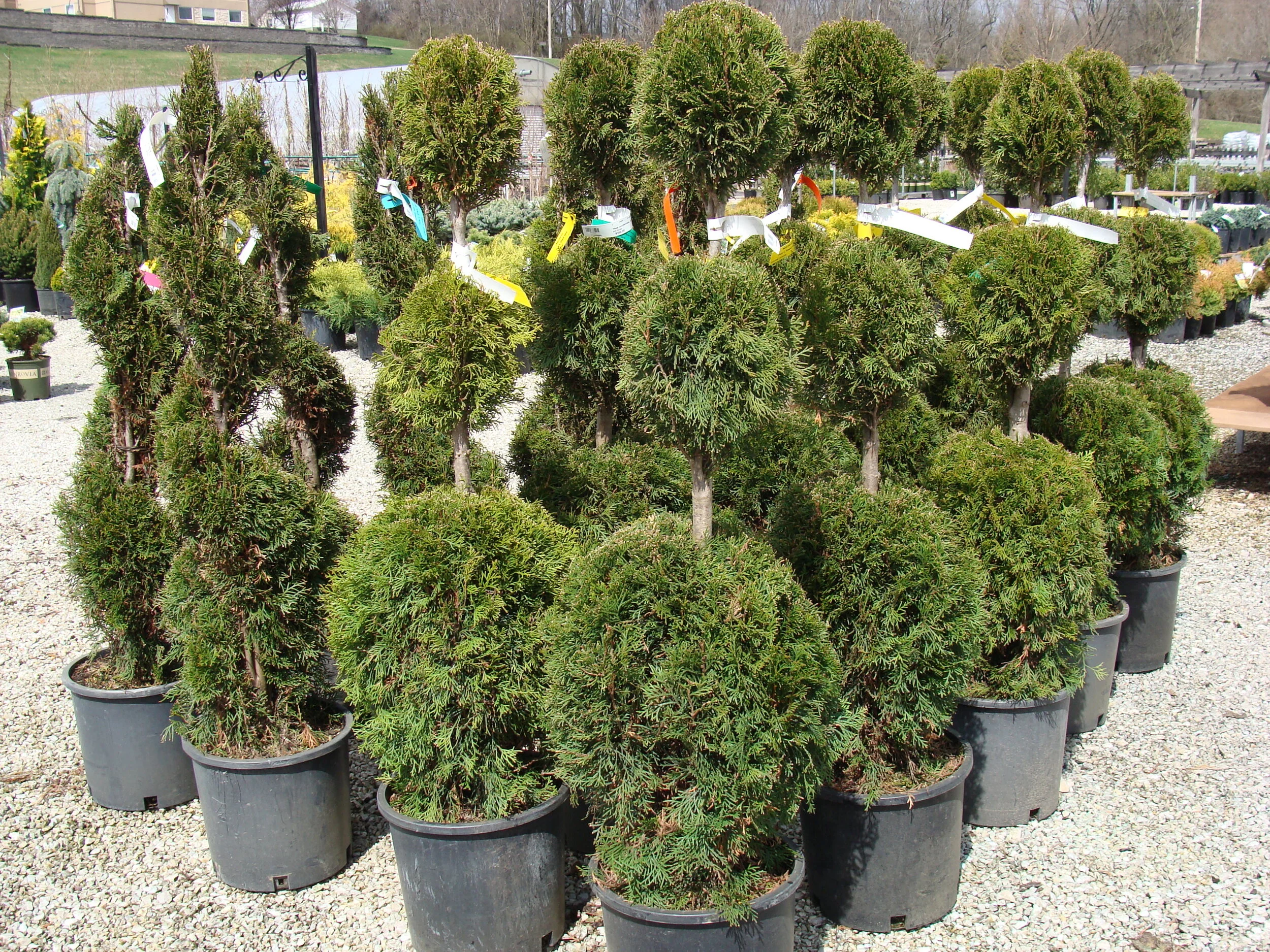
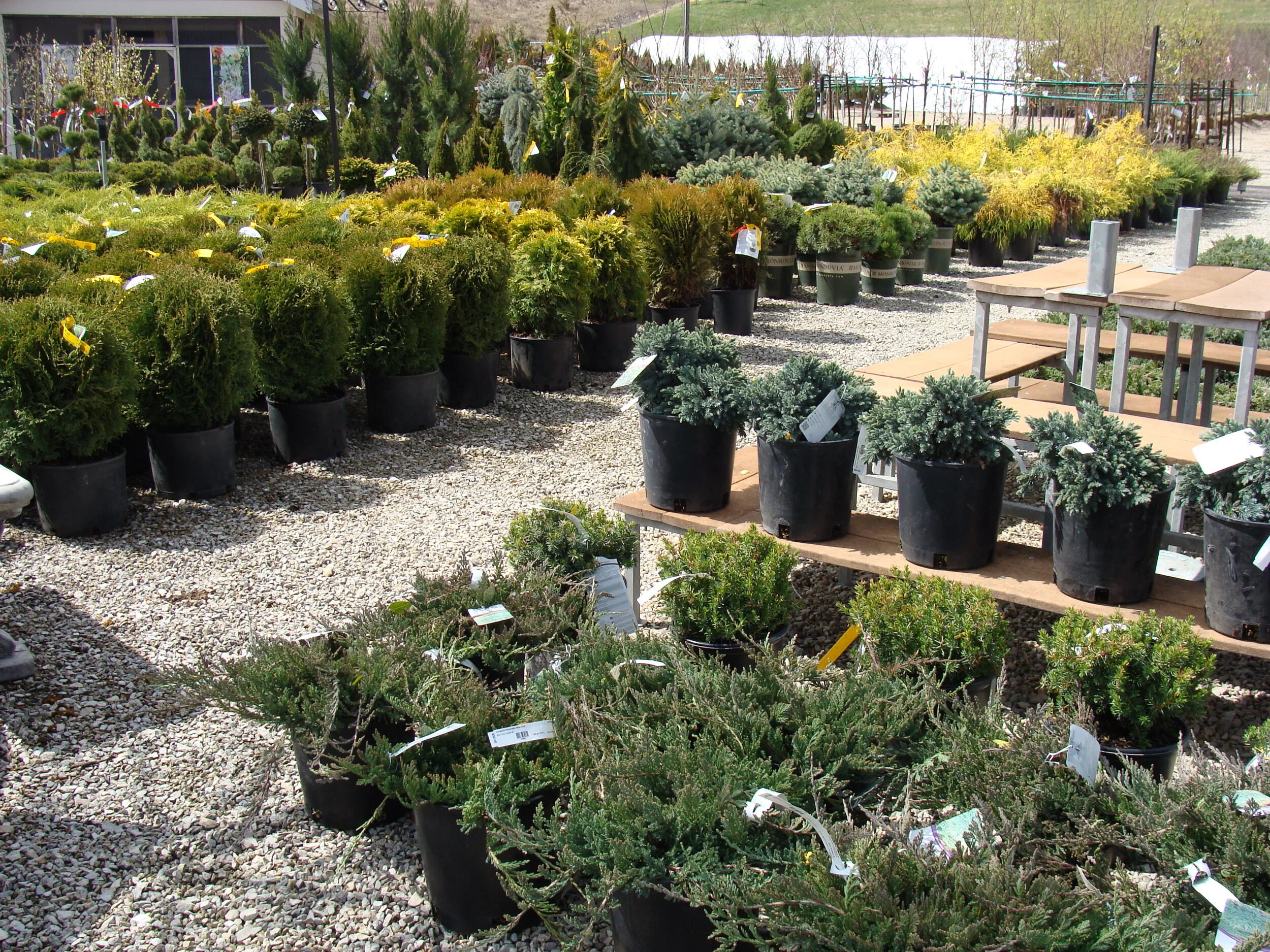
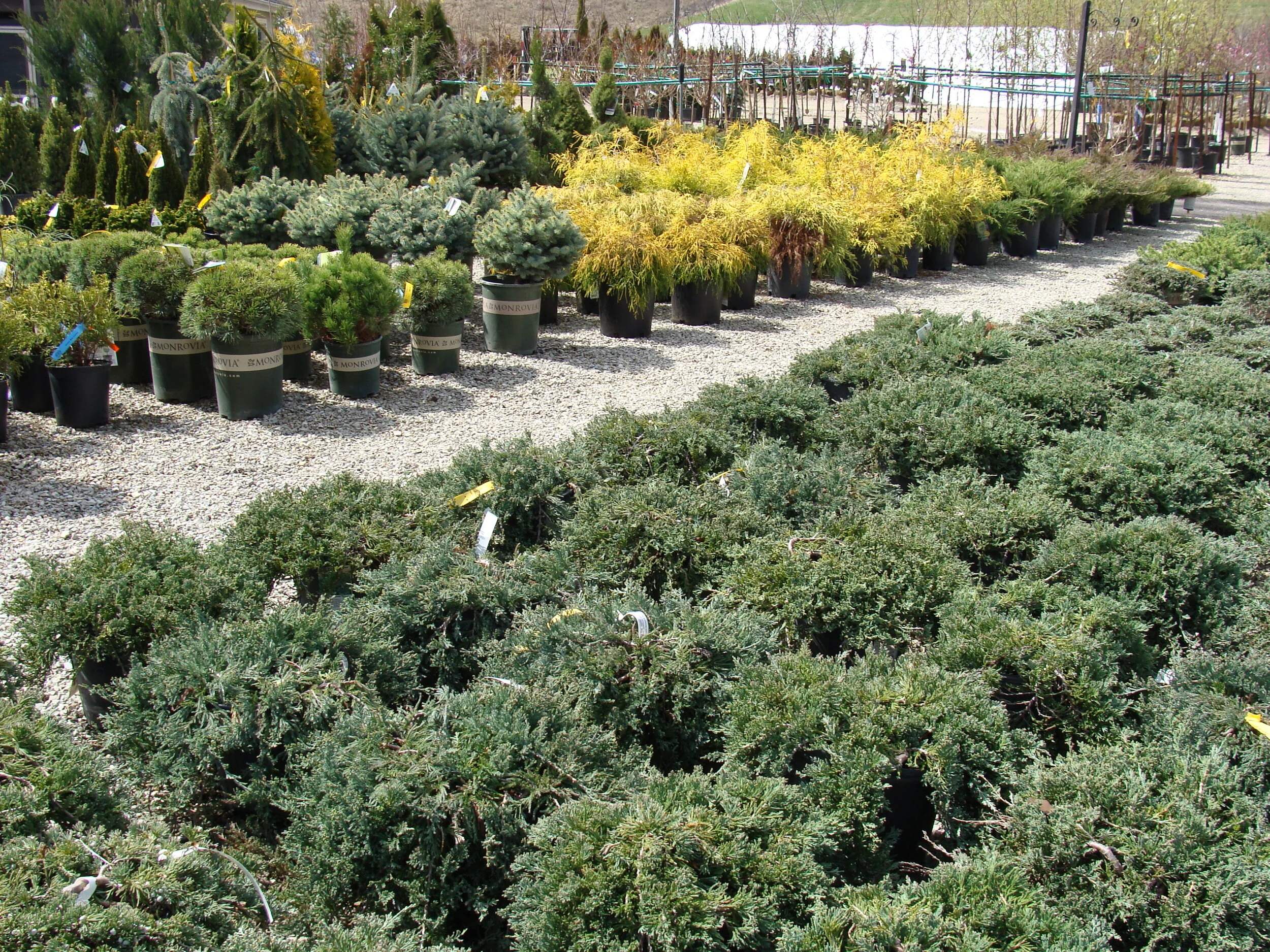
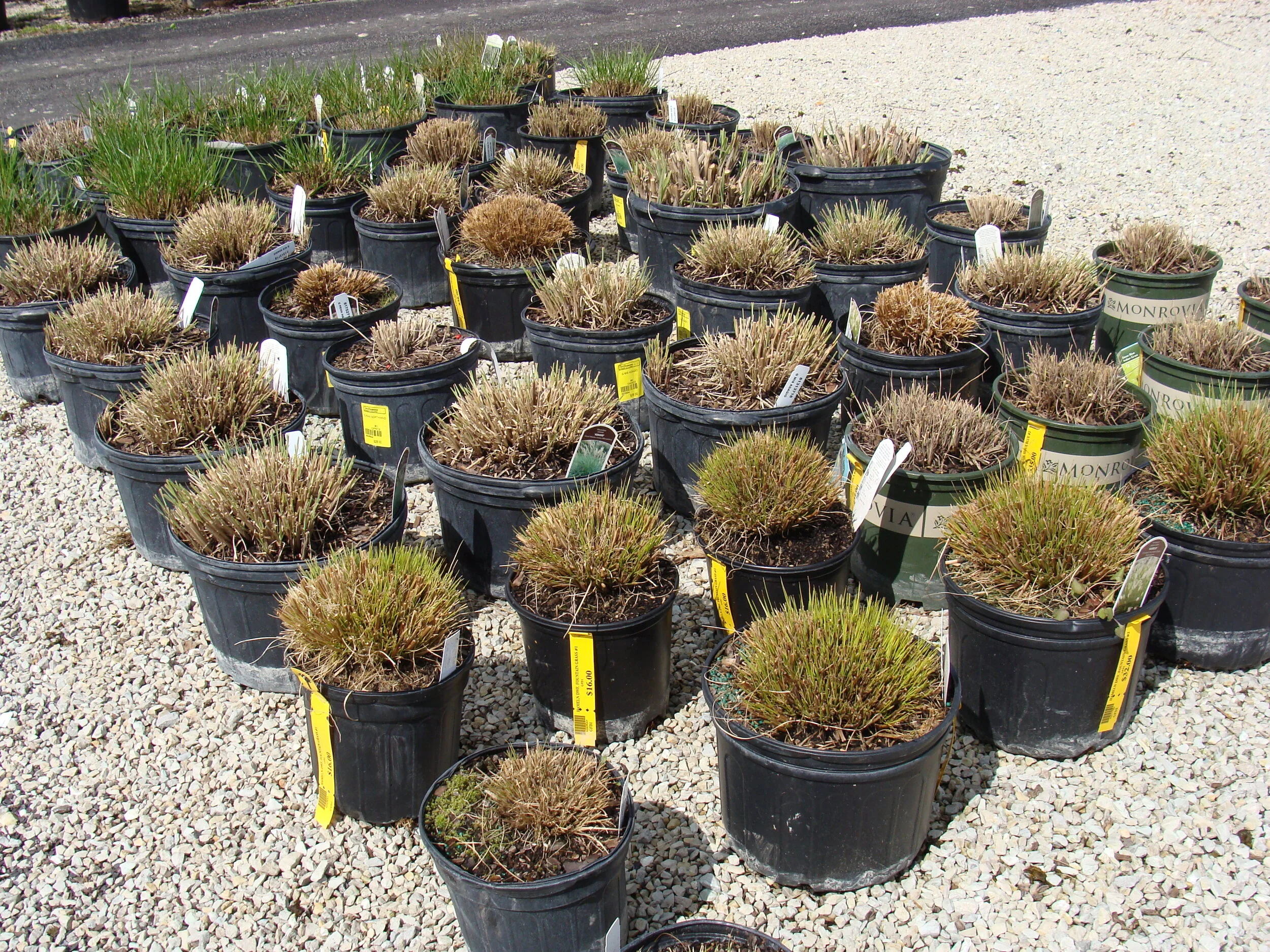


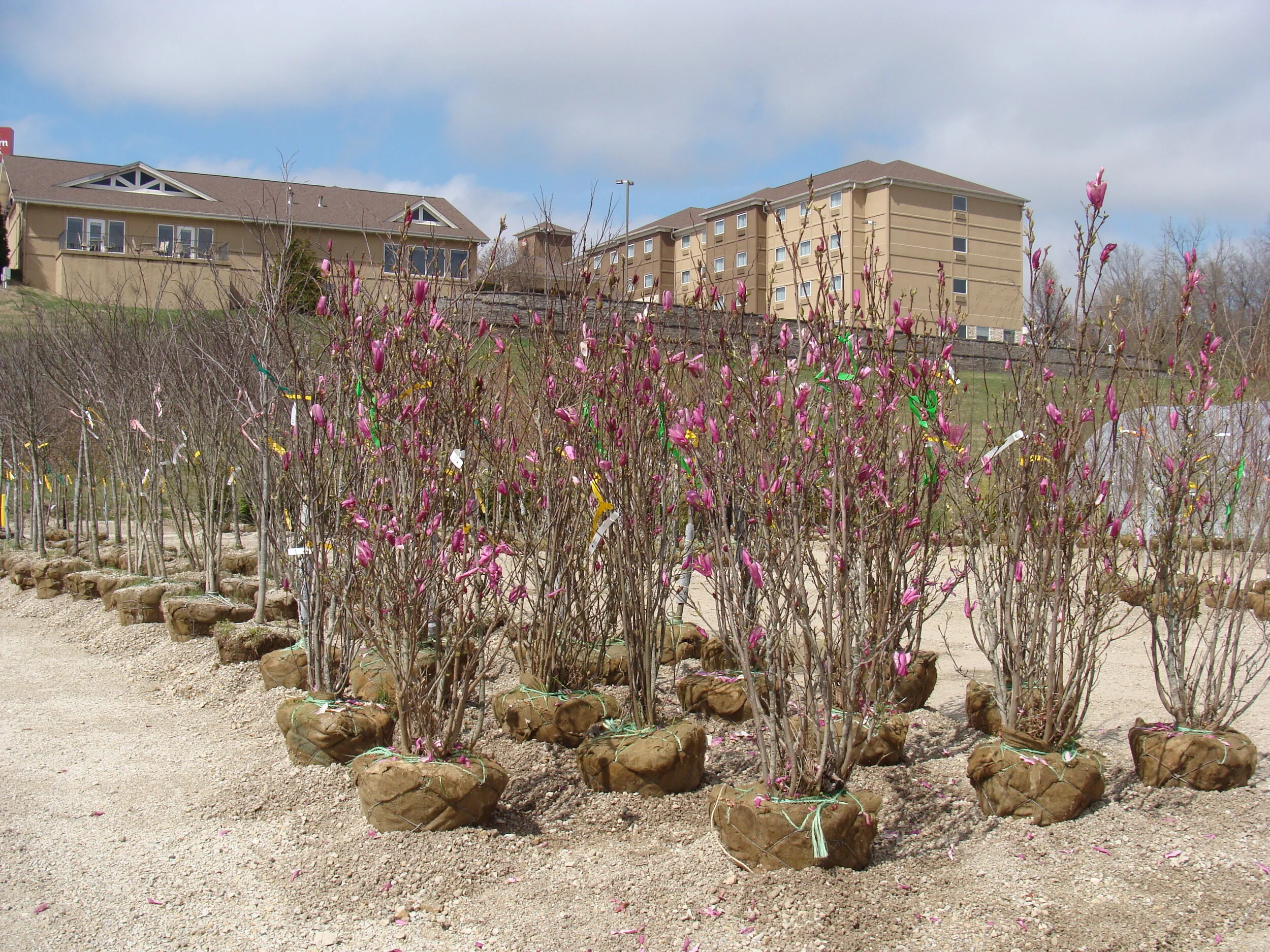
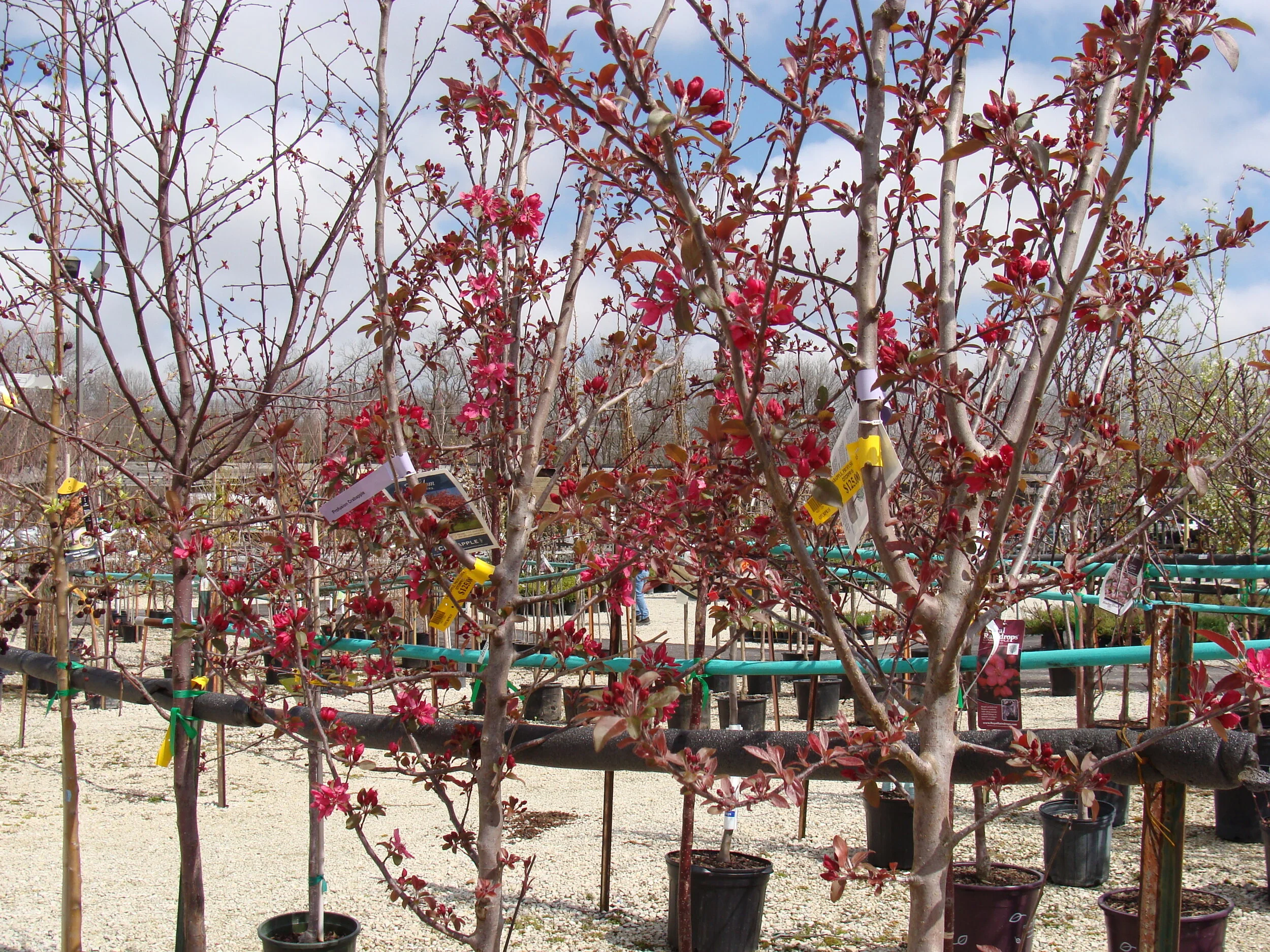
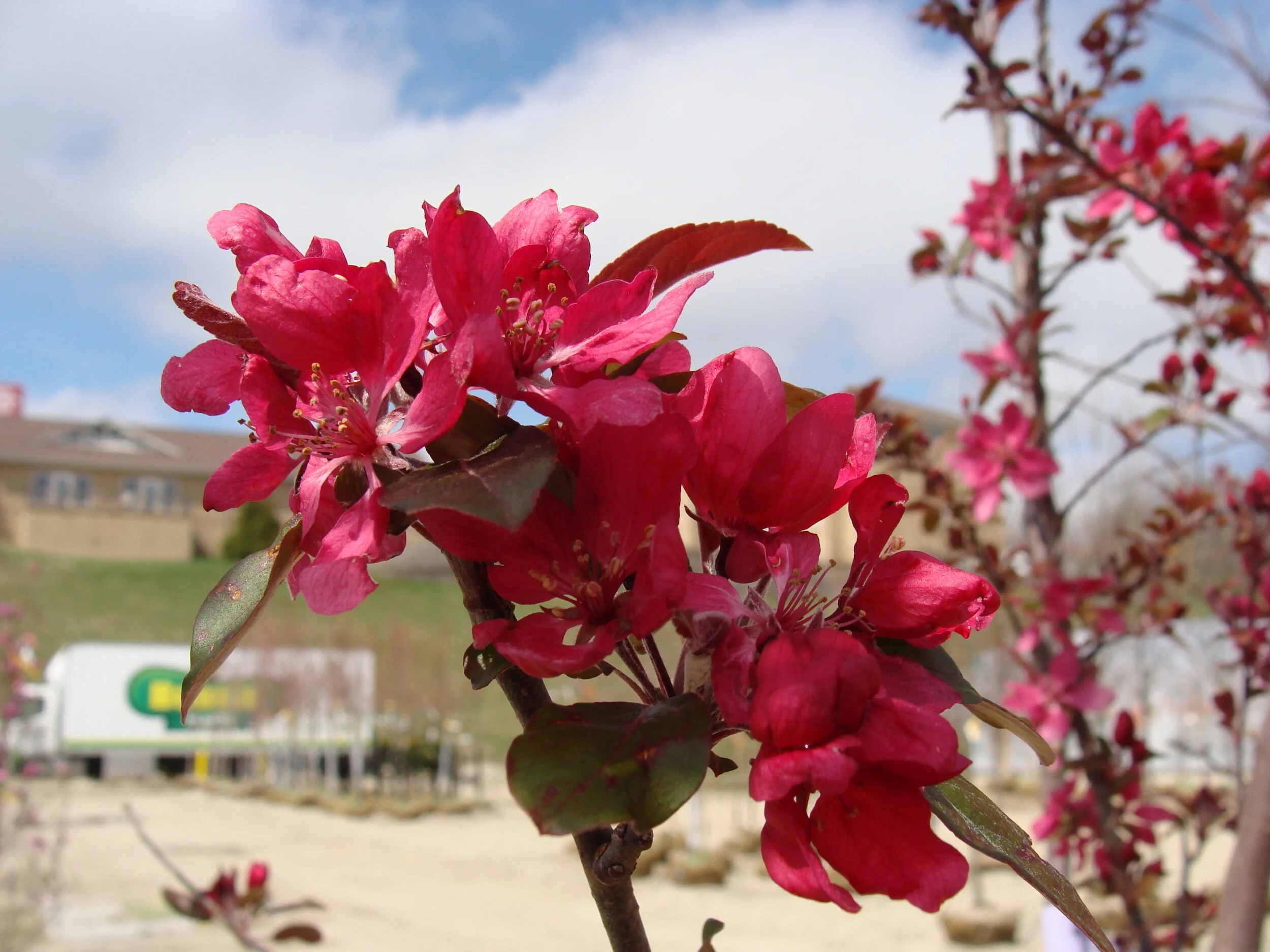
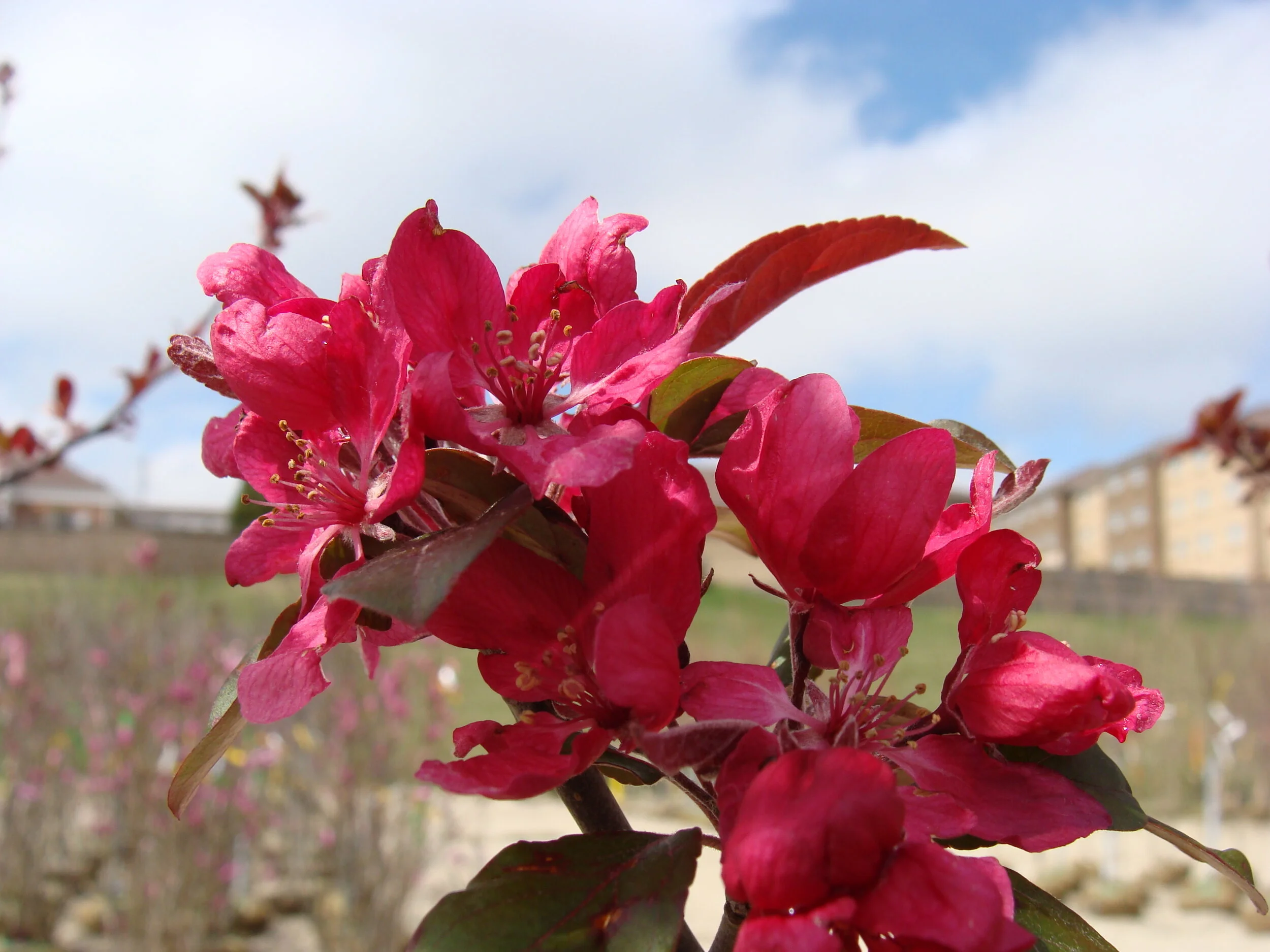
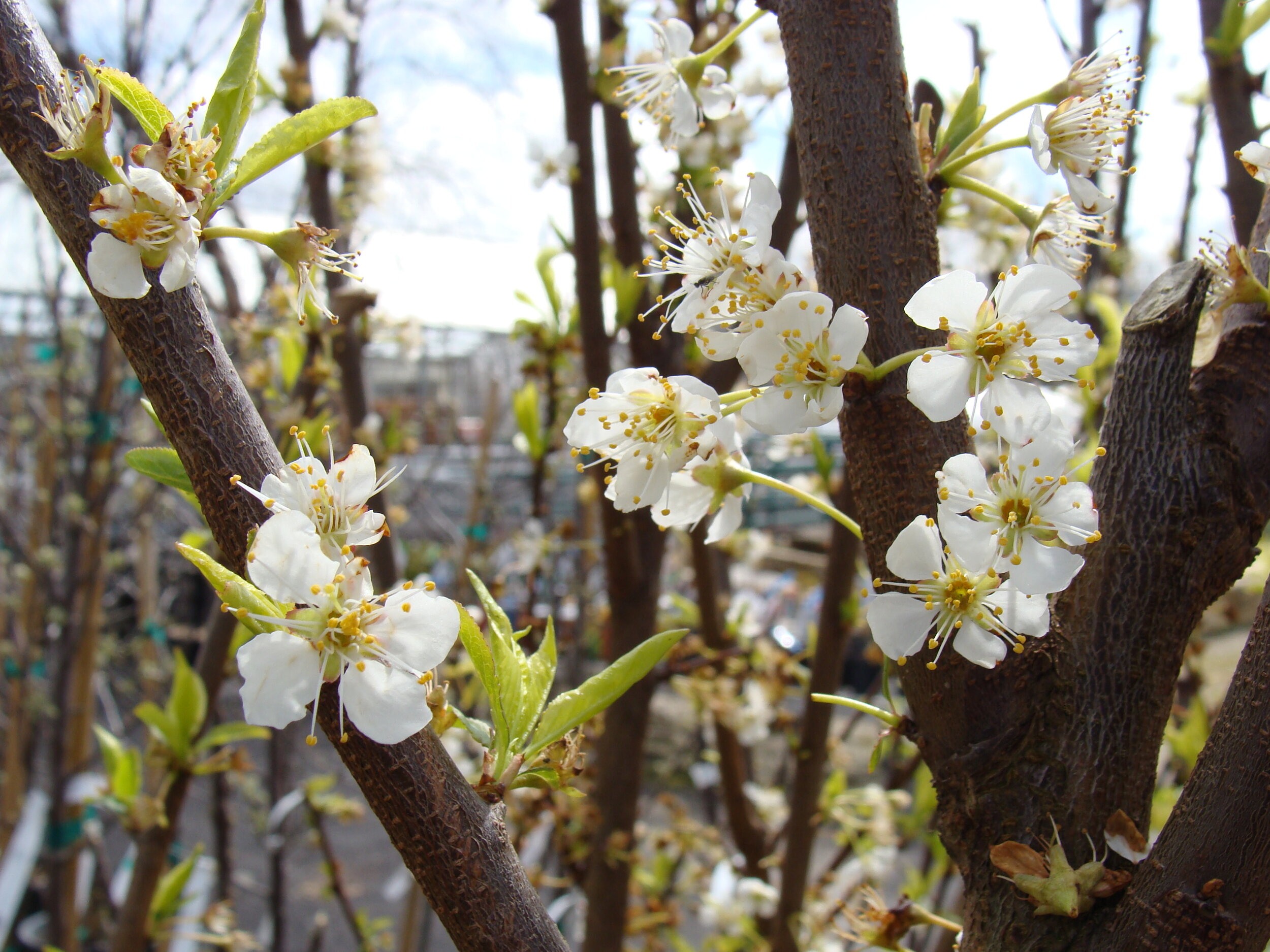
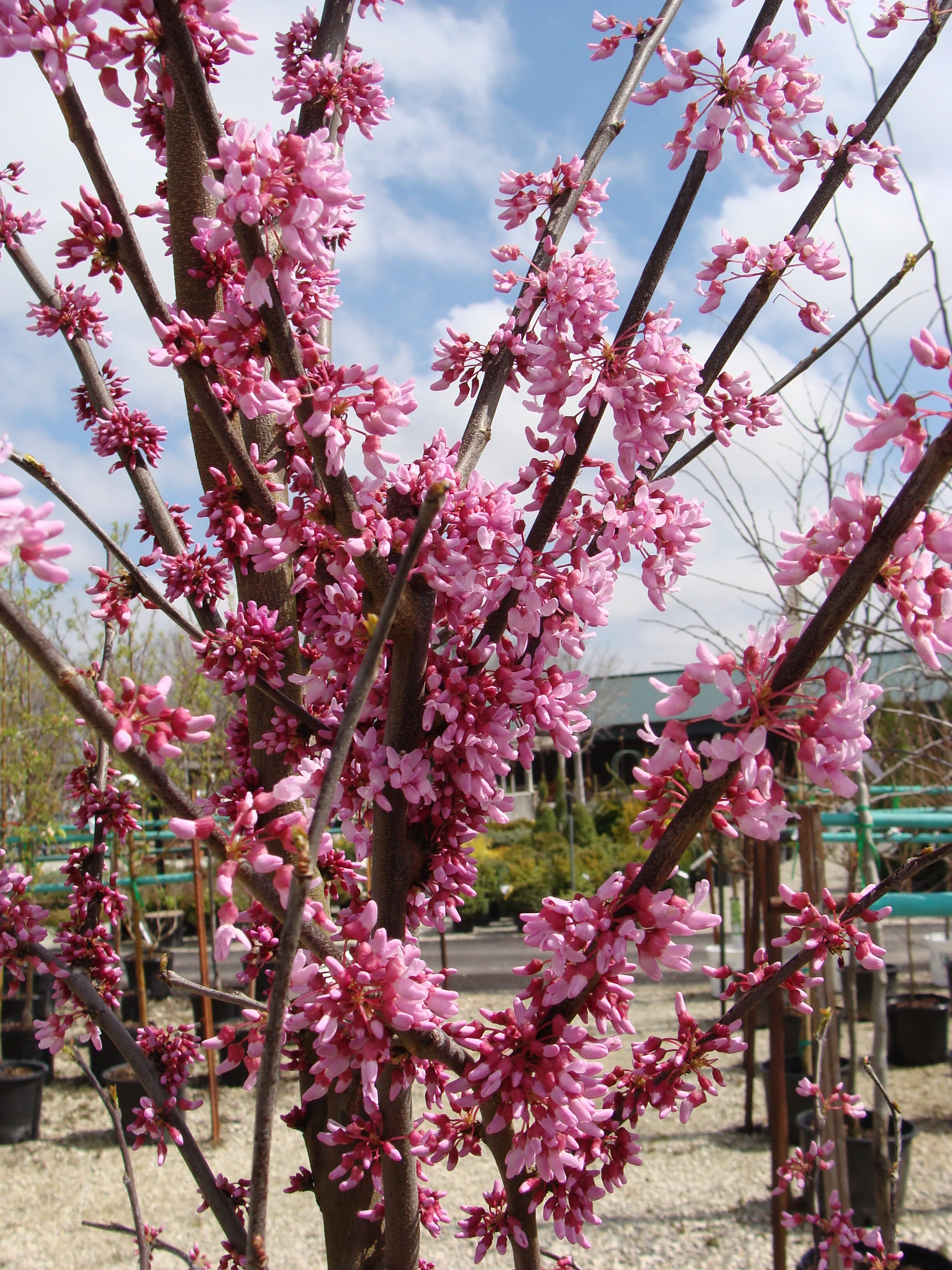
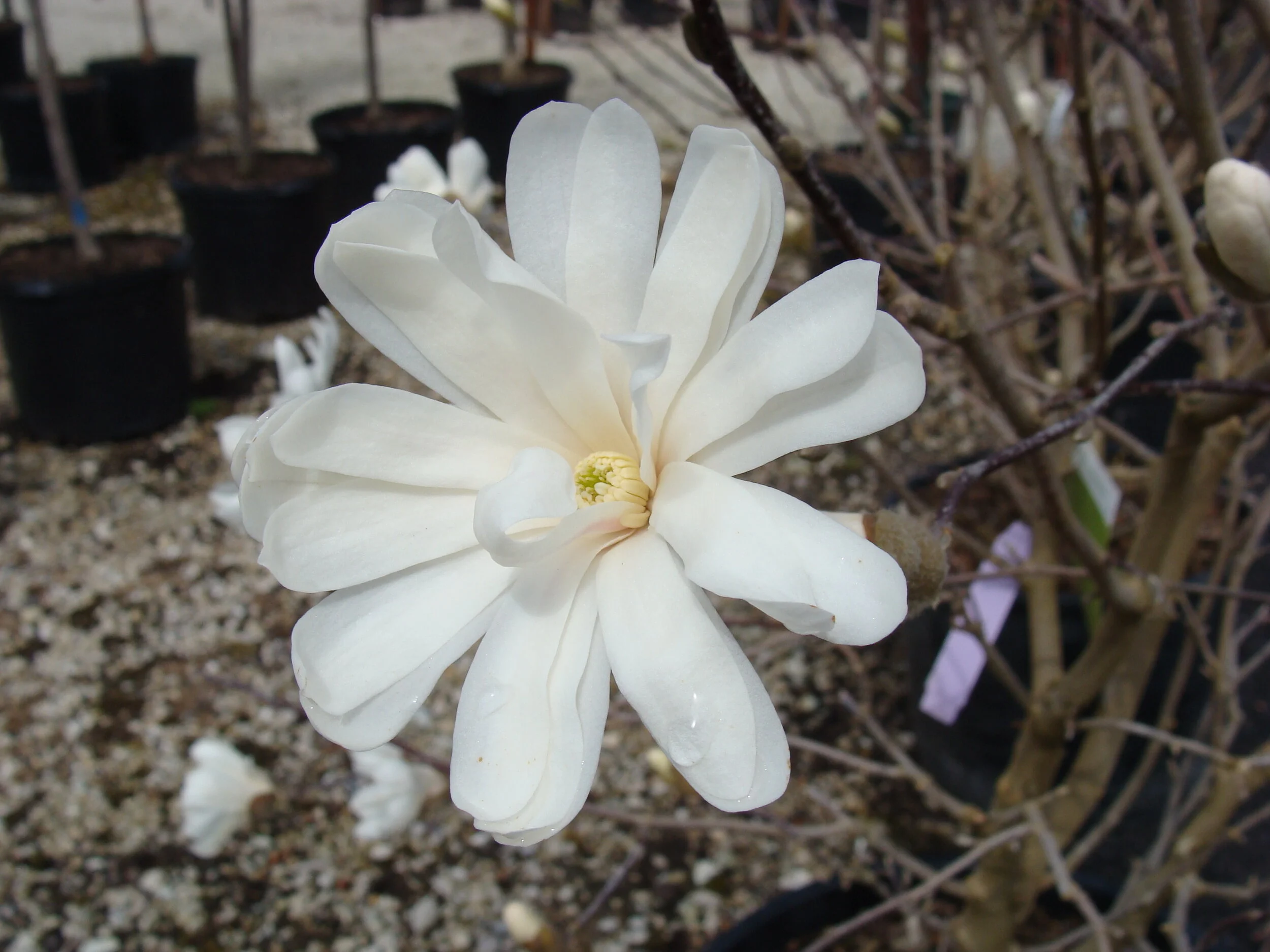
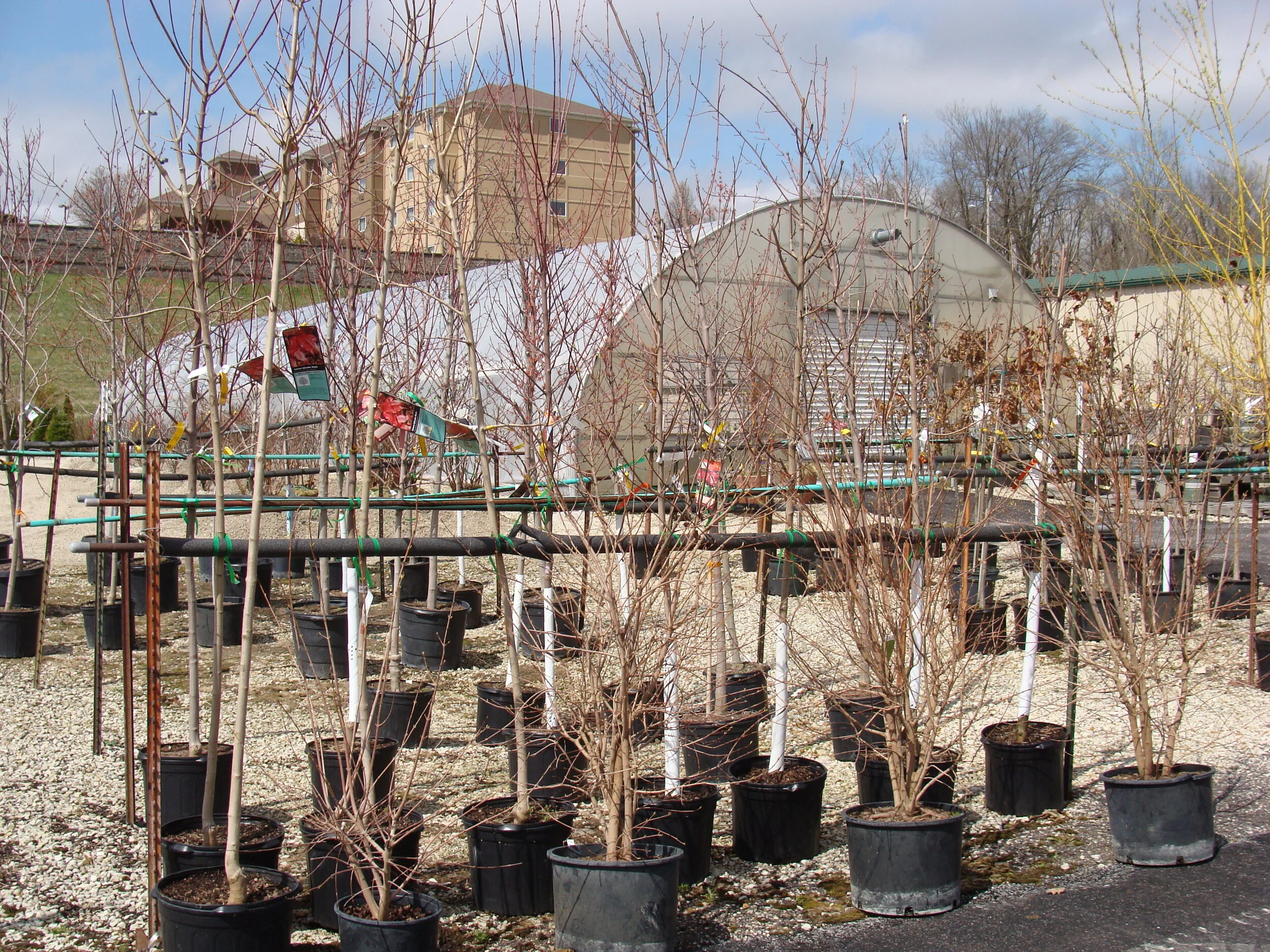
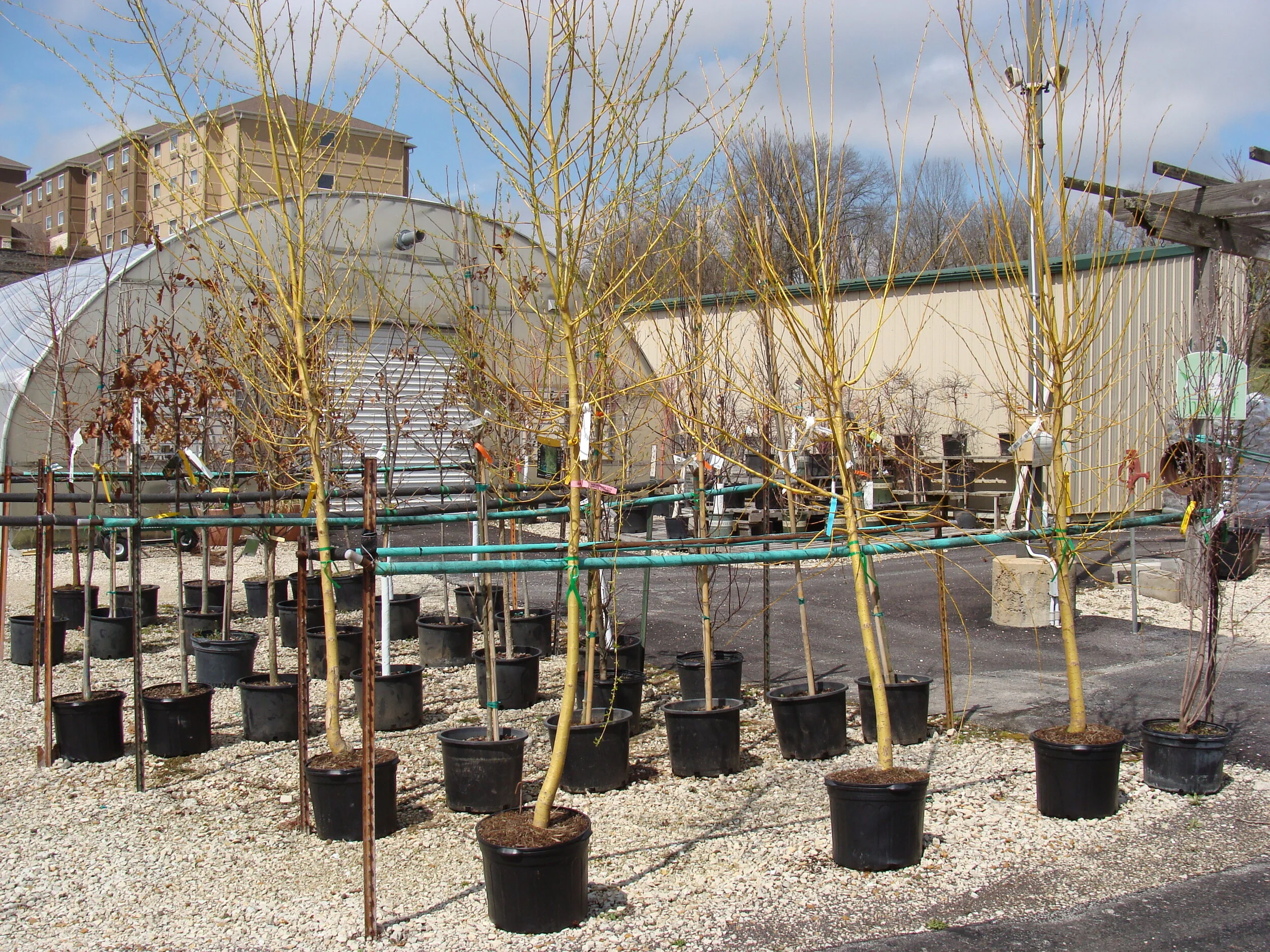

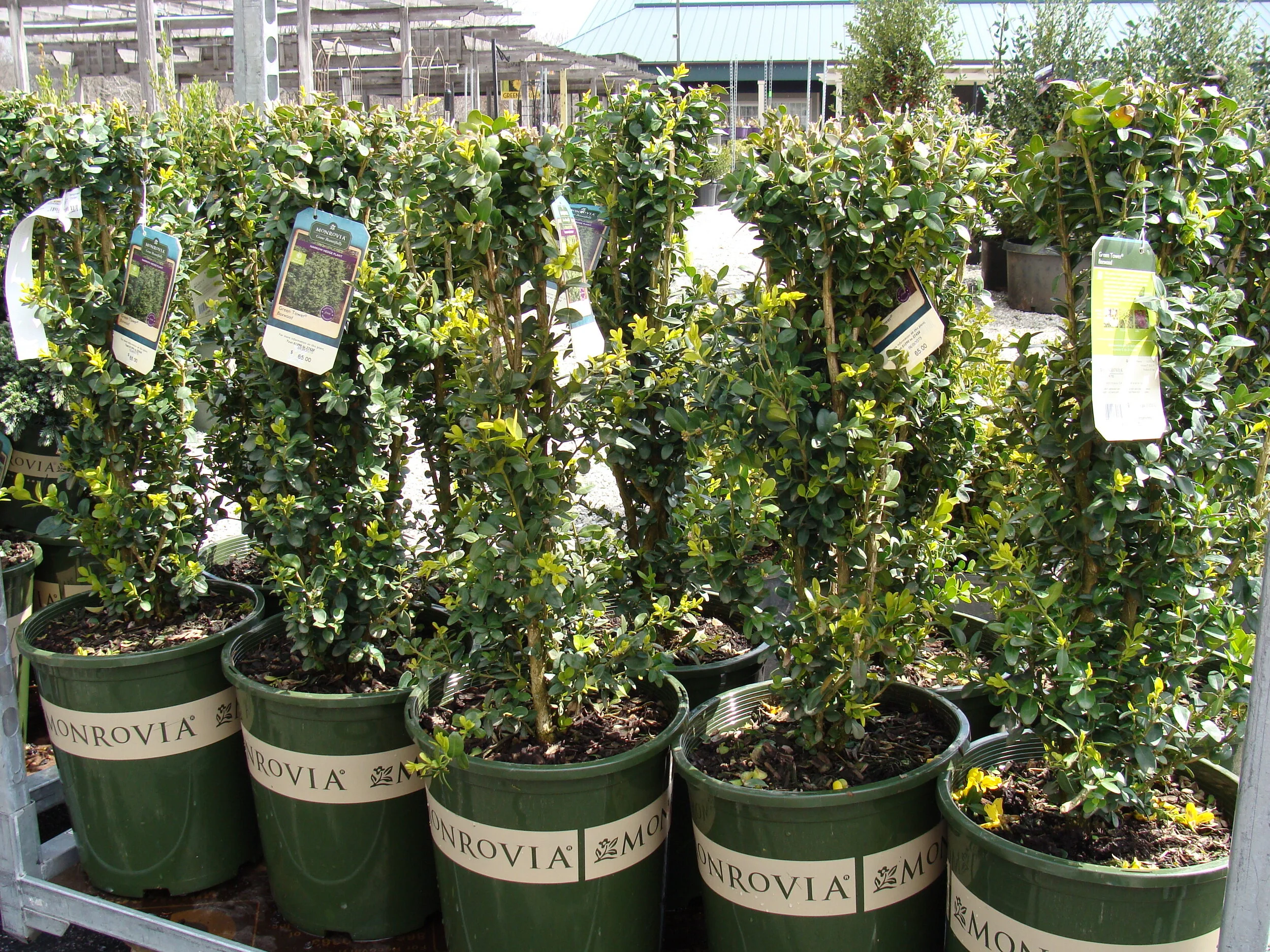


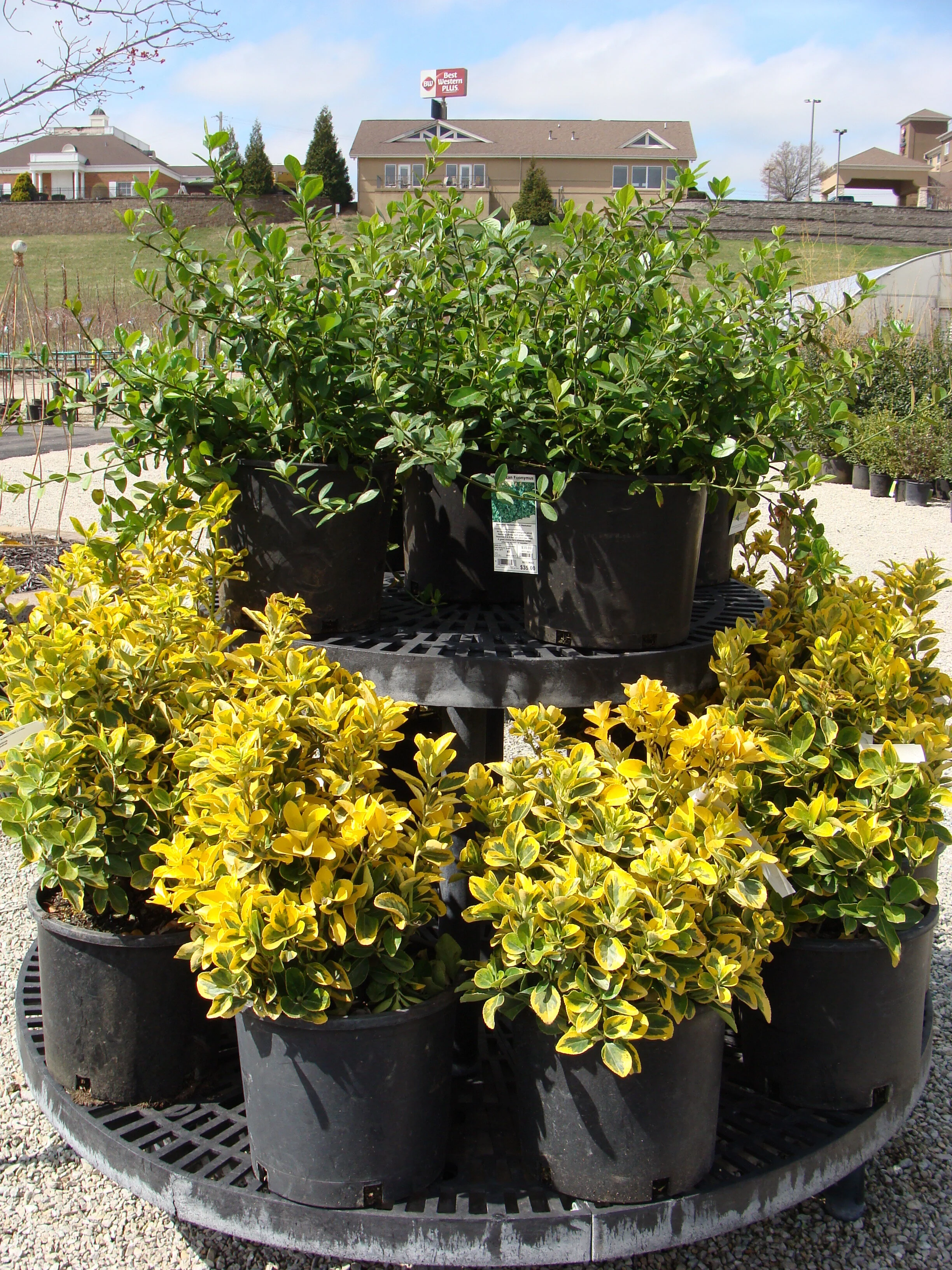
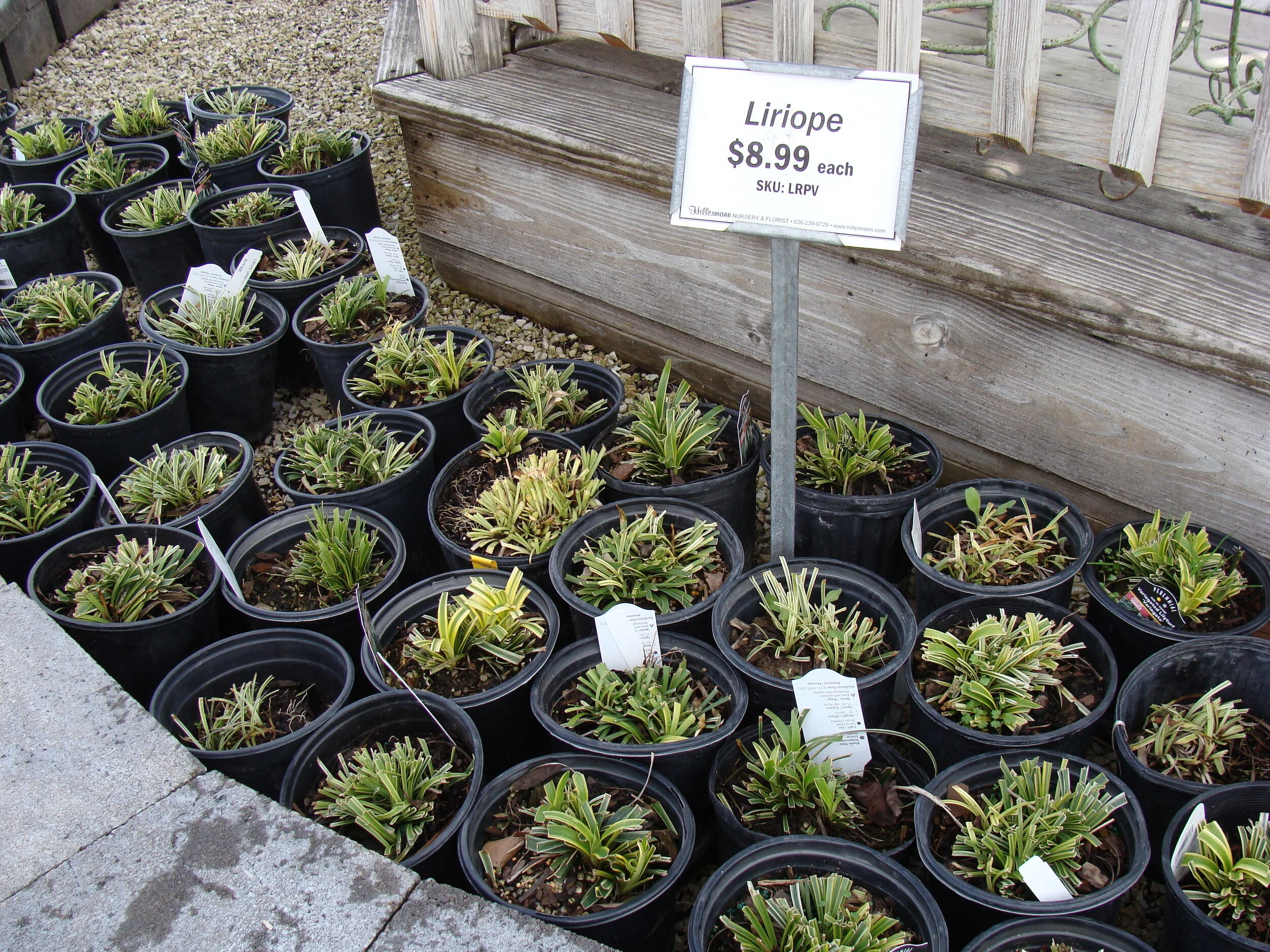
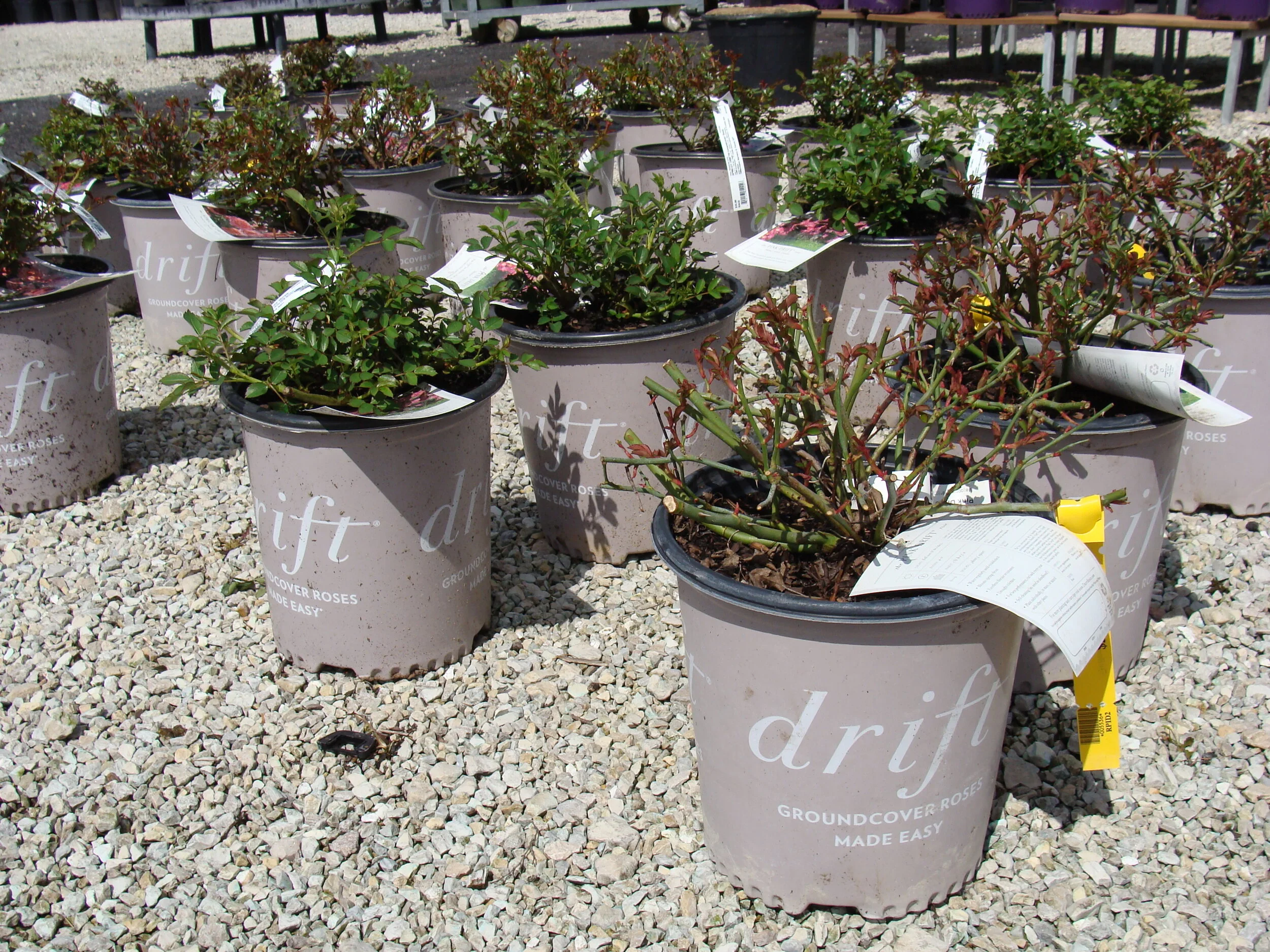
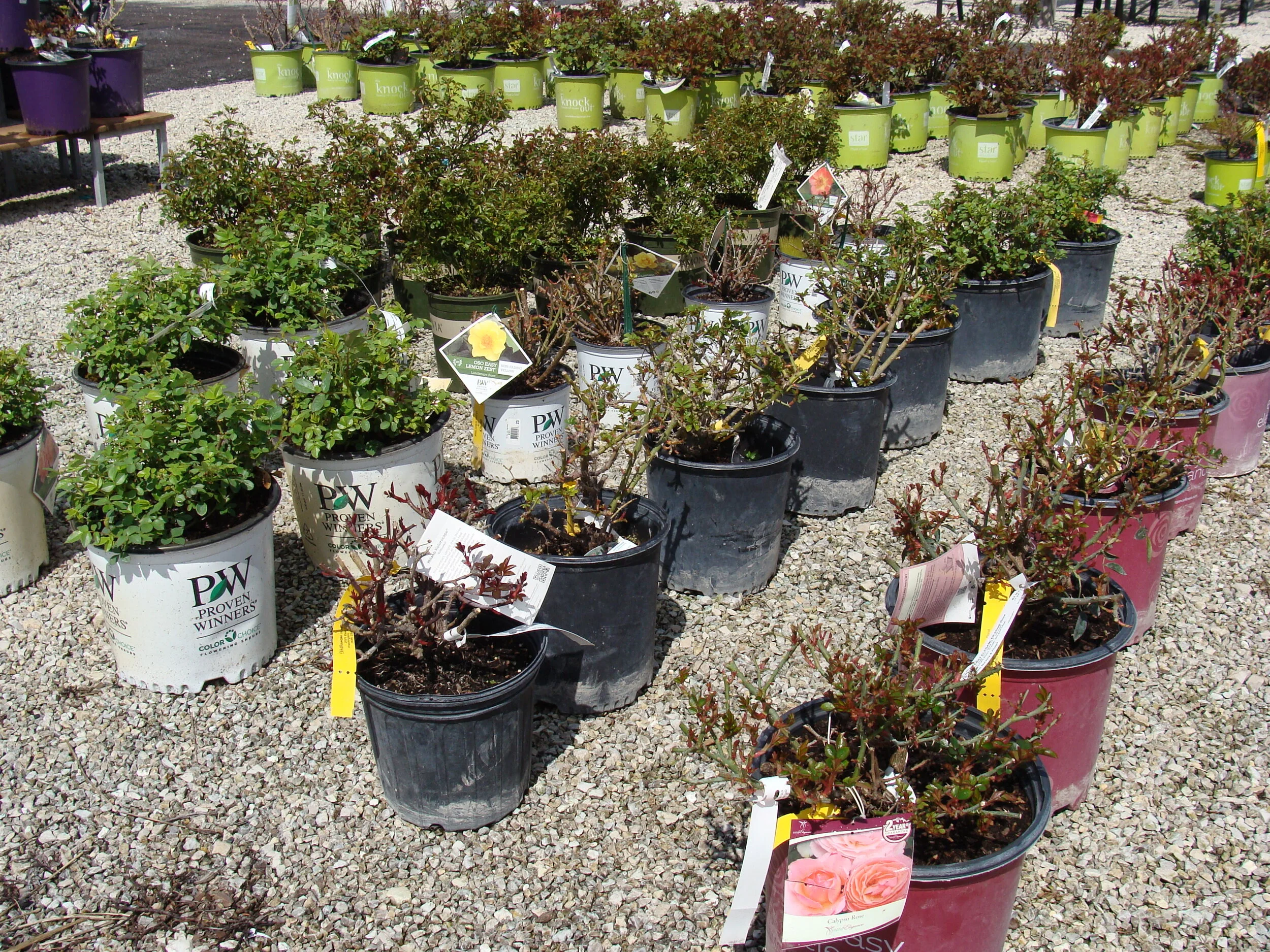

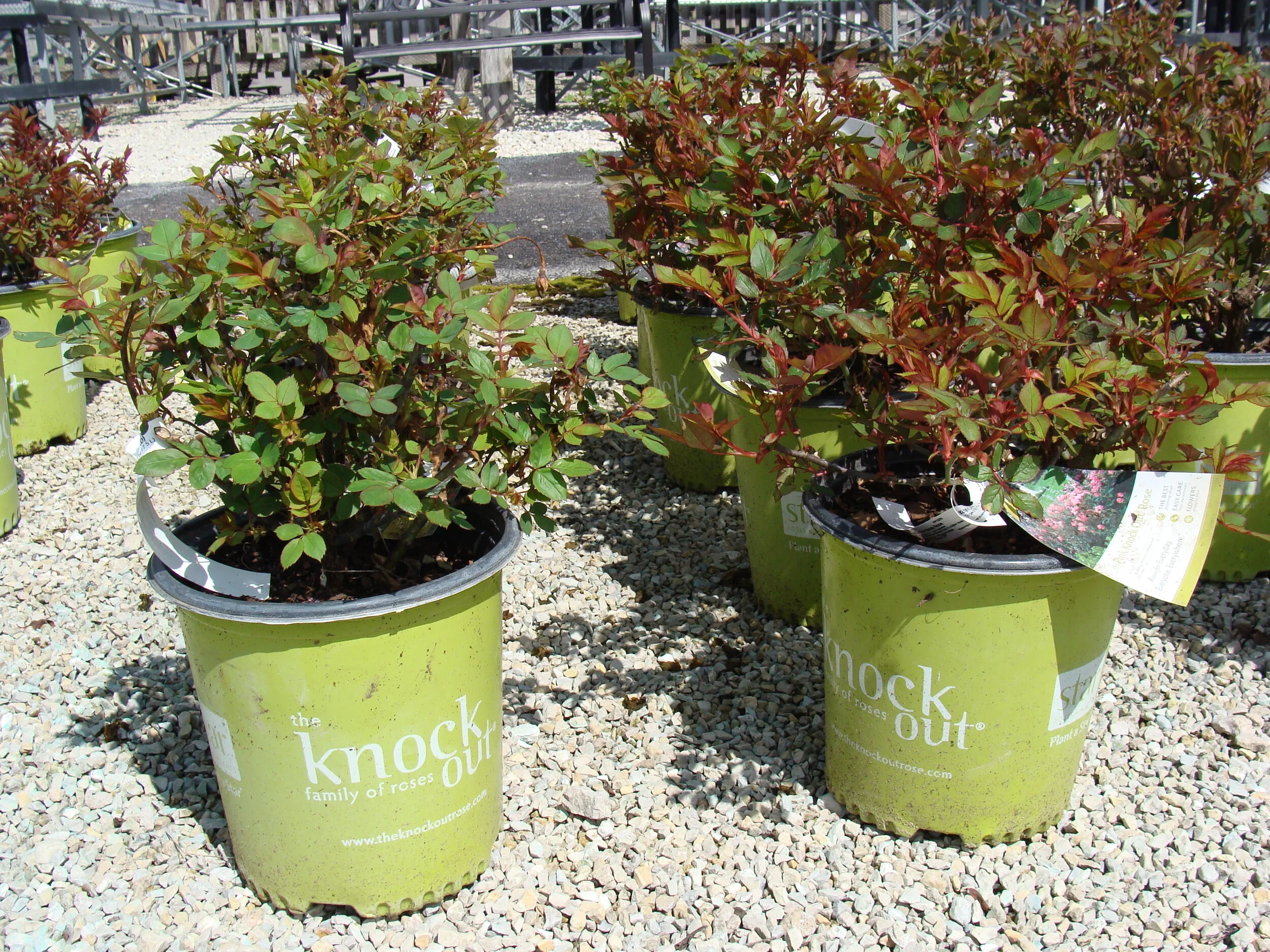
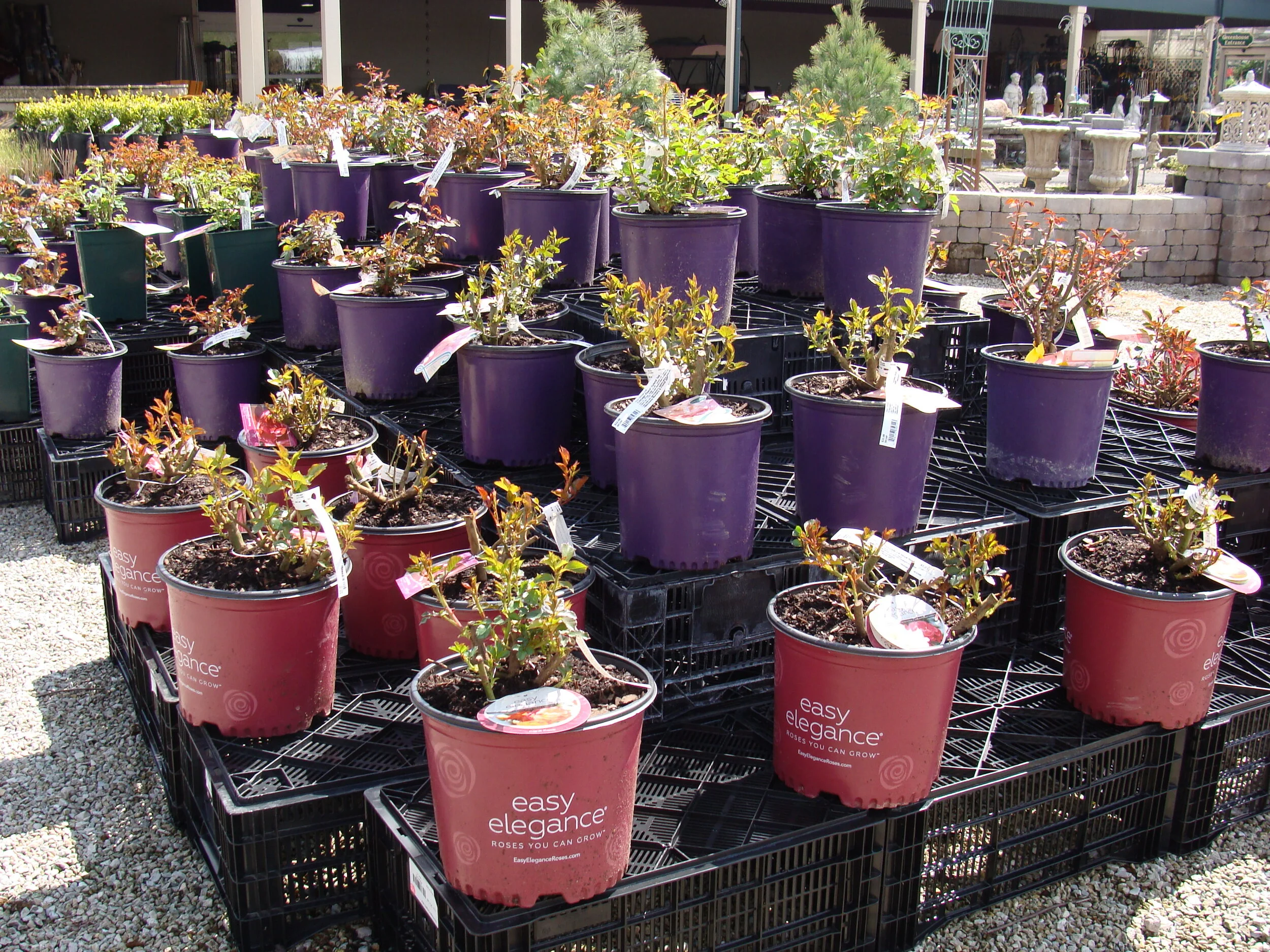
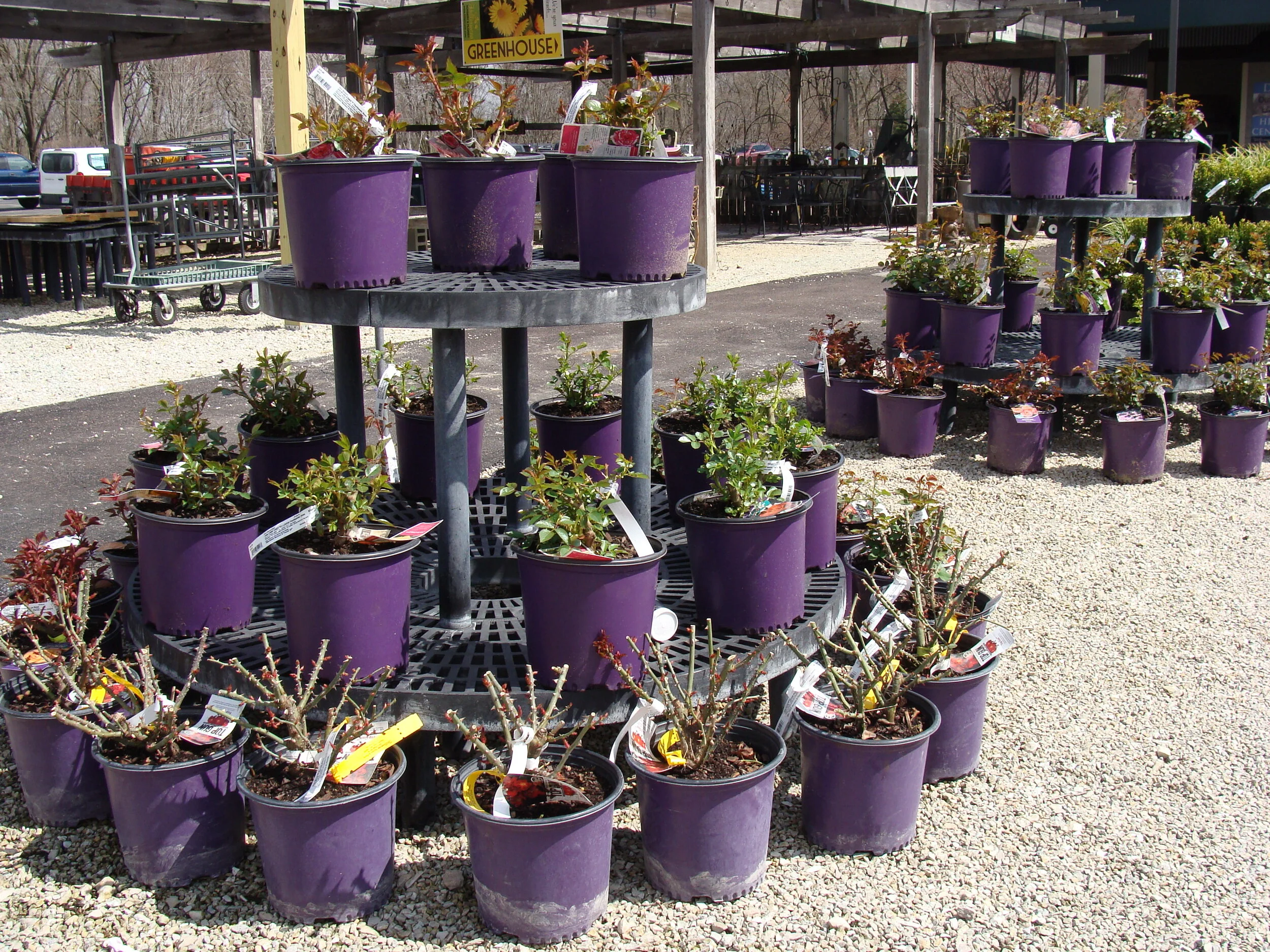
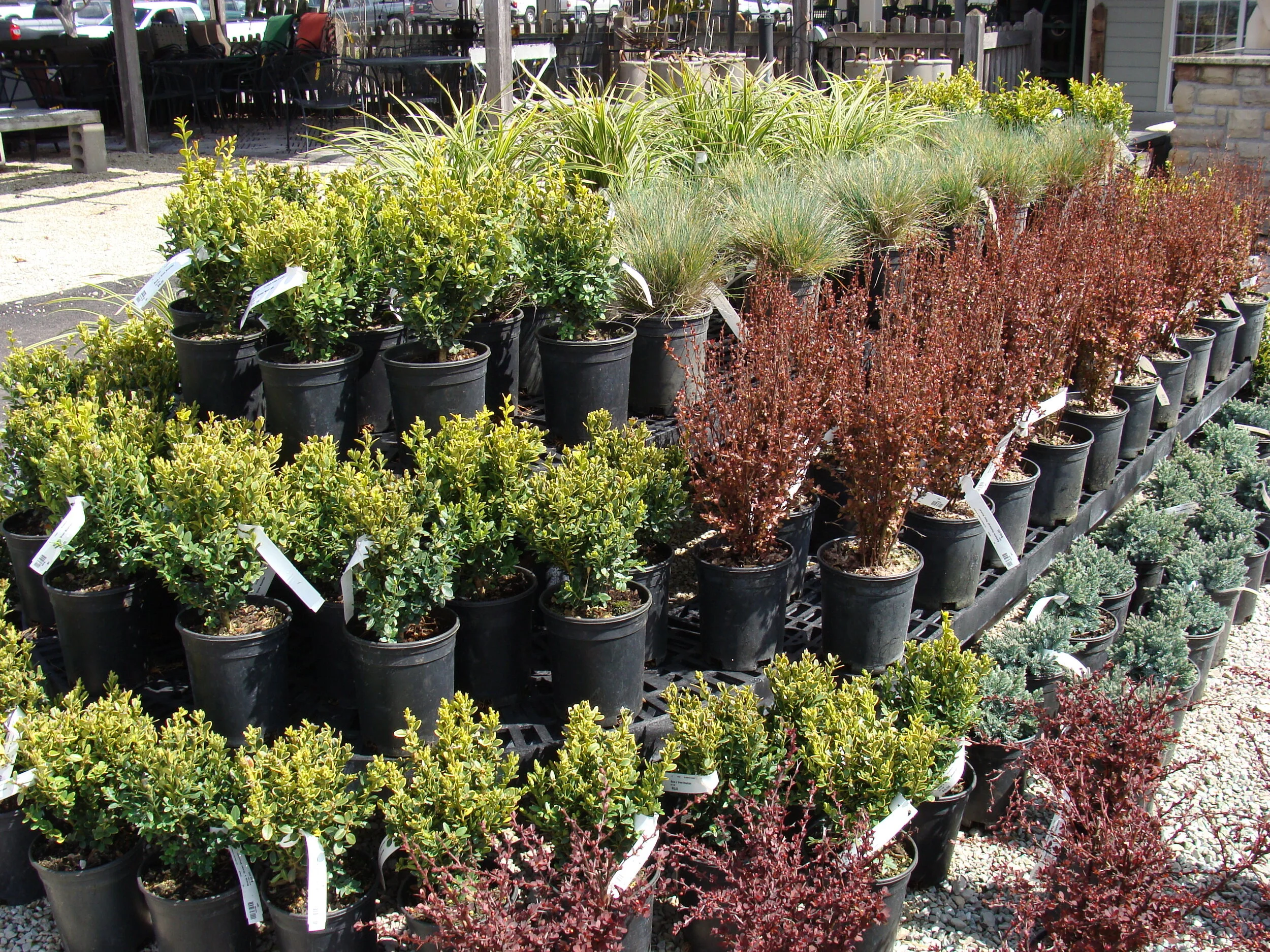
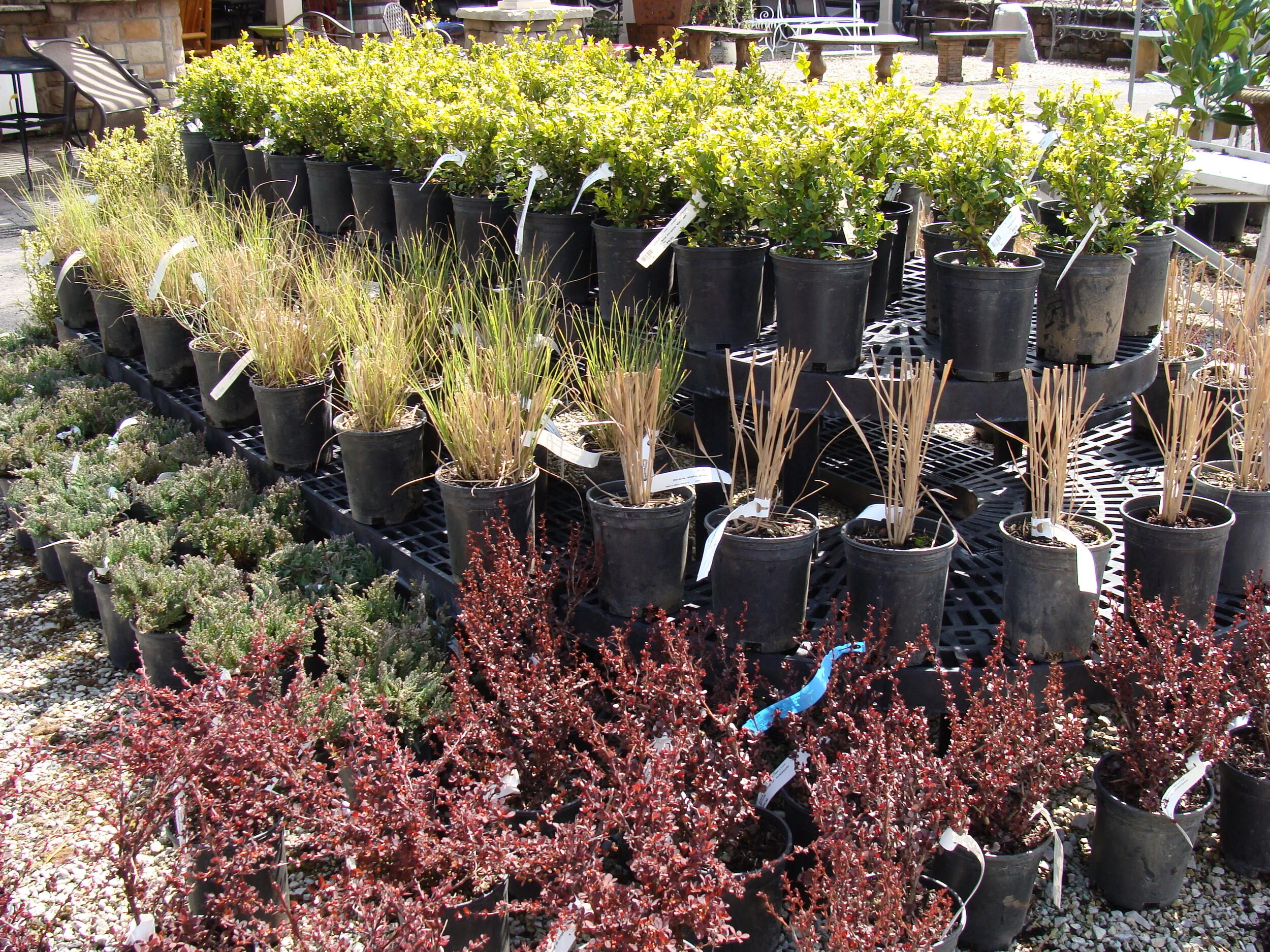
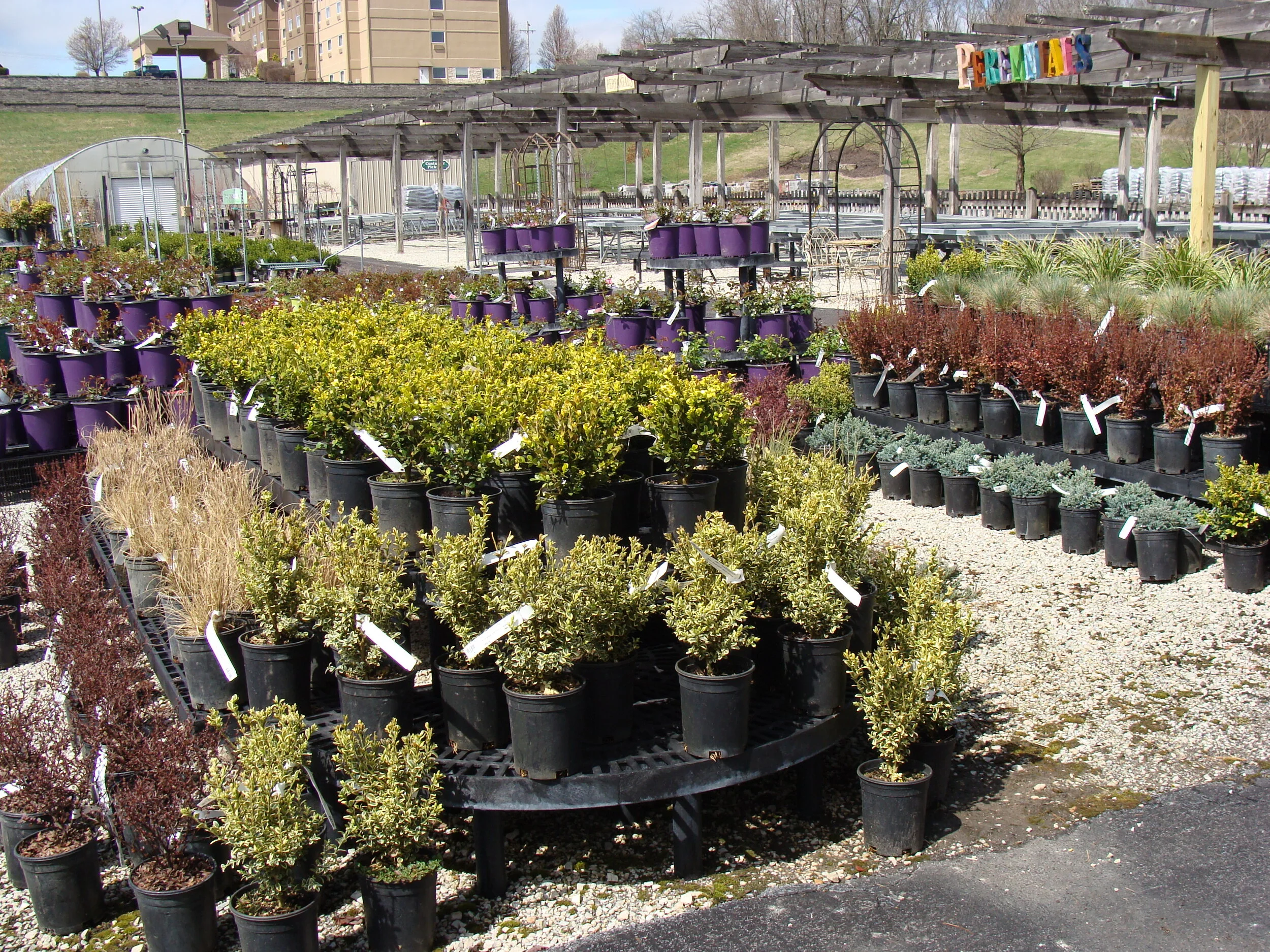
Sneak Peak - Come See What's New!
It is officially spring! Yes, we are ready and receiving great new shipments daily! All you need for your gardens and landscape! Check out these pictures, come visit us and get your spring started!






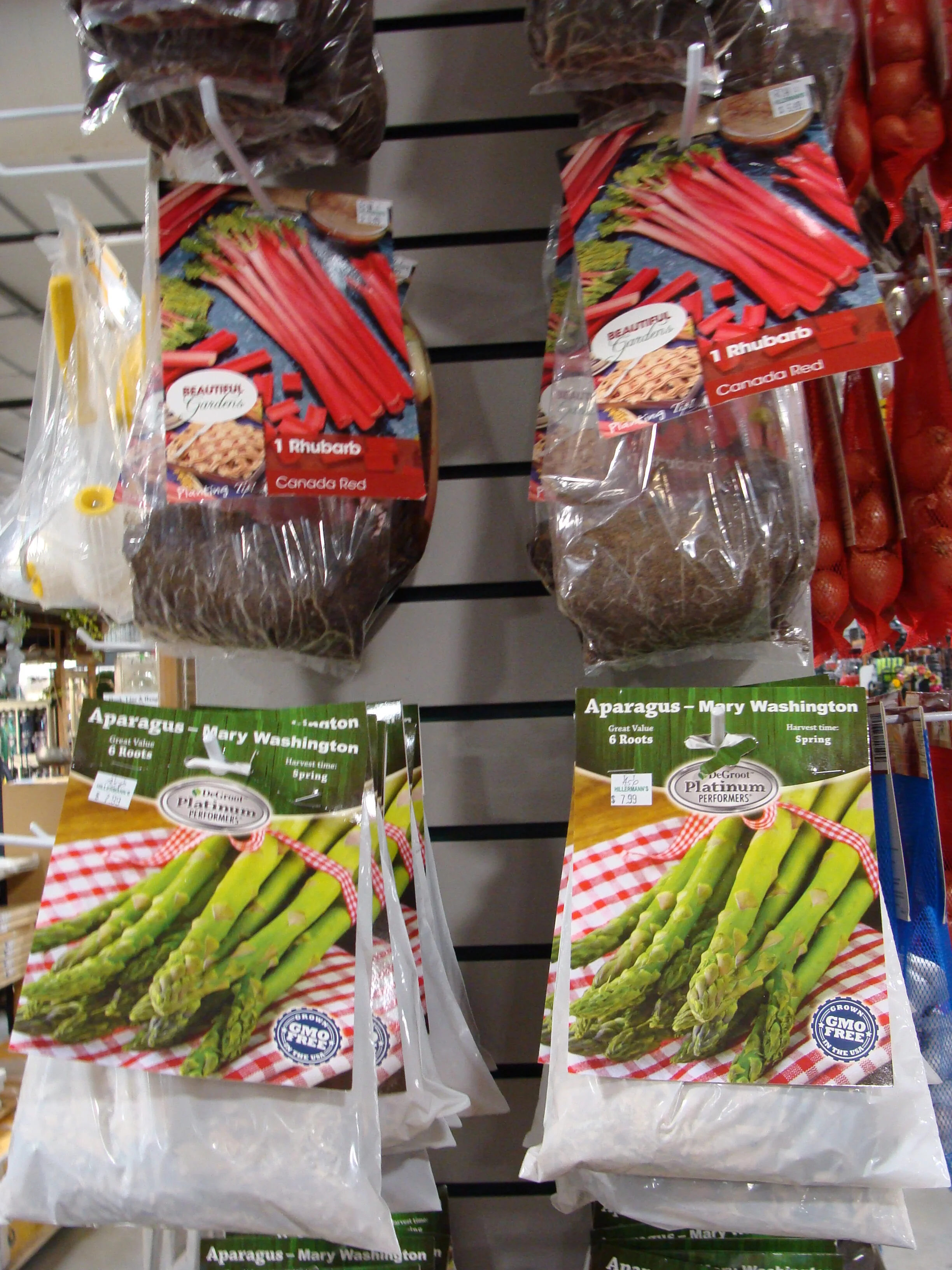
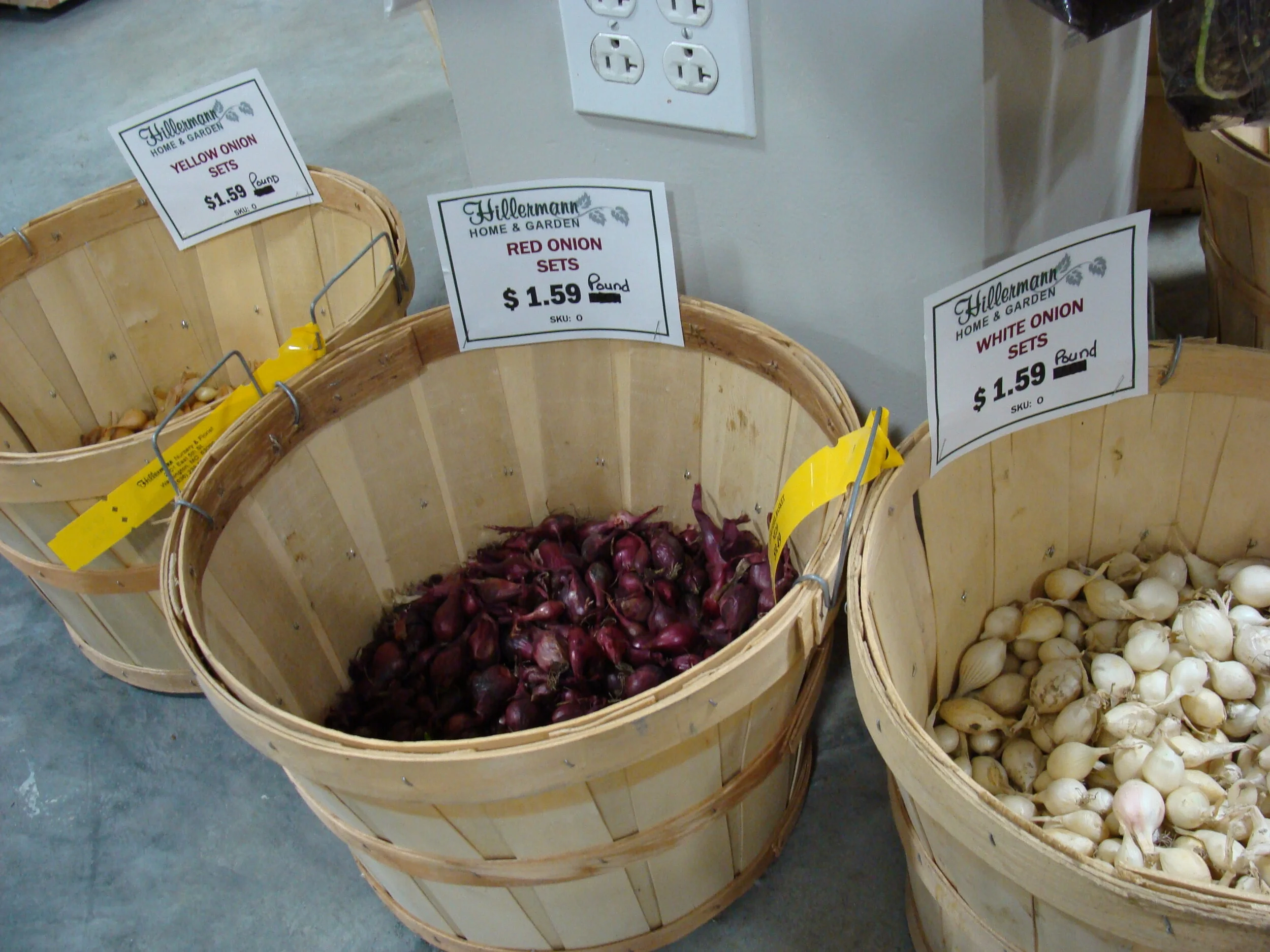

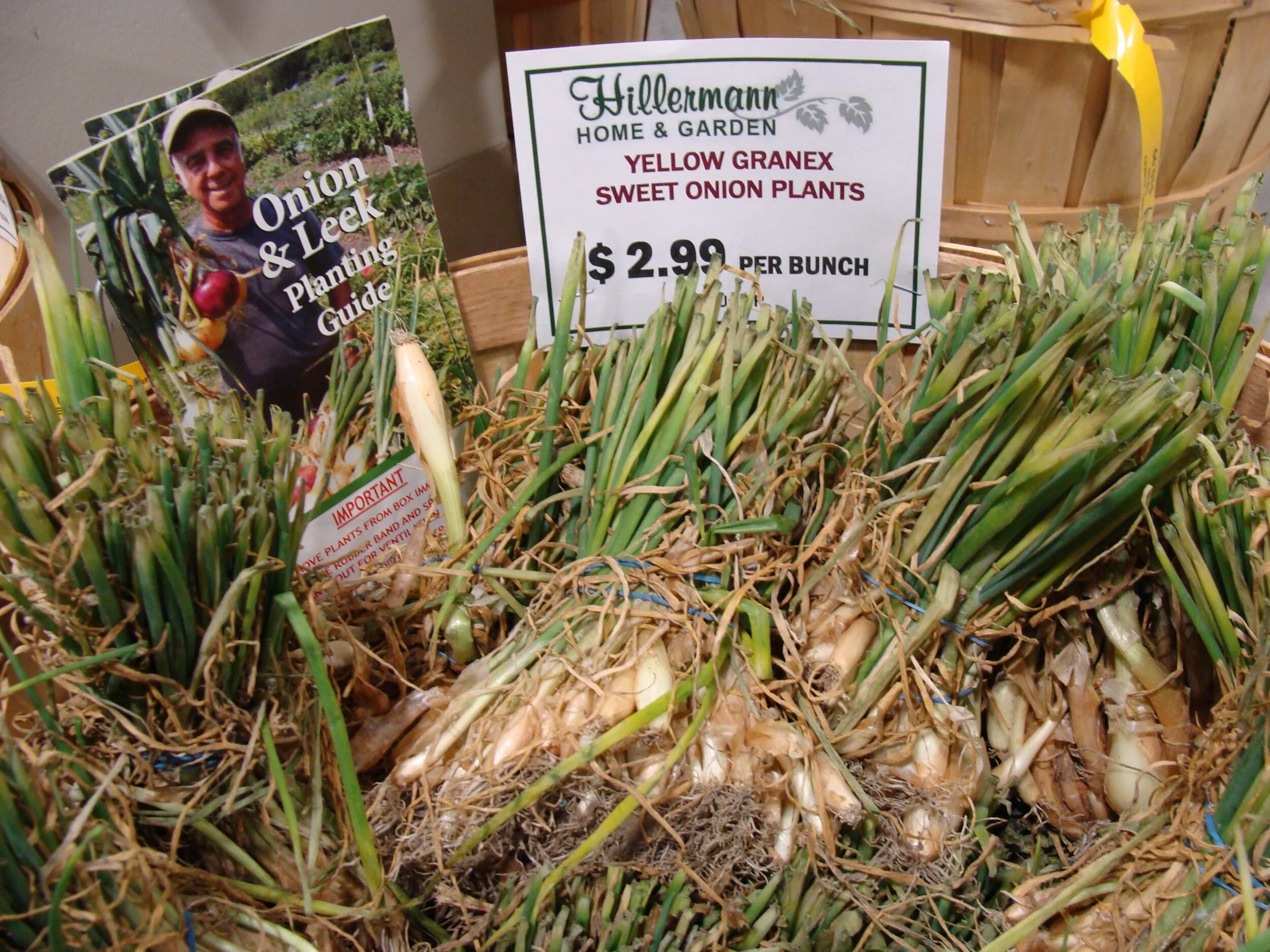
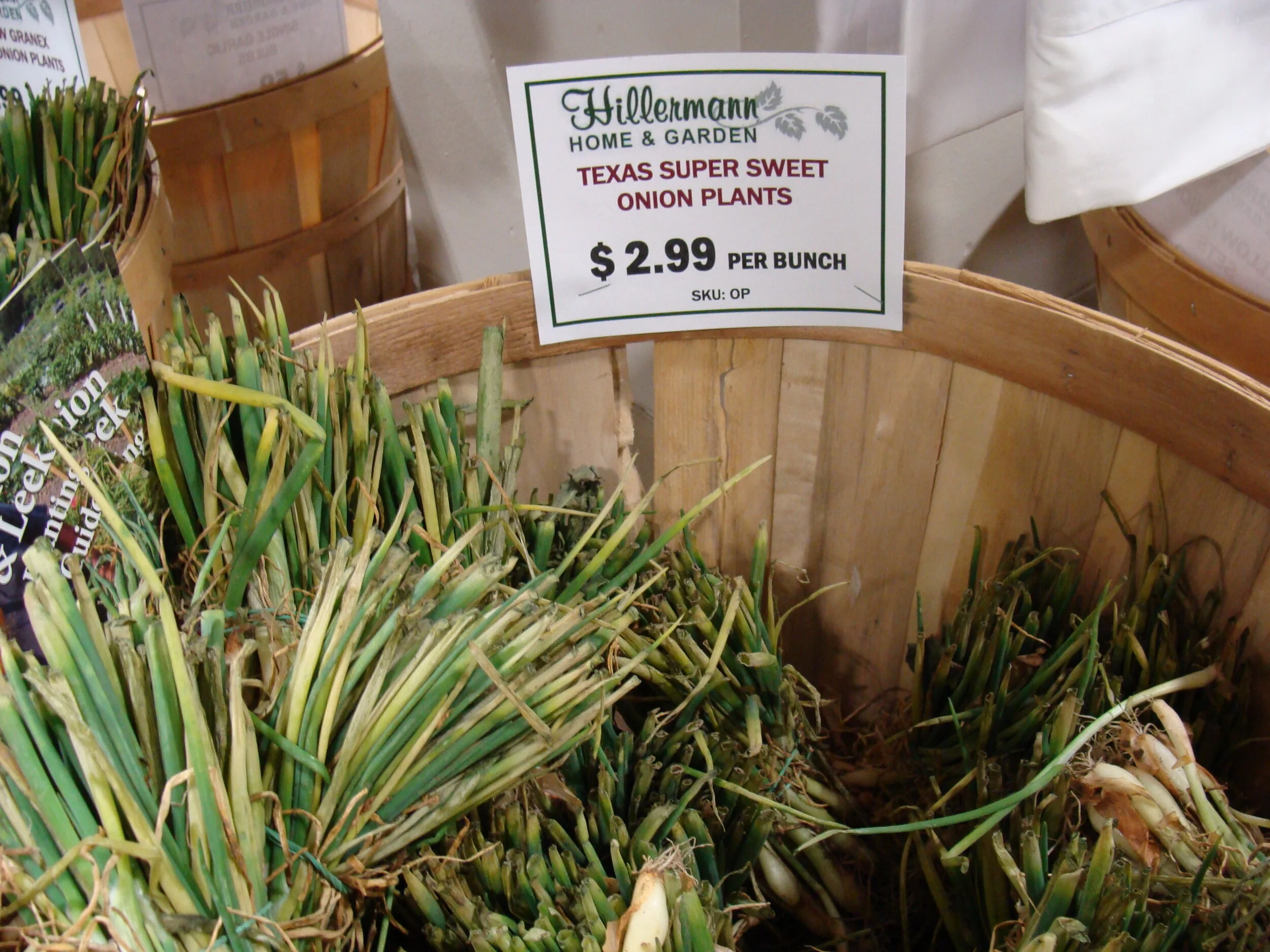









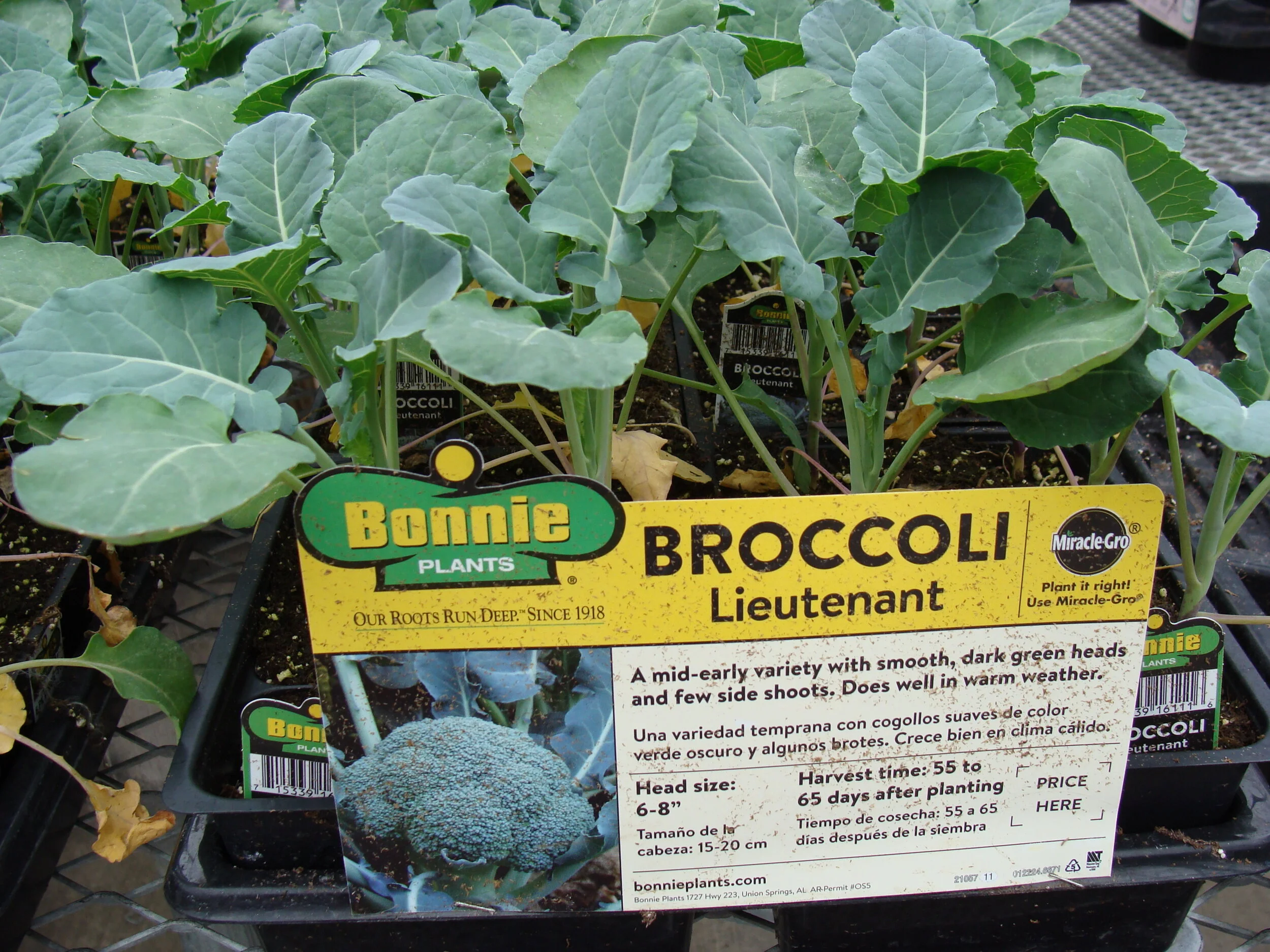
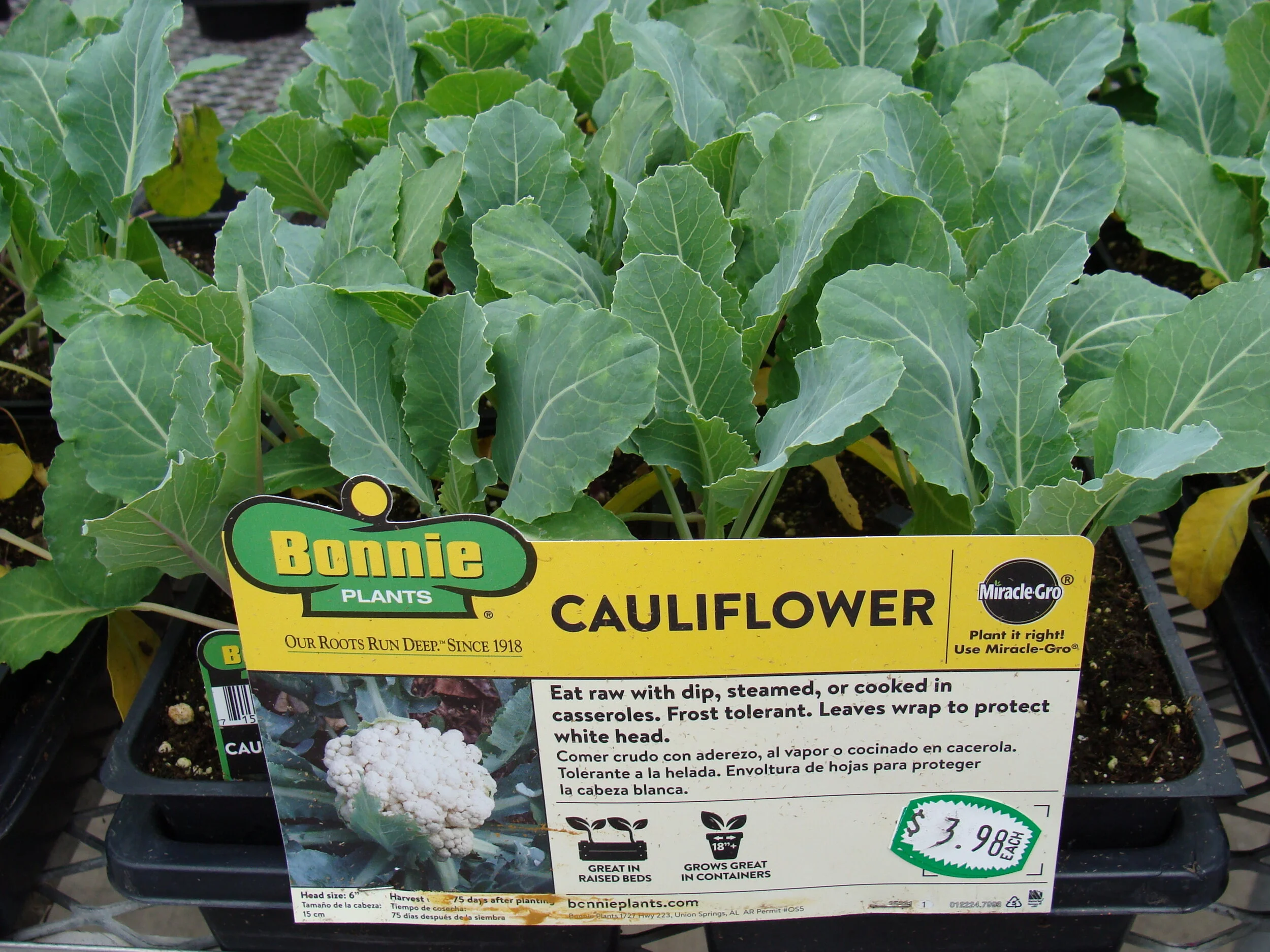
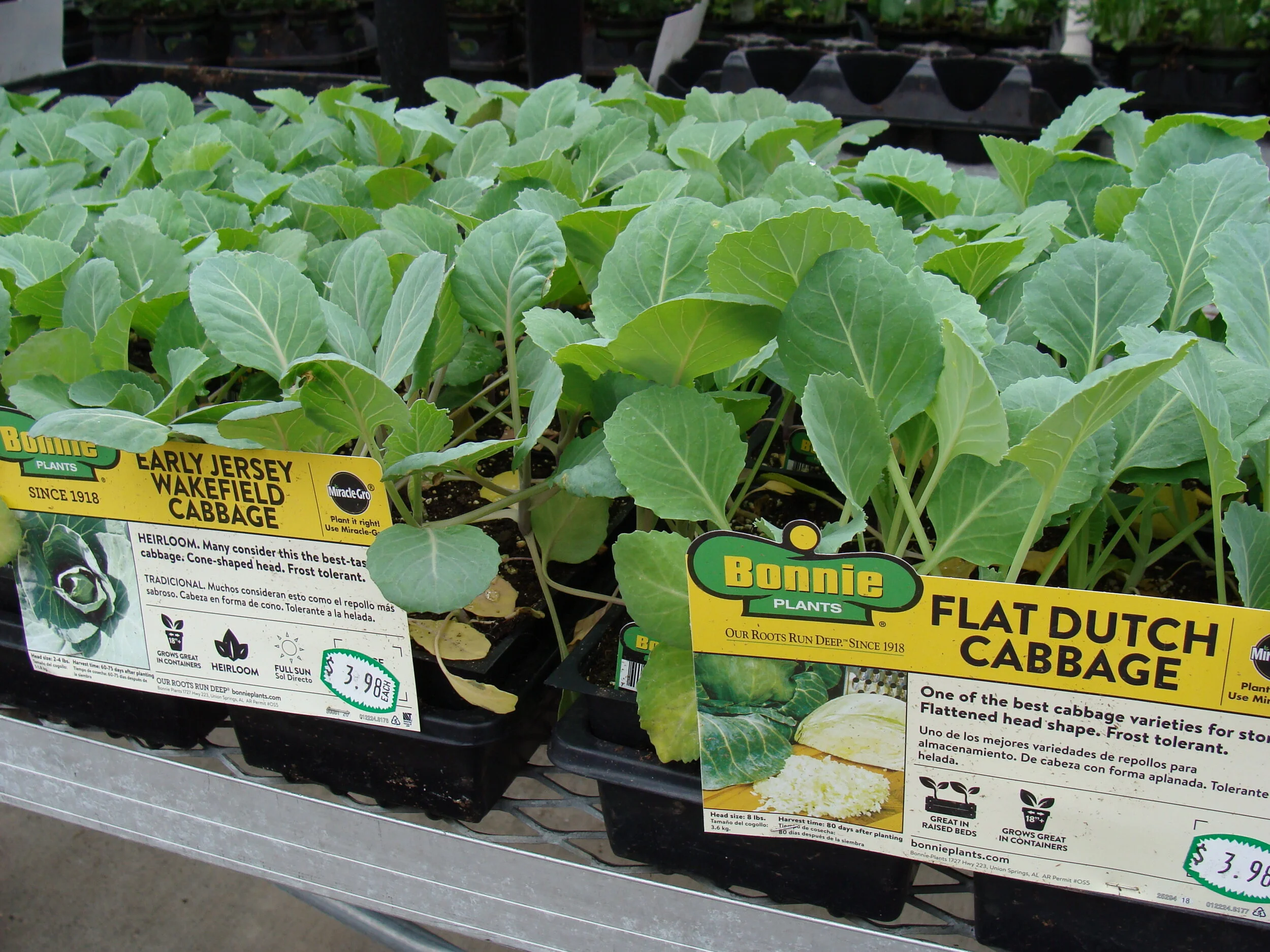


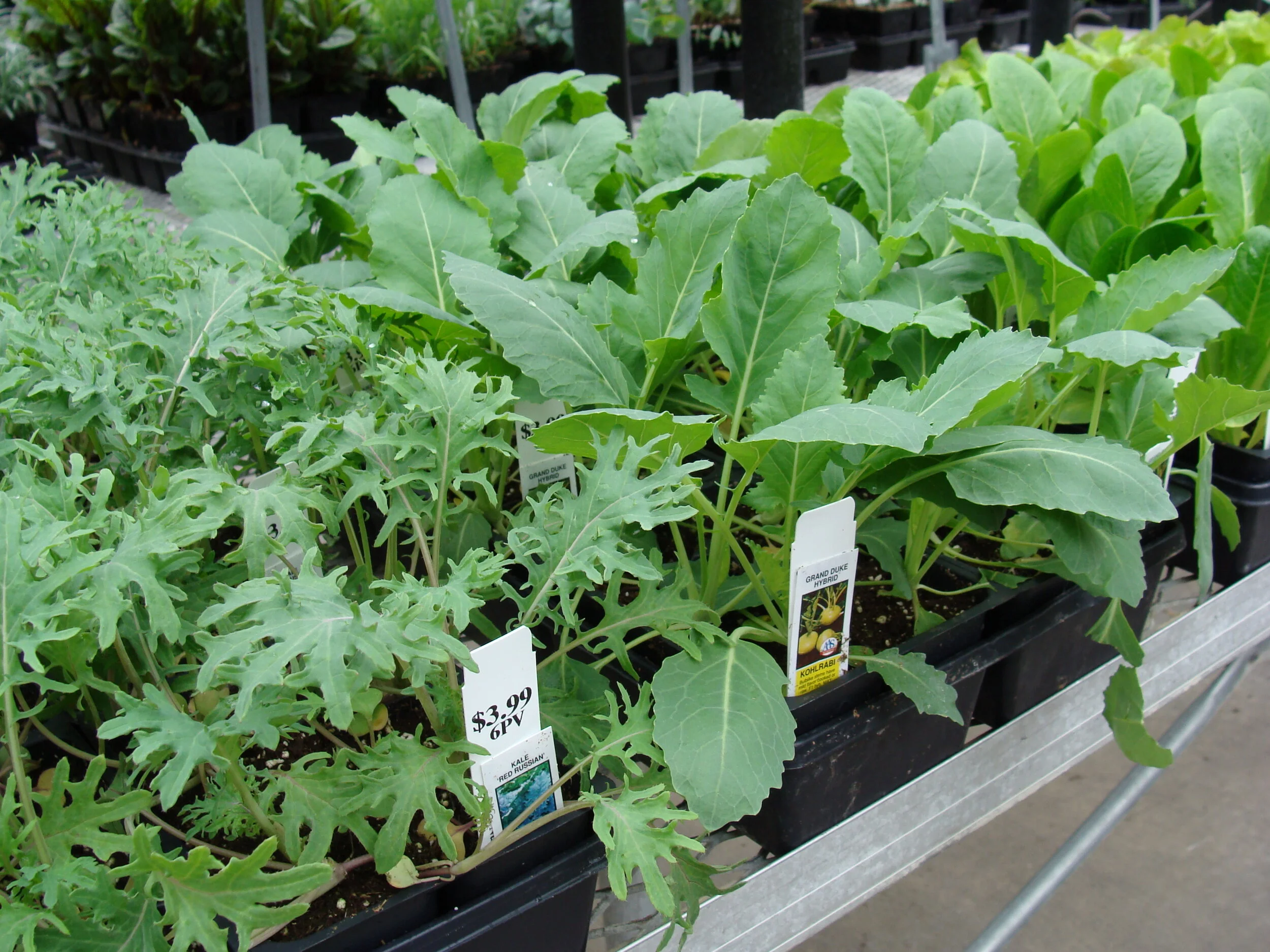
















Tips for the Garden - March 2020
Spring is almost here!!!!!! What a wonderful feeling to be able to spend more time outside enjoying what Mother Nature is unfolding before our eyes. The lengthening of days is a welcome site and the warming sun on our faces is also a very great feeling.

Mowing time is around the corner. Thin spots and bare patches in the lawn can be over seeded now if you don’t intend to use a crabgrass pre- venter on your lawn. Last summer’s heat and drought may make this a necessity this spring, if you missed the opportunity last fall.
If you don’t over seed, now is the time to apply Fertilome Crabgrass + Lawn Food. We have long summer seasons here and recommend that you make two applications of this product (4-6 weeks apart) to keep your yards crabgrass free this summer.
Begin spring cleanup of perennial beds now. Cut perennials to 3” above the ground. Remove damaged foliage and old flower stalks. Ornamental grasses and hardy hibiscus can be pruned back to 6” above the ground as well.
Once flower beds have been cleaned up, re-mulching can be done. Be sure not to mulch on the crowns of plants. Dry feed beds with a granular fertilizer, such as Osmocote, and apply a pre-emergent if you do not plan to plant any flower seeds. Pre-emergent products will put down a barrier over your flower beds that keep weed seeds from germinating, making weeding an easier job this summer. Divide summer and fall blooming perennials now, along with ornamental grasses if you so desire.

Plant/sow peas, lettuce, radish, kohlrabi, collards, turnips, potatoes, spinach, onion sets, beets, carrots, and parsley outside this month. Set out broccoli, cabbage, brussels sprouts, Chinese cabbage, cauliflower and pansy transplants now. This month is also great for setting out strawberries, blueberries, blackberries, grapes and fruit trees.
Start seeds indoors this month for tomatoes, peppers and eggplants. And houseplants can still be repotted. Continue to check houseplants for over wintering insect populations.
Nesting boxes for bluebirds can be set up as well as Purple Martin houses. Bluebird boxes are best at about 5’ off the ground on a fence post in the open with the entry hole facing away from prevailing winds. Purple Martins return to our zone 6 region between St. Patrick’s Day and the end of the month. So, now is the time to clean out those houses and be prepared.
It is time to go, so we will “See you in the garden!”
Sandi Hillermann McDonald
Houseplant of the Week - 2/25/20
Mini Garden Plants
Mini plants and mini gardens have become very popular. They have a cuteness factor that is hard to resist. Miniature plants can be used in a variety of ways. They work great in cute little containers, terrariums, and of course in miniature/fairy gardens.
The joy of miniature gardening is combining crafting and gardening together to create a living masterpiece. There are so many options for creating mini gardens from fairy gardens to miniature landscape scenes. You can create a mini world containing plants and mini decor that reminds you of a favorite place or a place you'd like to be, or you can create a whimsical fantasy scene.
The crafting part is attaining an idea, and then putting it into a mini garden. The gardening part is choosing the plants that suit your idea and will grow well together in the location you have available. The same golden rule applies here as in landscape areas - choose the right plant for the right place. The associates at Hillermann Nursery & Florist are here to help you with design, selection and care tips.
- - - - - - - - - - - - - - - - - - - - - - - - - - - - - - - - - - - - - - - - - - - - - - - - - - - - - - - - - - - -
20% OFF
Mini Garden Plants
Good through 2/26/19. Not good with any other sale, coupon or discount or on previous purchases. Mention offer at the checkout counter.
Code: 004
- - - - - - - - - - - - - - - - - - - - - - - - - - - - - - - - - - - - - - - - - - - - - - - - - - - - - - - - - - - -
It's Time to Prune Trees!
Email update from Missouri Department of Conservation…

With winter well underway, it is time to prune shade trees. Proper pruning promotes overall tree health, improves the appearance of trees, and protects people and property by removing hazardous branches. Cold winter temperatures create ideal conditions for pruning, as trees are dormant and sap is currently located in root systems. Pruning during the dormant season also helps trees callus over wounds more quickly by taking advantage of early spring growth.
While pruning is an important tree maintenance tool, improper pruning can create permanent damage or even shorten a tree’s lifespan. Review these pruning tips before making any cuts:
Small cuts are less damaging than large cuts. Pruning young trees to develop a desirable form and structure can save the tree from large, complicated cuts in the future.
Wait to prune young trees until they are established—generally 2-3 years after planting.
Avoid removing more than 25% of the crown especially on mature trees.
Make pruning cuts just past the branch collar, which is a zone of specialized cells around the base of a branch. These cells divide rapidly to form wound wood over pruning cuts. Cutting flush with the trunk damages and removes these specialized cells, impairing wound closure.
Avoid using tree wound dressings and sprays unless you are pruning a red oak group species in mid-March through June (see our Oak Wilt Alert for more information).
Hand pruners are ideal for small branches. Cuts larger than a half inch in diameter can be cut with lopping shears or pruning saws.
Wear protective gear and use safe practices when cutting larger branches. Never use a chain saw to reach above your shoulders or when on a ladder.
Contact a certified arborist for large, difficult pruning tasks. You can find a list of certified arborists in your area at https://www.treesaregood.org.

Prior to making pruning cuts, review recommendations for proper pruning techniques and plan your cuts ahead of time. (A) Target pruning cuts for just past the branch collar. (B) For small branches, pruning cuts can be made with handheld pruning shears. (C) For larger branches, a pruning saw should be used to make a series of pruning cuts.
Image courtesy of USDA Forest Service "How to Prune Trees", publication NA-FR-01-95.
Forest Health Program
Missouri Department of Conservation
To contact your local forester, see the local contact box at http://mdc.mo.gov
___________________________________________________________________________
Printable file of Basic Pruning Guidelines from Missouri Department of conservation:
https://mdc.mo.gov/sites/default/files/downloads/basicPruning.pdf
More Tree Care information from MDC:
https://mdc.mo.gov/trees-plants/tree-care
Houseplant of the Week - 2/18/20

Philodendron
For generations, philodendrons have served as a mainstay in interior gardens. Philodendron care is easy because if you watch for the signals, the plant will tell you exactly what it needs. This makes it easy to learn how to care for the plant. They will thrive indoors year round, but they enjoy an occasional stay outdoors in a shady spot in summer months.
Sunlight - Set the plant in a location with bright, indirect sunlight near a window where the sun’s rays never actually touch the foliage. While it’s normal for older leaves to yellow, if this happens to several leaves at the same time, the plant may be getting too much light. On the other hand, if the stems are long and leggy with several inches between leaves, the plant probably isn’t getting enough light.
Water - When growing philodendron plants, allow the top inch of soil to dry out between watering times. Check the soil by inserting your finger an inch into the soil. If the soil is moist, wait a little longer to water the plant. Droopy leaves can mean that the plant is getting too much or not enough water. However, they recover quickly when you correct the watering schedule.
Fertilizer - Water the plant with a balanced liquid foliage houseplant fertilizer monthly in spring and summer and every six to eight weeks in fall and winter. Slow growth and small leaf size is the plant’s way of telling you that it isn’t getting enough fertilizer. Pale new leaves usually indicate that the plant isn’t getting enough calcium and magnesium, which are essential micro-nutrients for philodendrons.
- - - - - - - - - - - - - - - - - - - - - - - - - - - - - - - - - - - - - - - - - - - - - - - - - - - - - - -
Houseplant of the Week Special:
20% OFF
Philodendron Plants
Good through 2/25/20.
Not good with any other sale, coupon or discount or on previous purchases.
Print coupon or mention this offer at the checkout counter.
Code: 004
- - - - - - - - - - - - - - - - - - - - - - - - - - - - - - - - - - - - - - - - - - - - - - - - - - - - - - -