How will you spend your Hillermann Bucks?

      Hillermann Bucks Redemption Days are coming soon on August 1st through August 15th! Match your Hillermann Bucks dollar for dollar with real cash, for up to 50% of your purchase. Use them on any in-stock merchandise in the Garden Center, Nursery, and Greenhouse. Holding or Tagging is NOT allowed for Hillermann Bucks, so if you've got your eye on a perfect piece of pottery or a beguiling bird bath, come in and get it before it's gone!

Summer Browsing & Shopping at Hillermann's

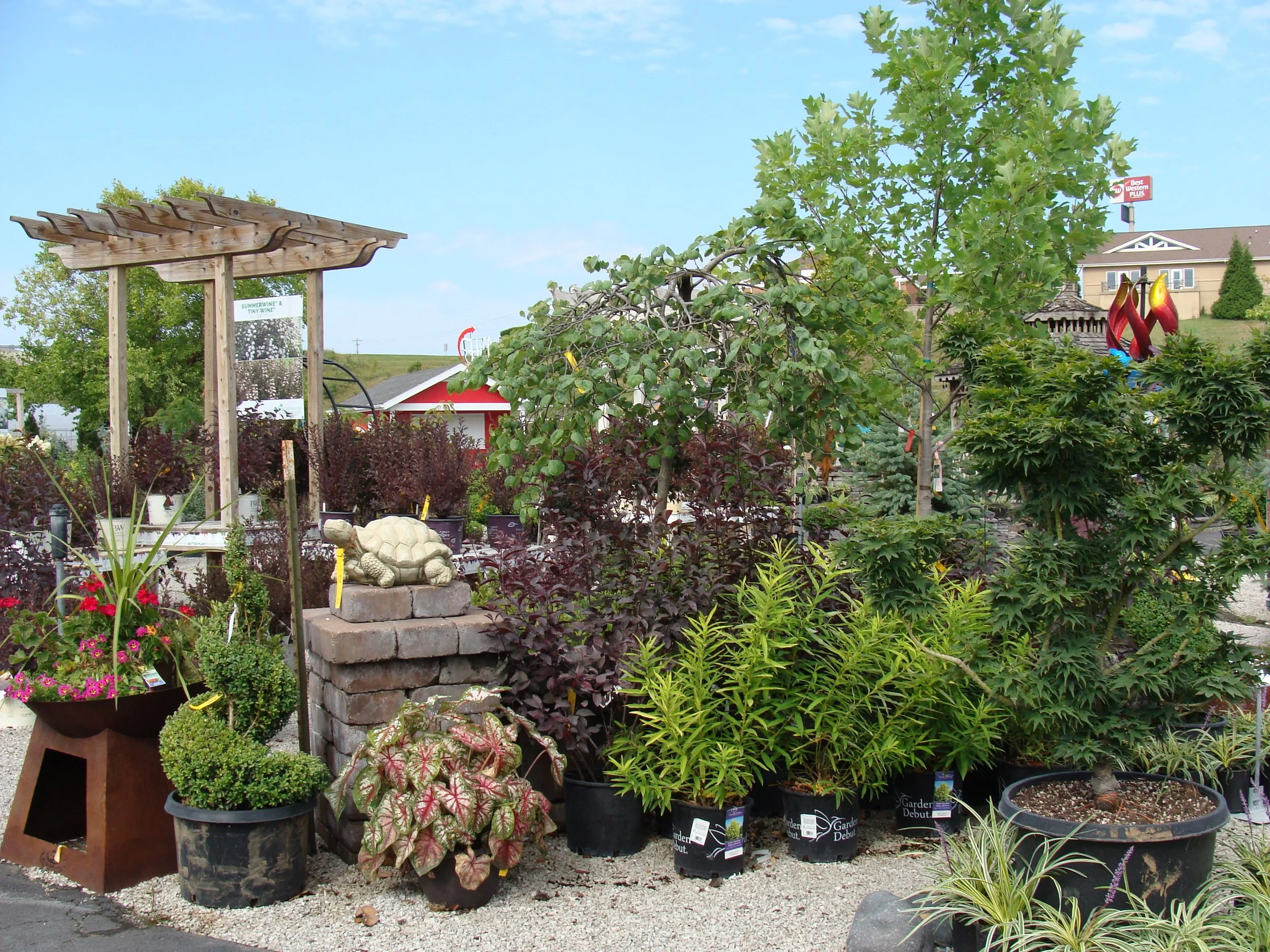
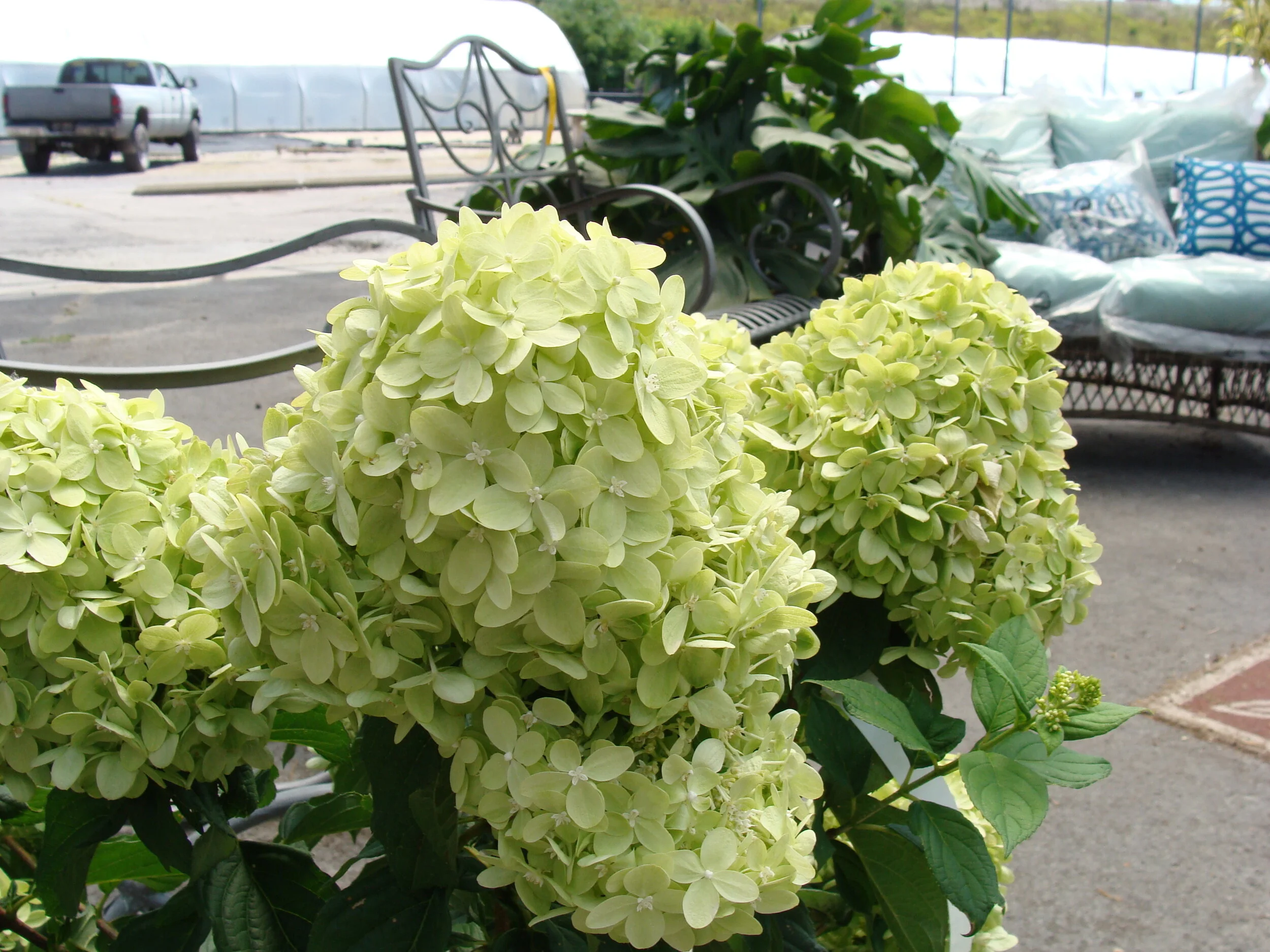
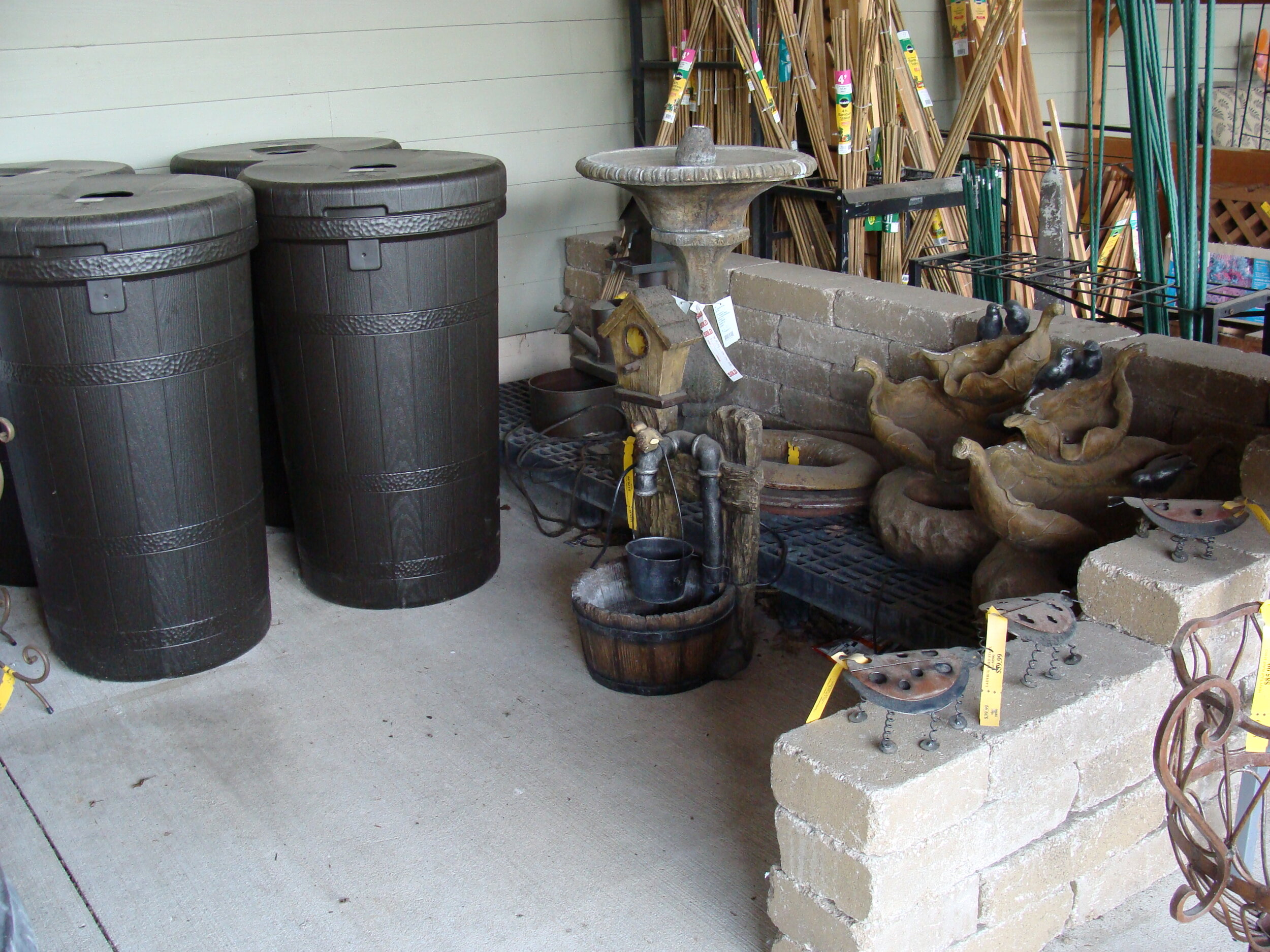
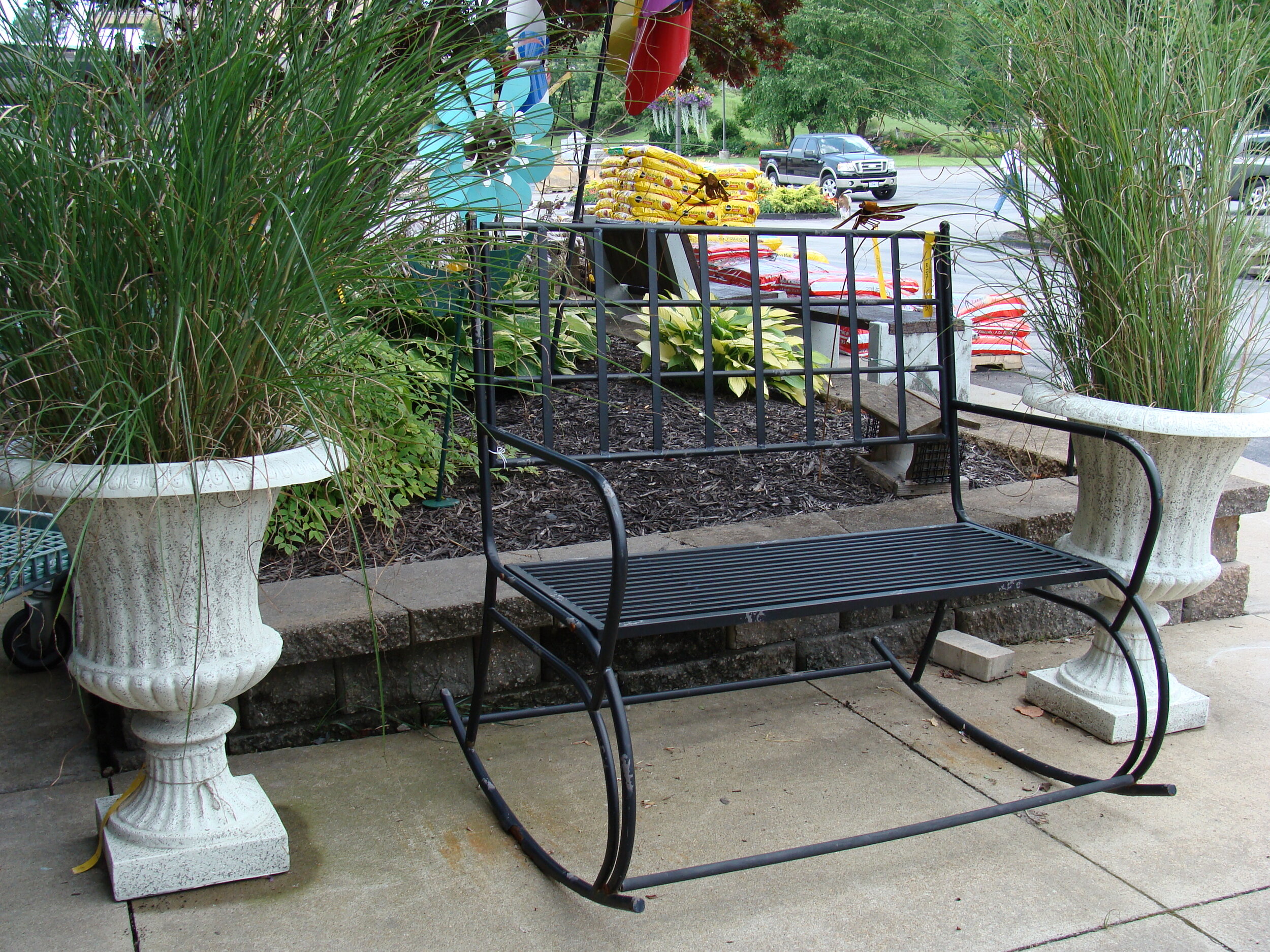
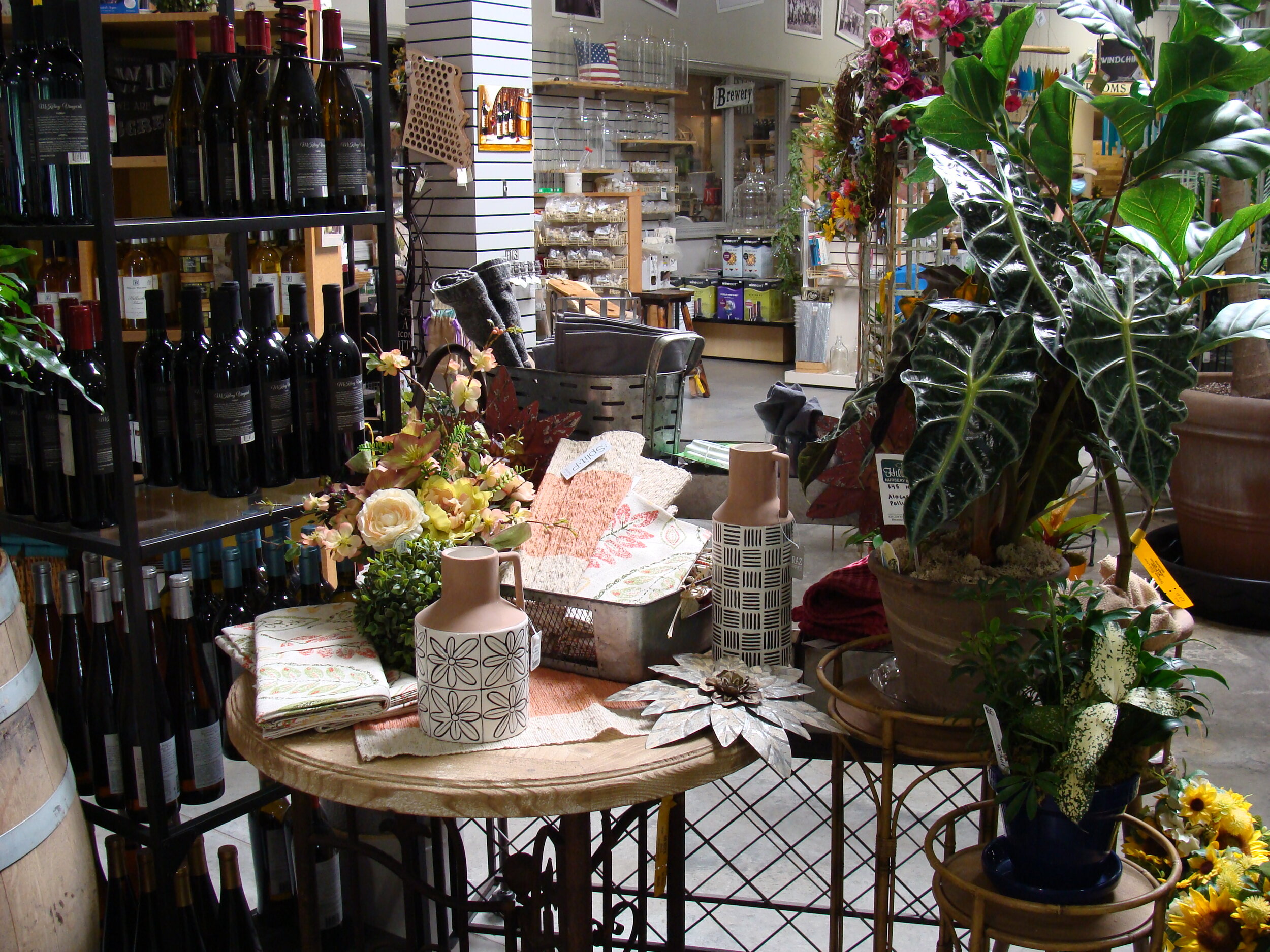
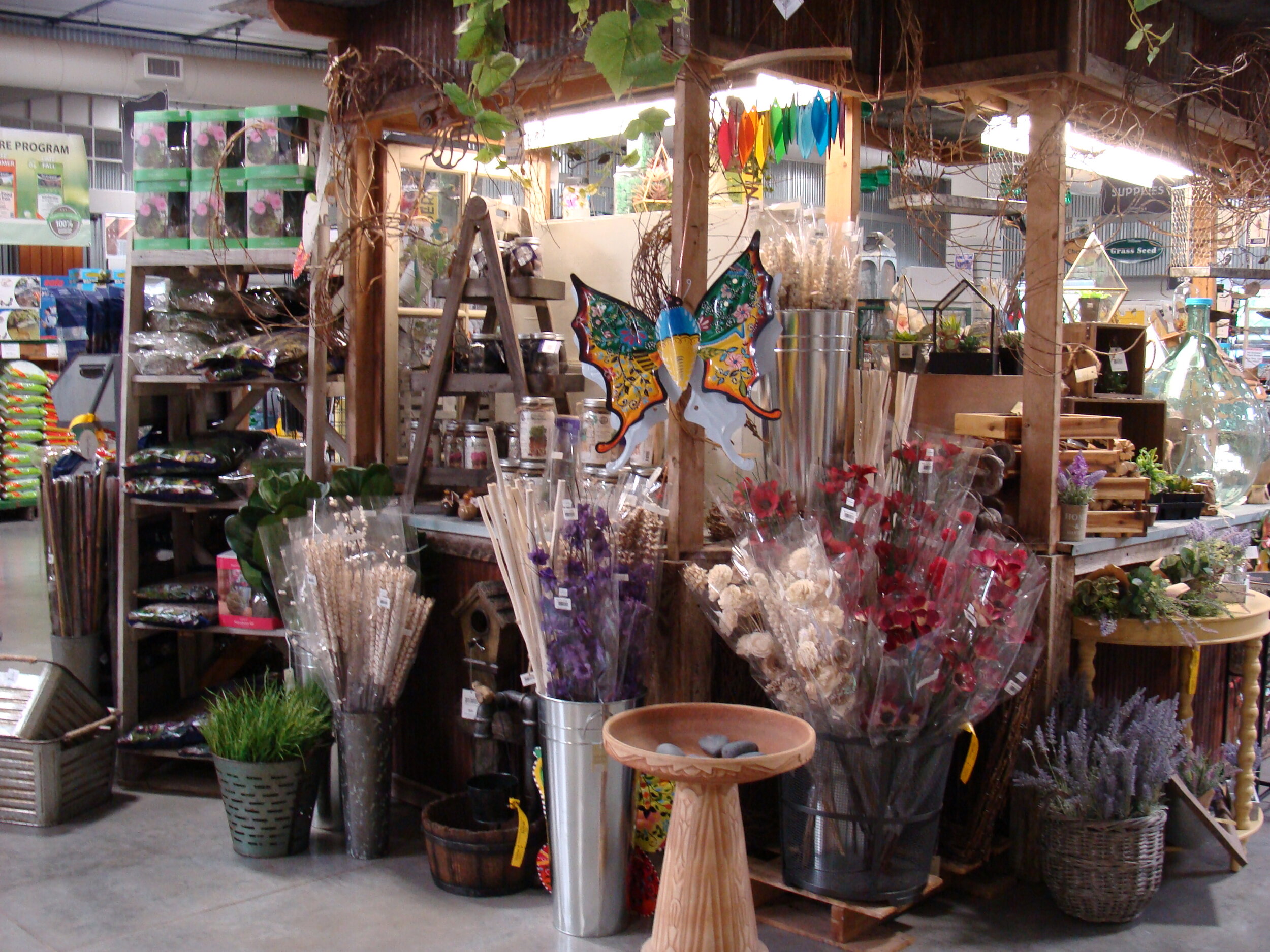
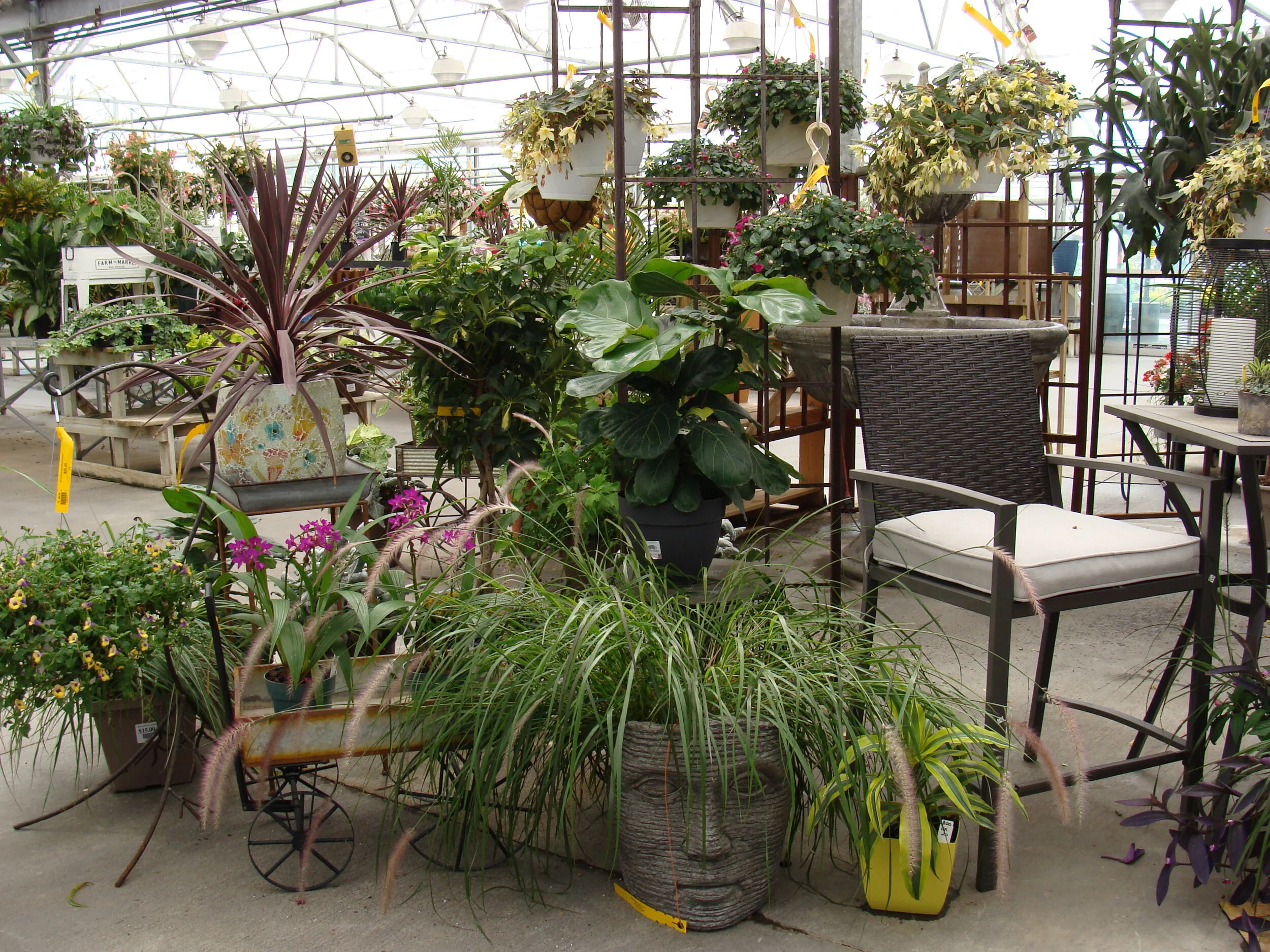
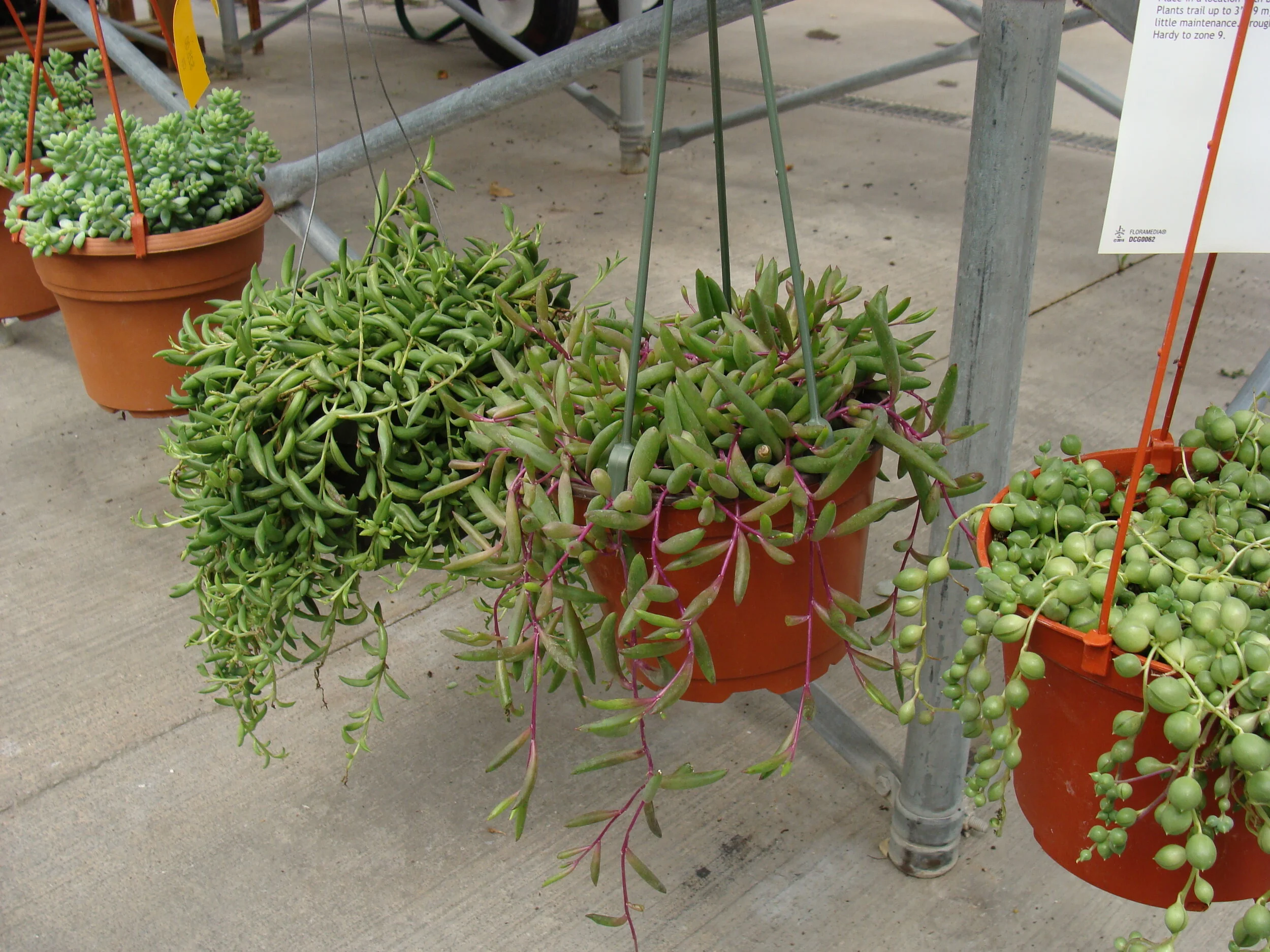
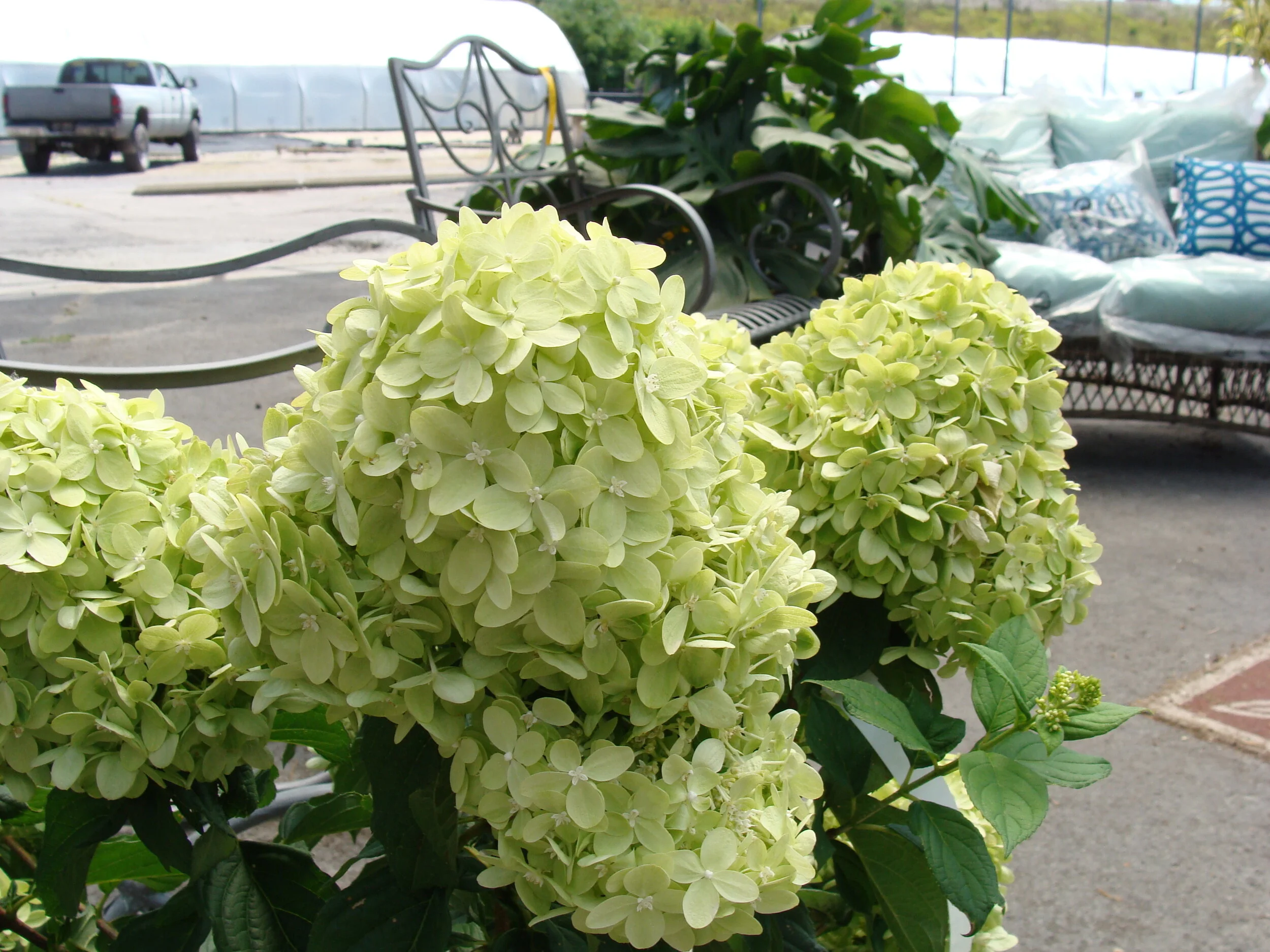
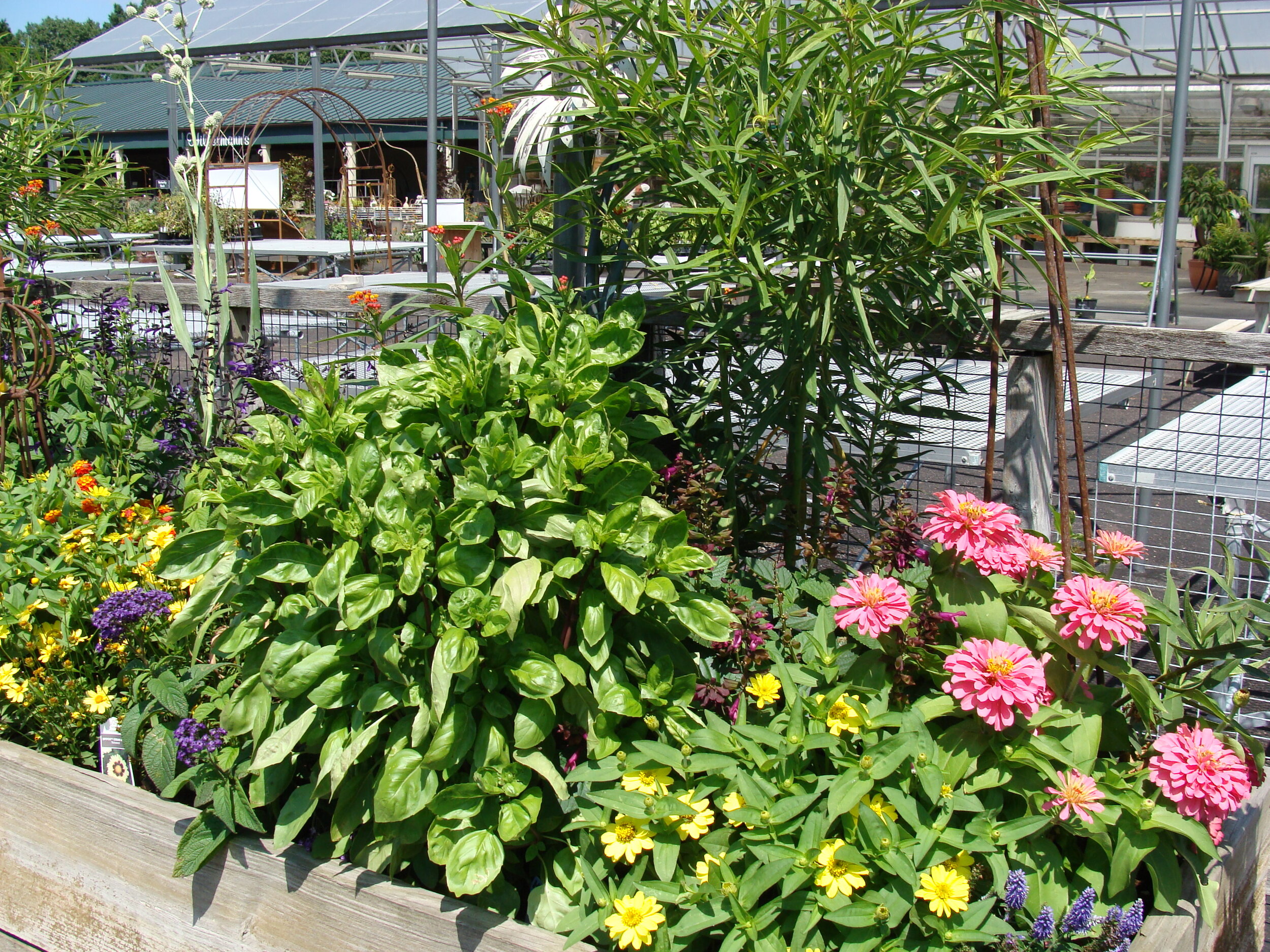
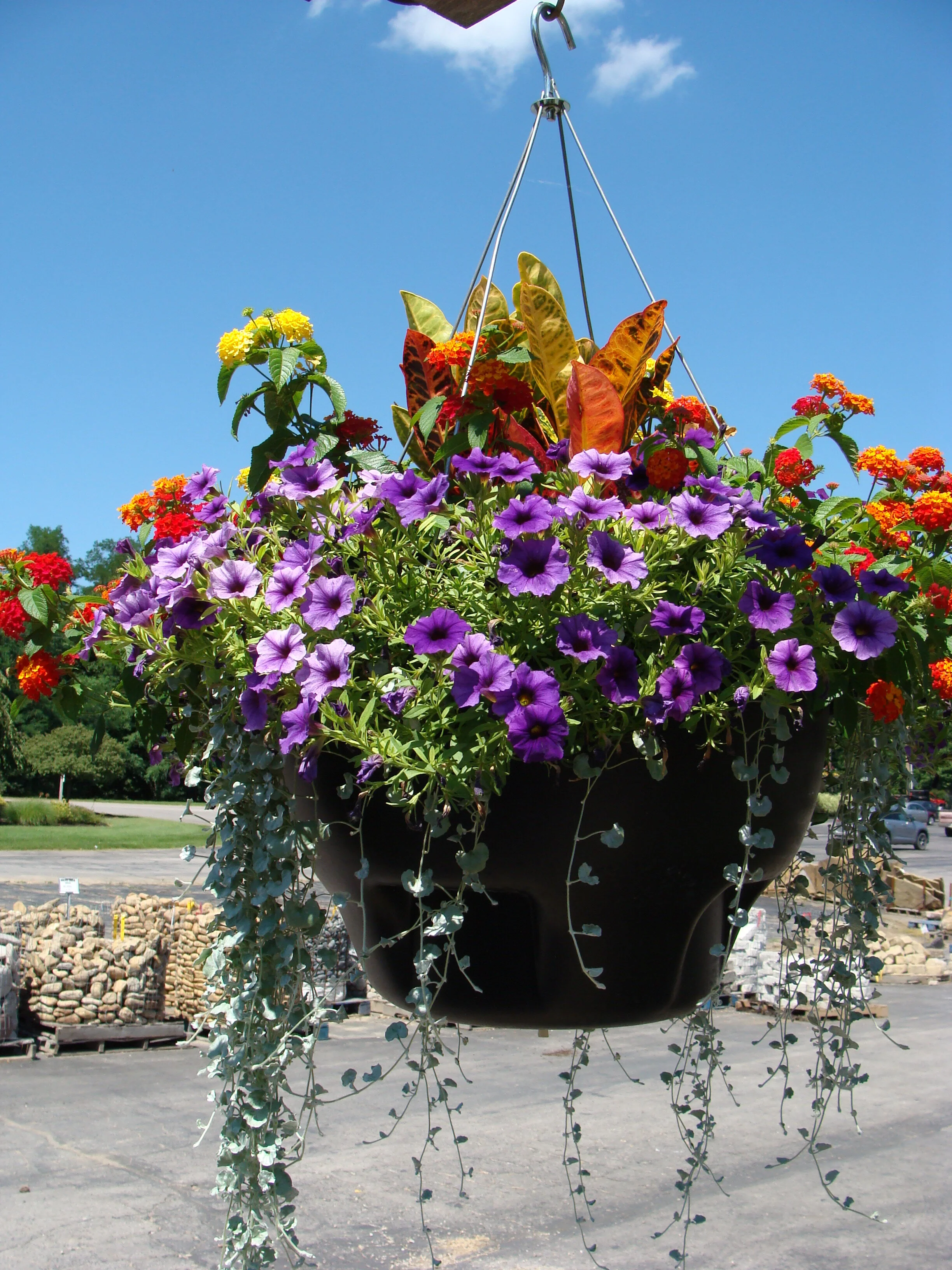
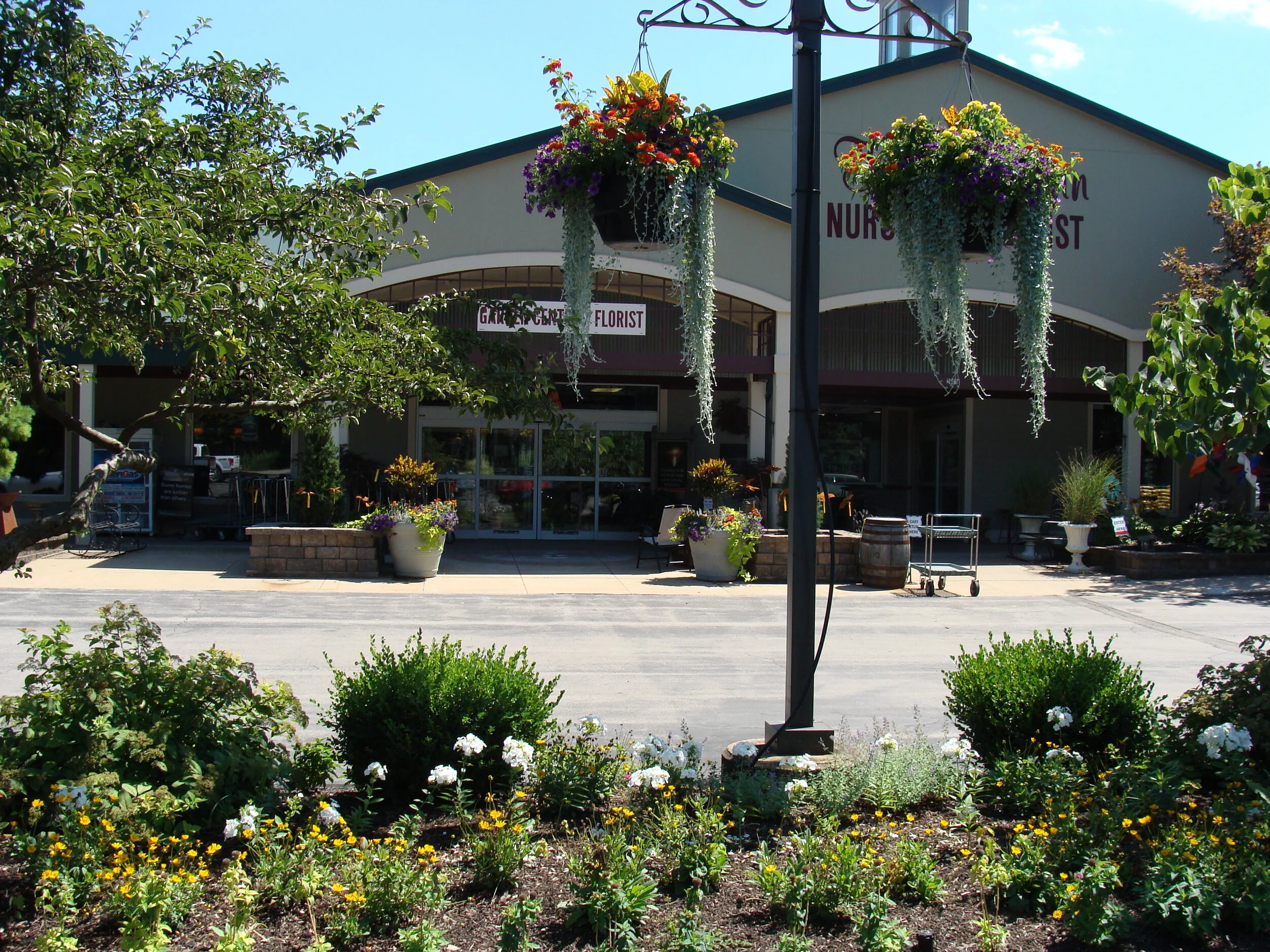
We have many nice items, plants, blooms, displays, gardens and more - for your shopping and browsing enjoyment throughout summer! Here are just a few photos of some great things you can find at Hillermann’s. Come by and visit for a while!

Turtlehead Tiny Tortuga - Perennial Plant of the Week

Turtlehead_Tiny_Tortuga_Wc.jpg

Turtlehead (Chelone obliqua) plants are native wildflowers that adapt beautifully to garden conditions. This cute variety of Turtlehead is more compact growing 12-18” wide and 12-16” tall. Tiny Tortuga forms an upright, bushy mound of thick, dark green foliage. Plants produce upright stems of large dark pink-rose hooded flowers that bloom late summer into fall. Showy and long lived.

As a native wildflower, Turtlehead will do well planted near or around water features in your garden. Nice in rain gardens, bogs and pond side. Because of its small size, Tiny Tortuga is a great option for containers and borders. Also good for mass plantings and cut flowers. It performs best in evenly moist conditions with fertile loamy soil with abundant organic matter. Turtlehead looks great when planted in its native woodland setting. And, if it’s happy there, it will slowly naturalize to form an exquisite groundcover. Hardy in USDA zones 3 to 8.

Turtlehead_Tiny_Tortuga_d_wc.jpg

Tiny Tortuga is easy to grow. Plant in full sun to part sun. It likes a rich, slightly acidic soil. The crown of the plant should rest just at or above the soil surface after watering in. Keep the soil continually moist with a garden hose or sprinkler while the plants set root and throughout their growing and blooming season. If your plants start to get floppy, prune or pinch back the stems of established plants in mid-spring. Since turtlehead blooms late in the season, there is no reason to deadhead spent flowers. You can leave the flowers to dry, and then collect the seeds if you like. The plant will self-seed in moist soils. Propagate by division, cuttings or seed. Mulch each fall with shredded leaves to maintain a moisture-retaining humus. Turtlehead is rarely bothered by insects or disease. However, it can develop a powdery mildew due to moisture fluctuations. Keeping the plants evenly moist should alleviate this problem.

Turtlehead Tiny Tortuga attracts butterflies and hummingbirds and is bee friendly. It is also deer and rabbit resistant. The varied colors of Chelone combine well with other late-season bloomers, like sedum, Joe Pye weed, and anemone. Additionally, since it likes moist soil, it naturally partners well with ferns.

Turtlehead_Tiny_Tortuga_B_wc.jpg

Share this:

Anemone - Perennial Plant of the Week

Anemone_japanese_white_w.jpg

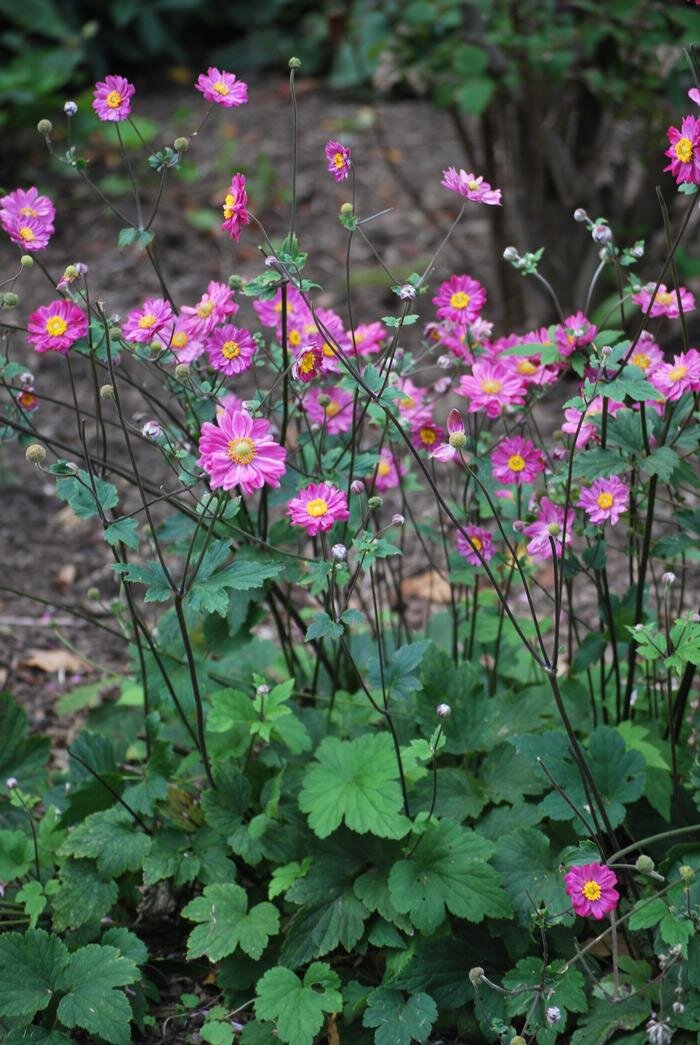
Also known as windflower, anemones are grown for their beautiful, nodding blooms on long, wiry stems. The common name is derived from the Greek word anemoi, which in English means “winds”. The foliage looks similar between varieties, but size and bloom times vary between spring, summer, or fall. Fall-blooming Japanese anemones are particularly noteworthy because they fill the midsummer-to-fall gap in gardens. Flowers range from white to pink to rose, with yellow anthers surrounding a green/yellow center.

Anemone_Blooms_Pink_w.jpg

Anemones’ timeless grace enhances any garden. Depending on species, anemones can be some of the earliest perennials up. Those spring plants typically cover woodland floors with delicate, nodding blooms in soft shades, most often white, rarely tinged pink or purple. But the true showstoppers are fall-blooming anemones. These larger plants come in many shades of whites and pinks with petals ranging from single rows to double. From later summer to fall, there is no other perennial flower quite like Anemone in the border. They are prized for their late summer color that lasts into the fall. Their graceful flowers are freely and continuously produced on tall stems over lush mounding plants. They are also good to use in containers, mass plantings and for cut flowers. They are deer and rabbit resistant.

Anemone_Pink_w_foliage_w.jpg

Perennial anemones are easy to grow, and once established, they can create large colonies of plants for grand displays. Plant in an area that receives part shade (protected from the hot afternoon sun) in well-drained soils rich in organic matter. If needed amend the soil with the addition of organic material to raise the level 2-3″ to improve the drainage. Peat moss, compost, ground bark or decomposed manure all work well. The extra organic matter will help keep a consistent moisture in soil, which will help avoid browning and crisping on leaf edges.

Anemones spread by underground rhizomes that multiply readily; in some cases they can be almost aggressive spreaders. However, their shallow roots make them easy to dig up. Water as needed during active growth periods; about 1″ of moisture per week is a good estimate. After blooming has finished for the season leave the foliage in place; don’t cut it off. The leaves will gather sunlight, create food through photosynthesis and strengthen the bulbs for the future. For a tidy appearance, remove old foliage before new foliage emerges in early spring. Divide clumps every 2 to 3 years in early spring. In shadier plantings, keep an eye out for powdery mildew, which can be a mild nuisance.


Share this:

Garden Solutions - July 2020

Garden_Porch_Hanging_Baskets_PW.jpg

Well summer has come with a vengeance of heat and humidity. This IS Missouri, right? This summer is seeing the opening of outdoor playgrounds, stores, facilities and so much more. Now is the time to gather and celebrate each other and enjoy nature! But please still do it at a safe distance. 

We have all experienced a NEW spring never seen before with this COVID virus. We have learned from it, became more appreciative of our surroundings, and of family and friends. Now let us get back to keeping our little pieces of sanctuary (and sanity) in tack and enjoyable.

It’s not too late to plant shrubs, perennials and annual flowers, but you will need to give them a little TLC for the summer.

If Japanese beetles are attacking your plants, you have several from trapping (the safest) to spraying them. Japanese beetle traps are readily available and do a fantastic job of eradicating the problem naturally. 

Hot, dry weather is ideal for spider mite development. Damage may be present even before the webs are noticed. With spider mite damage, leaves may be speckled above and yellowed below.  Evergreen needles appear dull gray-green to yellow to brown. Spray with permethrin to control this critter. 

IrrigationDrip-Sprinkle-W.jpg

Water conservation is of the utmost importance during our dry summer months. Water where it counts,  at the roots, not the leaves. Drip irrigation systems in landscape beds do wonders for water conservation and are easy for the homeowner to install. Trees and shrubs would also benefit from a deep root watering this time of year. You can use a deep root feeder (without the fertilizer) for this purpose. Water plants around the drip line for best success. Doing this every 2-3 weeks is beneficial.   When you mow your grass, cut it less frequently and at a higher level. Longer grass blades shade the soil and conserve moisture. Plant drought tolerant, native plants where possible. Native plants are becoming a true staple in the landscape.

Check your plant containers daily for water. Hanging baskets will need a drink at least once a day, sometimes even twice a day, depending on the weather. Provide water in the garden for birds during dry weather and they will repay you with wonderful antics and bird song. Enjoy nature and your gardens this summer. You will not regret it.

See you in the Garden,
Sandi Hillermann McDonald

Report Dying Sassafras! - Missouri Department of Conservation

While not currently known in Missouri, laurel wilt has been found within 100 miles of our southeastern border in western Kentucky and Tennessee. This invasive, tree-killing disease poses a serious threat to a common and widespread understory tree—sassafras—as well as its close relatives, spicebush and federally-endangered pondberry.

Laurel wilt is a lethal vascular wilt disease that rapidly kills entire clumps of sassafras. The disease is spread to new areas when the tiny, wood-boring redbay ambrosia beetle deposits spores of the fungus Raffaelea lauricola in healthy trees.

Symptoms of laurel wilt include:

  • Leaves rapidly wilt, turn reddish-brown, and drop from the tree in mid to late summer

  • Entire clumps of wilted or dead sassafras trees, as the disease spreads through roots

  • Dark staining in the sapwood, exposed by removing bark

  • Tiny ambrosia beetle exit holes in the bark

  • Frass ‘toothpicks’ may protrude from beetle exit holes

Please be on the lookout for laurel wilt this summer! Send reports of dying sassafras trees to the MDC Forest Health Program:  Forest.Health@mdc.mo.gov


Sassafras_Laurel_Wilt_MDC_GFC_w.png


More on Laurel wilt from the University of Arkansas Extension Service website: https://www.uaex.edu/environment-nature/ar-invasives/invasive-diseases/laurel-wilt.aspx