Tips for the Garden - October 2021

Fall_Tree_Yard_House_w.jpg

            This month in “Tips for the Garden,” I am going to focus on trees and pumpkins. Quite a different combination, but both need attention this time of year.

The Many Benefits of Planting Trees

            Most often, we plant trees to provide shade and add beauty to our landscape. These are great benefits. Consider all the benefits listed below and remember fall is the perfect time to plant trees for an increased success rate next spring.

·    Plant as living memorials, to remind us of loved ones, or to commemorate events in our lives.

·    Even though you may own the trees on your property, your neighborhood may benefit from them as well. Through careful planning, trees can be an asset to your entire community.

·    Tree lined streets have a traffic calming effect, traffic moves more slowly and safely.

·    Trees can be placed to screen unwanted views or noise from highways.

·    Trees improve our air quality by filtering harmful dust and pollutants.

·    Trees give off oxygen that we need to breathe.

·    Trees reduce the amount of storm water runoff, which reduces erosion and pollution in our waterways and may reduce the effects of flooding.

·    Many species of wildlife depend on trees for habitat. Trees provide food, protection, and homes for many birds and mammals.

·    Tree can reduce your cooling costs by shading the south and west sides of your home. If deciduous trees are used, they will allow the sun to pass through and warm your home in the winter.

·    Evergreen trees on the north side of your home and shrubs around the foundation of your home can act as a windbreak to reduce the cooling effects of winter winds.

·    The value of a well landscaped home can be as much as 10% higher than a similar home with no or little landscaping.


            Now let’s change the focus. This is the month for HALLOWEEN!!! What a great and fun time to decorate and enjoy the season with the children of the neighborhood. Here are “Tips for Selecting and Preserving Your Pumpkin.”


Selecting a Pumpkin

            When selecting a pumpkin for a jack-o-lantern, choose one that does not have any bruises. Check for discoloration and soft spots.

            Pumpkins that are flatter on the bottom and do not roll well work the best. Look for pumpkins with a sturdy stem.  Do not lift or carry the pumpkin by the stem, this can damage it and make it age faster. Check the bottom of the pumpkin to see if the base is damaged.


Preserving and Firming Up a Pumpkin

Pumpkin_Jack-O-Lantern_Bat_w.jpg

            Ways to help keep your pumpkin fresher and firmer. If you place a pumpkin in cold water, it will absorb the water and become very firm. Cut open the top of the pumpkin and clean out all the seeds.  If you have fine detail work to do, you may want to let your pumpkin soak overnight. You can add a small amount of unscented Clorox bleach in the water to prevent premature mold and bacteria growth.

            Once you have carved your pumpkin, you can add a thin amount of petroleum jelly on the exposed cut edges. This will help seal moisture of the pumpkin. If the pumpkin dries out, it will shrivel. You can try to revive it by soaking it in a bath of cold water for one to eight hours. Longer is better. Overnight will not hurt.

            You can prepare your pumpkins ahead of time and keep them fresh for a future party or gathering. Soak them first. Wrap them in plastic wrap to hold in the moisture and store them in the refrigerator (not the freezer). They will stay fresh this way for a very long time.

            Once you remove a wet pumpkin for display, you should immediately dry it off. This prevents mold from having a chance to grow.


Now, enjoy all that the month of October has to offer and I will…


See you in the garden…
Sandi Hillermann McDonald


Tips for the Garden - August 2021

            August….  besides vacations, other activities that will pull you away from your list of gardening duties are fairs, festivals, family outings, and back to school preparations.  It really is a good thing that August is a slow month for working in your landscape.

Weeds_Weeding_Tool_w.png

            Your main tasks for this month begin with the letter W.  Weeding and watering.  Both tasks are self-explanatory.  If you let weeds get ahead of you and they go to seed, you are going to have hundreds more to deal with this fall and next spring.  Generally, it is best to pull weeds that are growing in and immediately around your desirable plants, and spray those that are “in the open”. 

IrrigationDrip-Sprinkle-W.jpg

            As far as watering goes, during drought conditions, slow deep watering at the base of desirable trees and shrubs on a weekly basis is very important. Try to eliminate drought stress on your plants.  So please take care of your desirable plants with slow soaking waterings.  If you have questions, do not hesitate to give us a call.

            Mowing the lawn is another task that continues in August.  Due to the usually hot and dry conditions that are the norm in August, you may be able to space your mowings further apart.  It is also beneficial to let the grass grow longer to help shade the roots. 

Landscape_Home_FFront_A_Rick.jpg

            If you are thinking about a new addition to your landscape this fall, now is the time to talk to your favorite landscape designer.  Your designer can discuss your needs with you, design the changes or new additions, and get you on the schedule for a fall installation.

            If you tried your hand at seasonal vegetable or square foot gardening this spring, here are a few ways you can enjoy a fall garden.  Carry Tomatoes, Peppers and Basil over in your fall garden.  Direct sow Beets, Radishes, Peas, and Spinach now where other spring crops such as Broccoli and Cauliflower have come and gone for this year.  It is best to replant nursery starts of Broccoli and Cauliflower, and not sow them from seed this time of year.  So take the time to enjoy the fruits of your labor.


See you next month…. in the garden

Sandi Hillermann McDonald

Tips for the Garden - July 2021

IrrigationDrip-Sprinkle-W.jpg

            Even though the weather outside isn’t as enticing or enjoyable as it is in the spring of the year, it can still be enjoyed and there are still things that need to be done…

            The most important item to consider this time of year, naturally, is water….provide water in the garden, not only for the perennials, annuals, trees and shrubs, but also for the wildlife such as for birds, rabbits, squirrels, and the such.  And this can be done in several different ways.  One would be a simple drip irrigation system to take care of your plant life.  These systems can be installed with tools as simple as a scissors or knife.  Timers are also available to take even the guess work out of the project for you, and it continues to work even when you are on vacation.  This will be extremely important this summer season.

BirdsRInBirdbath.jpg

Now don’t forget the wildlife as well.  Birds continue to give us enjoyment with new fledglings arriving as well as their daily antics.  Water can be supplied in the form of birdbaths, water fountains, or water garden displays.  Moving water is a bigger draw for this wildlife activity than still water, and it is safer, too.  With moving water, you do not need to worry about mosquitoes.

            Now that I have spent time expressing my concern and importance for water during the summer months, let me give you some other tips for the garden…

*Apply the “Permethrin” chemical to guard off grubs, fleas, ticks, etc. in the yard.

*Keep an eye out for powdery mildew and red spider mites this month in the garden.  Treat with Liquid Copper or Neem Oil, both organics.

*Remember to deep root water established trees and shrubs, as well, during drought conditions.

*Dig potatoes when the tops die and plant fall crops by the 15th.

*Sweet corn is ripe when the silks turn brown.

*For the fall garden, sow seeds of carrots, beets, turnips, winter radish, collards, kale, sweet corm and summer squash as earlier crops are harvested at the end of the month.  Also set out transplants of broccoli, cabbage and cauliflower for the fall garden.

            For additional information about garden tips for summer, check out our website at www.hillermann.com, or stop by Hillermann’s.

Time to go… See you in the Garden…

Sandi Hillermann McDonald
Tips for the Garden June 2021

PerennialBedVarious-PW.jpg

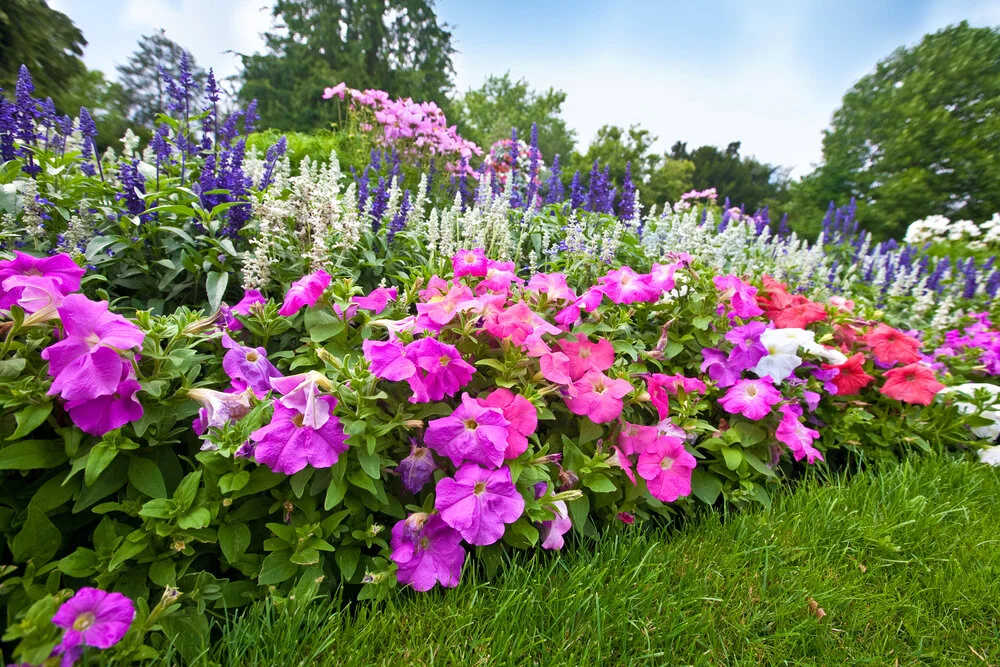
            Although I’ve never been accused of being short on words, there is often this blank in my mind about where to start the article. This month I will begin with a reminder that June is National Perennial Gardening Month. Perennials make perfect additions to gardens (as well as native plants) for pollinators, including bees, butterflies, and birds!

Garden_Mix_Daisy_PW.jpg


Here are 10 quick tips to Fabulous Perennials:

1.         Begin by preparing the soil.
2.         Choose plants carefully, sun vs. shade, etc.
3.         Purchase plants that can establish in one season.
4.         Space perennials to give them room to grow.
5.         Fertilize
6.         Mulch
7.         Control weeds
8.         Control insects
9.         Additionally, clean up the beds each season.  Enjoy!!


            Well, June is also the month of graduations, weddings, vacations, Father’s Day, and the beginning of summer. This is the month that we all begin to spend more of our free time out of doors, enjoying our gardens and the fruits of our labor from the last 3 months. If all of you have kept up with your tasks, then this month should be easy.


Here are garden tips for June:

•           Watch for the outbreak of bagworms on garden plants, especially junipers.
•           Deadhead bulbs and spring perennials as blossoms fade.
•           Repeat plantings of corn and beans to extend the harvest season.
•           Spray roses with a fungicide to prevent black spot disease and fertilize monthly.
•           Continue enjoying the antics of the wildlife in your yard and gardens by continuing to supply food and water sources for them.
•           Change hummingbird nectar at least weekly to prevent fungus from growing. You can make your own nectar using 1 part sugar to 4 parts water---no food coloring please!
•           Move houseplants outside for the summer. Place plants in areas with dappled shade and some protection from hot summer winds.
•           Orioles (if you were lucky enough to keep them around) begin building a gray woven nest; this takes about a week.
•           Watch for birds carrying food to their young.

            Are you late getting planting started in your garden this year? YOU ARE NOT ALONE! As busy as we were this May, and as wet as the weather was, many people have commented that they haven’t even begun their planting. That’s okay—you still have plenty of time. Plant selections should still be pretty strong. Fully enjoy your garden; it is the only true place to connect you to Mother Nature.


See you in the Garden…
Sandi Hillermann McDonald

Tips for the Garden - May 2021

www.provenwinners.com

www.provenwinners.com

Isn’t daylight savings time a wonderful thing!!!!!  Enjoy the fruits of your labor and spend time outdoors.  Extend your living quarters to your yard and garden.  It is easy to do…hang a hammock in a tree, set a bistro set in the perennial garden, or put benches in your Hosta beds.  Now invite friends over and have a cookout.  Let the nature in your yard tickle your senses with the sounds of birds, smells of flowers, sound of running water, and splashes of color.

And while you are enjoying your yard, and I hope that you are, here are some items to put onto your gardening checklist.  Begin planting summer annuals to add color and spice to the landscape.  And don’t just stop with the flower beds.  Container gardening is becoming a trendy thing.  The many choices, styles, shapes and colors of containers make great accent pieces for inside or out.  Let your imagination soar and express yourself.  Use imaginative containers you pick up at flea markets and auction yards.  Learn to mix annuals and perennials for great combinations.  Try hostas with begonias and impatiens….or hydrangeas with groundcovers.  These containers can make great accent pieces on the front porch, the back deck, in a flower bed, around the pool or at the end of the driveway.  Containers aren’t just plain anymore!!!!

Take your houseplants outdoors once the evening temperatures will remain above 50`.  Gradually move sun loving plants (hibiscus, gardenias, mandevillas, etc.) to sunny locations, as they have not had full sun in your home and will need to be acclimated to those conditions.

Plant summer bulbs now and fertilize with bone meal or bulb food.  Pinch garden mums now till July 4th to insure proper fall blooming.  Treat slugs in your garden with organic diatomaceous earth. This is a powder product, 100% safe and is good for the treatment of slugs, ants, fleas and ticks outside, as well as roaches and ants indoors.  This organic product is very safe to use and good to have on hand.

Other insects to watch for this month are pine sawflies, aphids, scale crawlers, cucumber beetles, and grubs, to name a few.  Permethrin is the product on the market today.  Permethrin will work a large variety of insects on plants, in the soil and in the home.  It comes in many formulations and strengths.  See a professional for questions of use of this product.

Keep helping the wild birds in your piece of heaven on earth and help the pollinators as well.  Plant more natives and use organic products when needed.


Until next month…see you in the garden….

Sandi Hillermann McDonald


Late April FREEZE 2021

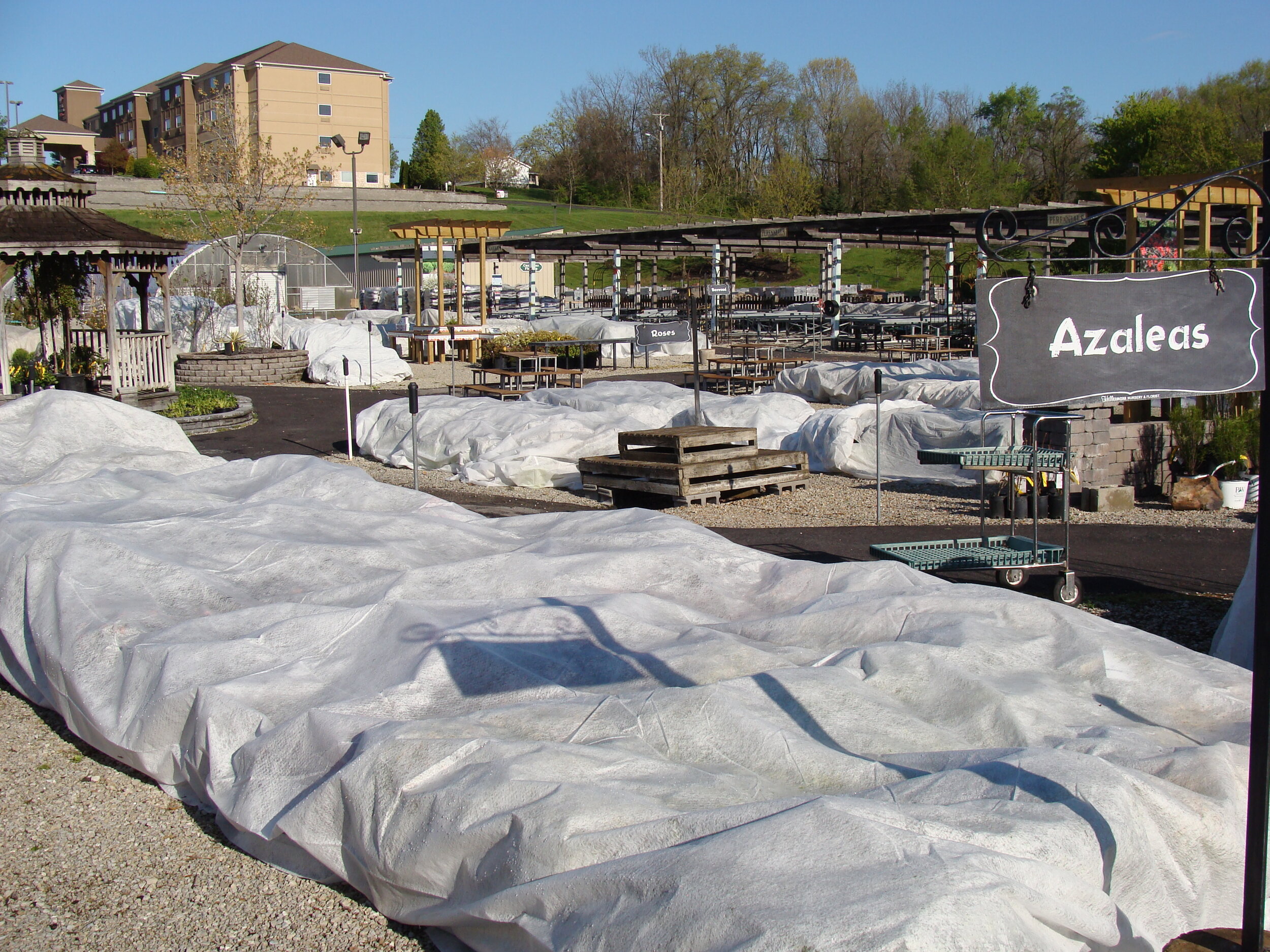
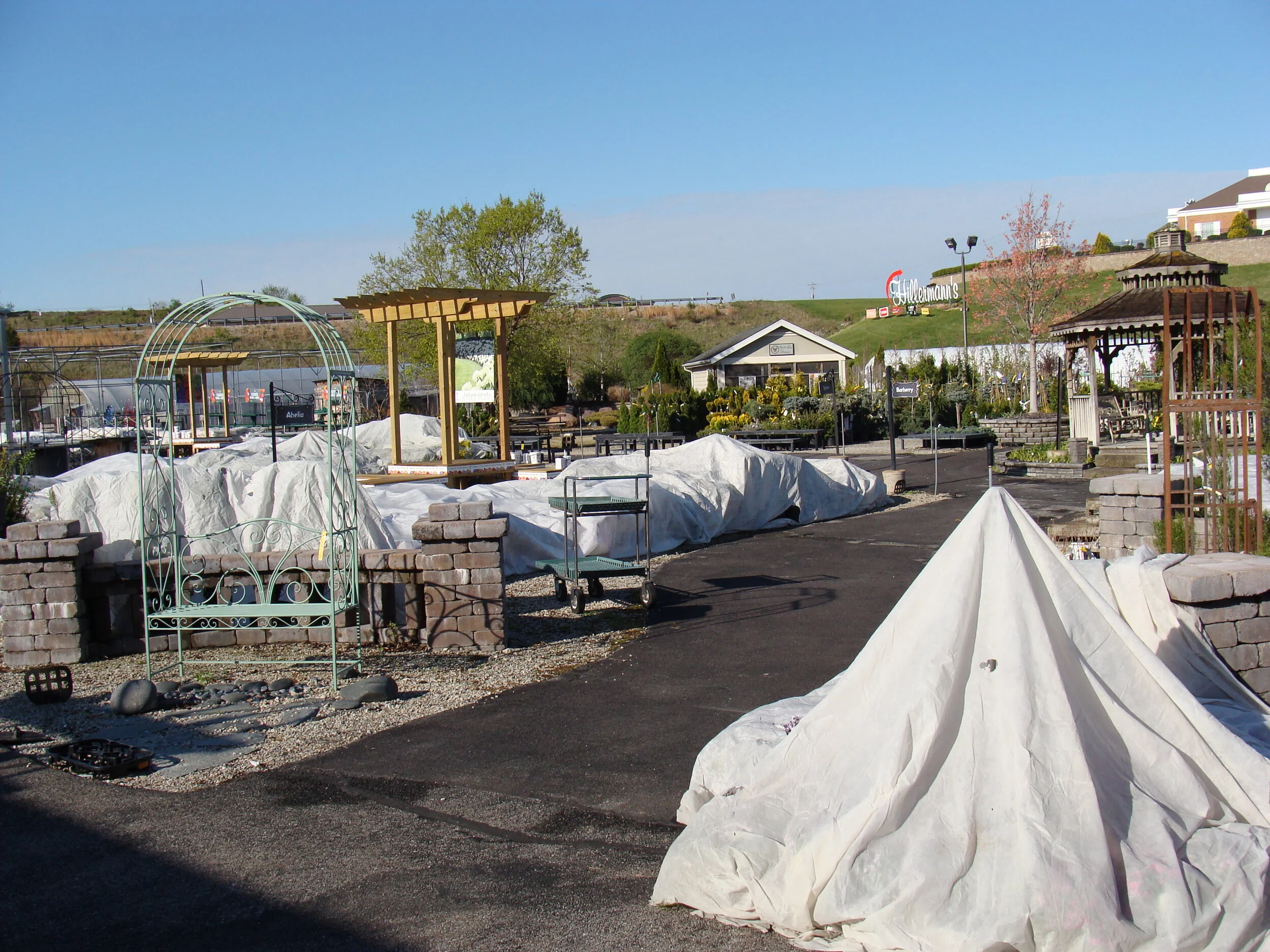
A late April freeze is never what a nursery has in mind to break up their spring business. We have to give great credit to our employees for doing all they can to protect the plants we sell and love! Here are some pictures of how we are trying to get through this record breaking weather with freezing temperatures. Thank you to our staff for such great efforts!