Garden Solutions - July 2020

Garden_Porch_Hanging_Baskets_PW.jpg

Well summer has come with a vengeance of heat and humidity. This IS Missouri, right? This summer is seeing the opening of outdoor playgrounds, stores, facilities and so much more. Now is the time to gather and celebrate each other and enjoy nature! But please still do it at a safe distance. 

We have all experienced a NEW spring never seen before with this COVID virus. We have learned from it, became more appreciative of our surroundings, and of family and friends. Now let us get back to keeping our little pieces of sanctuary (and sanity) in tack and enjoyable.

It’s not too late to plant shrubs, perennials and annual flowers, but you will need to give them a little TLC for the summer.

If Japanese beetles are attacking your plants, you have several from trapping (the safest) to spraying them. Japanese beetle traps are readily available and do a fantastic job of eradicating the problem naturally. 

Hot, dry weather is ideal for spider mite development. Damage may be present even before the webs are noticed. With spider mite damage, leaves may be speckled above and yellowed below.  Evergreen needles appear dull gray-green to yellow to brown. Spray with permethrin to control this critter. 

IrrigationDrip-Sprinkle-W.jpg

Water conservation is of the utmost importance during our dry summer months. Water where it counts,  at the roots, not the leaves. Drip irrigation systems in landscape beds do wonders for water conservation and are easy for the homeowner to install. Trees and shrubs would also benefit from a deep root watering this time of year. You can use a deep root feeder (without the fertilizer) for this purpose. Water plants around the drip line for best success. Doing this every 2-3 weeks is beneficial.   When you mow your grass, cut it less frequently and at a higher level. Longer grass blades shade the soil and conserve moisture. Plant drought tolerant, native plants where possible. Native plants are becoming a true staple in the landscape.

Check your plant containers daily for water. Hanging baskets will need a drink at least once a day, sometimes even twice a day, depending on the weather. Provide water in the garden for birds during dry weather and they will repay you with wonderful antics and bird song. Enjoy nature and your gardens this summer. You will not regret it.

See you in the Garden,
Sandi Hillermann McDonald

Report Dying Sassafras! - Missouri Department of Conservation

While not currently known in Missouri, laurel wilt has been found within 100 miles of our southeastern border in western Kentucky and Tennessee. This invasive, tree-killing disease poses a serious threat to a common and widespread understory tree—sassafras—as well as its close relatives, spicebush and federally-endangered pondberry.

Laurel wilt is a lethal vascular wilt disease that rapidly kills entire clumps of sassafras. The disease is spread to new areas when the tiny, wood-boring redbay ambrosia beetle deposits spores of the fungus Raffaelea lauricola in healthy trees.

Symptoms of laurel wilt include:

  • Leaves rapidly wilt, turn reddish-brown, and drop from the tree in mid to late summer

  • Entire clumps of wilted or dead sassafras trees, as the disease spreads through roots

  • Dark staining in the sapwood, exposed by removing bark

  • Tiny ambrosia beetle exit holes in the bark

  • Frass ‘toothpicks’ may protrude from beetle exit holes

Please be on the lookout for laurel wilt this summer! Send reports of dying sassafras trees to the MDC Forest Health Program:  Forest.Health@mdc.mo.gov


Sassafras_Laurel_Wilt_MDC_GFC_w.png


More on Laurel wilt from the University of Arkansas Extension Service website: https://www.uaex.edu/environment-nature/ar-invasives/invasive-diseases/laurel-wilt.aspx

Tips for the Garden - June 2020

            I, for one, cannot believe it is the first of June already. This year is really flying by. This is the month for picnics, vacations, family reunions, and for just enjoying the outdoors in general. I truly hope we can get back to these ‘old’ traditions as our new norm.

            If you are new to planting or gardening this year, please stay in touch when you have questions so we can help you through your new experiences.

            The hot days of summer are stressful to every living creature, including your plants.  Not only does mulch hold in moisture, it also keeps the soil cooler, so your plants will be less heat-stressed.

WateringNewEvergreen.jpg

            One of the most common questions that we receive at this time of year is, “How much do I water my ______?” I will explain some basic guidelines here:

            Vegetables and Bedding Plants planted in the ground: established plants need at least one inch of water per week. Check the soil around the plants, when it is dry one inch down, it’s time to water.

            Container Gardens and Hanging Baskets: check your containers every day for water. Either test the soil by touch or lift the pot to check its weight. Most baskets and many containers will need to be watered once a day, depending on the weather. I suggest you fertilize once a week.

            Perennials: newly planted perennials need daily watering until established, at least  two weeks, depending on weather. After they show signs of new growth, apply a one inch per week rule.

            Trees and Shrubs should be watered every 4-5 days for the entire first year after planting unless rainfall is abundant. Place the end of your hose next to the base of the plant and let the water trickle very slowly for about two hours. This will allow the root zone to become thoroughly saturated.

IrrigationSprinklerOnLawnBeds.jpg

            Established Lawns: your lawn should be watered when the grass blades don’t bounce back after being walked on. One inch of water per week should keep your lawn green and healthy.

            Newly Seeded or Sodded Lawns: for better germination, I suggest you mulch grass seed with straw as soon as it is planted. Once seed has germinated or sod has been laid, they must not be allowed to dry out. Water daily with a sprinkler until there is good growth. Once established, go back to the one inch per week rule.

            So, continue to enjoy your outdoor spaces and make relationships with your plants! They can give you so much in return!

See you in the Garden,
Sandi Hillermann McDonald


More Plant Arrivals at Hillermann's!

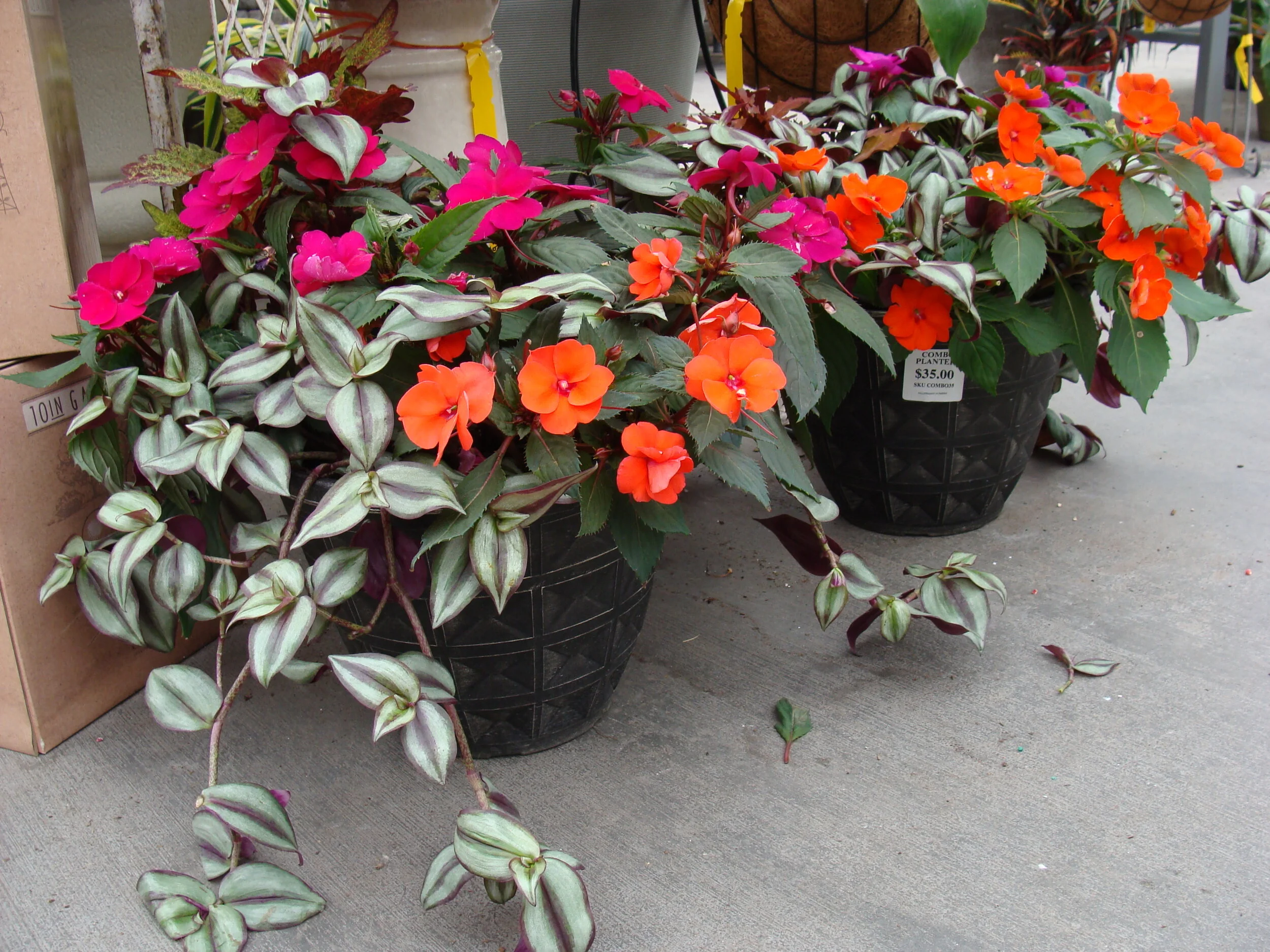
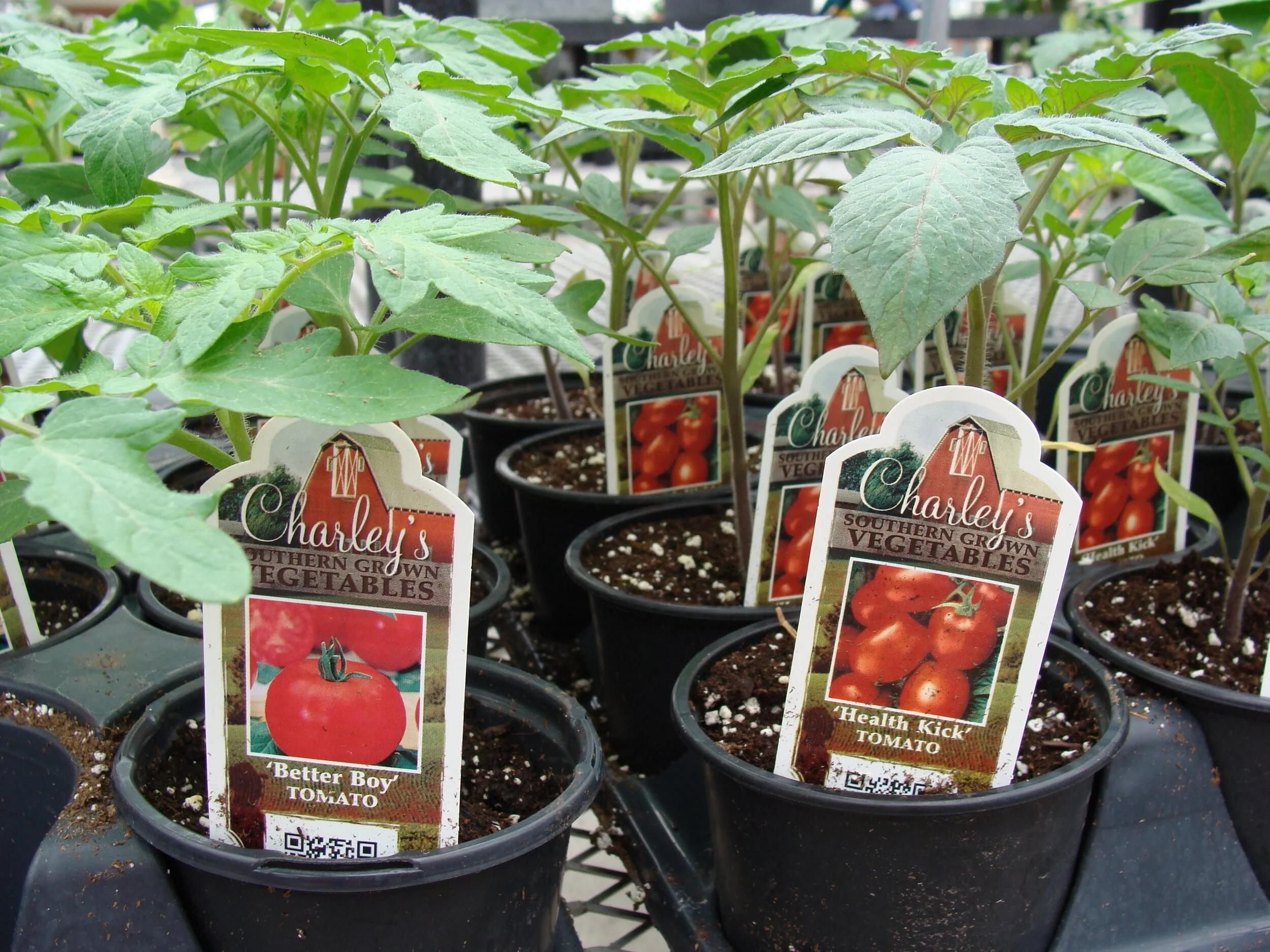
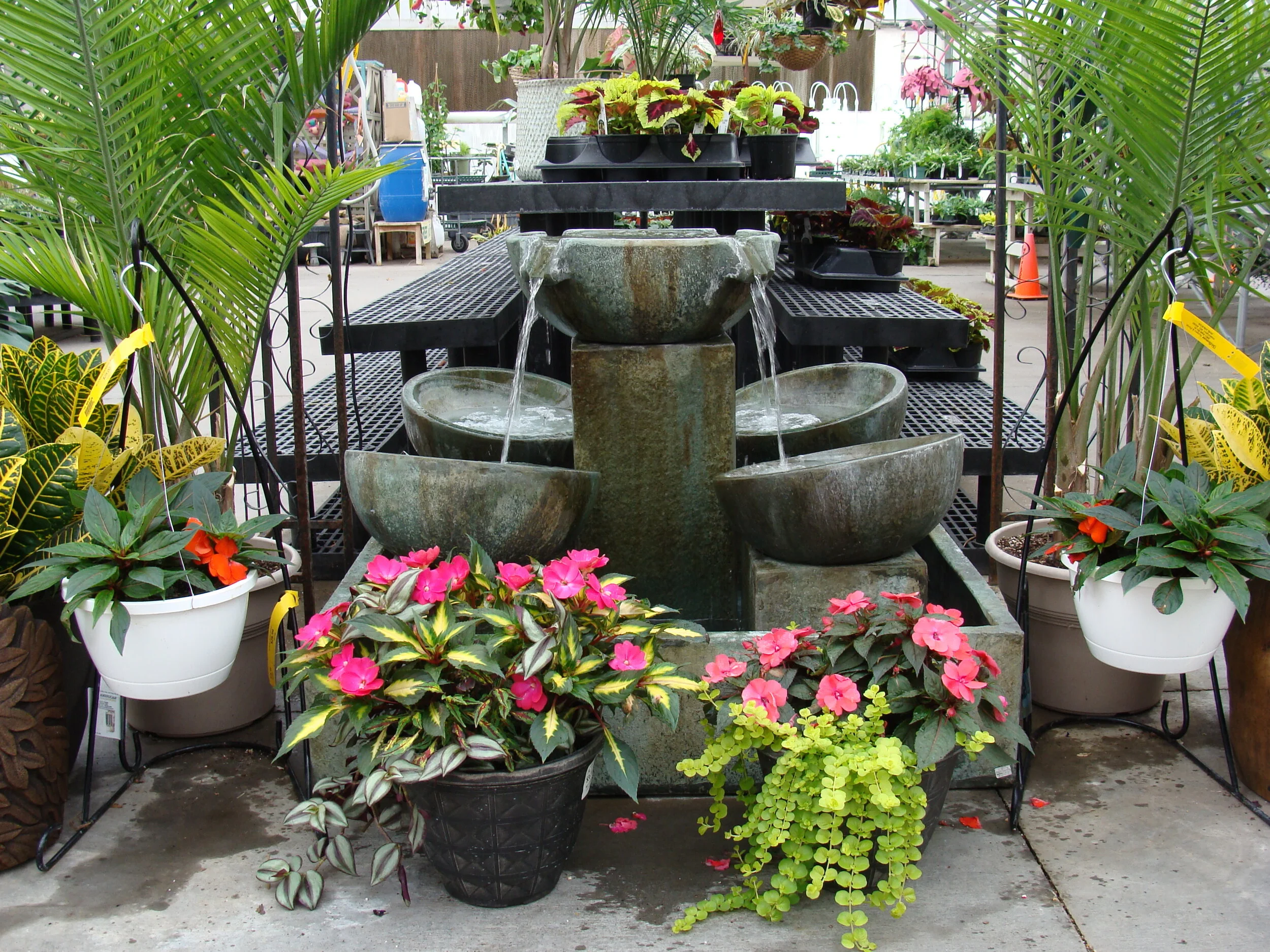
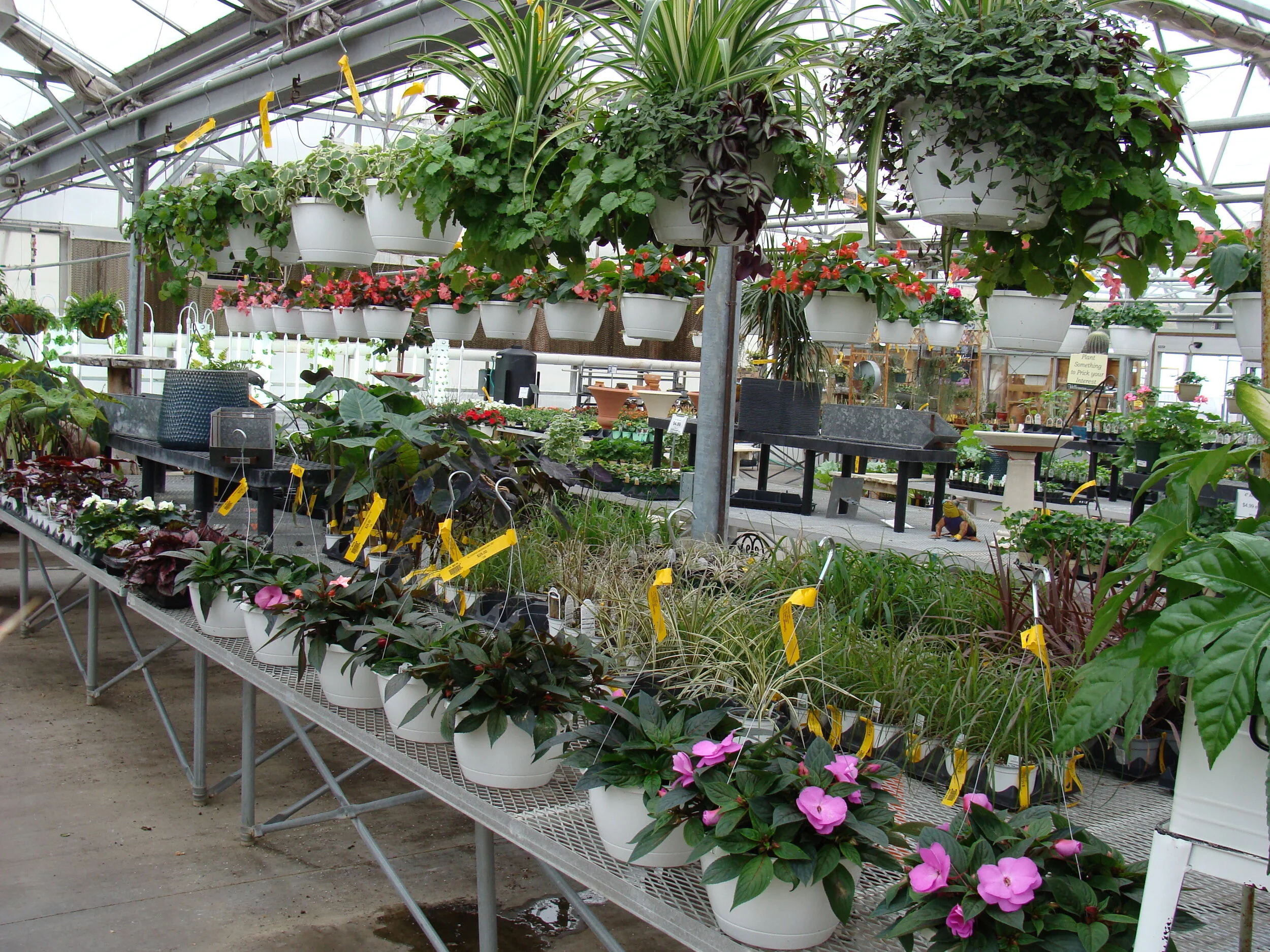
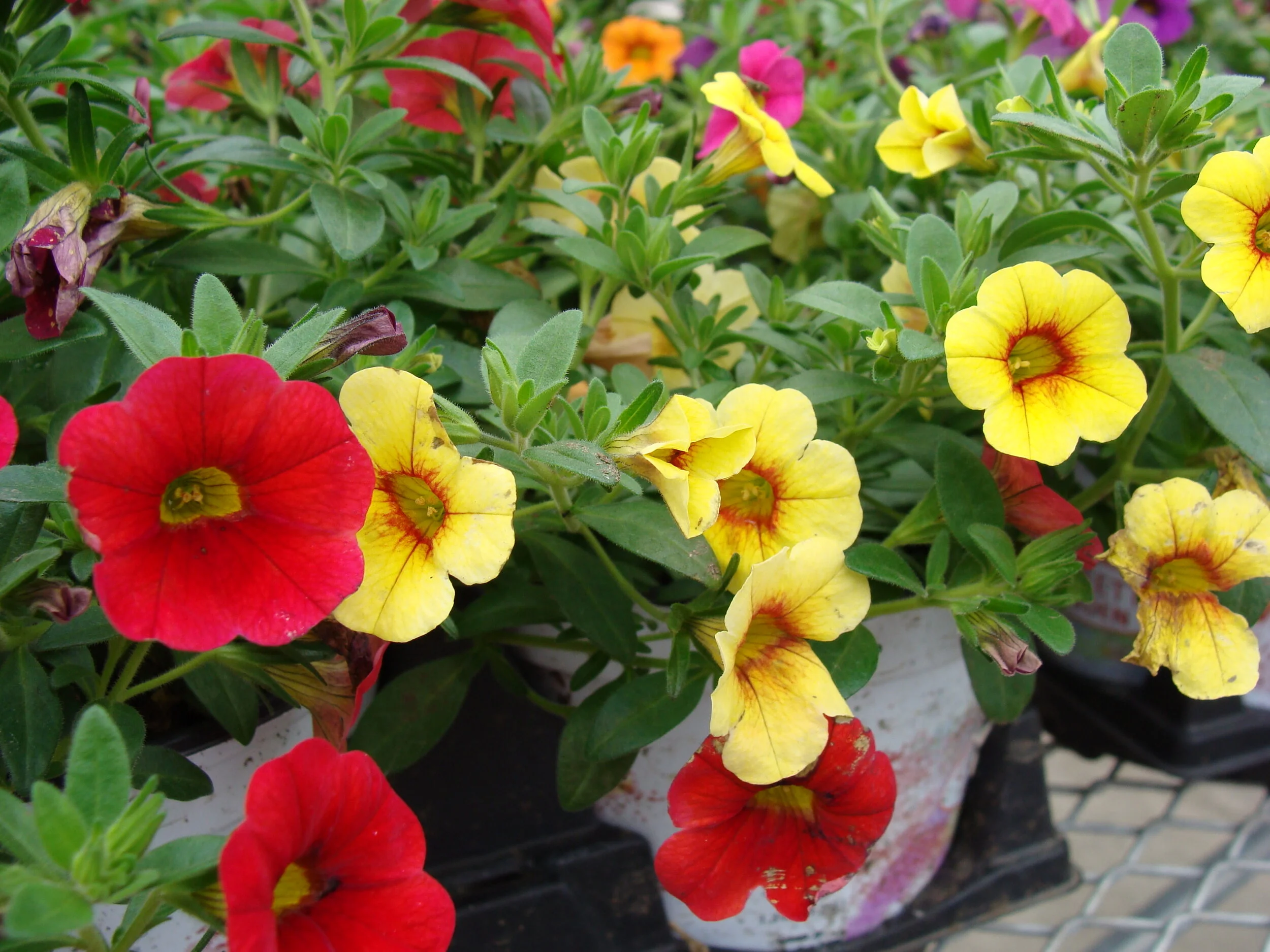
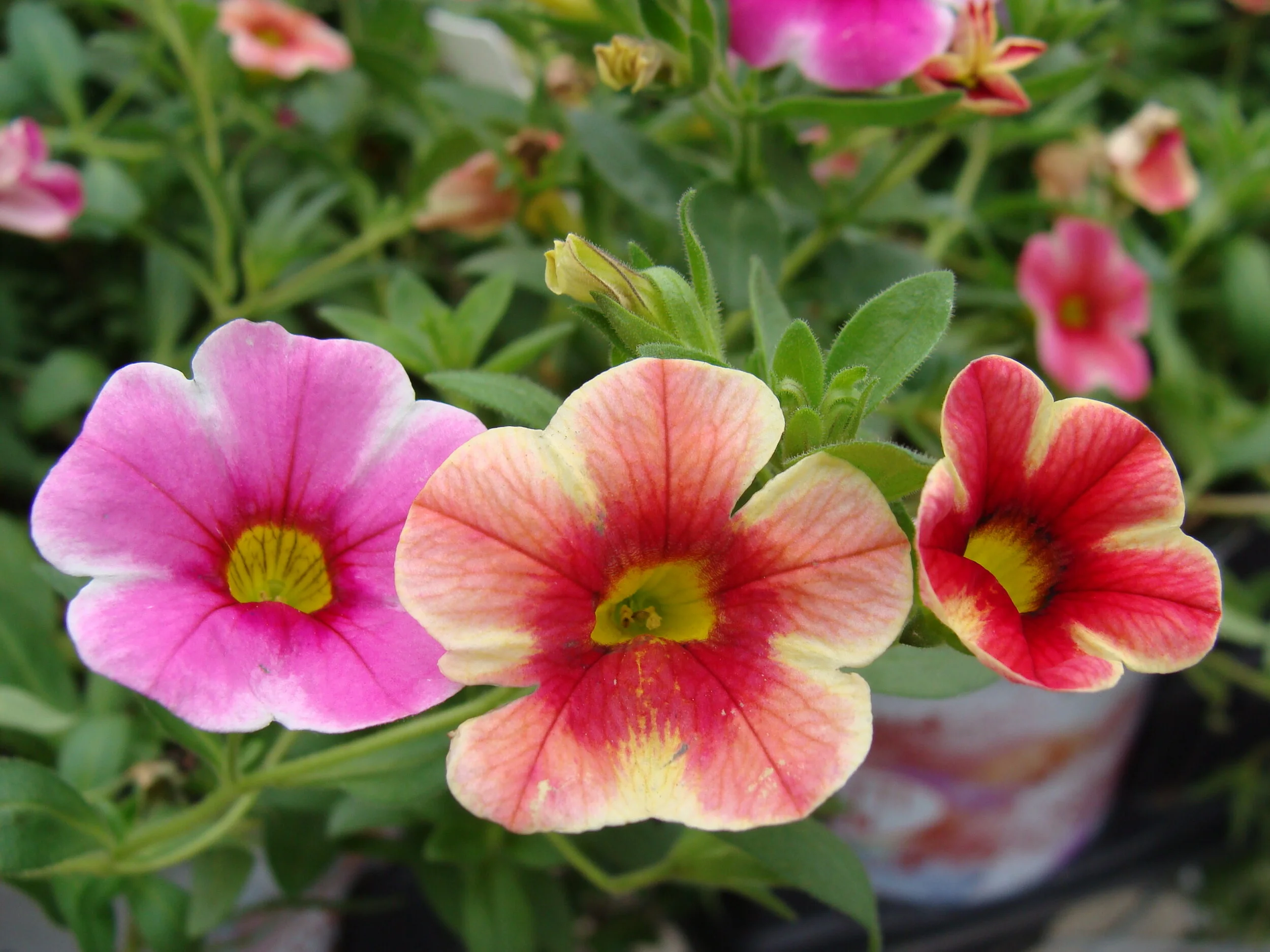
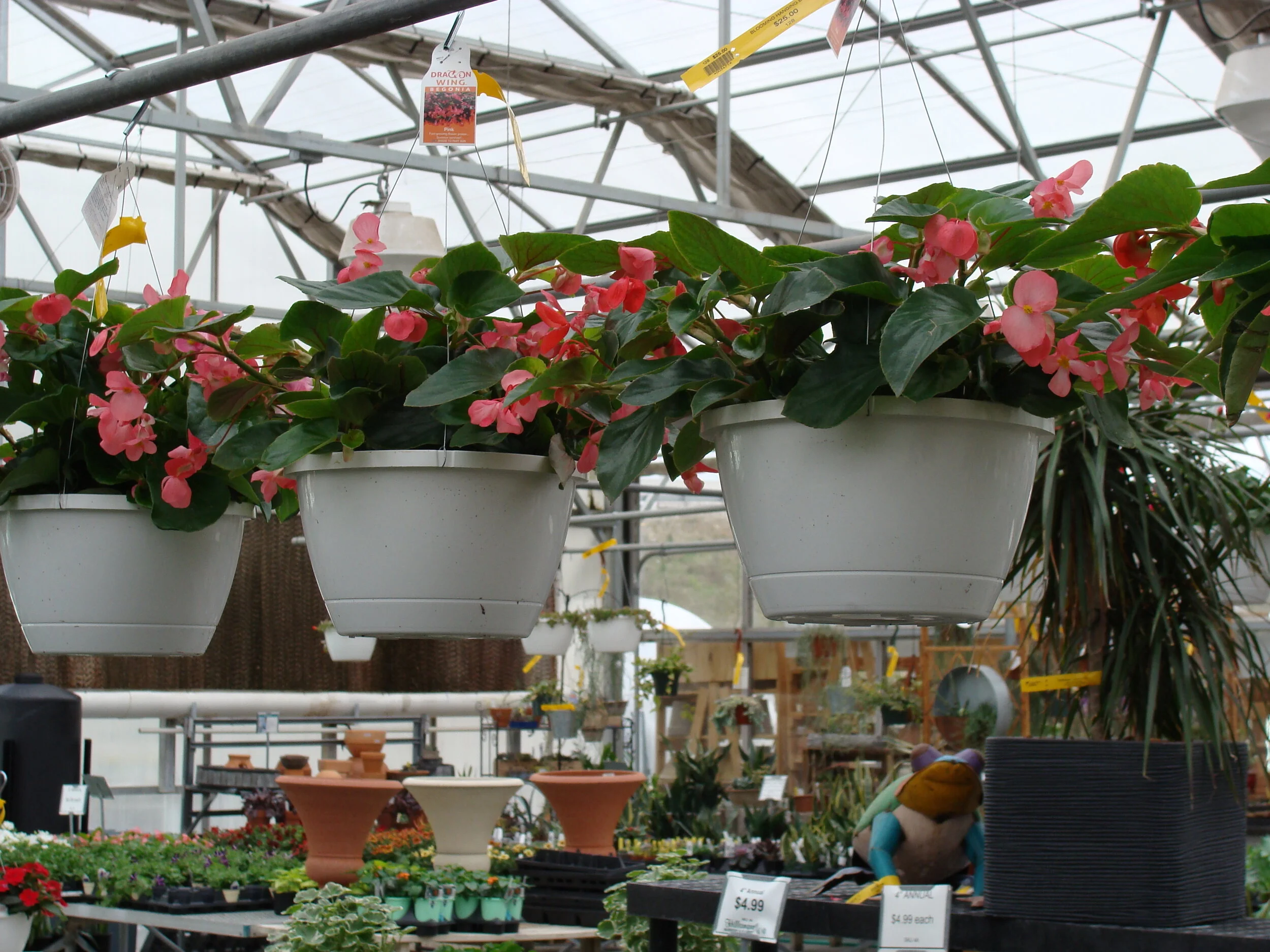
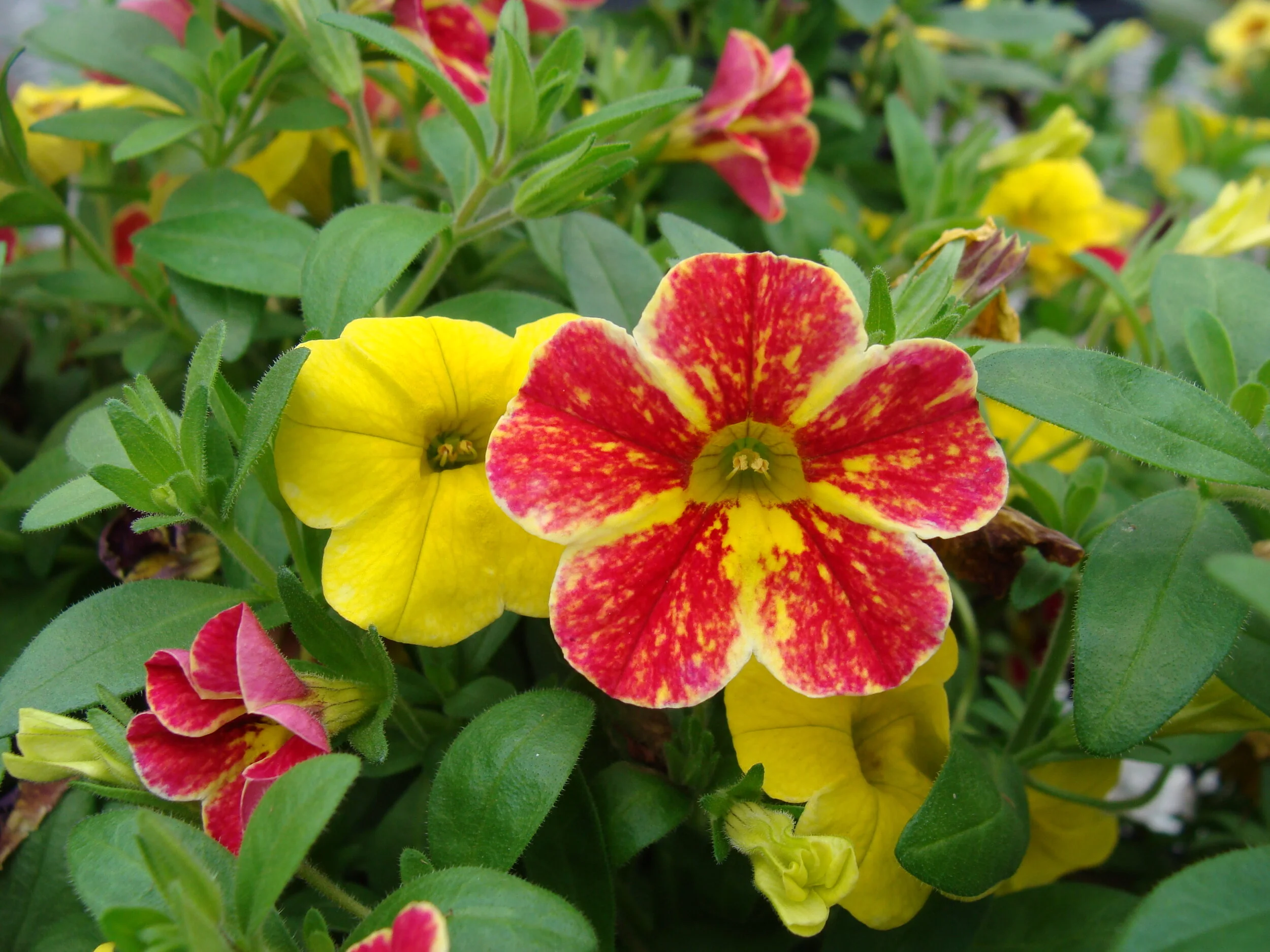
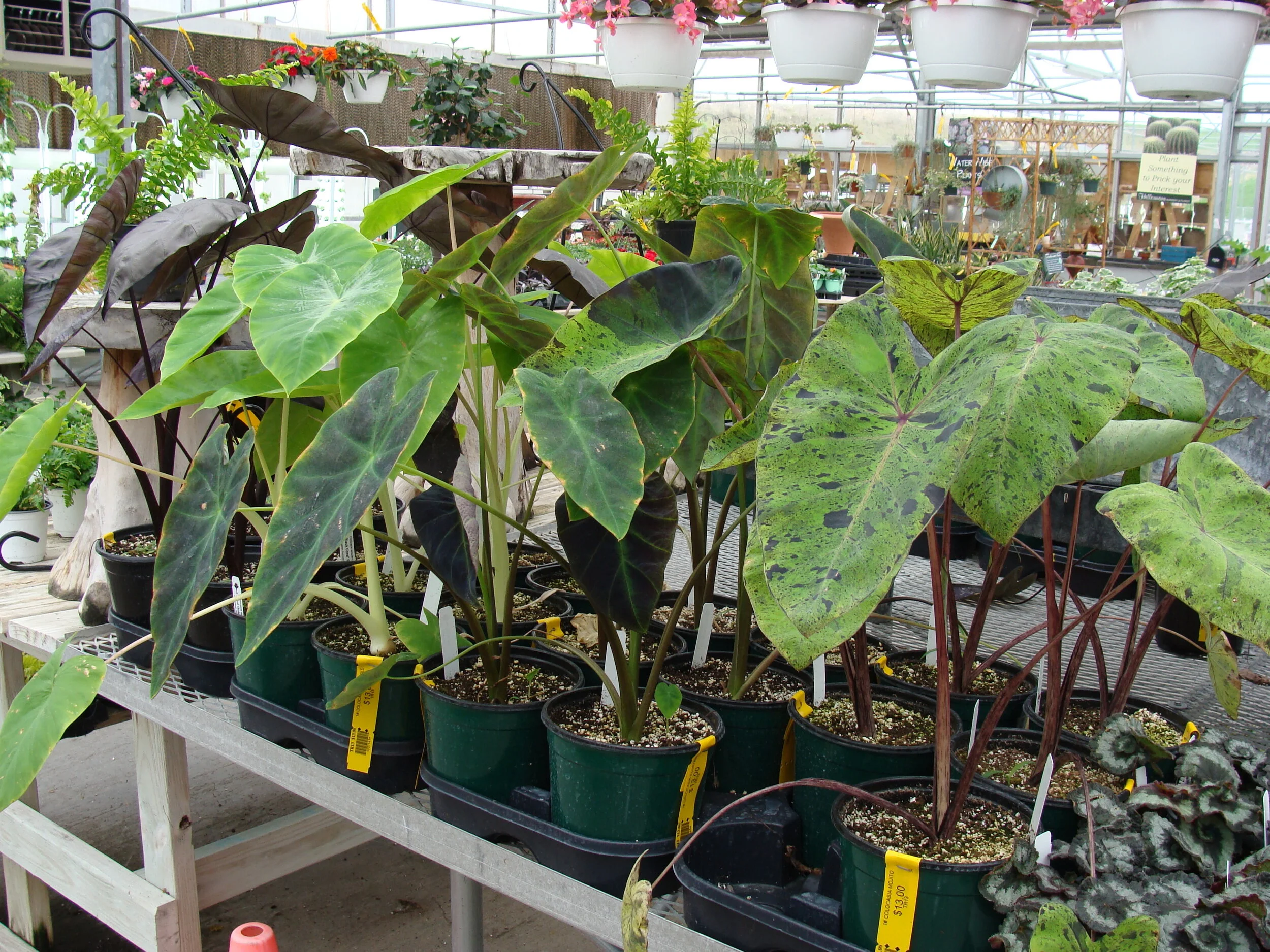
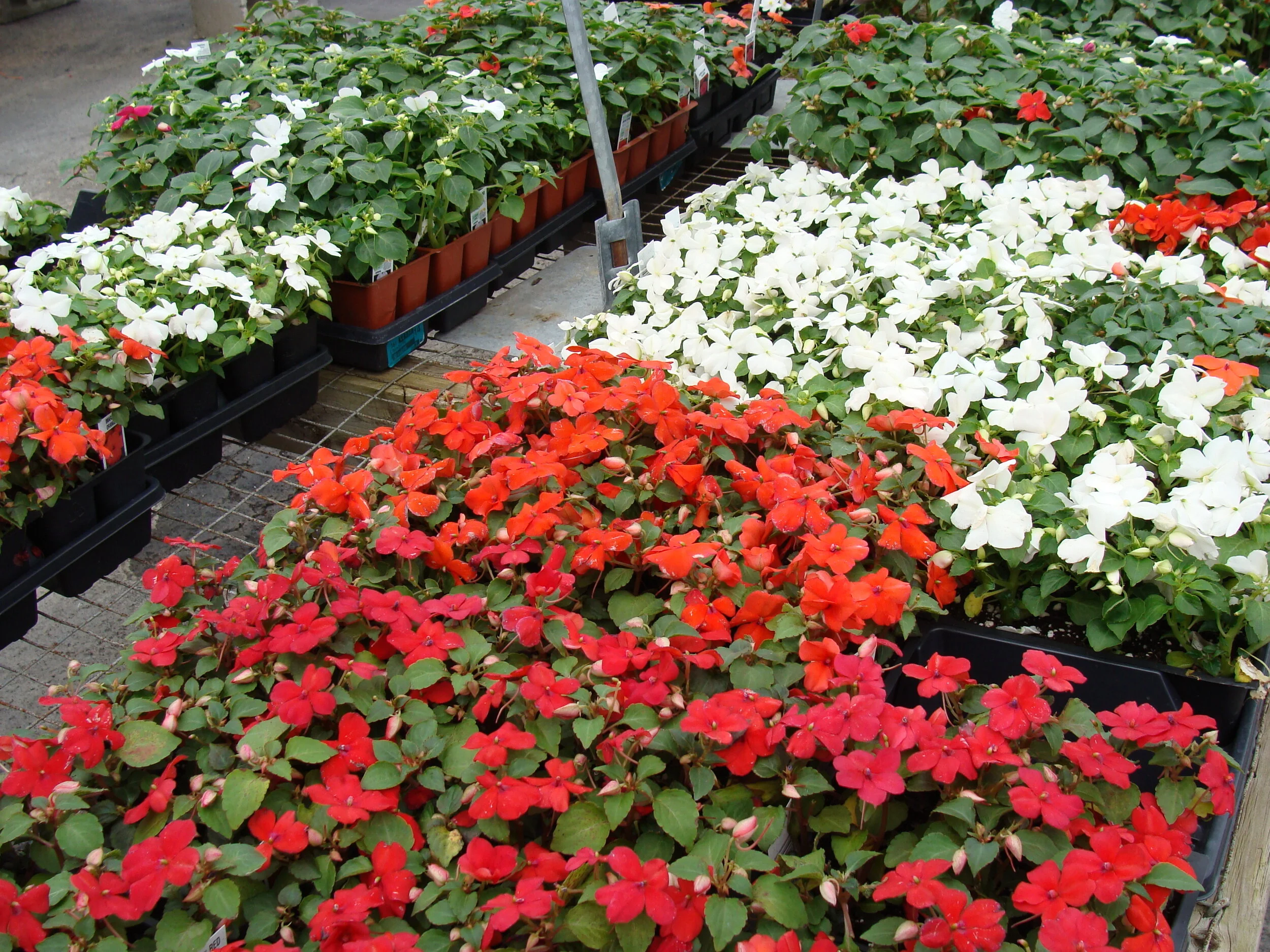
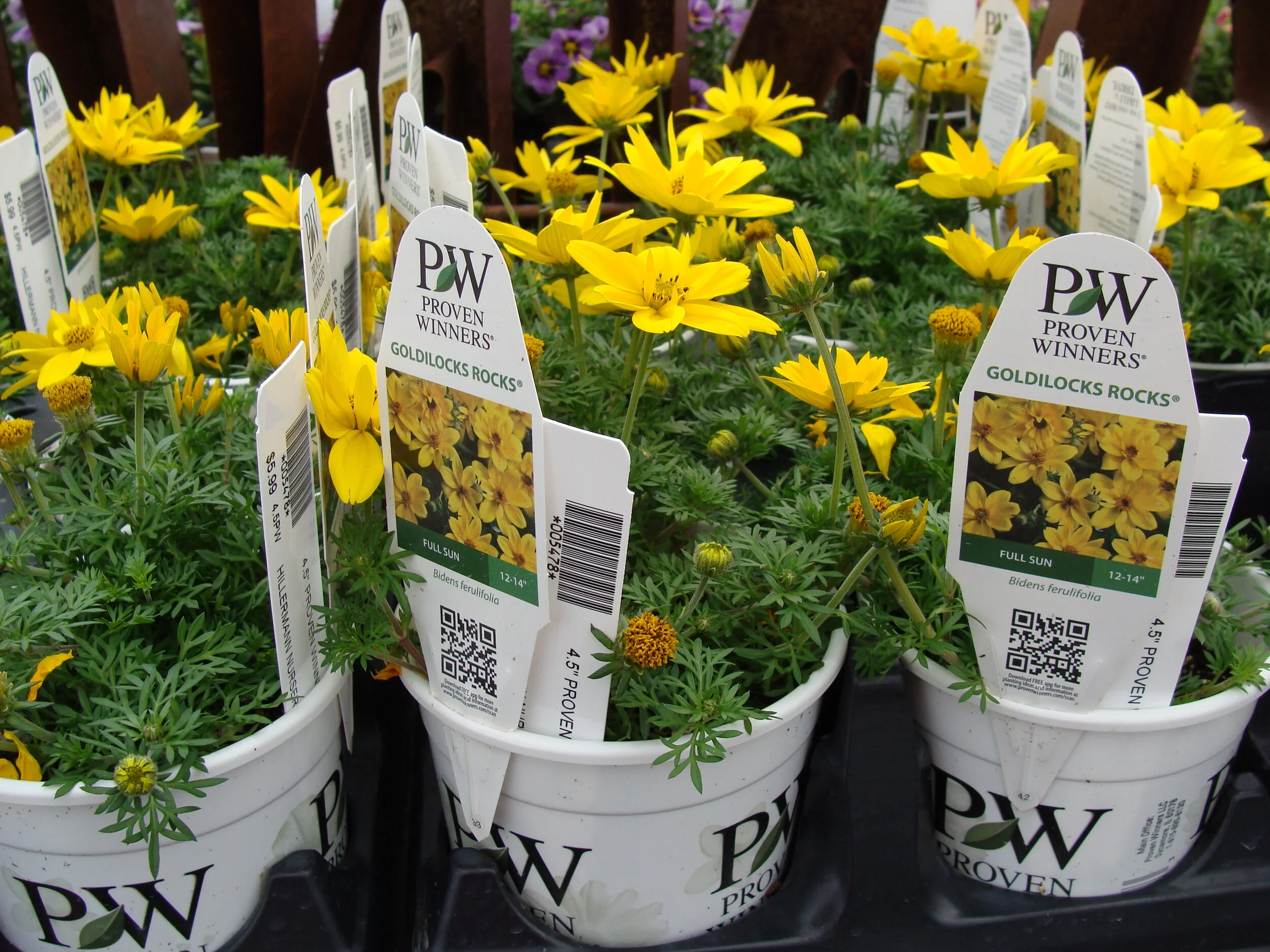
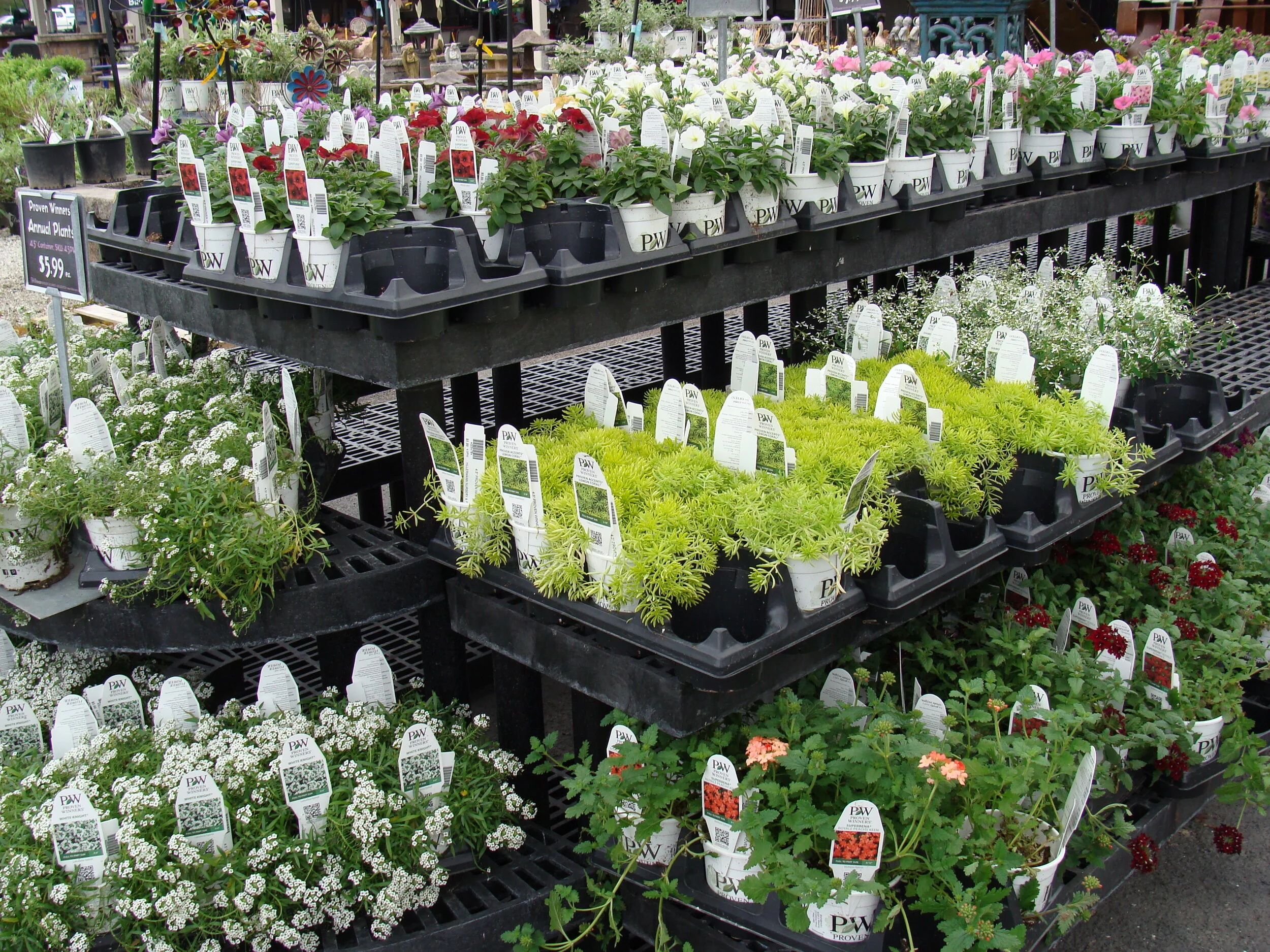
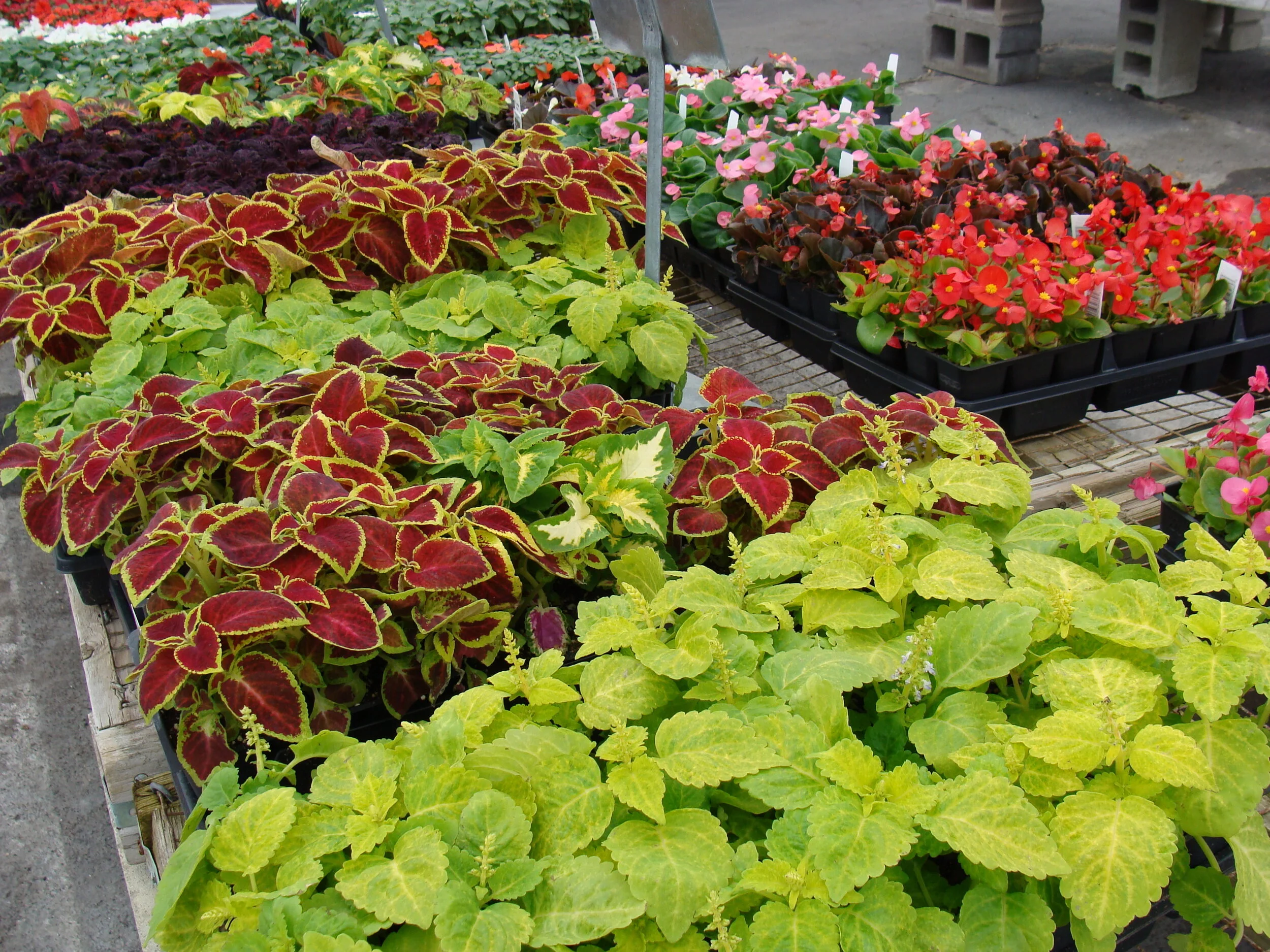
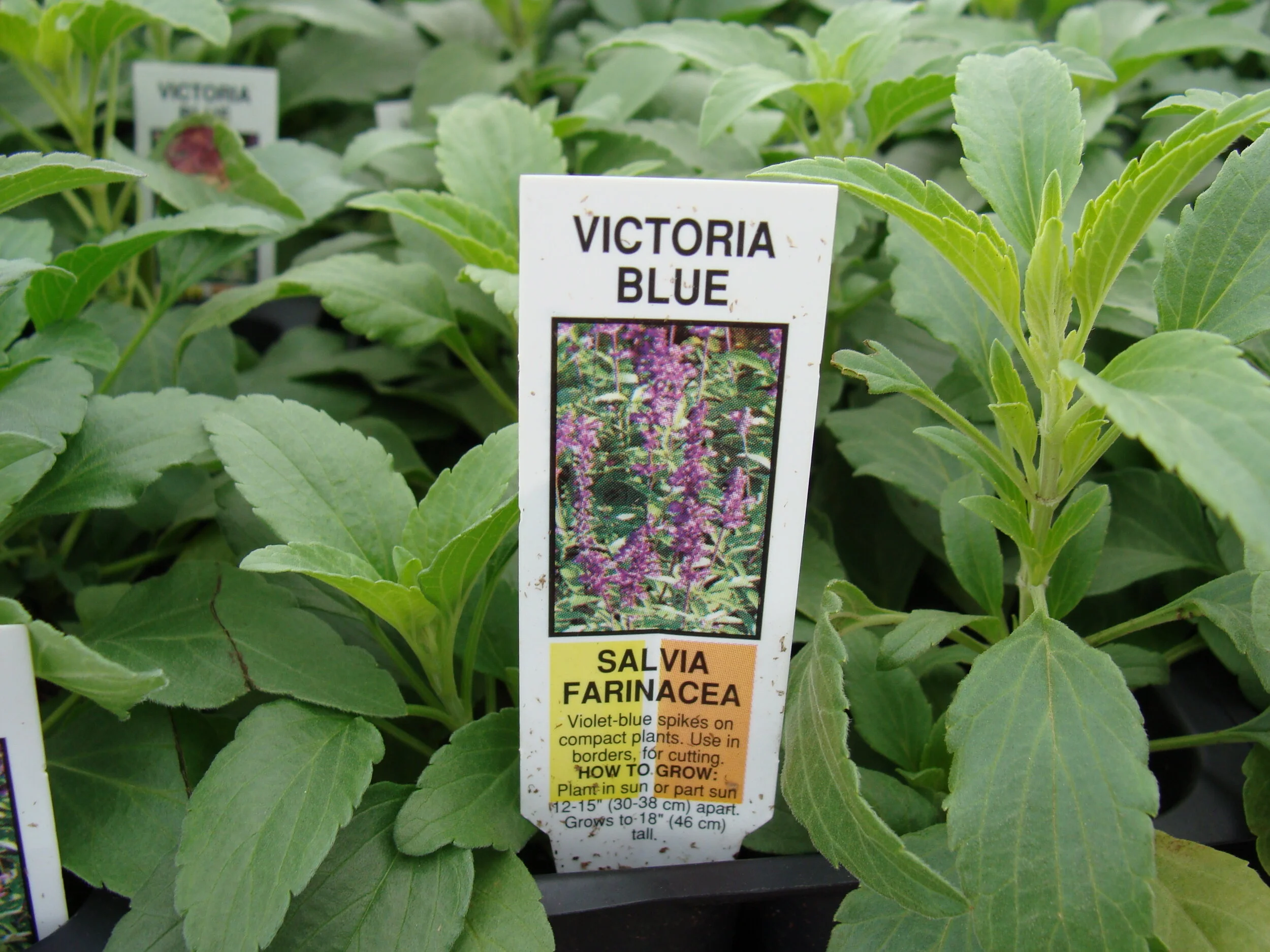
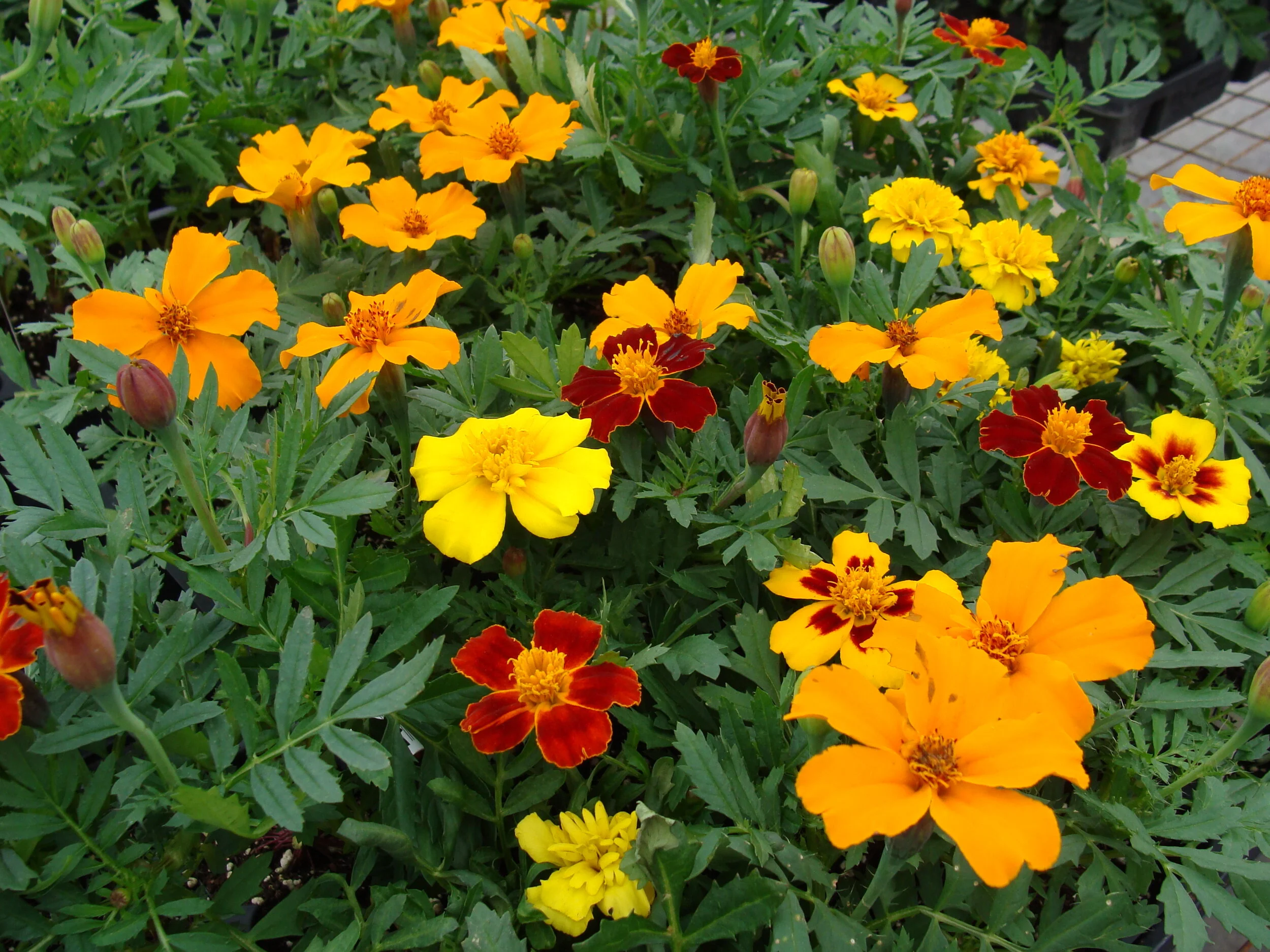
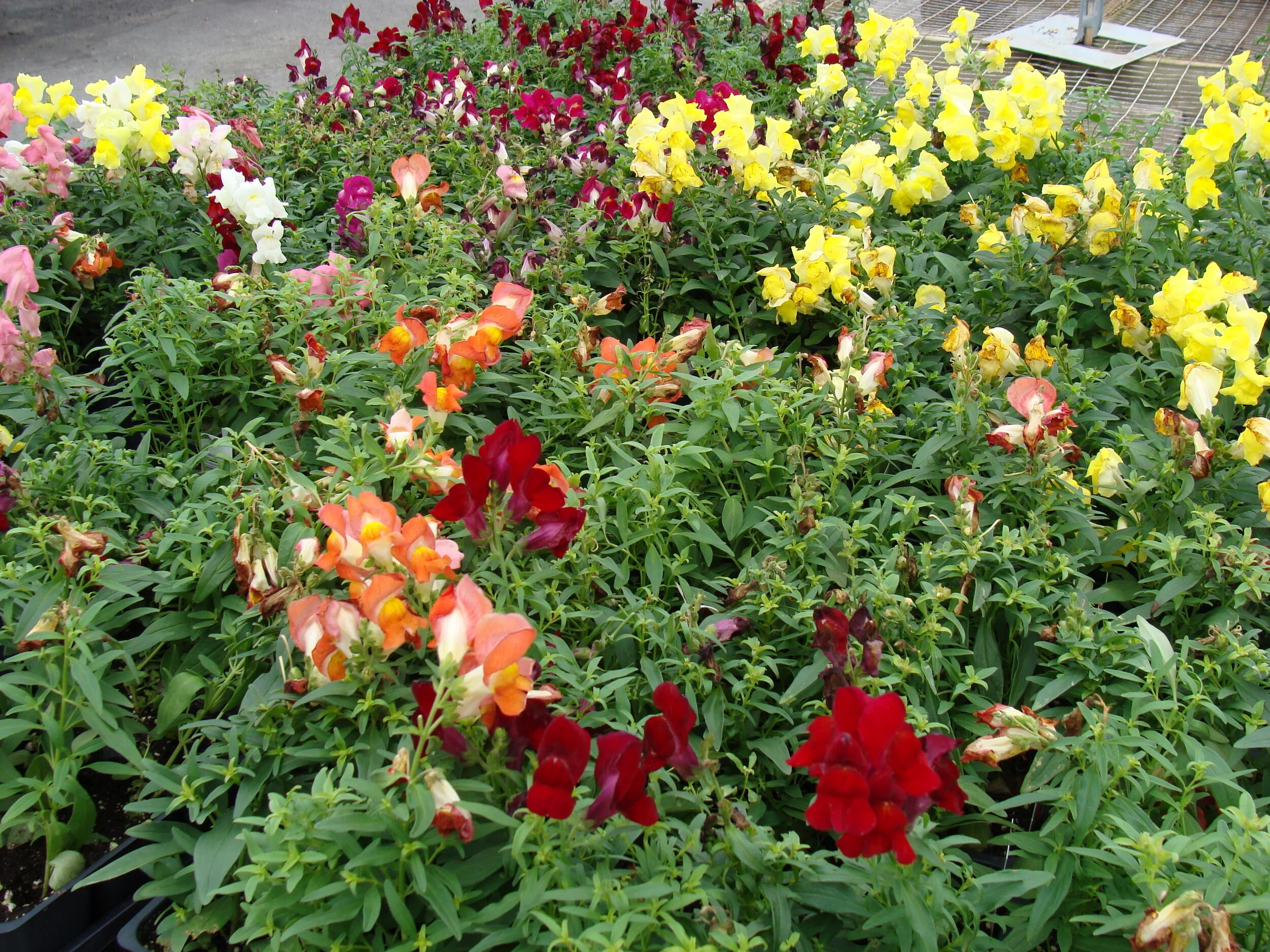
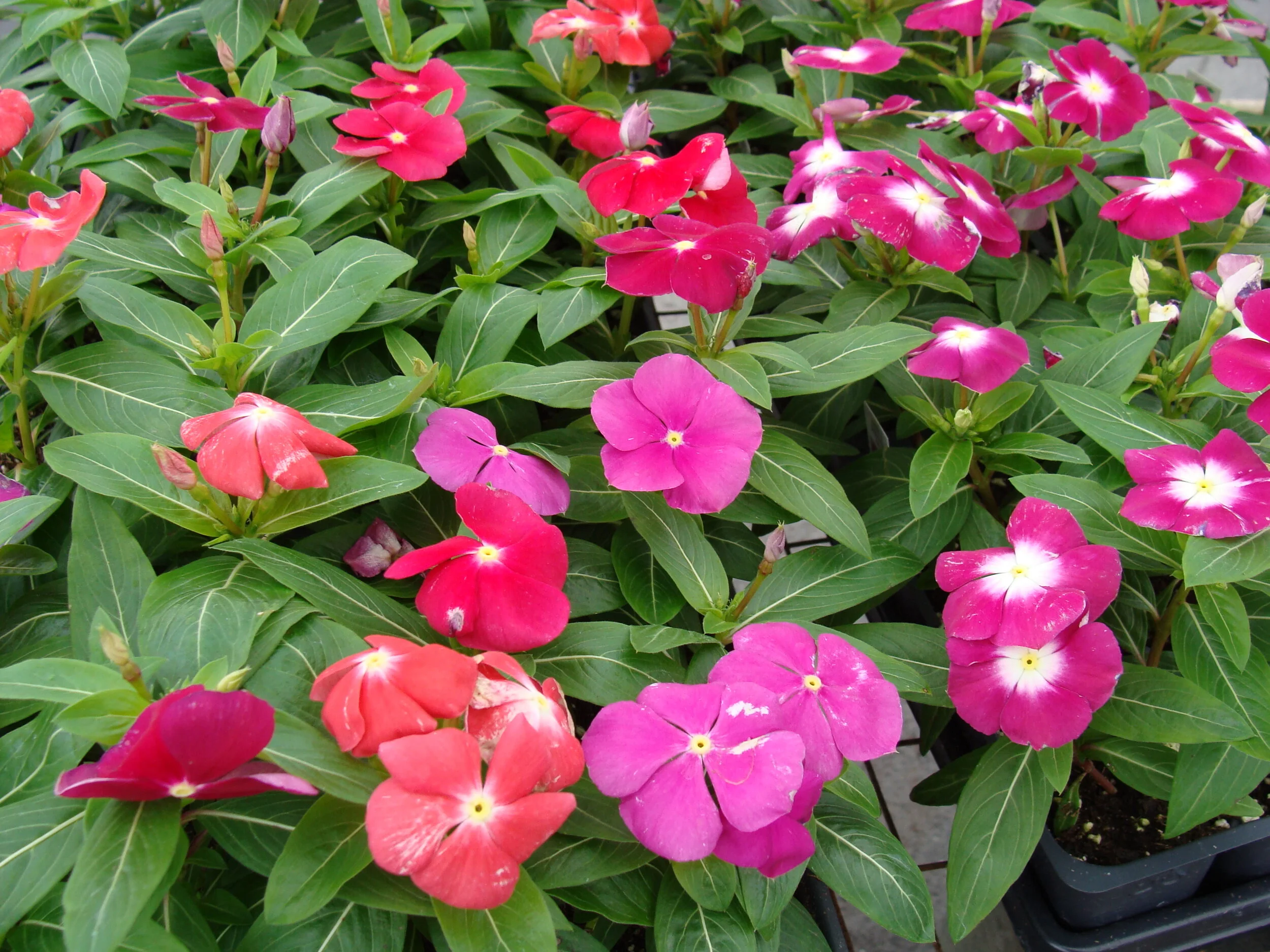
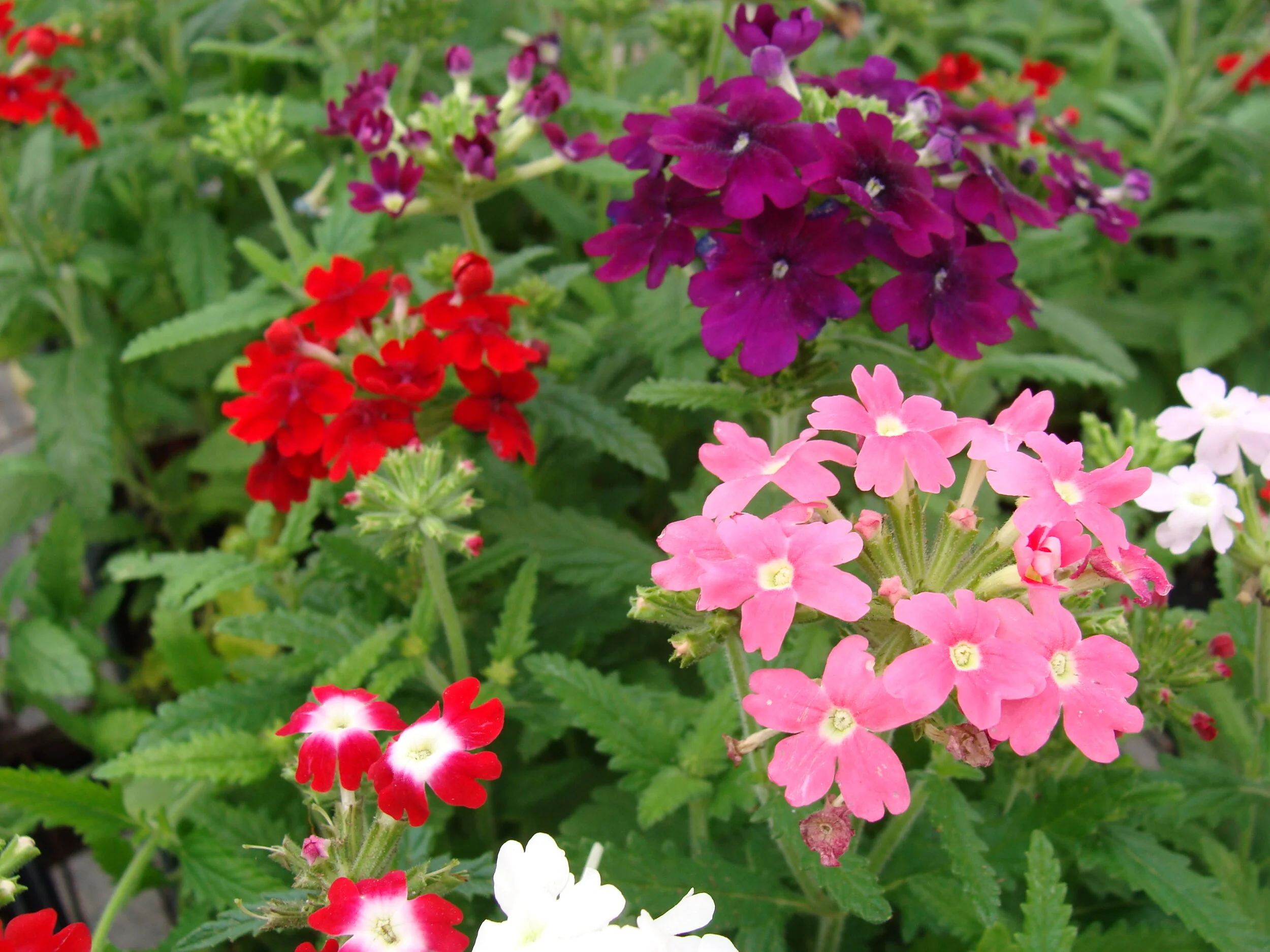
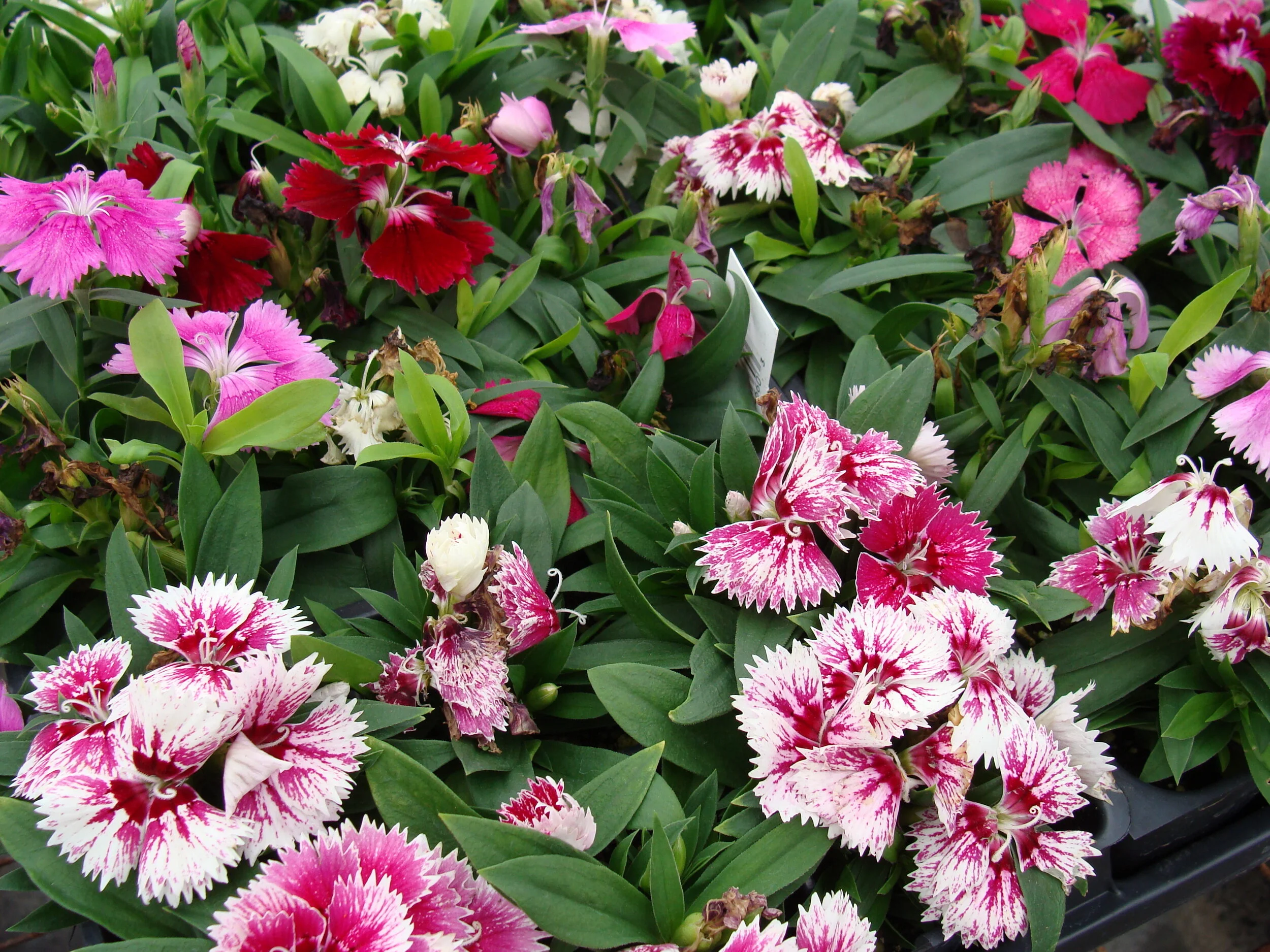
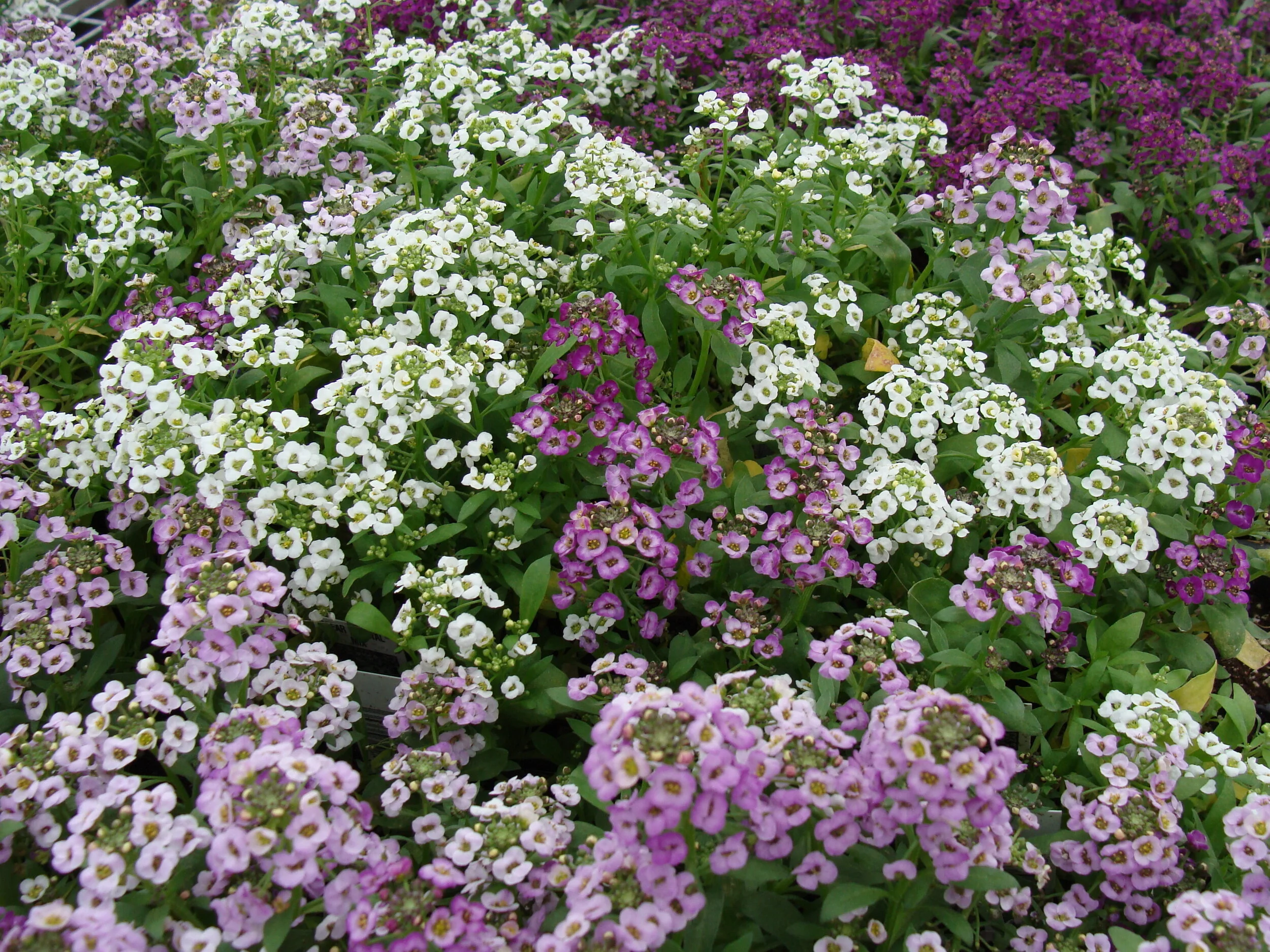
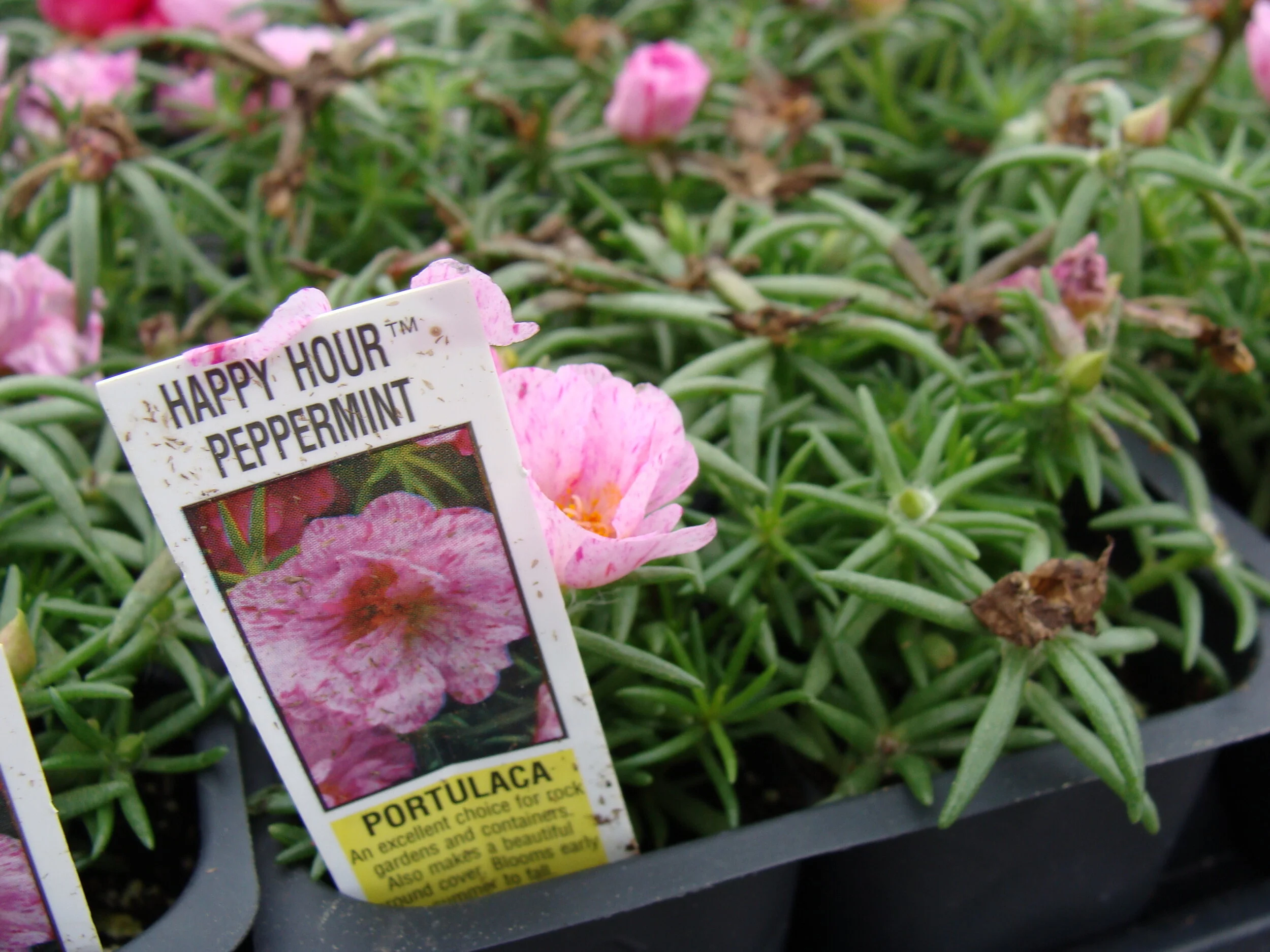
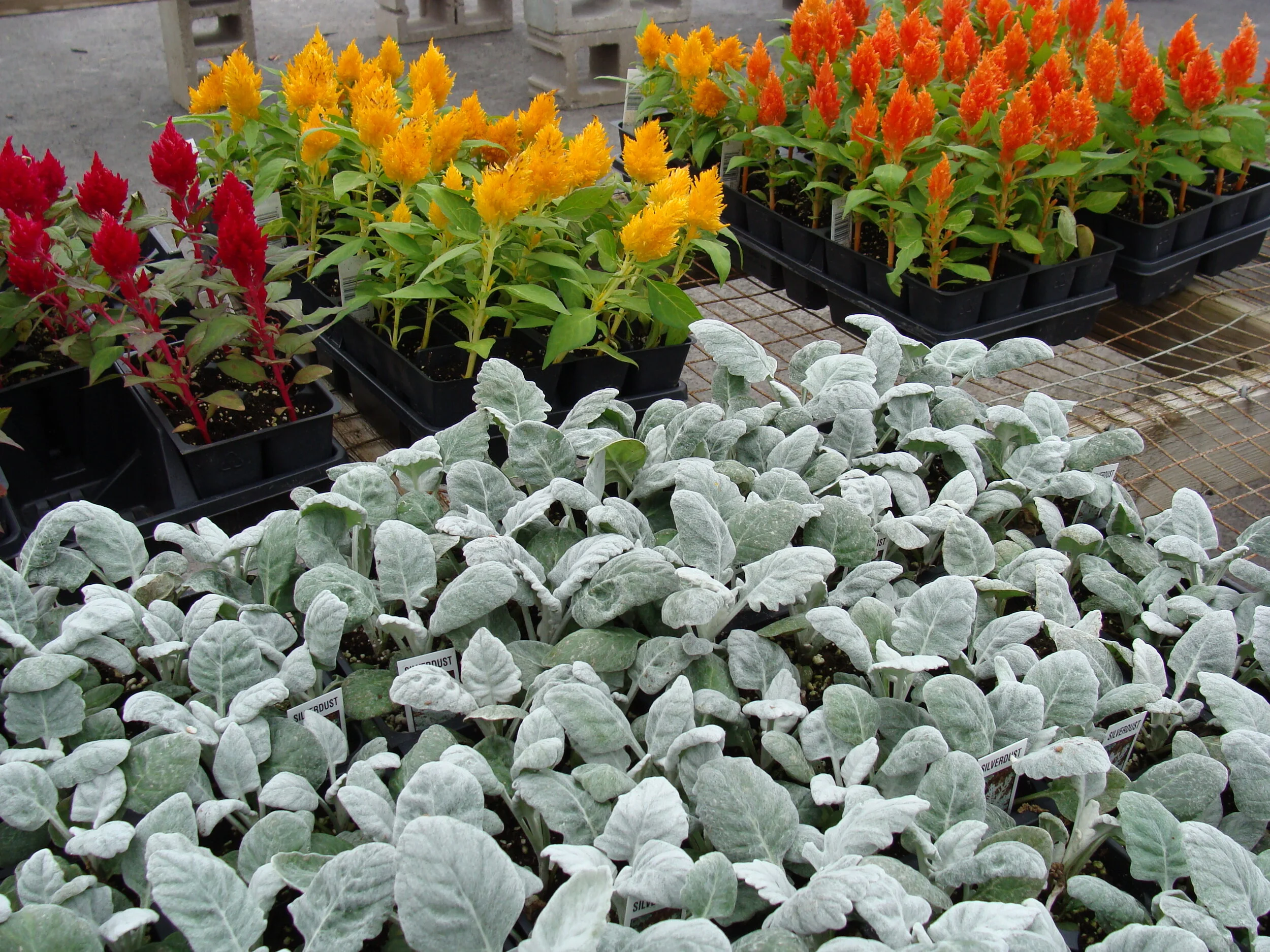
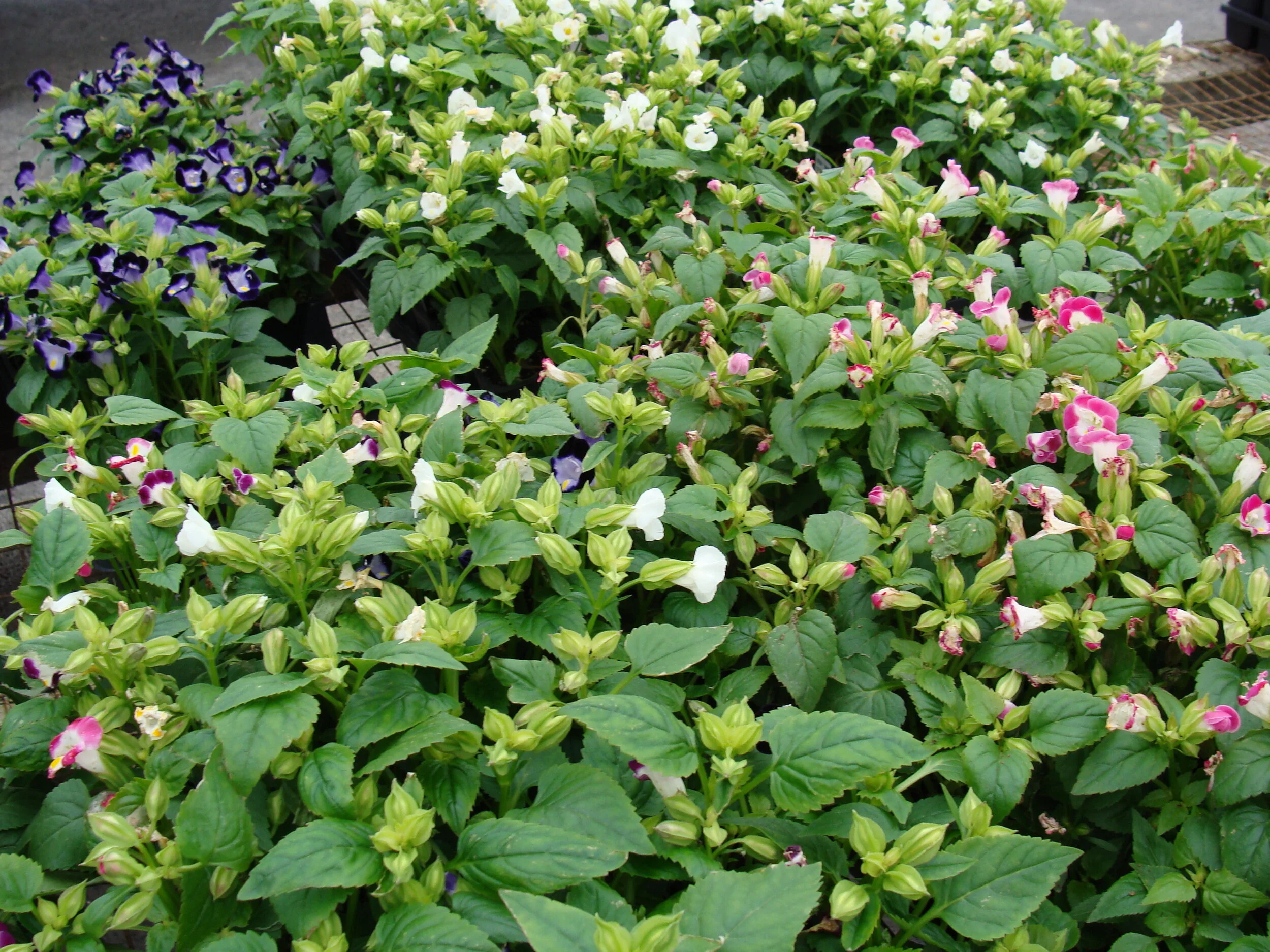
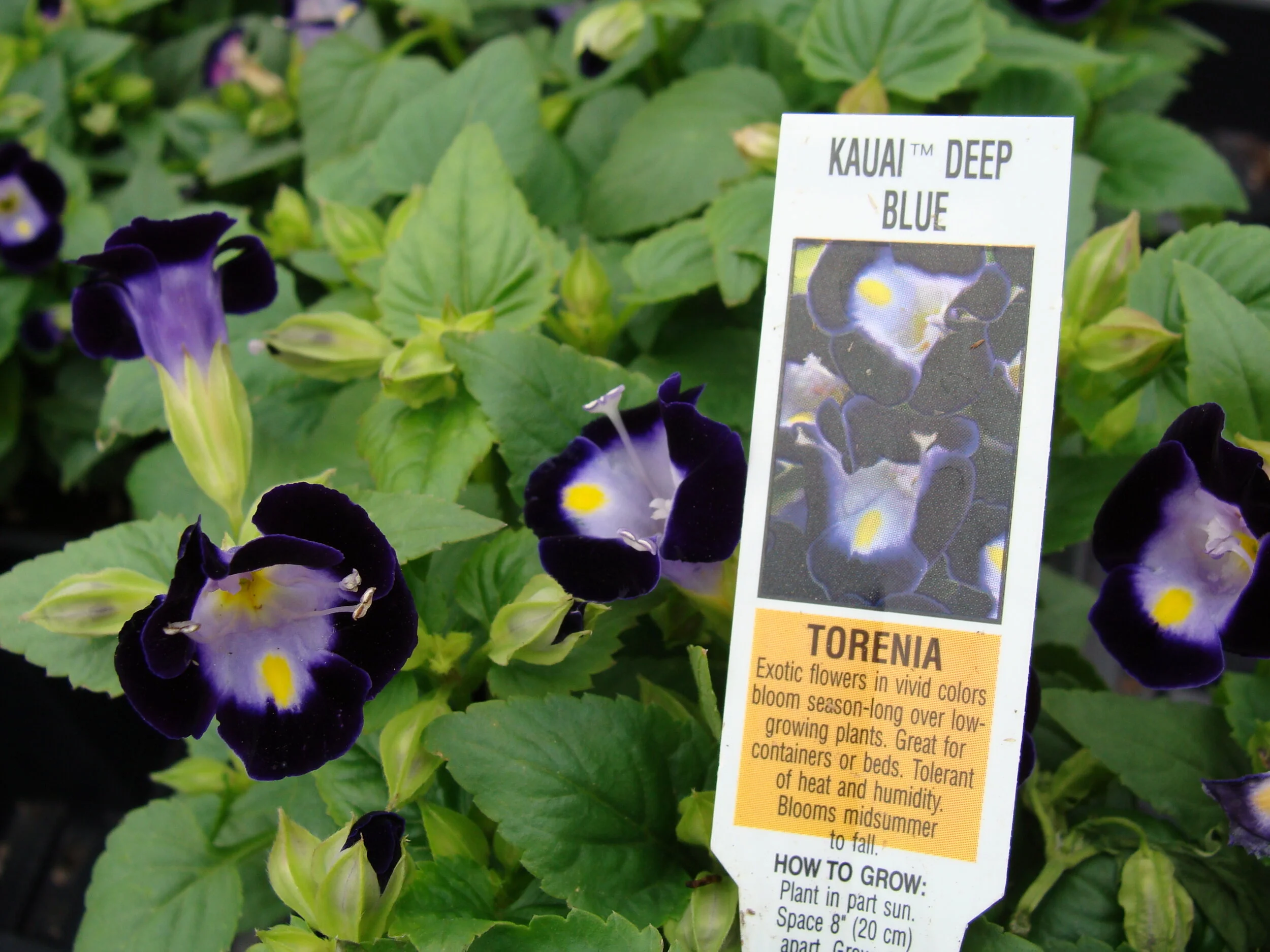
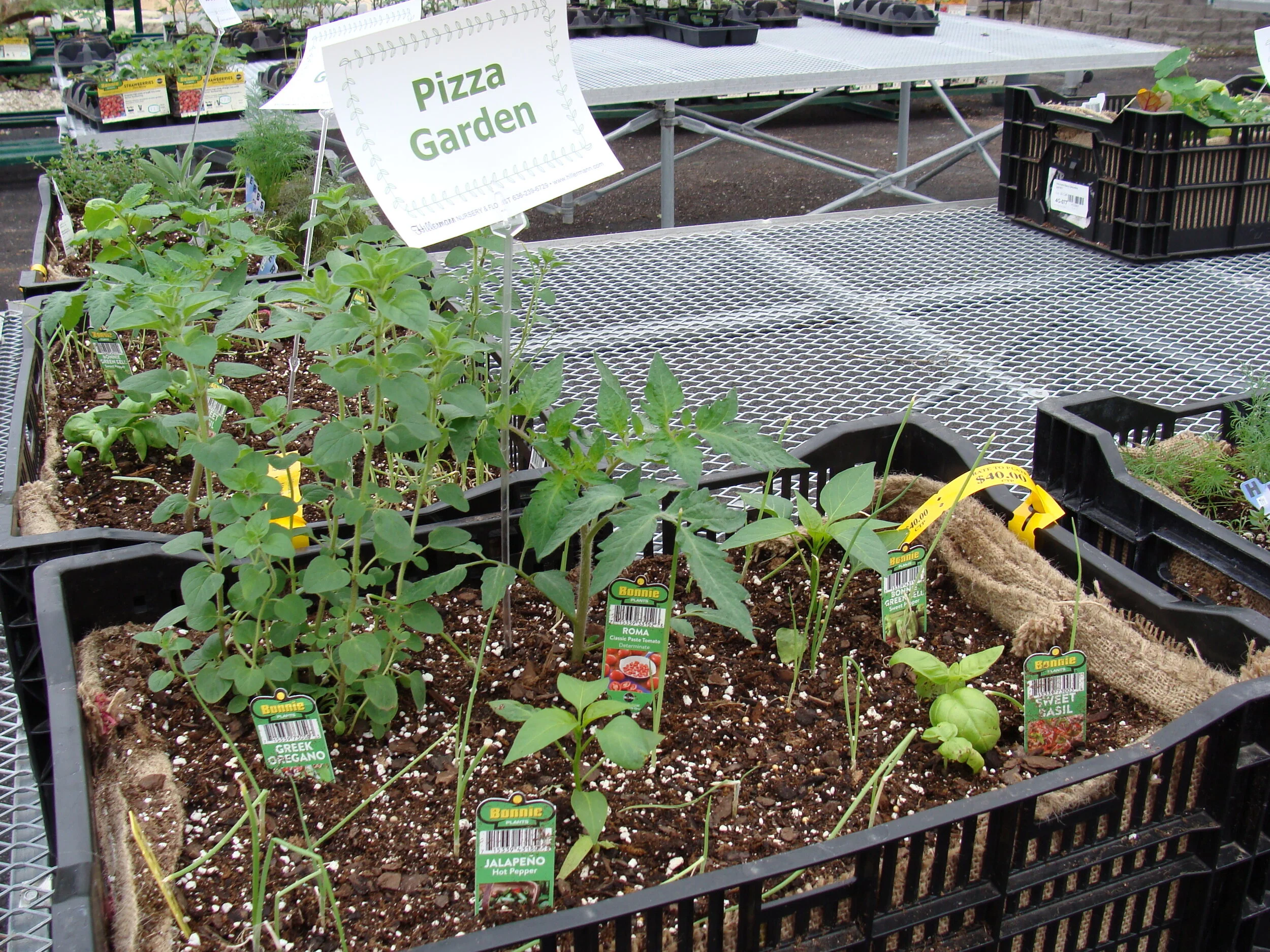
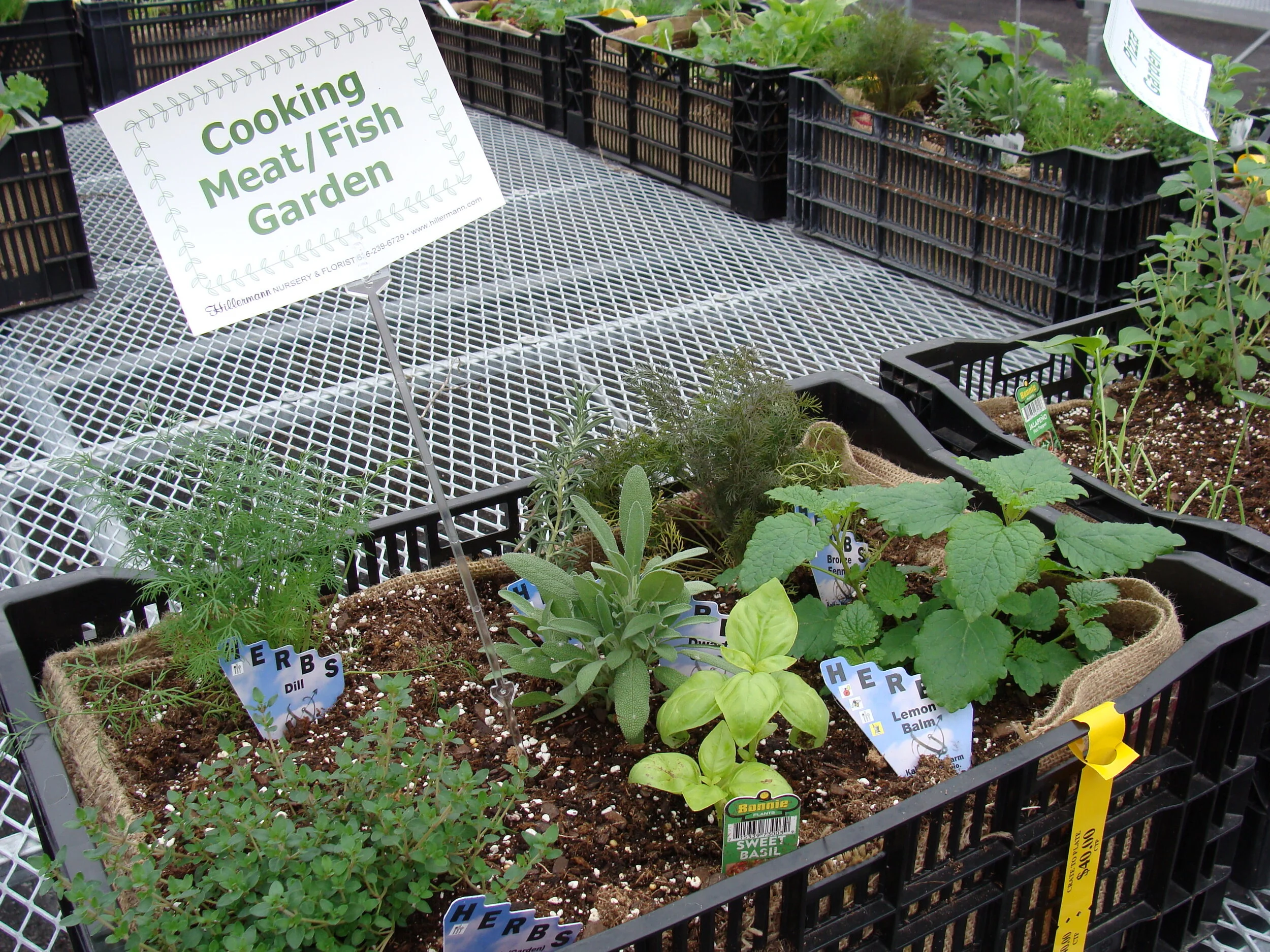
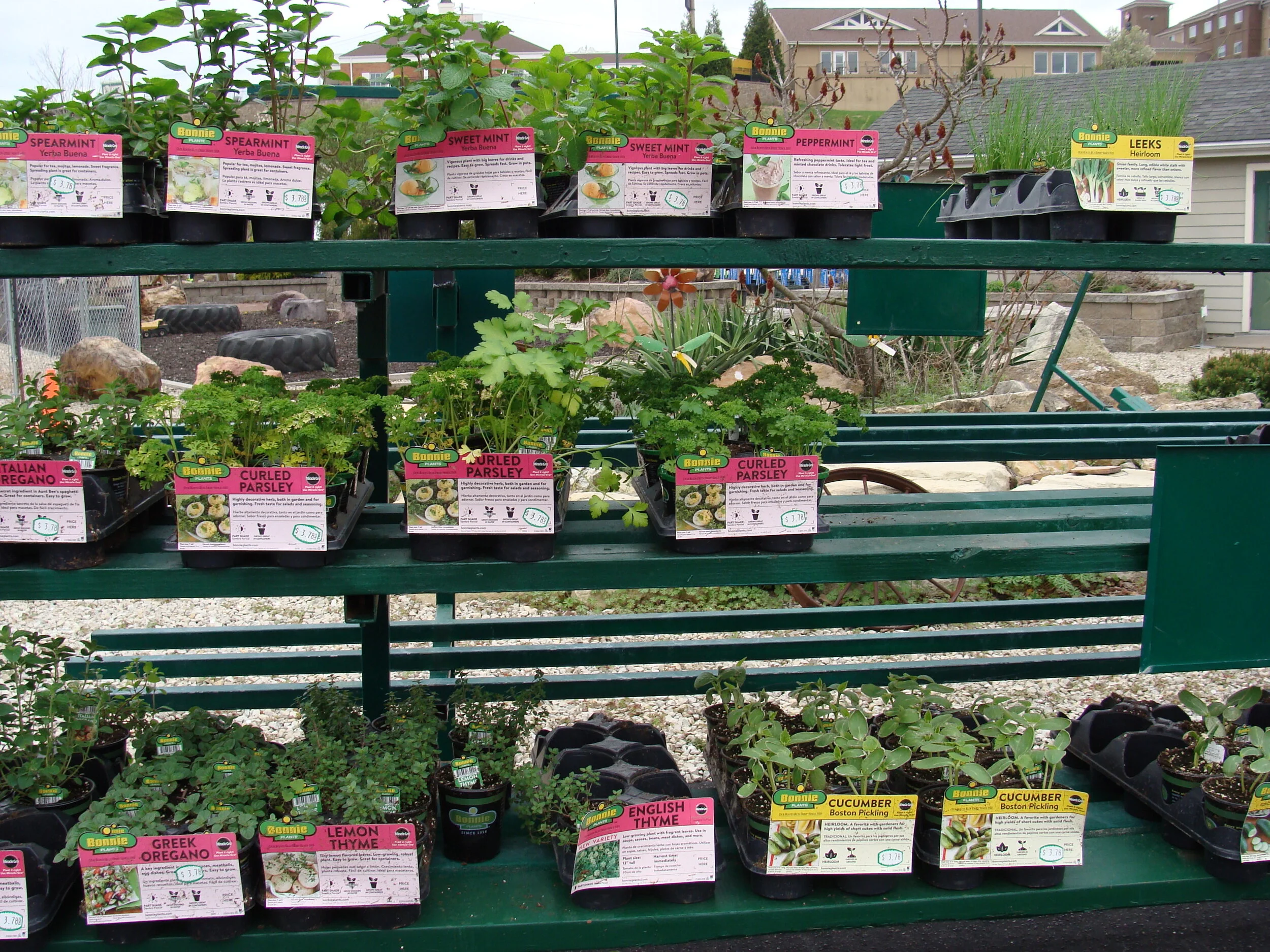
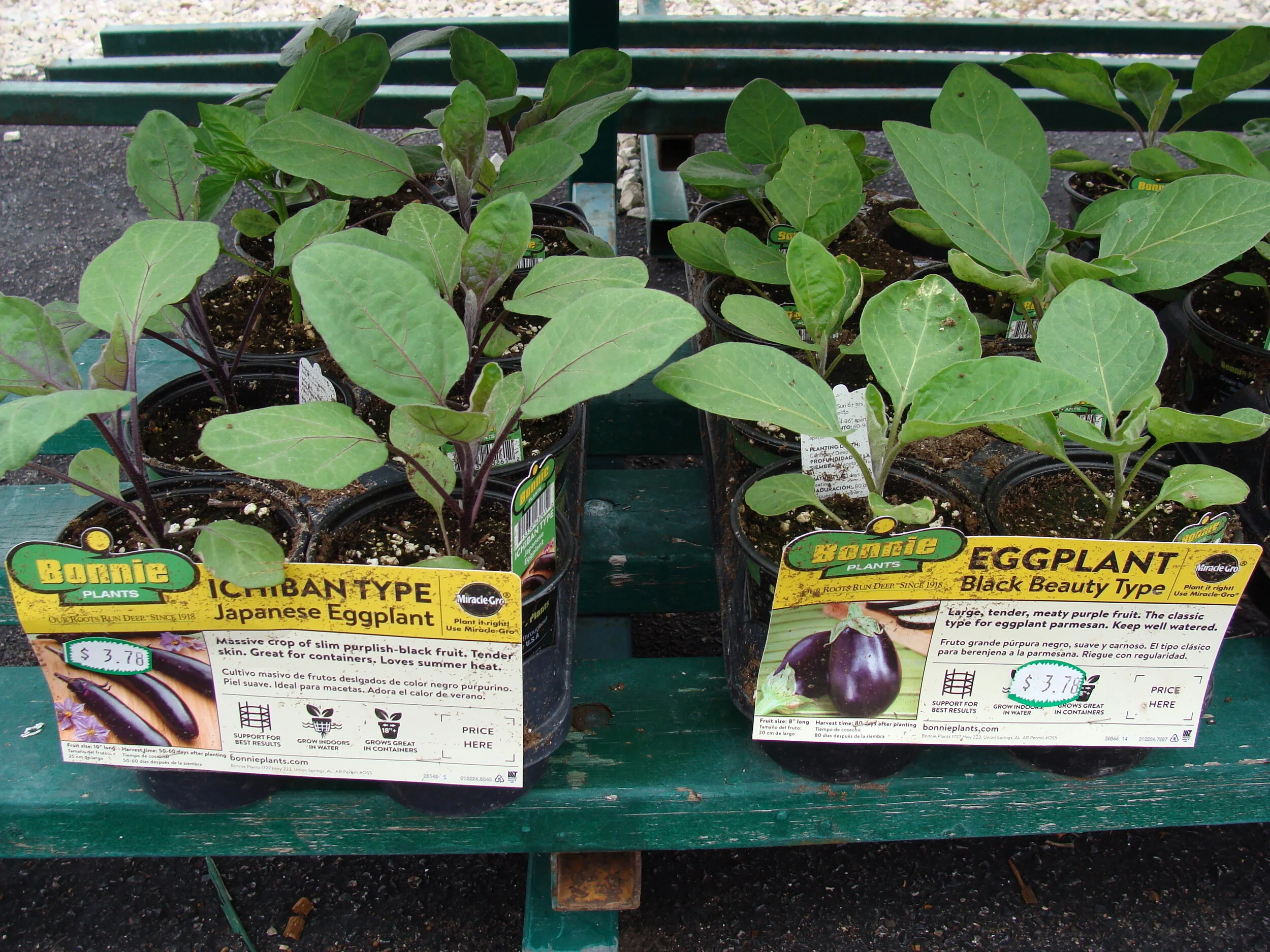
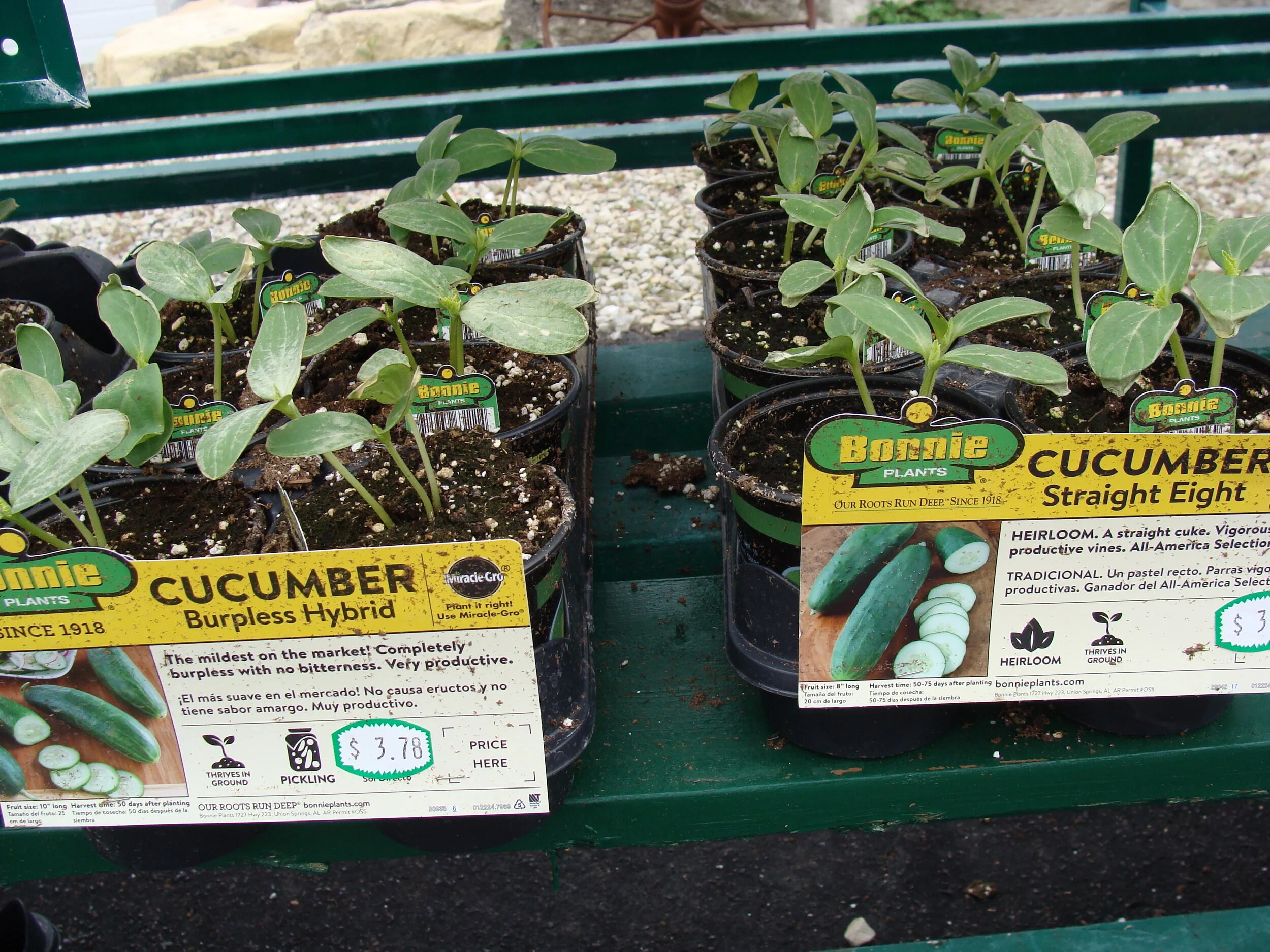
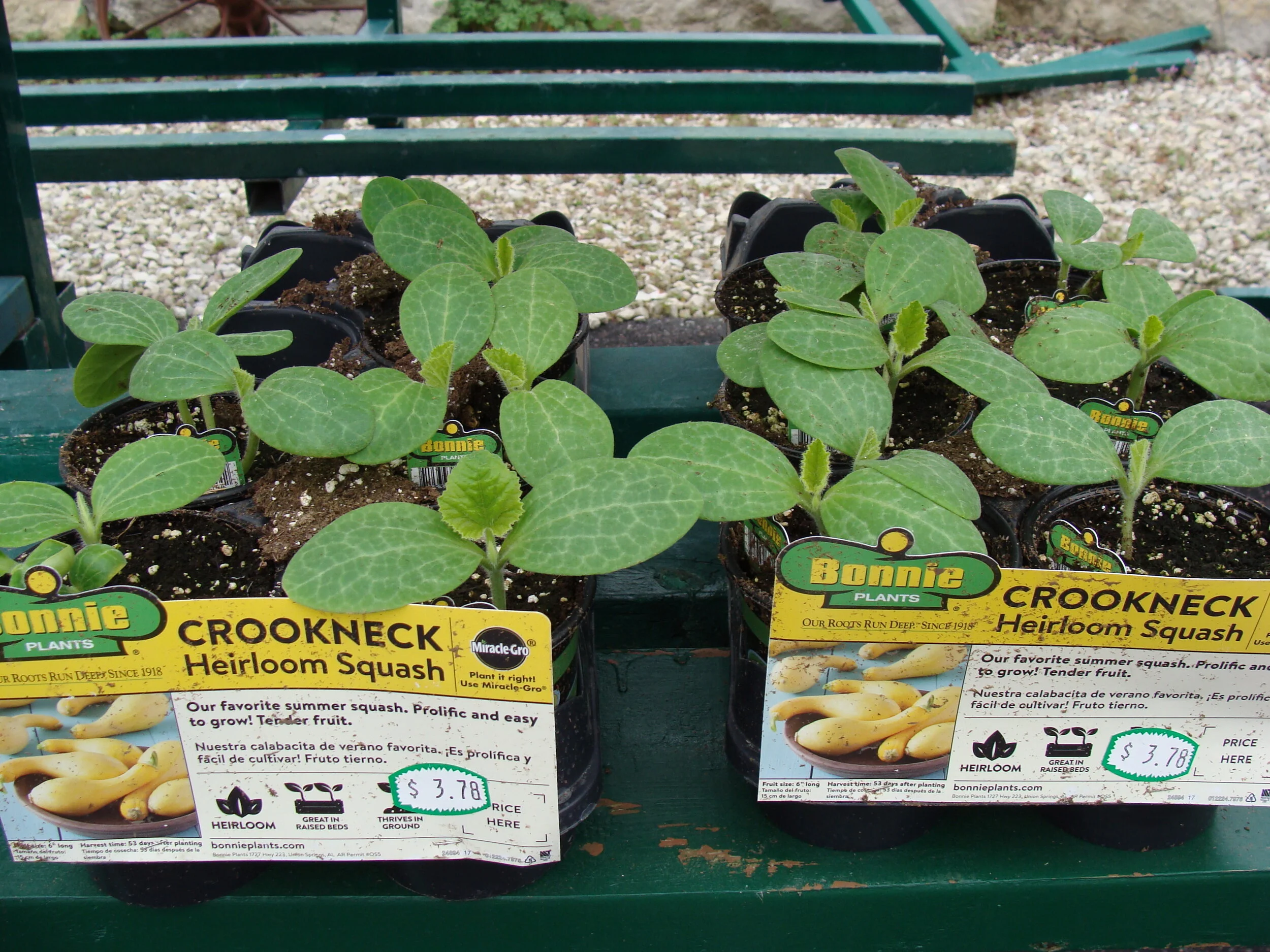
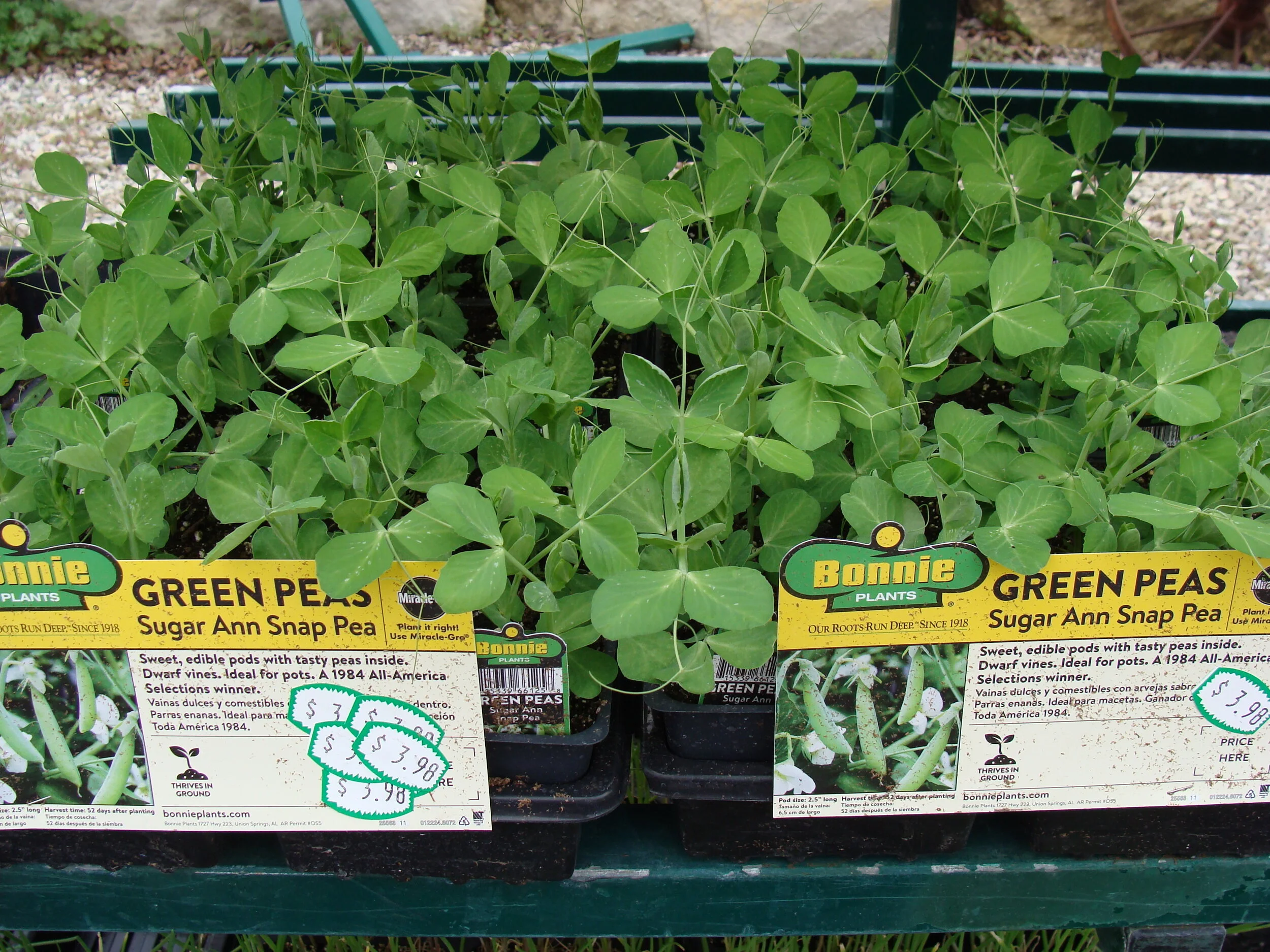
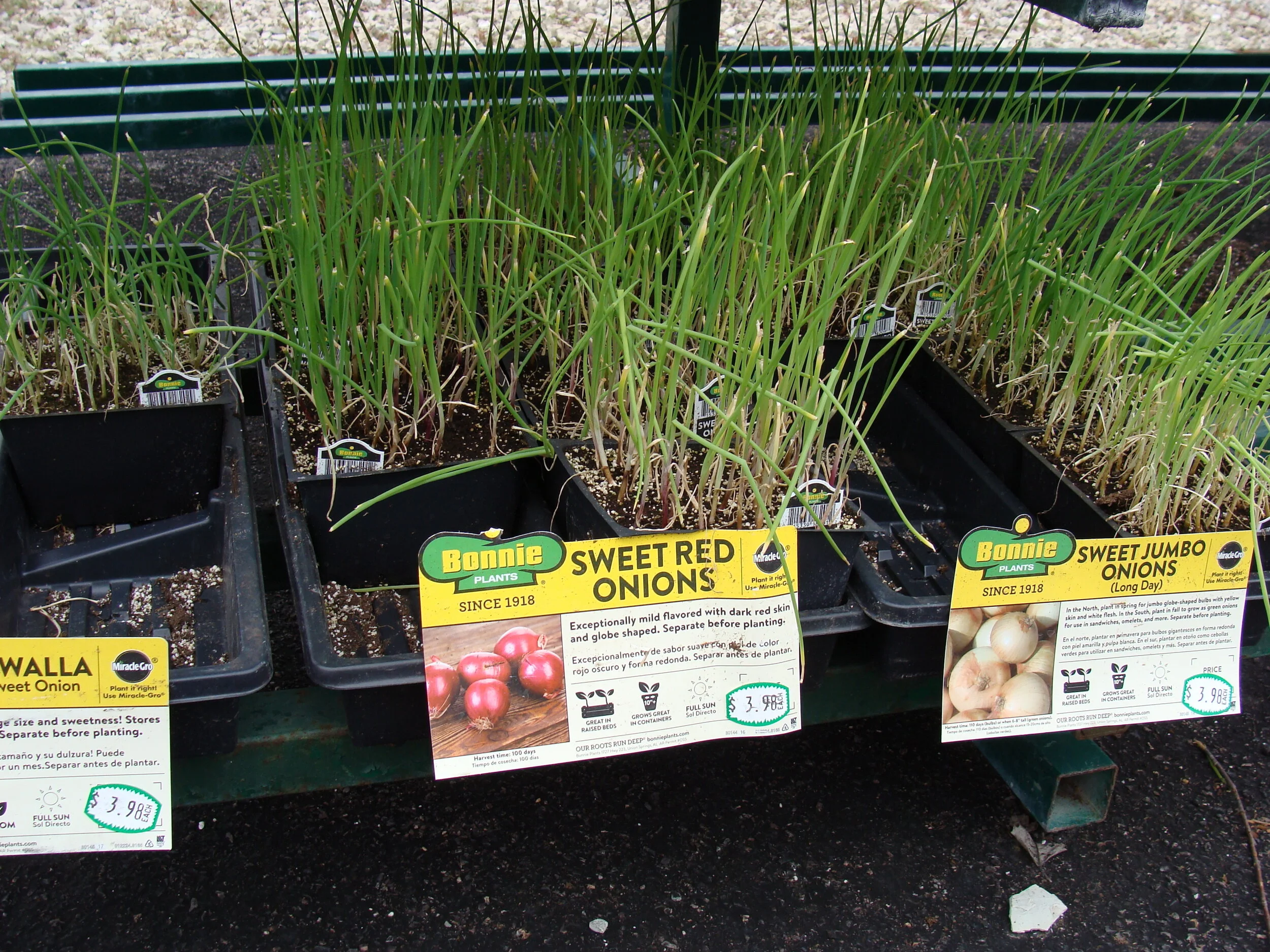
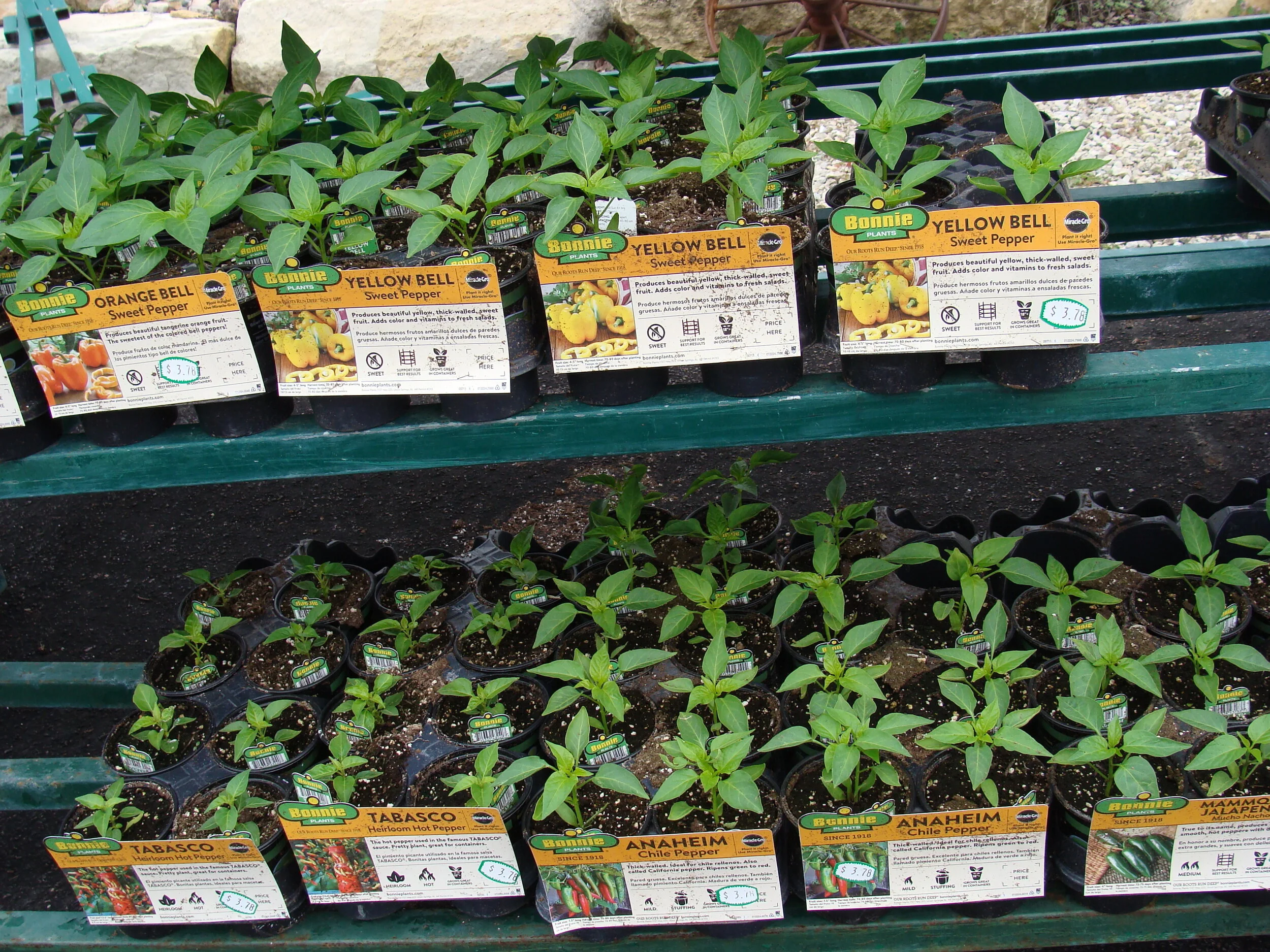
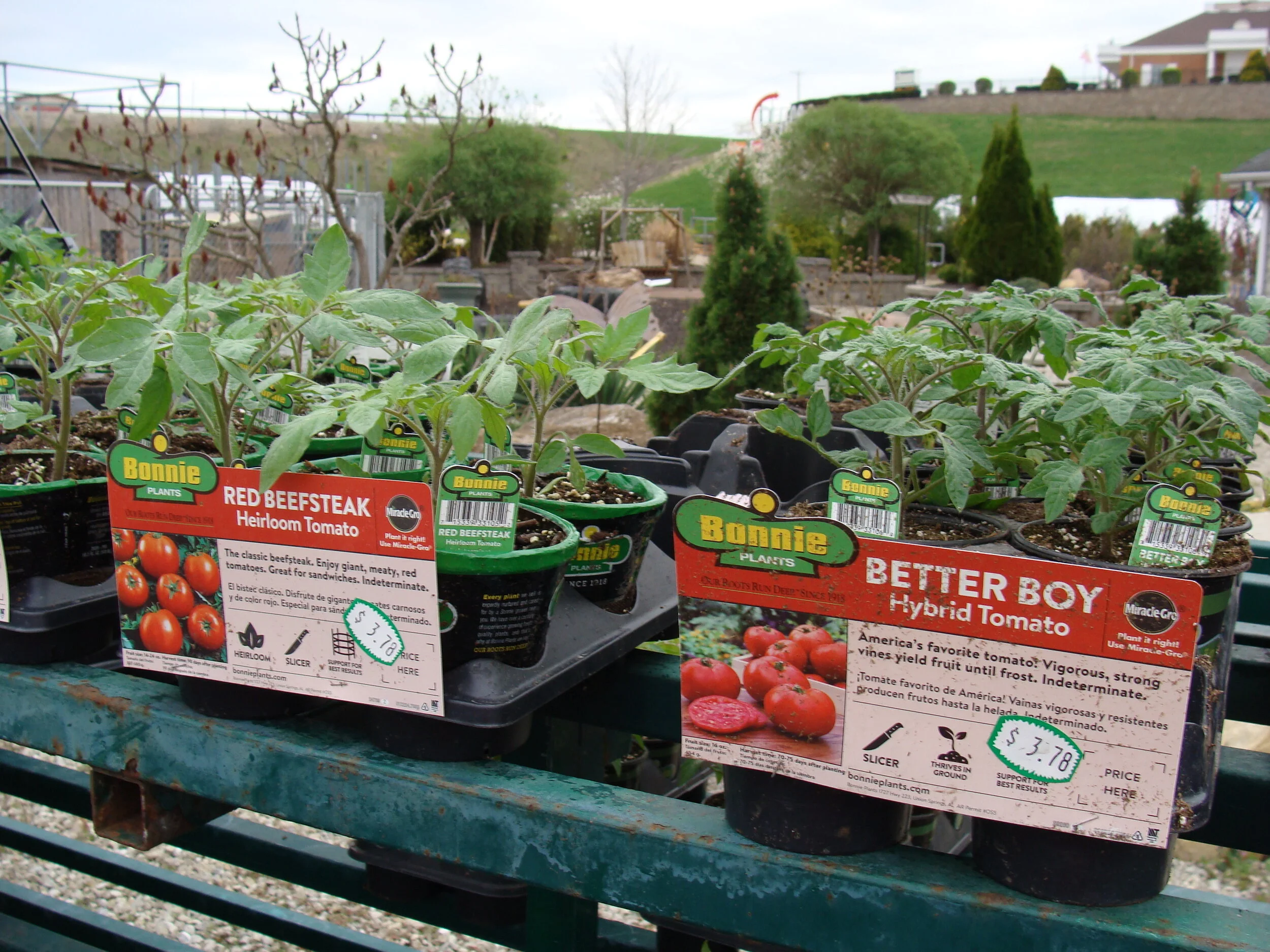
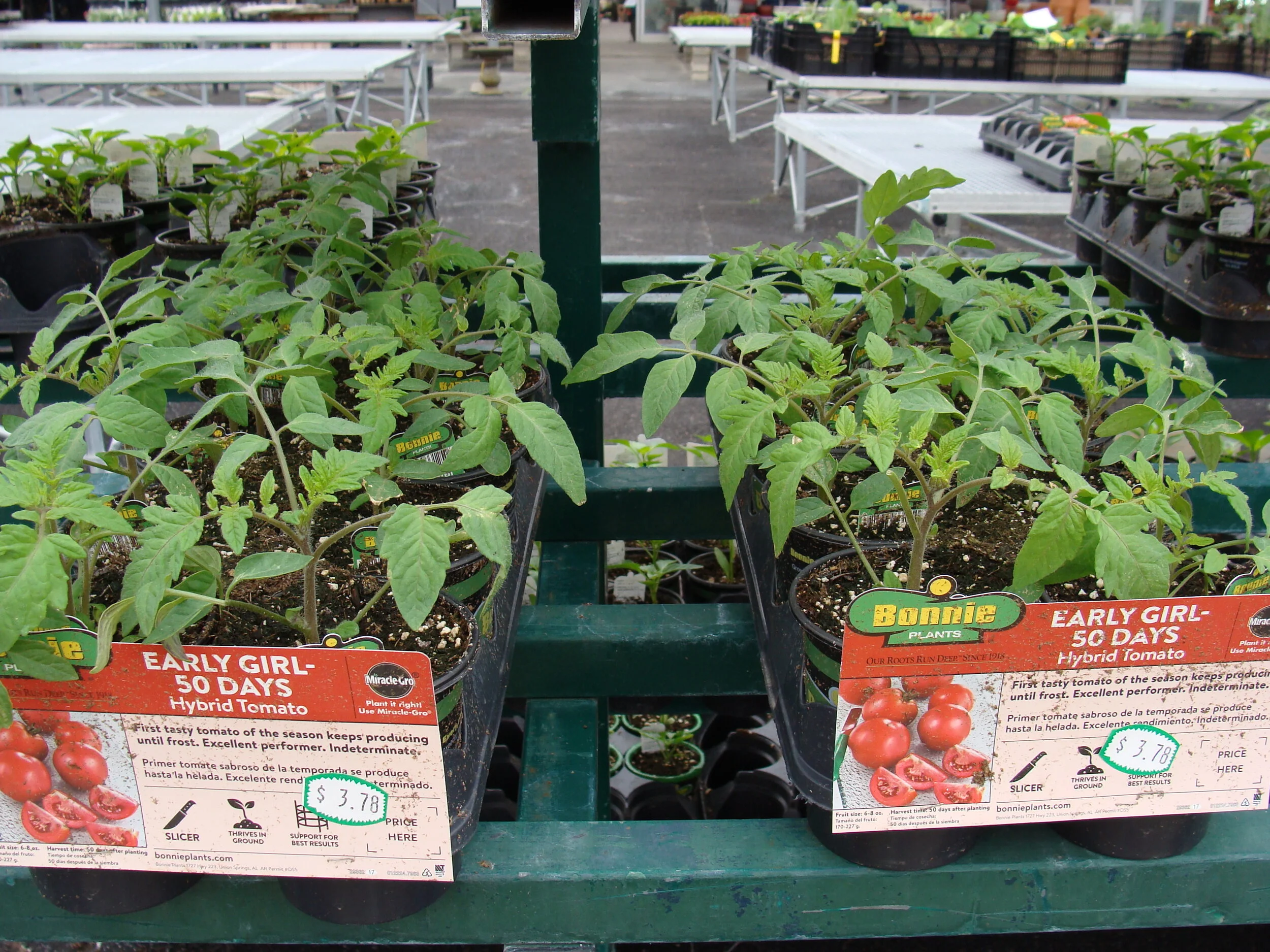
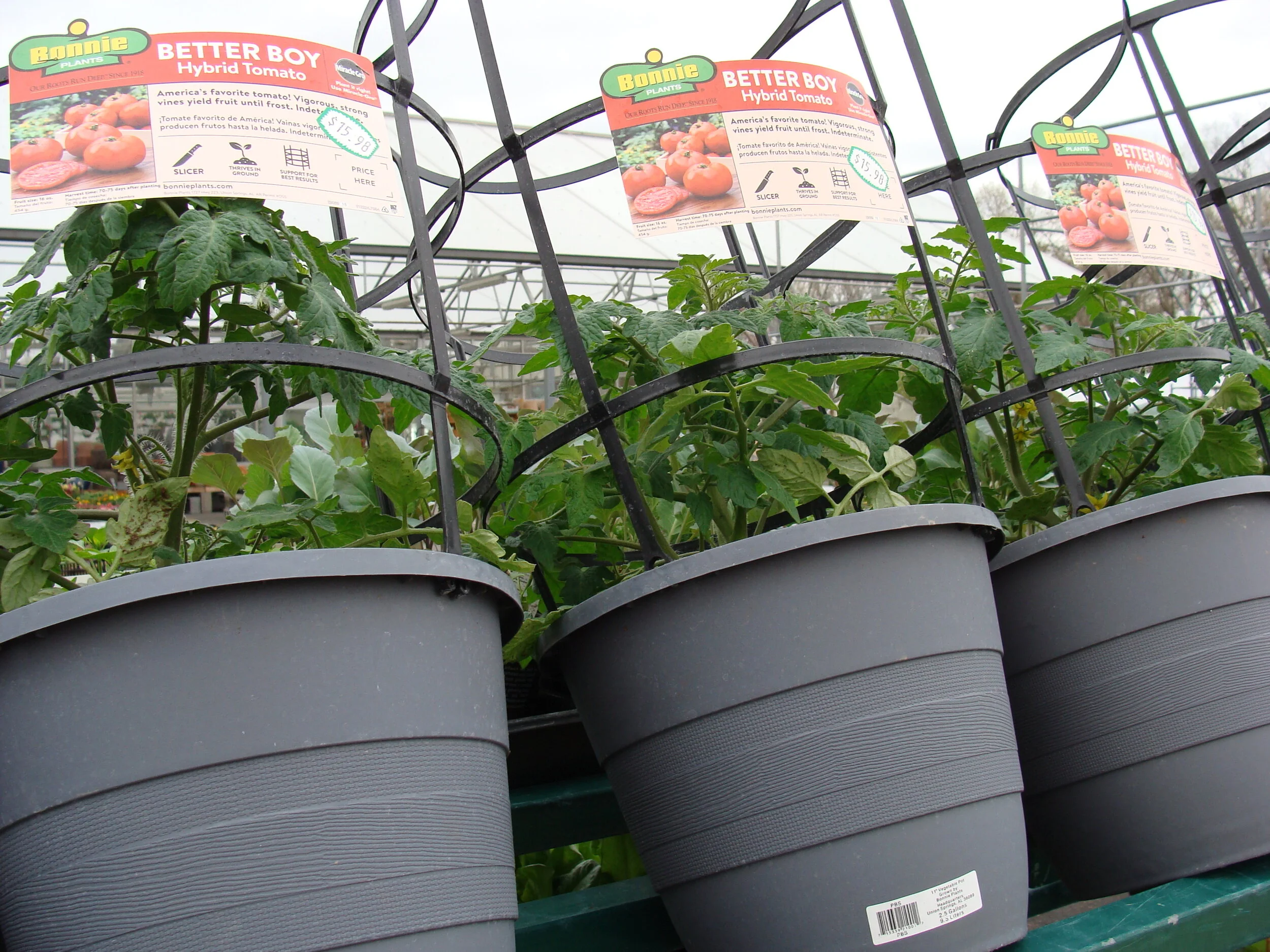
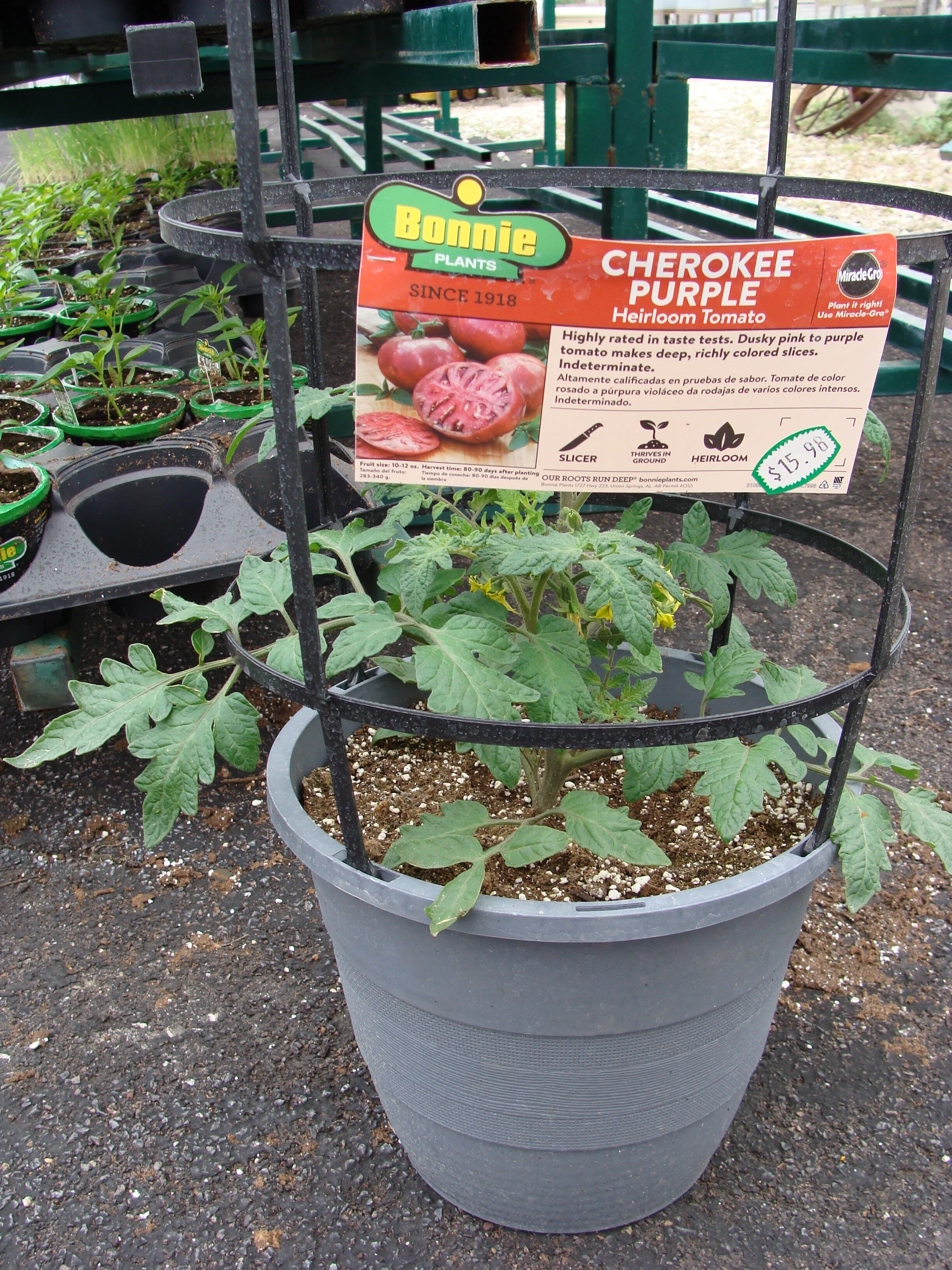
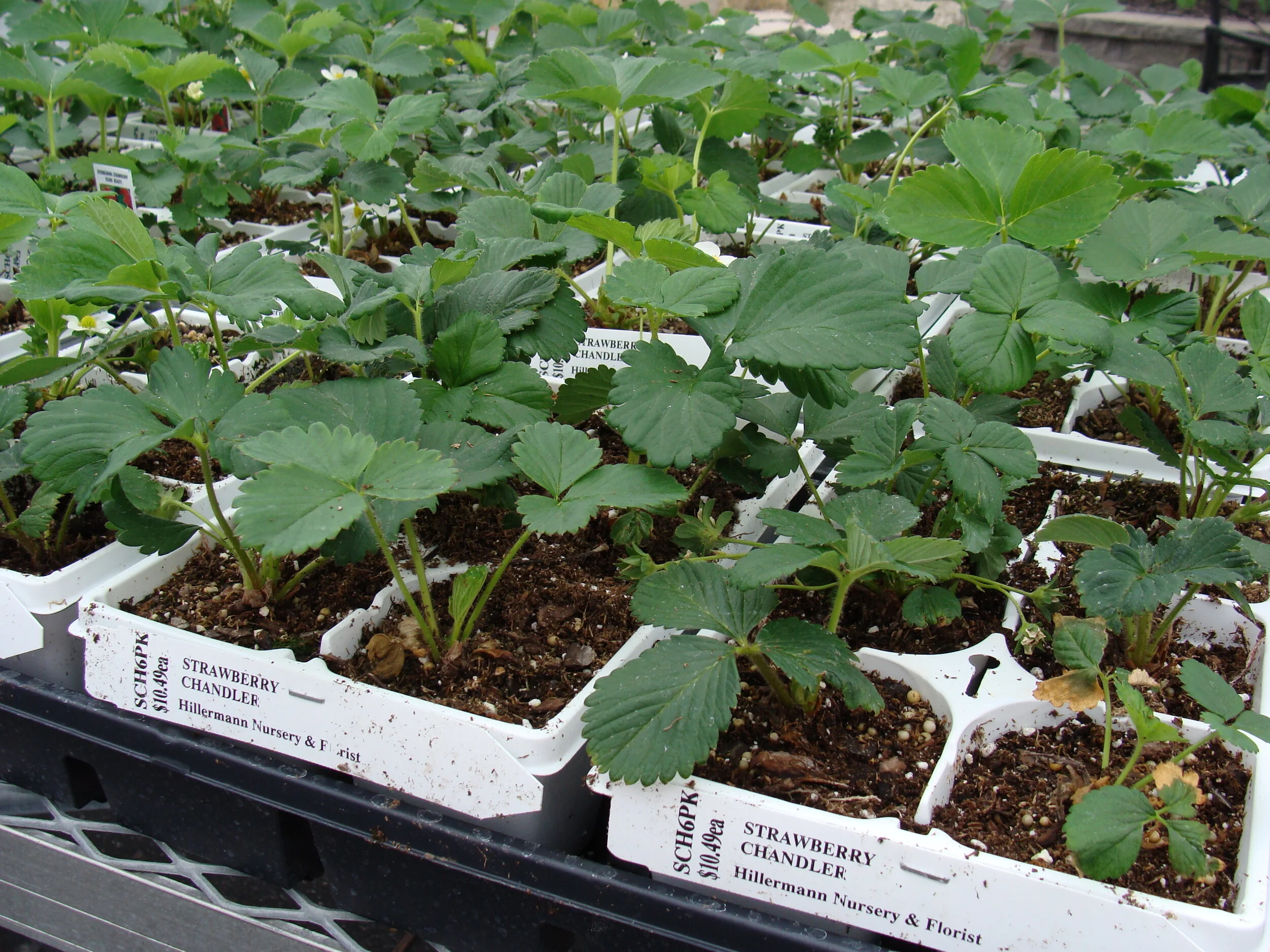
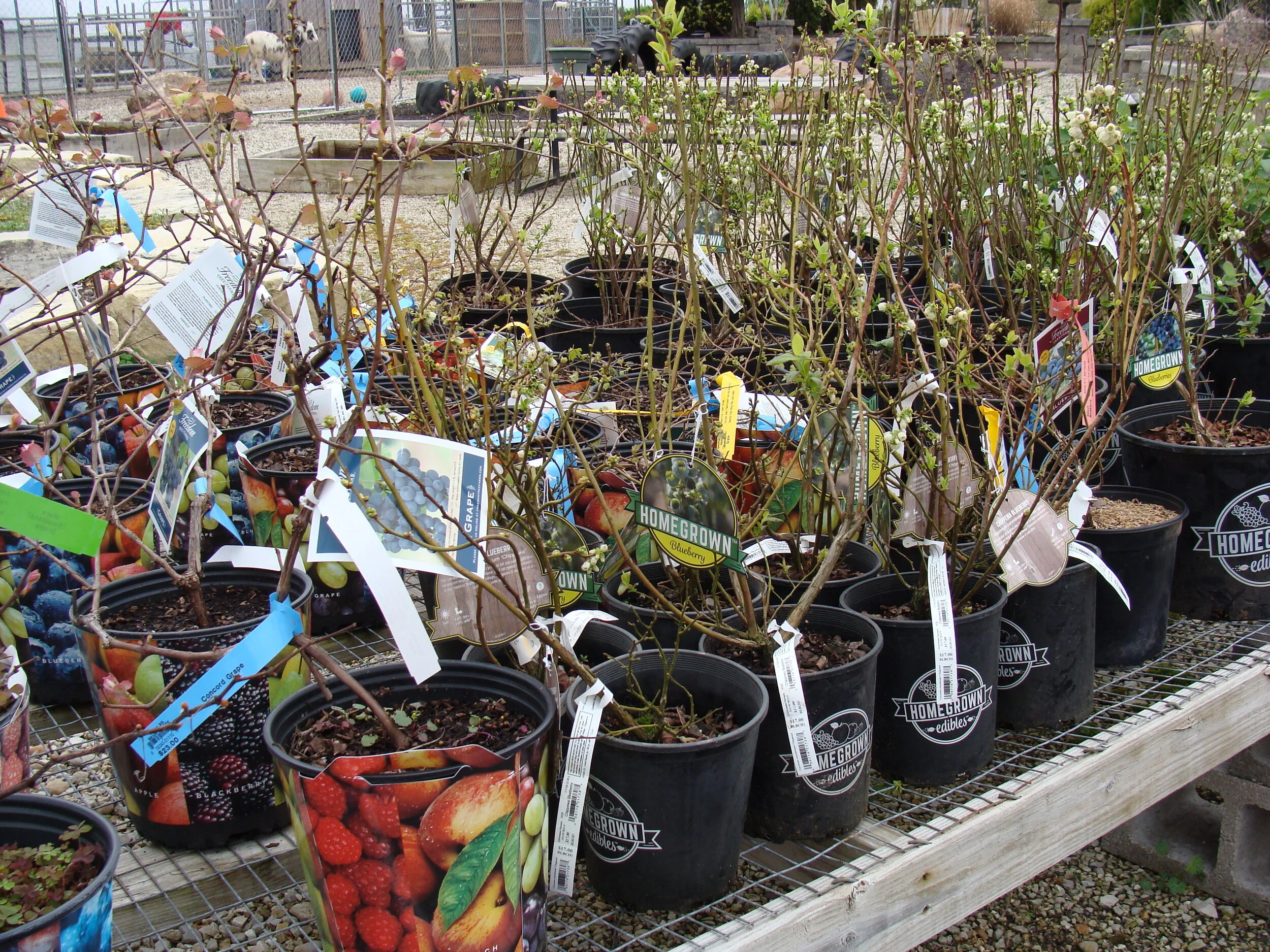
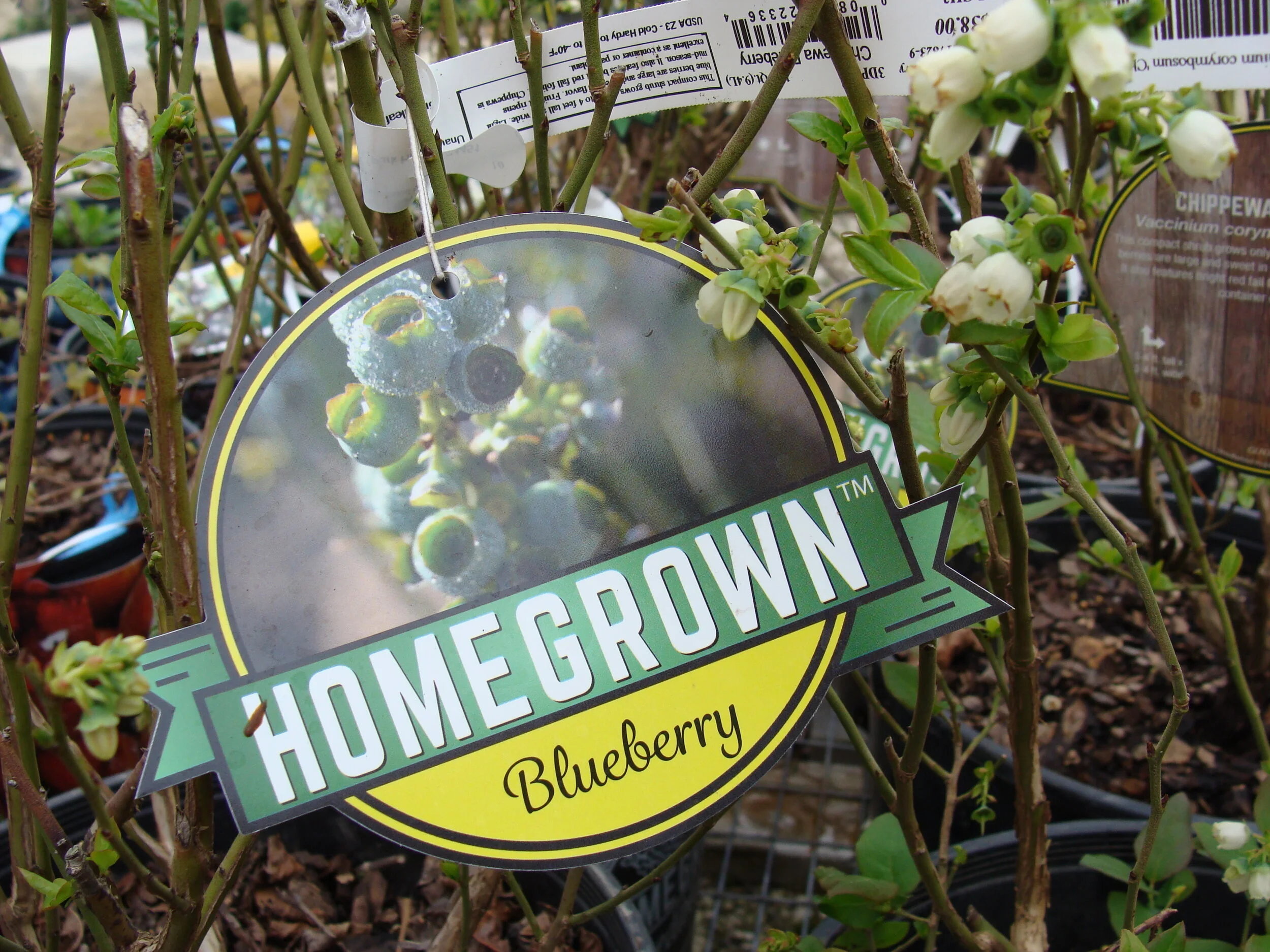
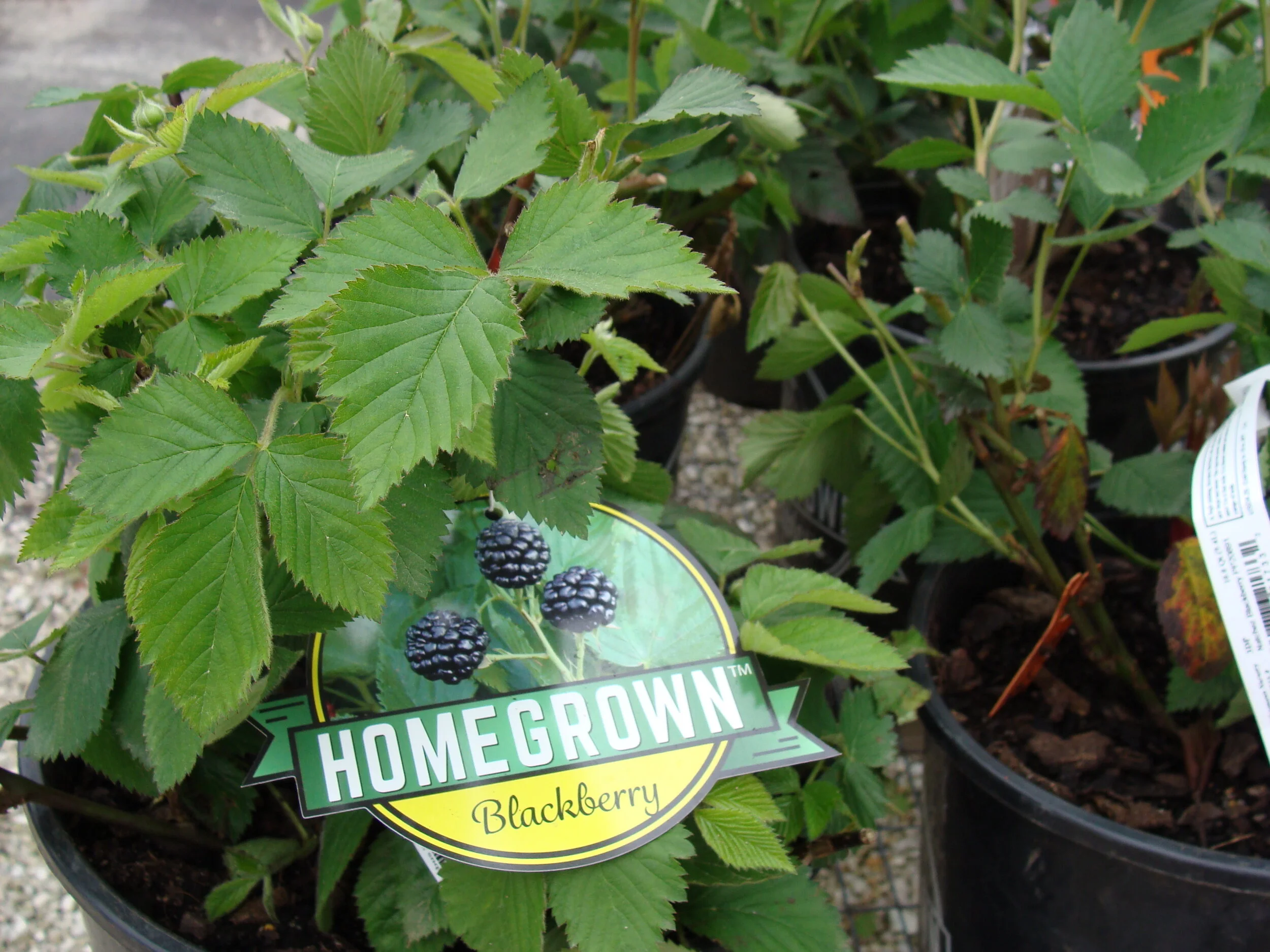
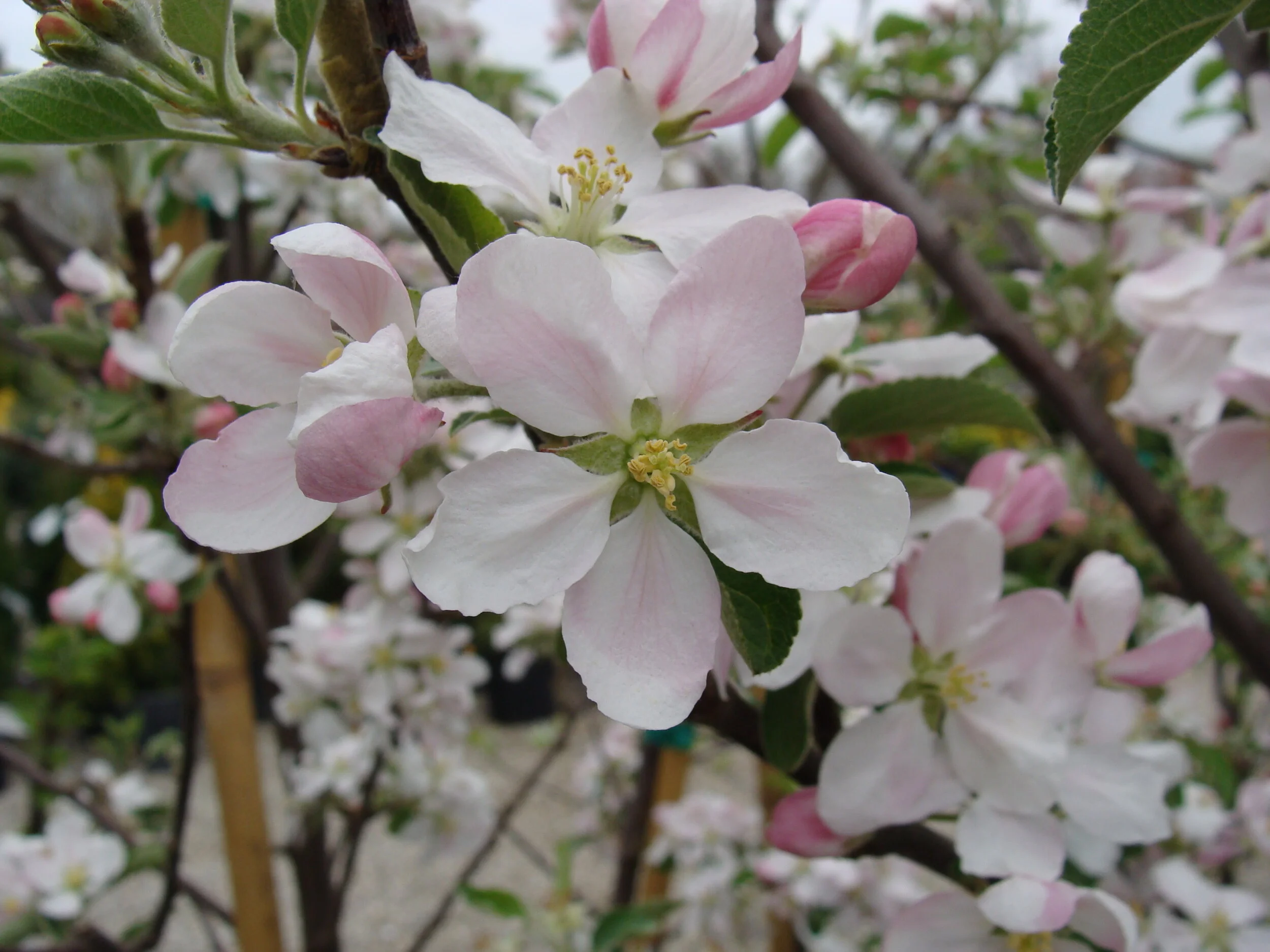
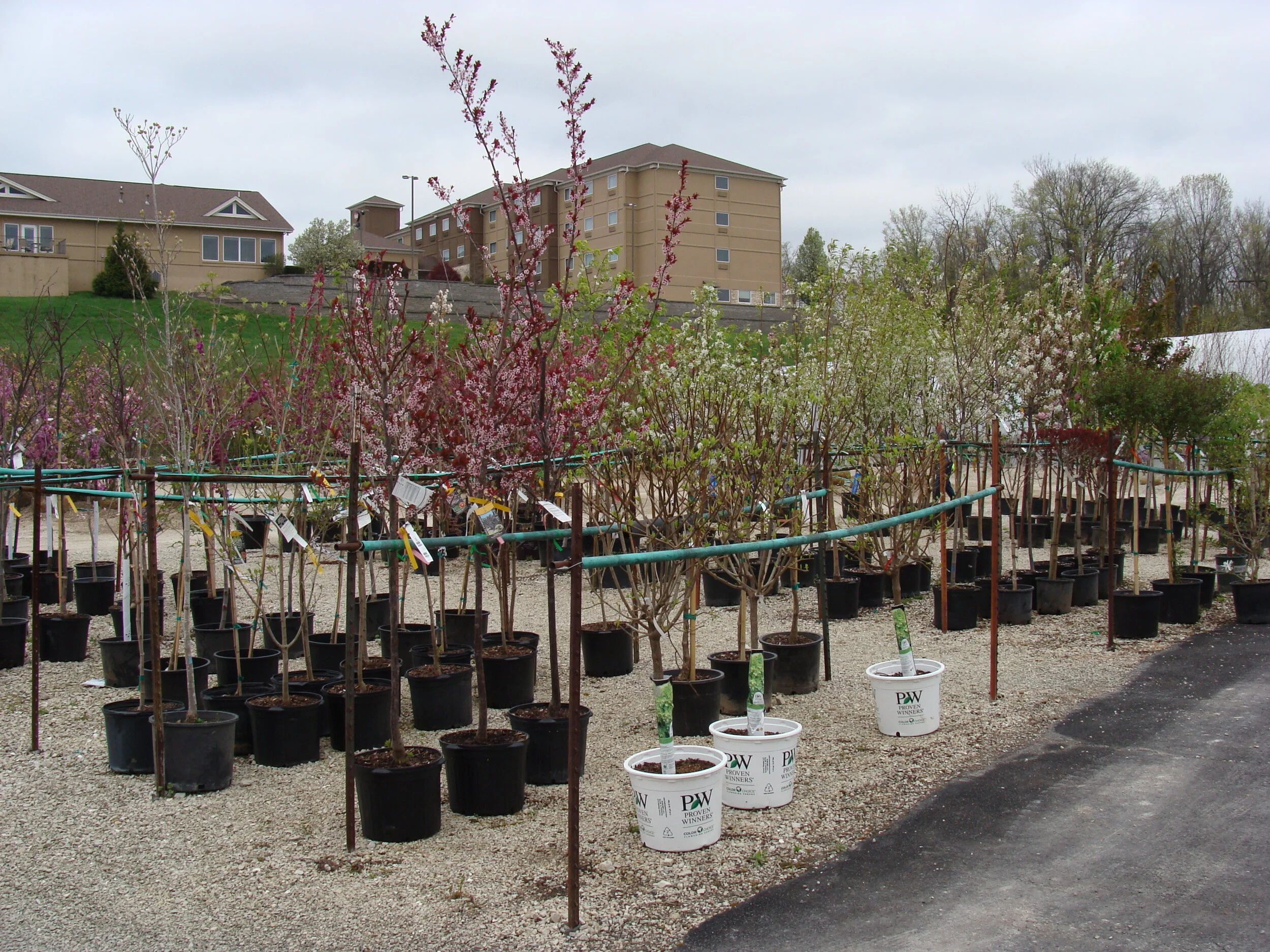
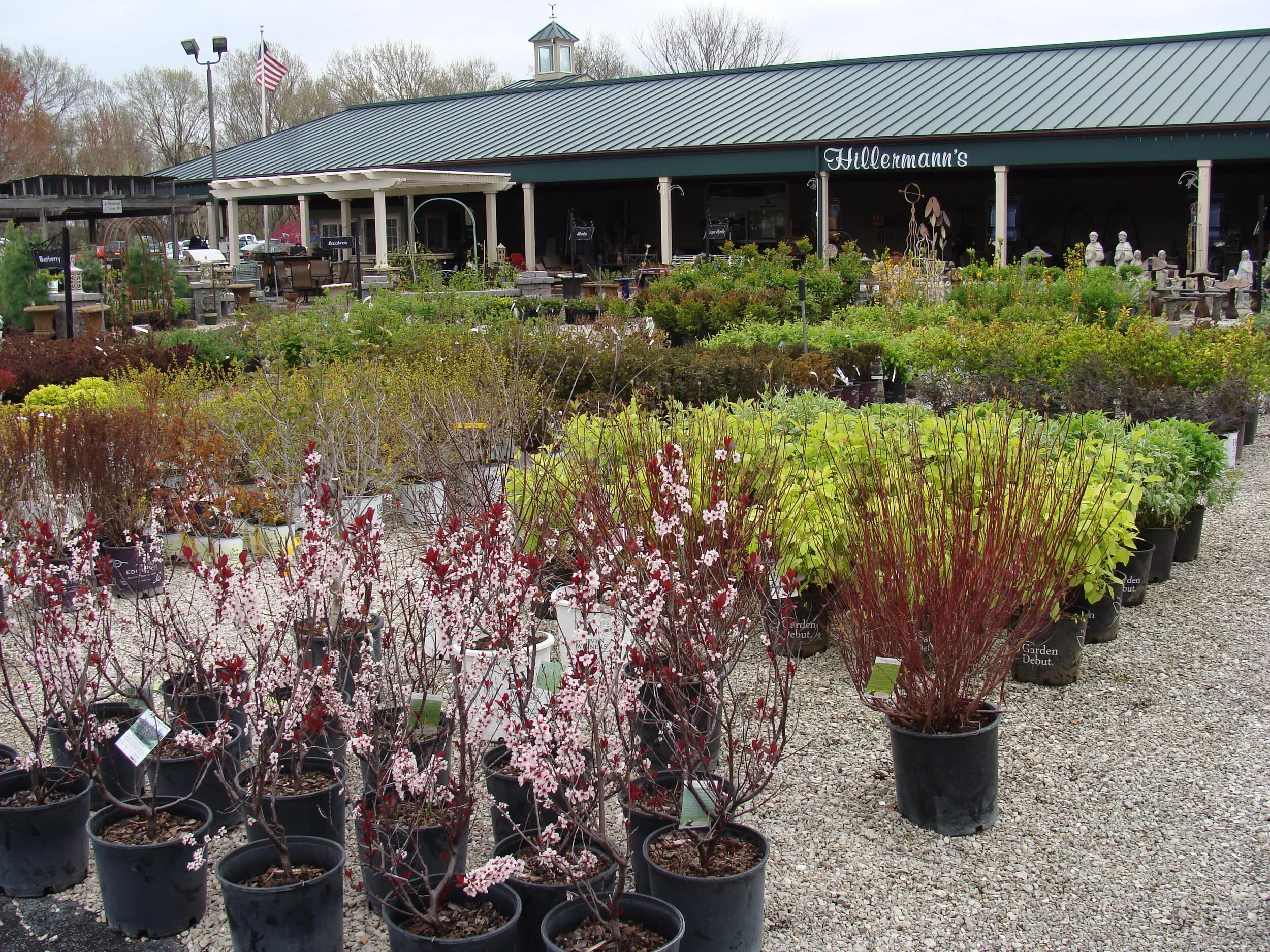
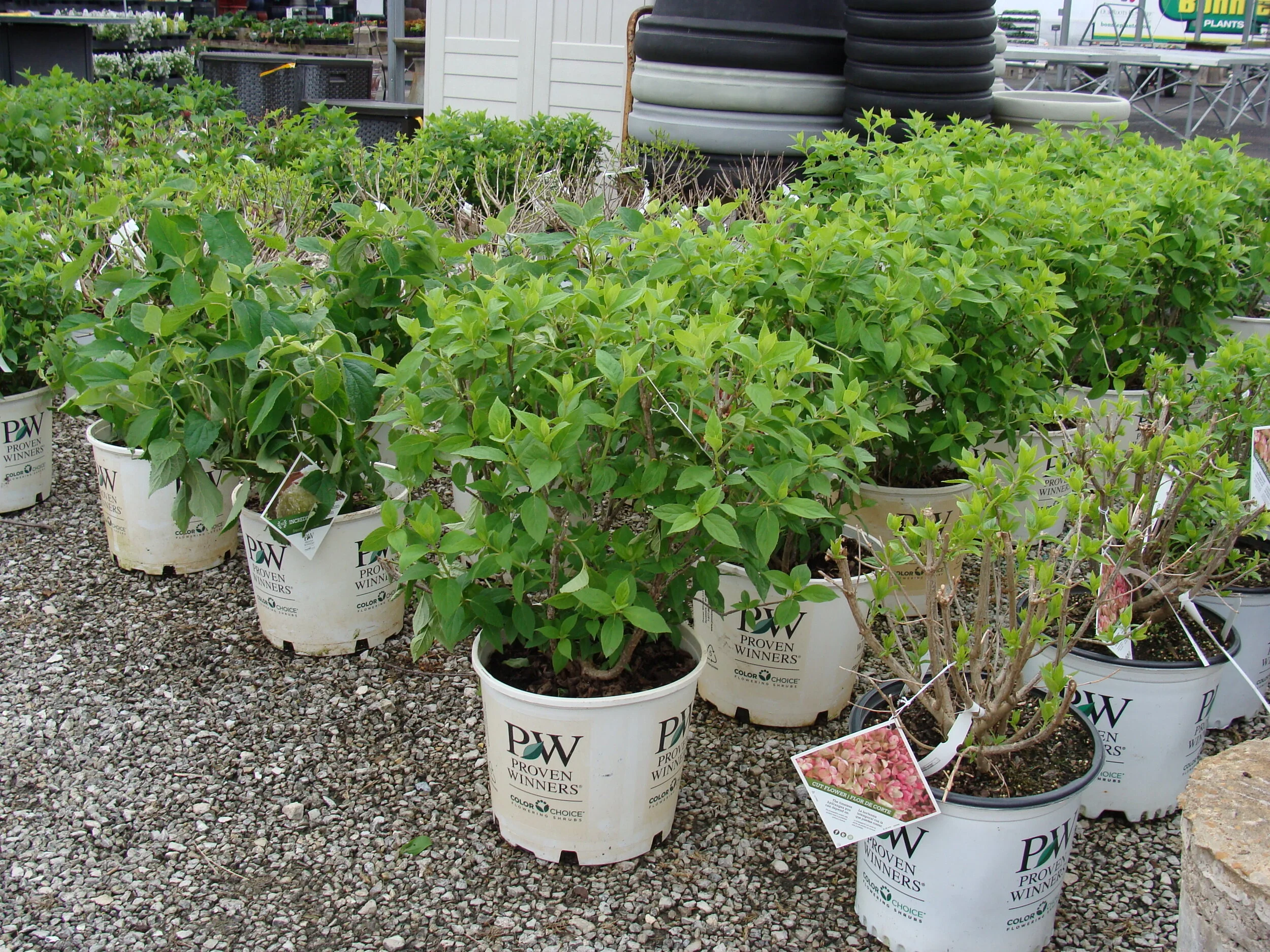
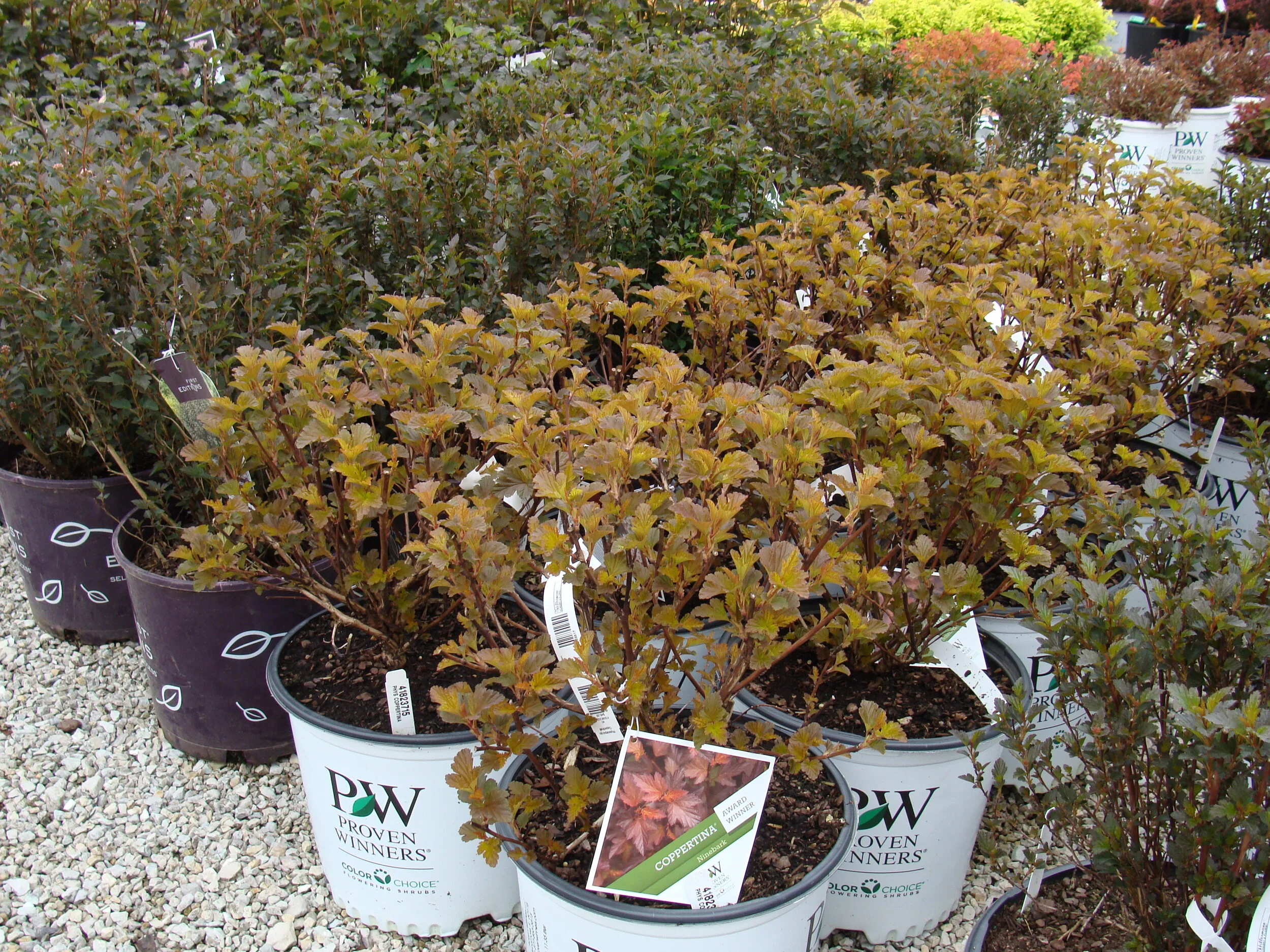
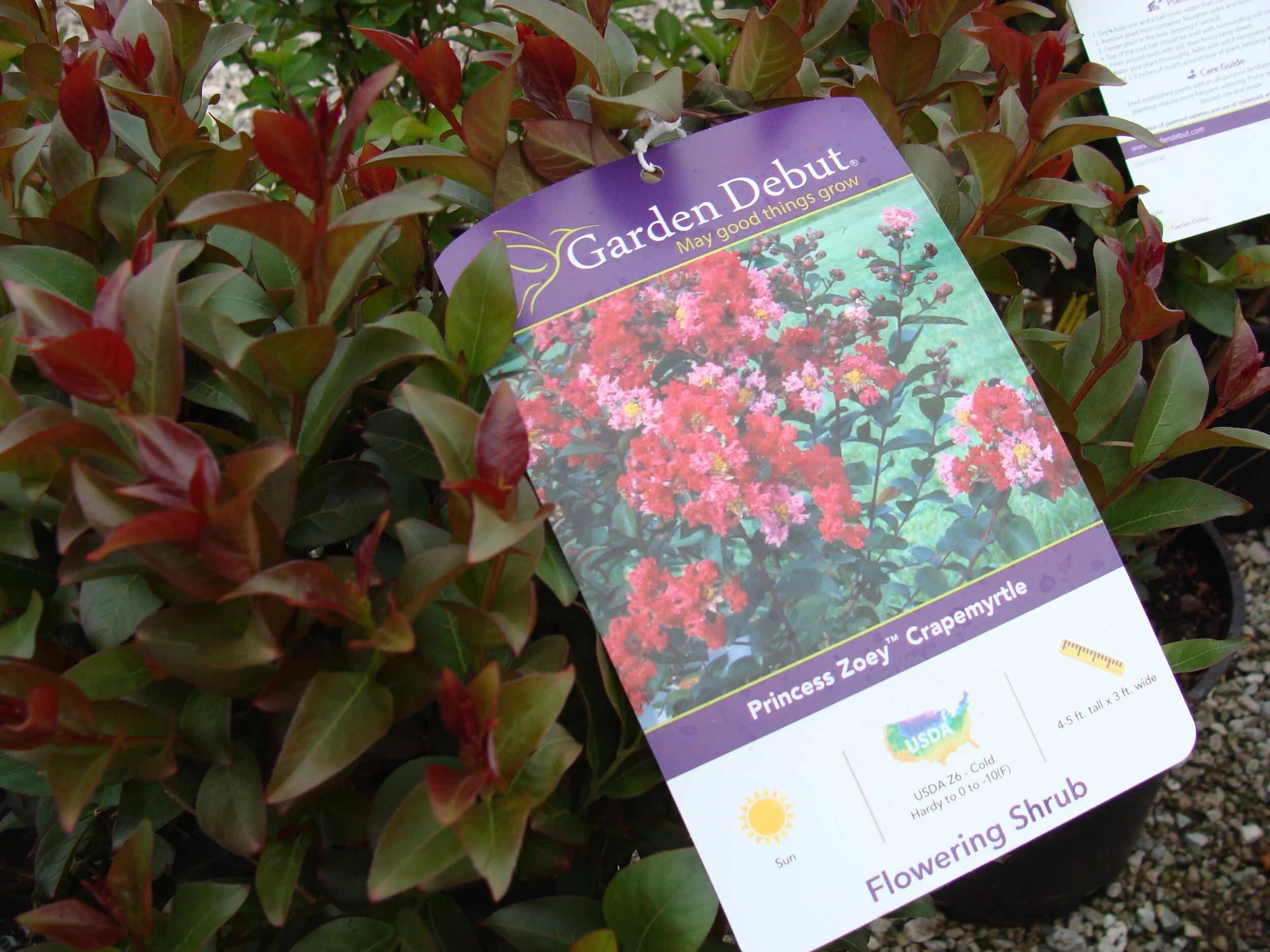
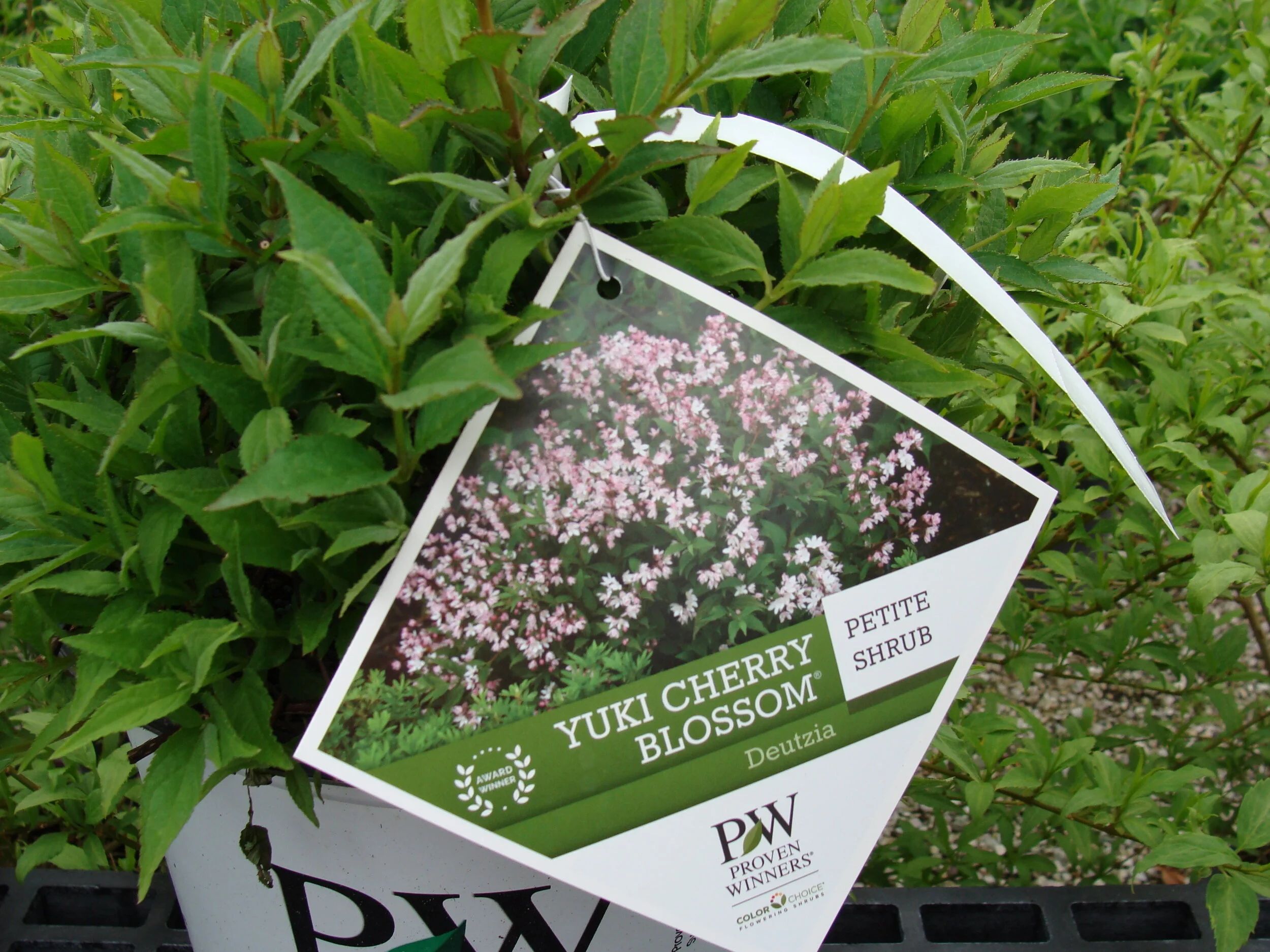
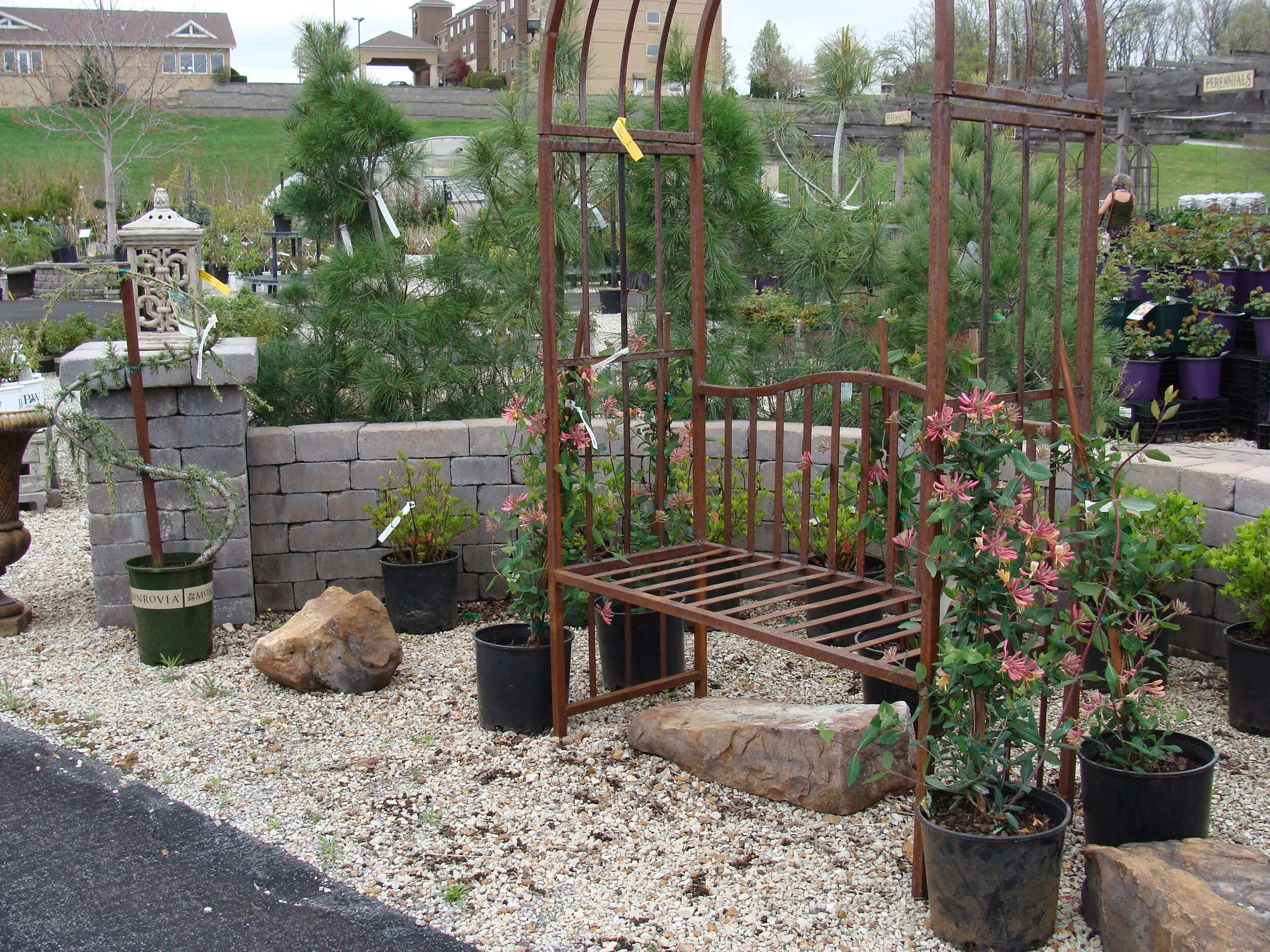
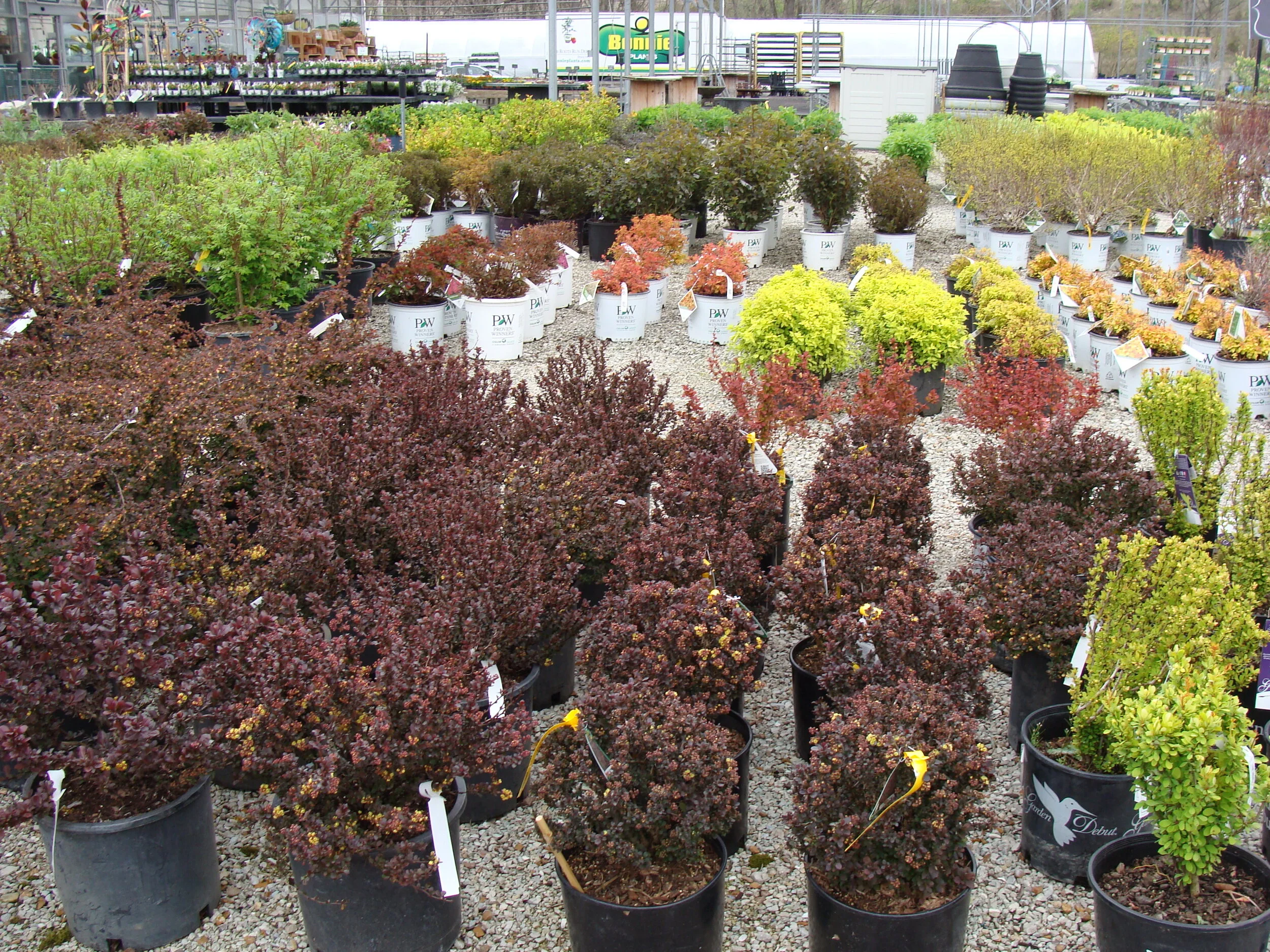
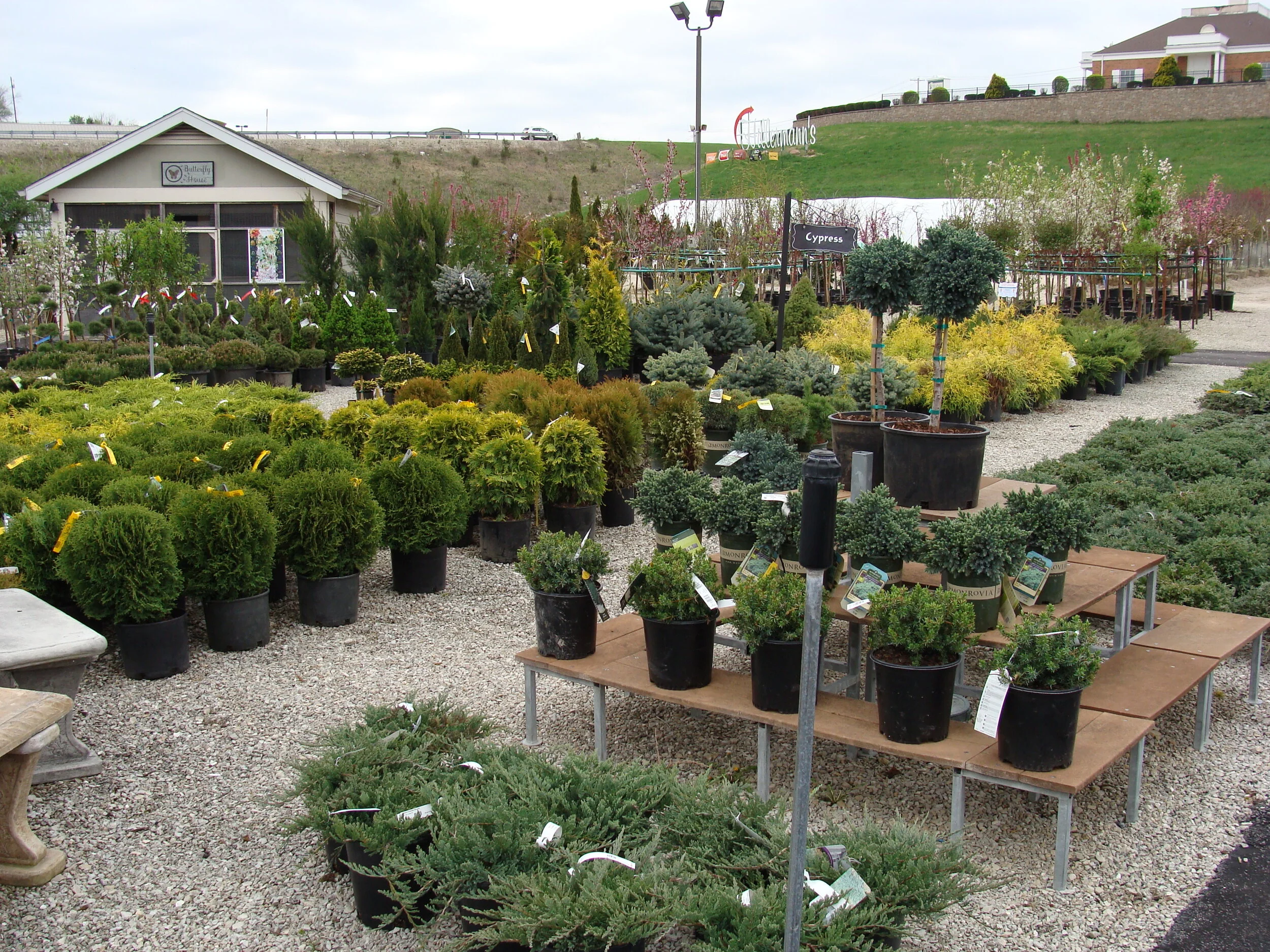
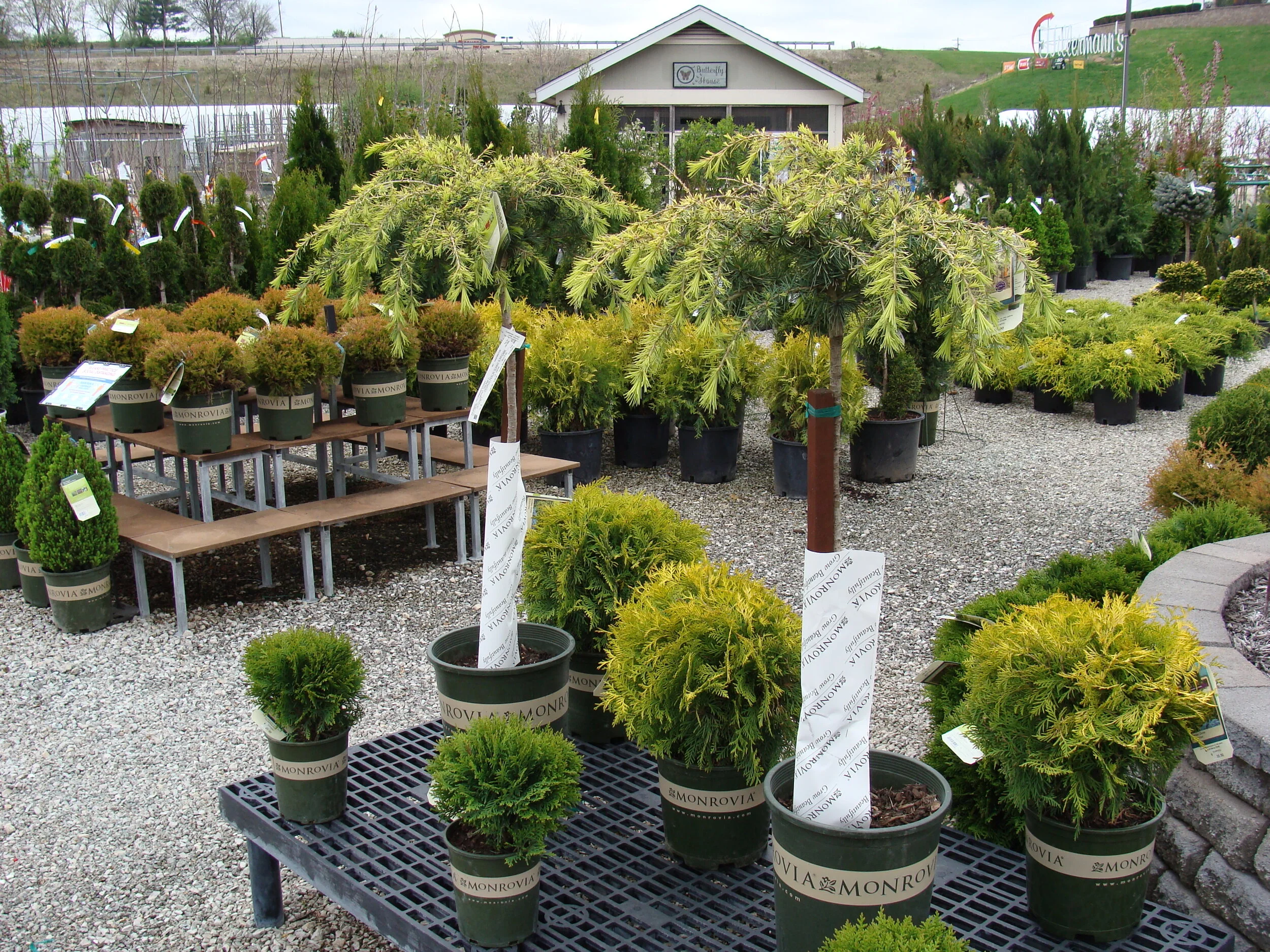
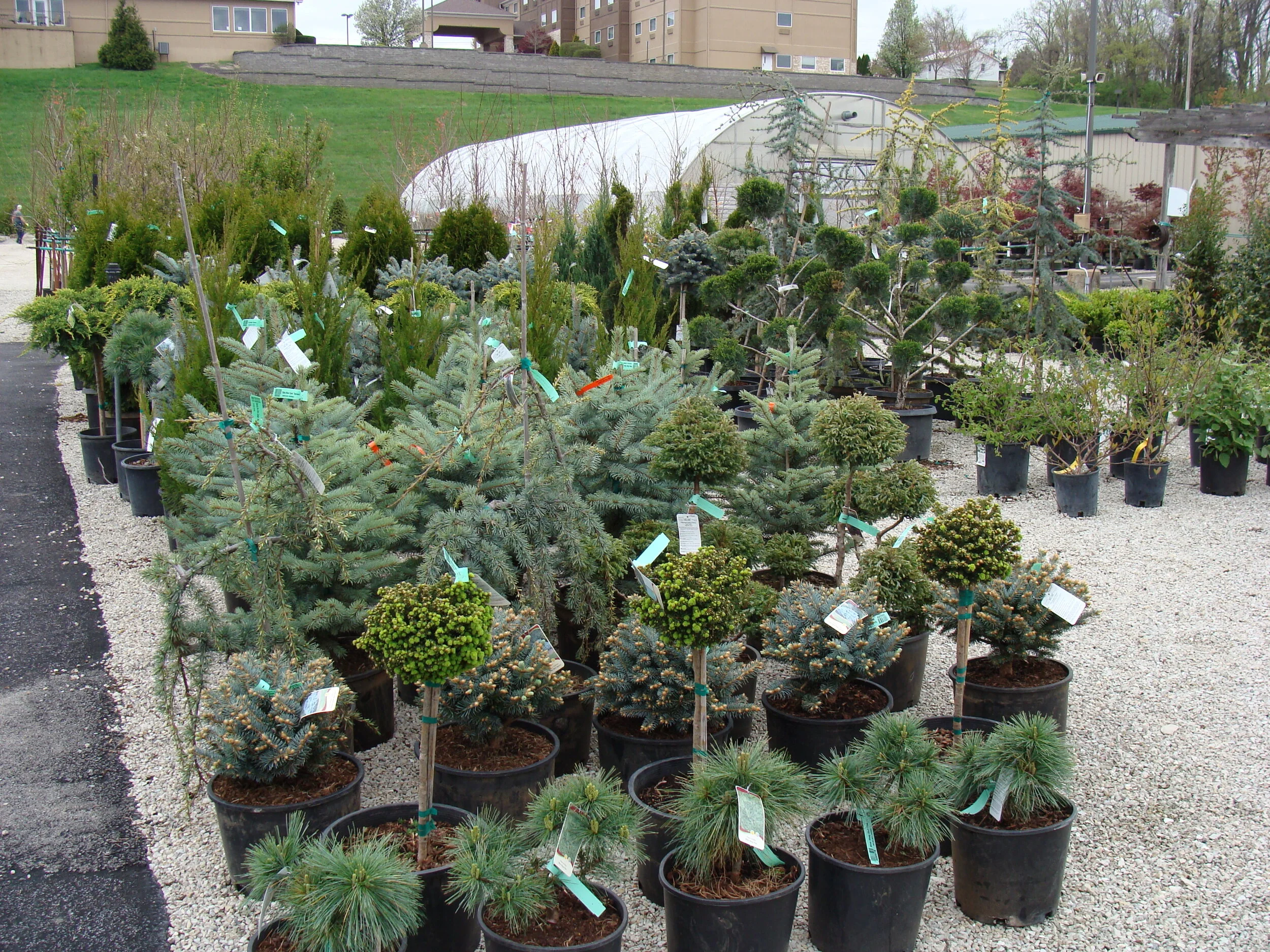
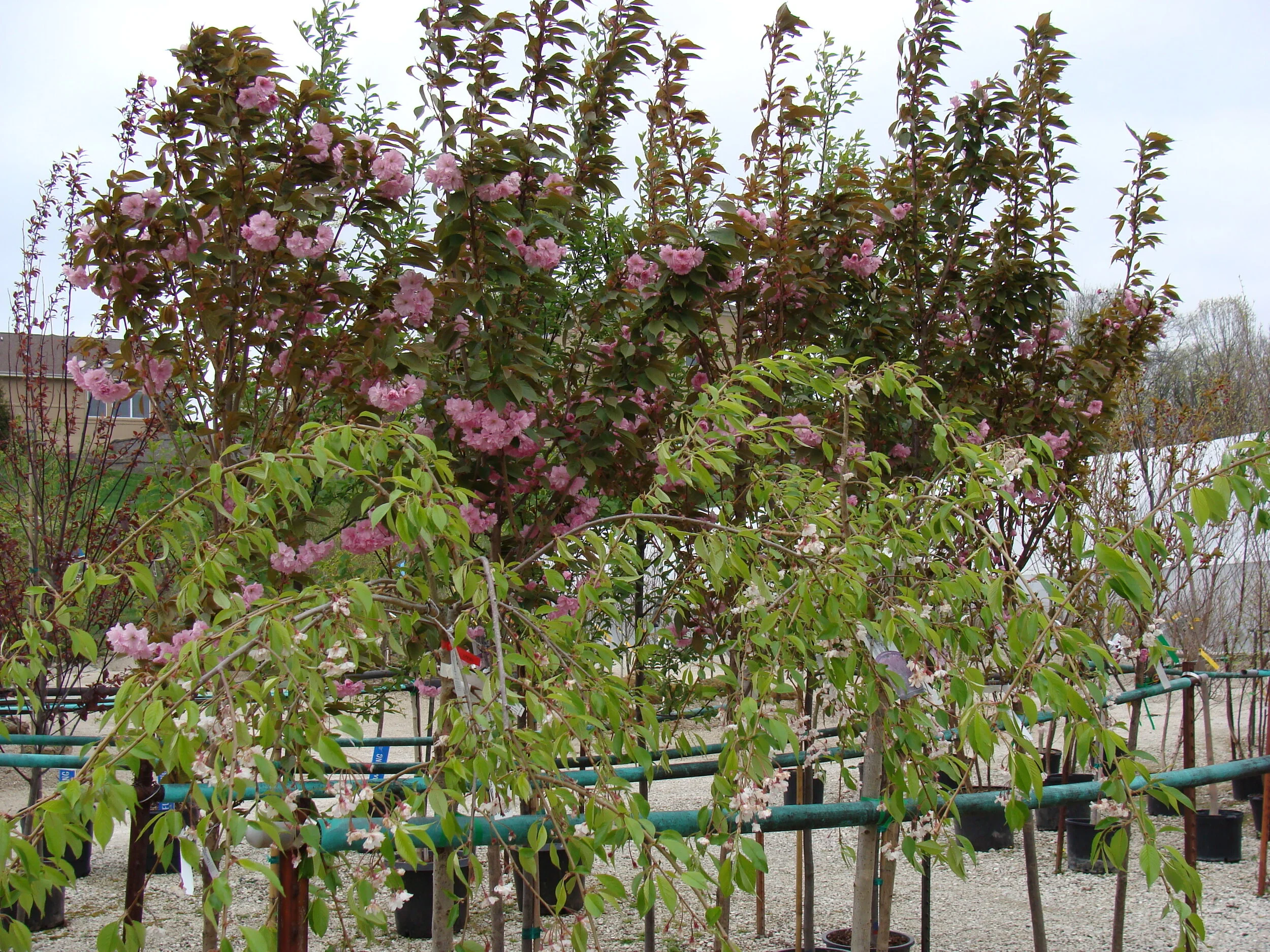
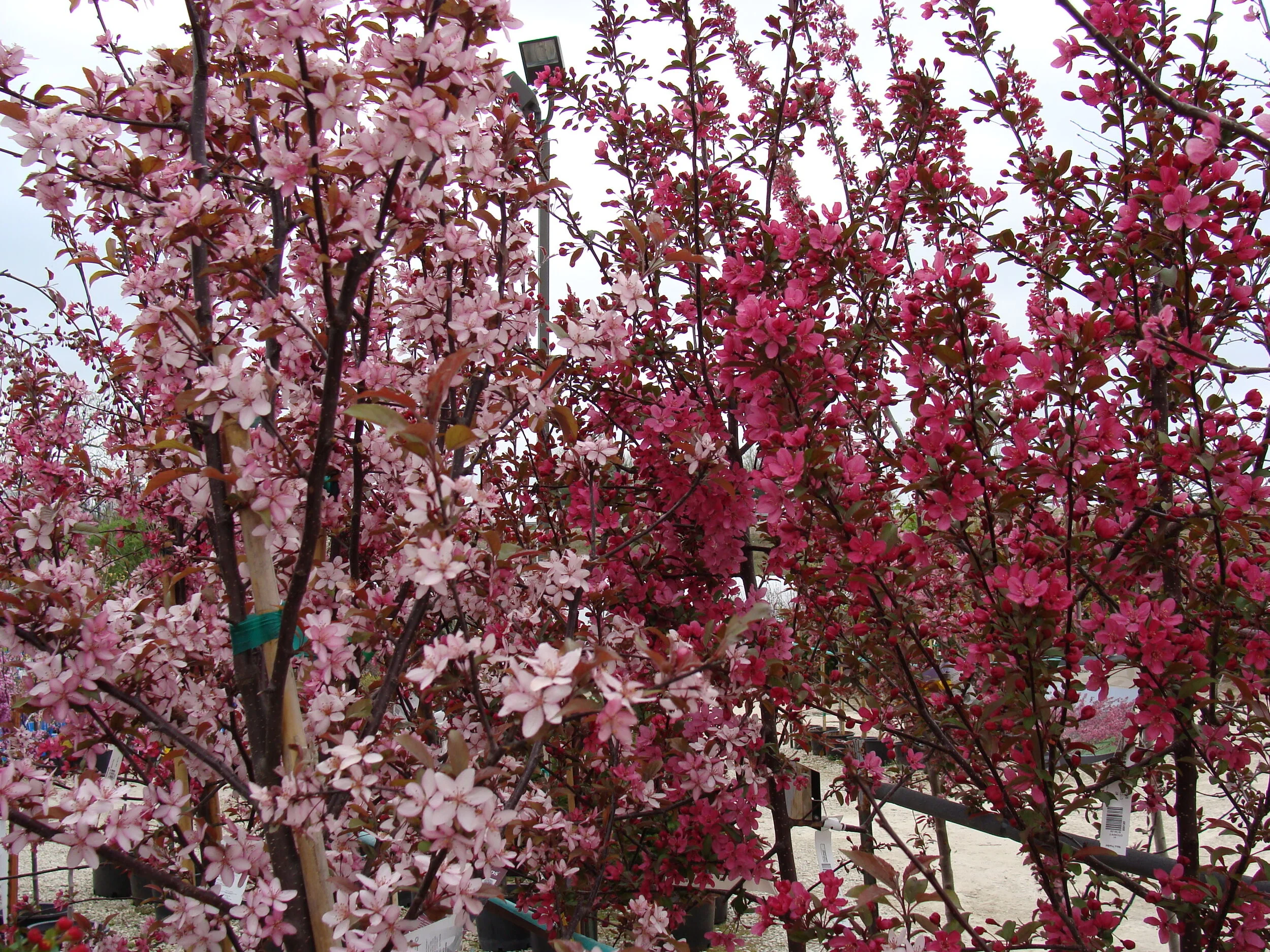
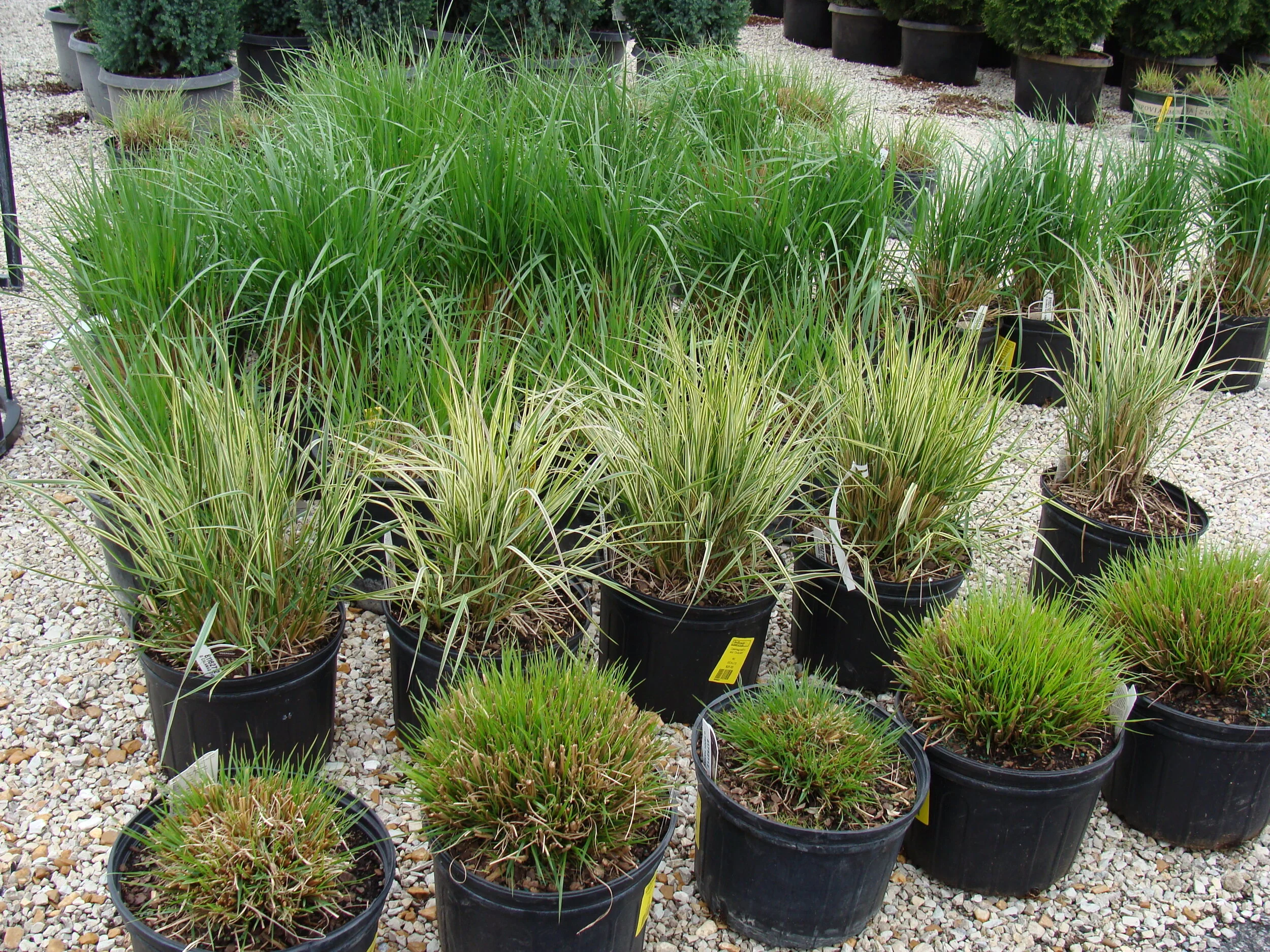
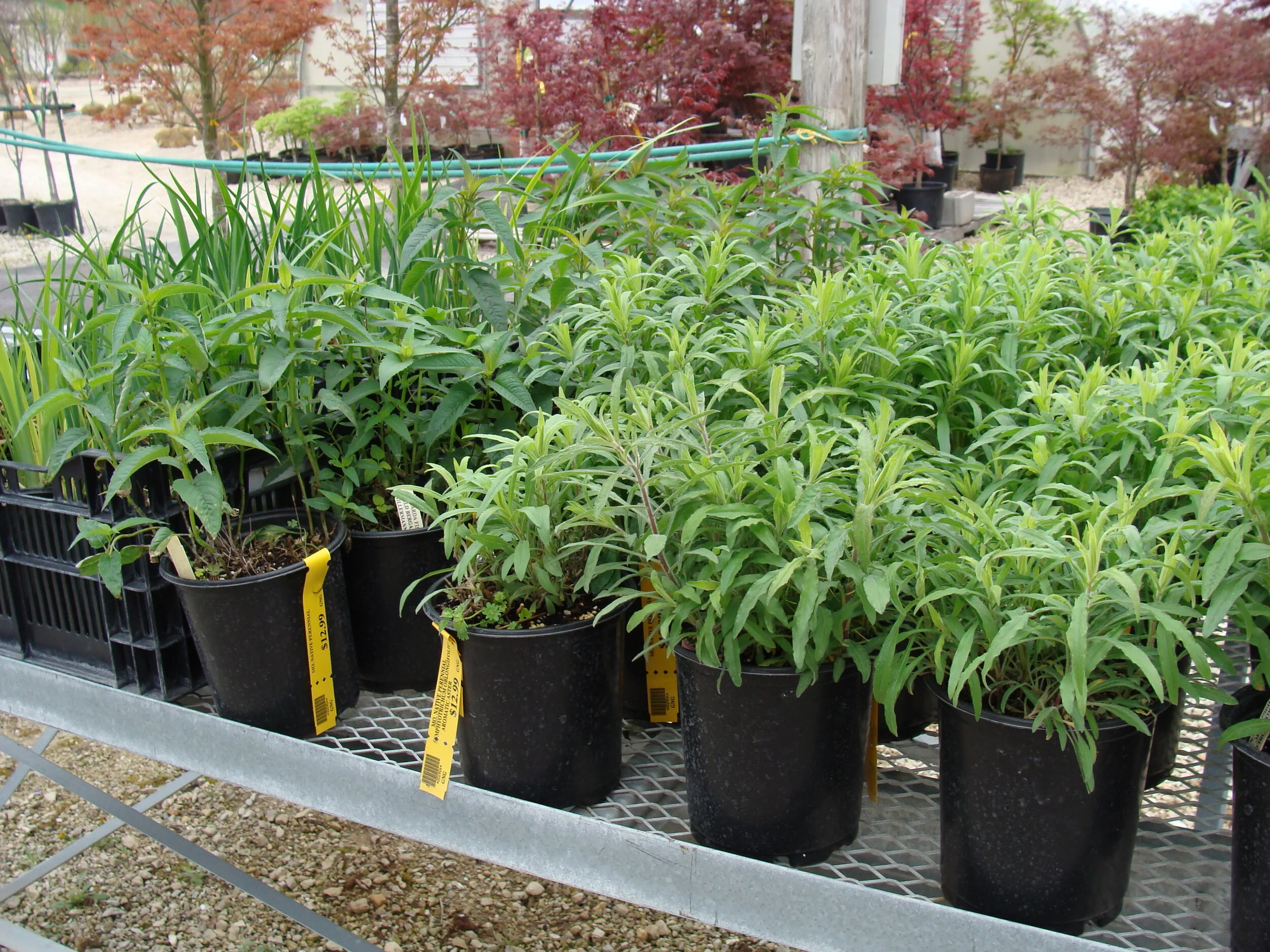
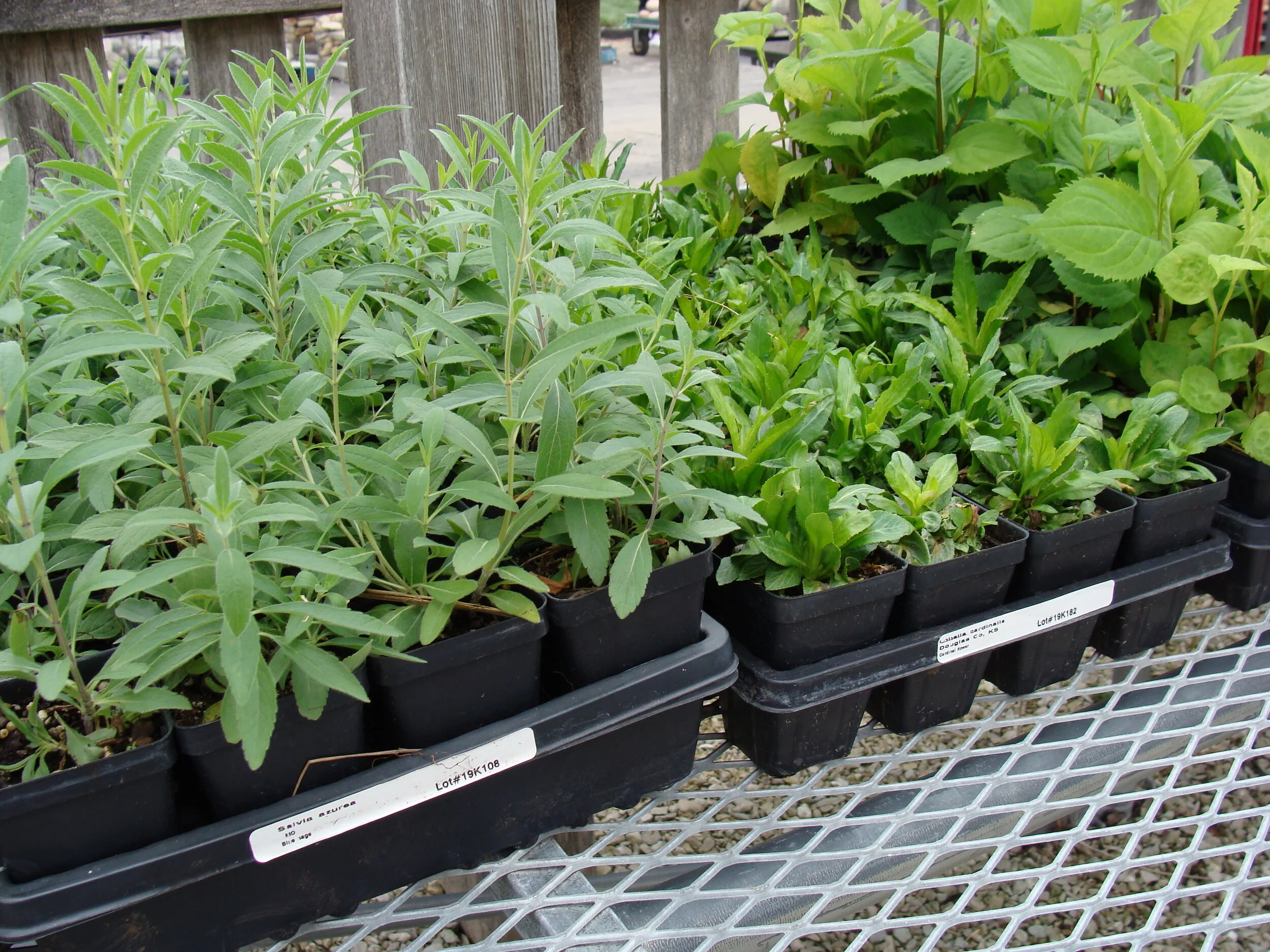
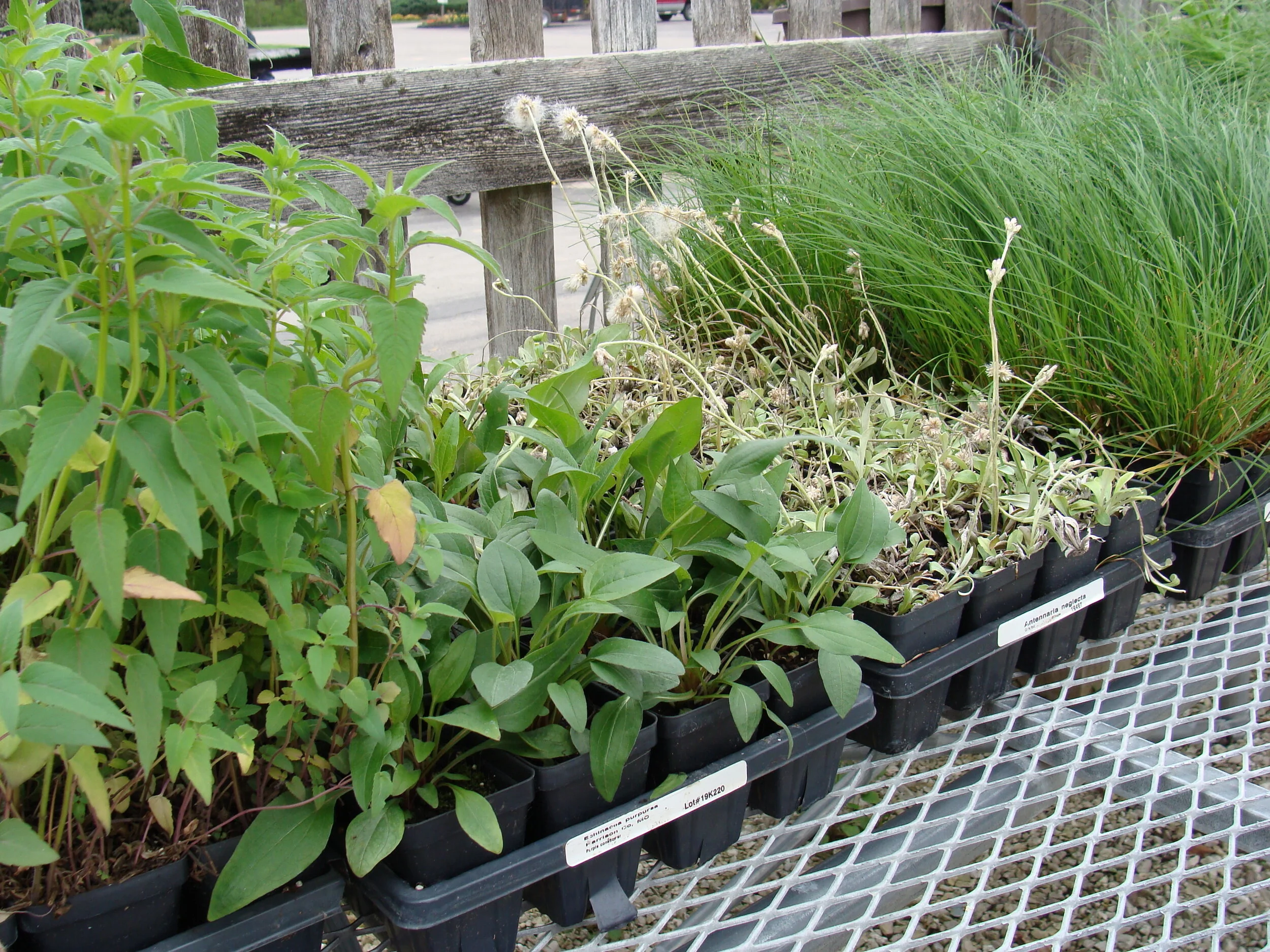
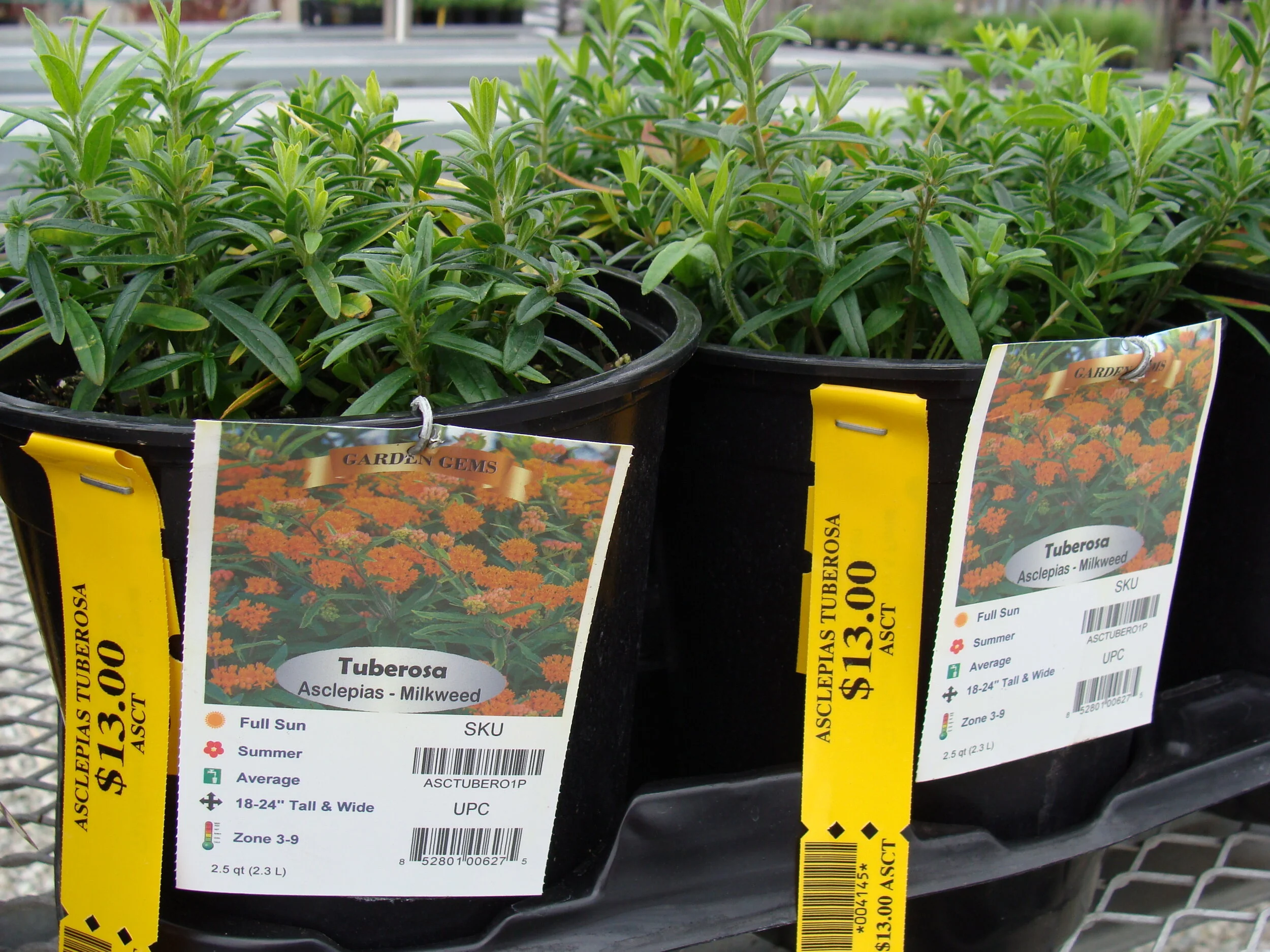
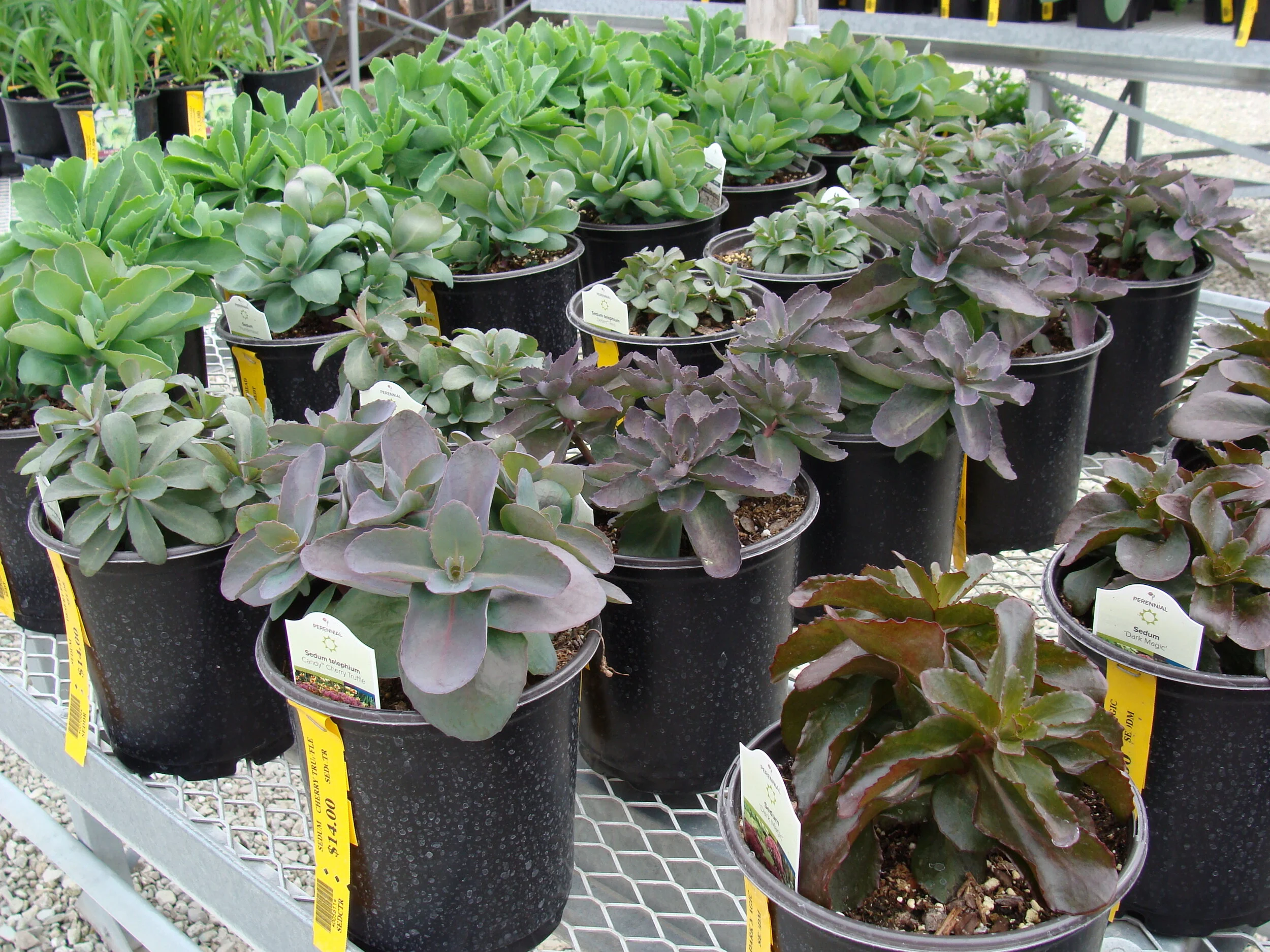
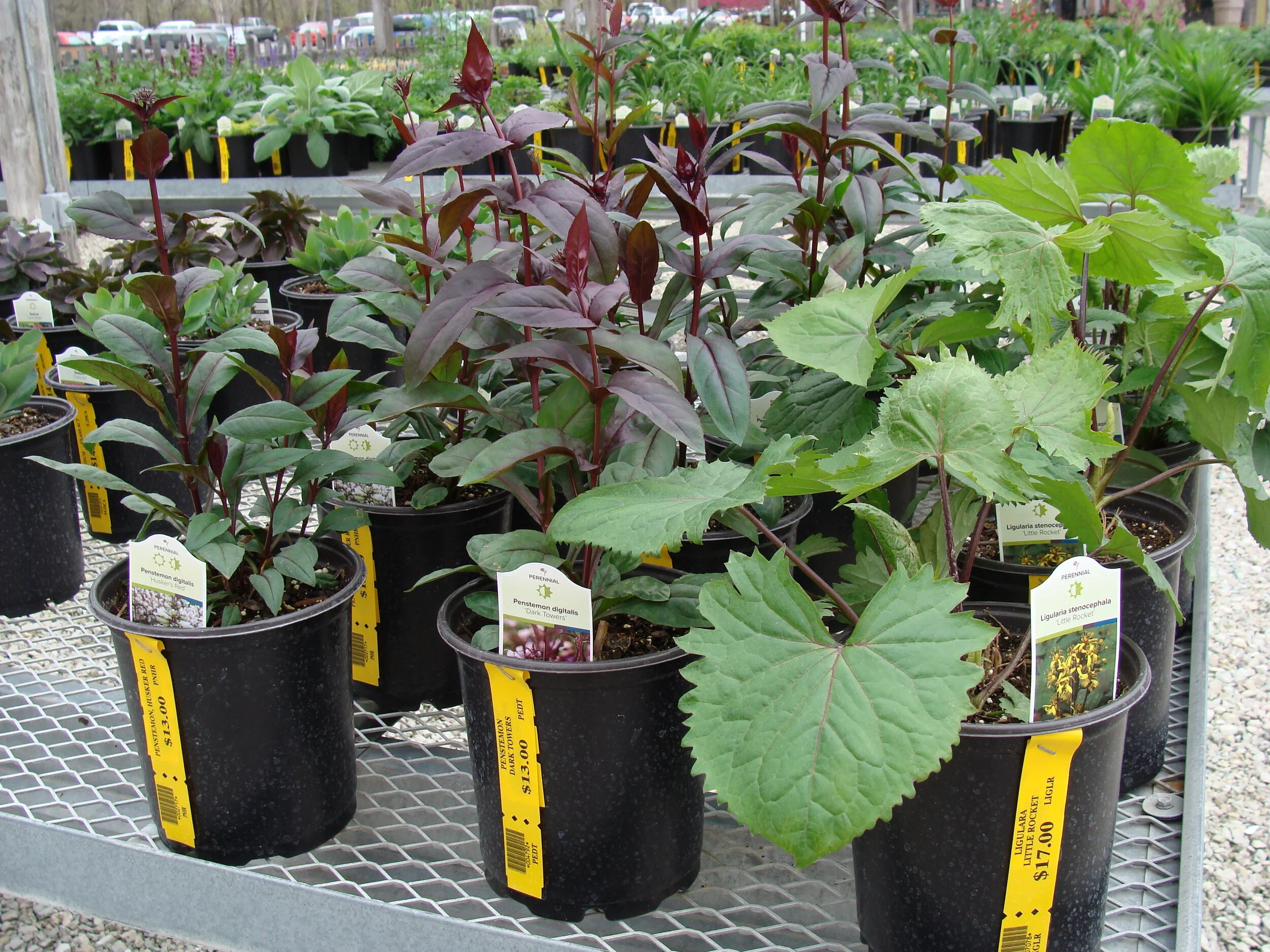
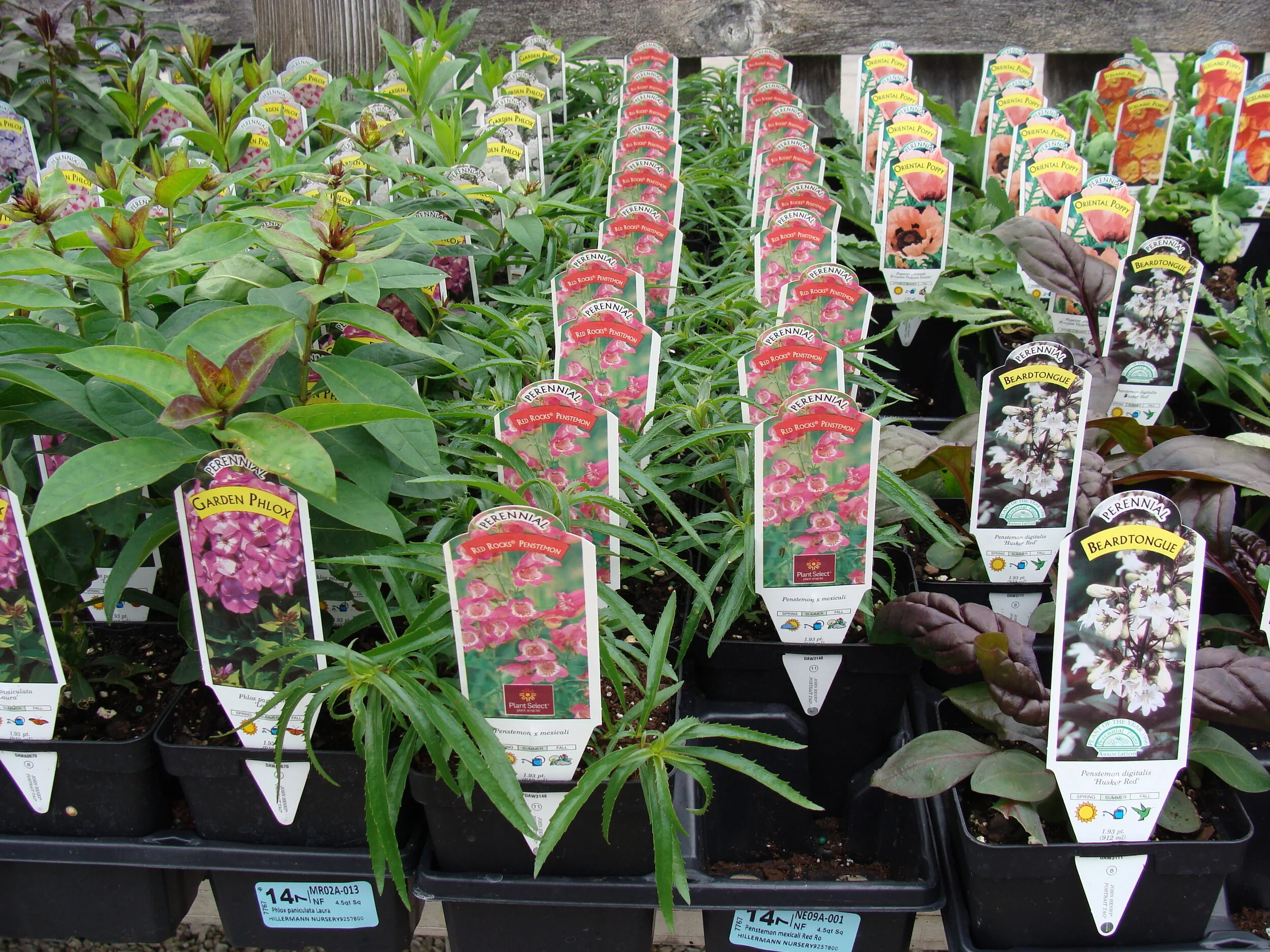
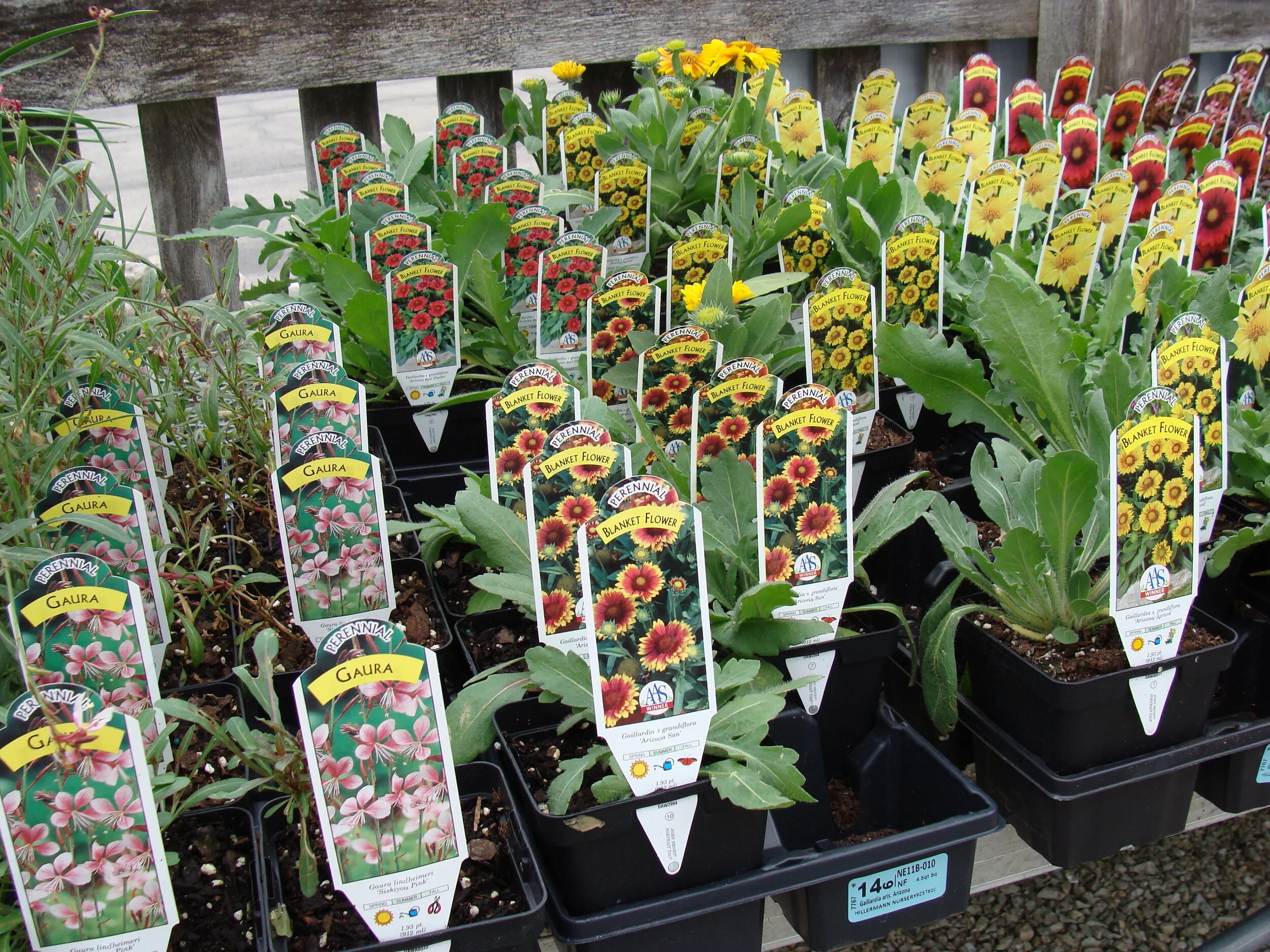
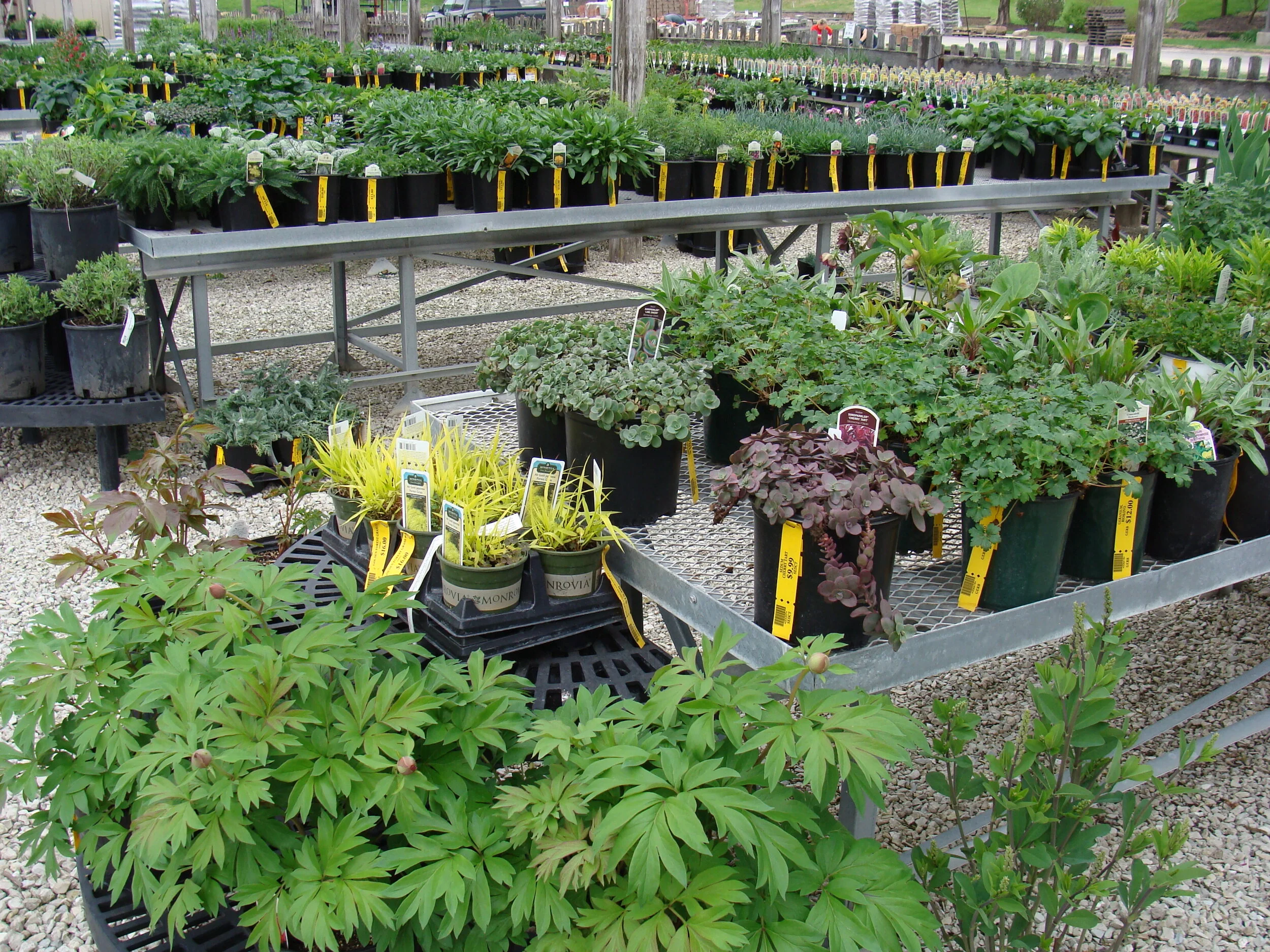
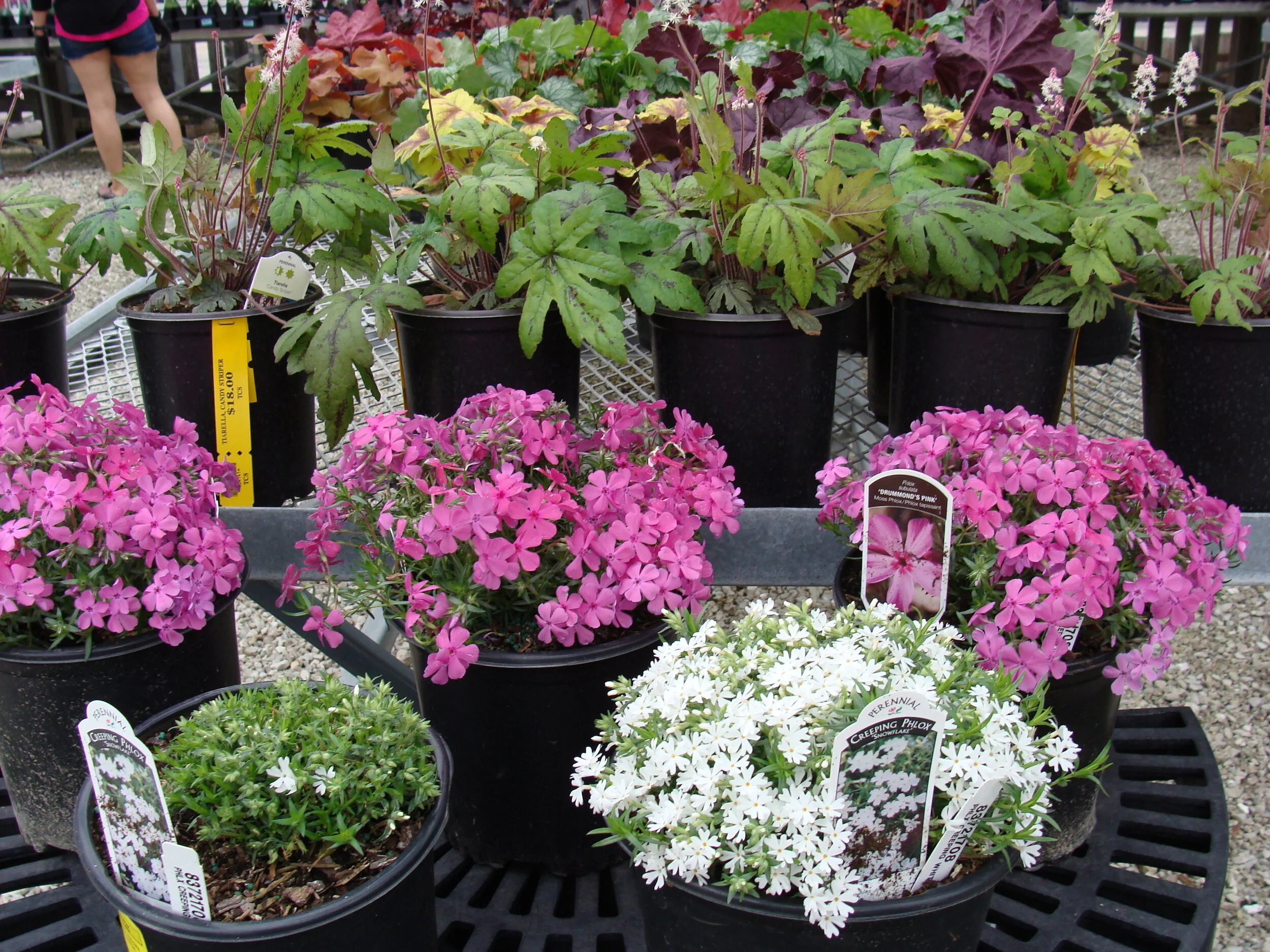
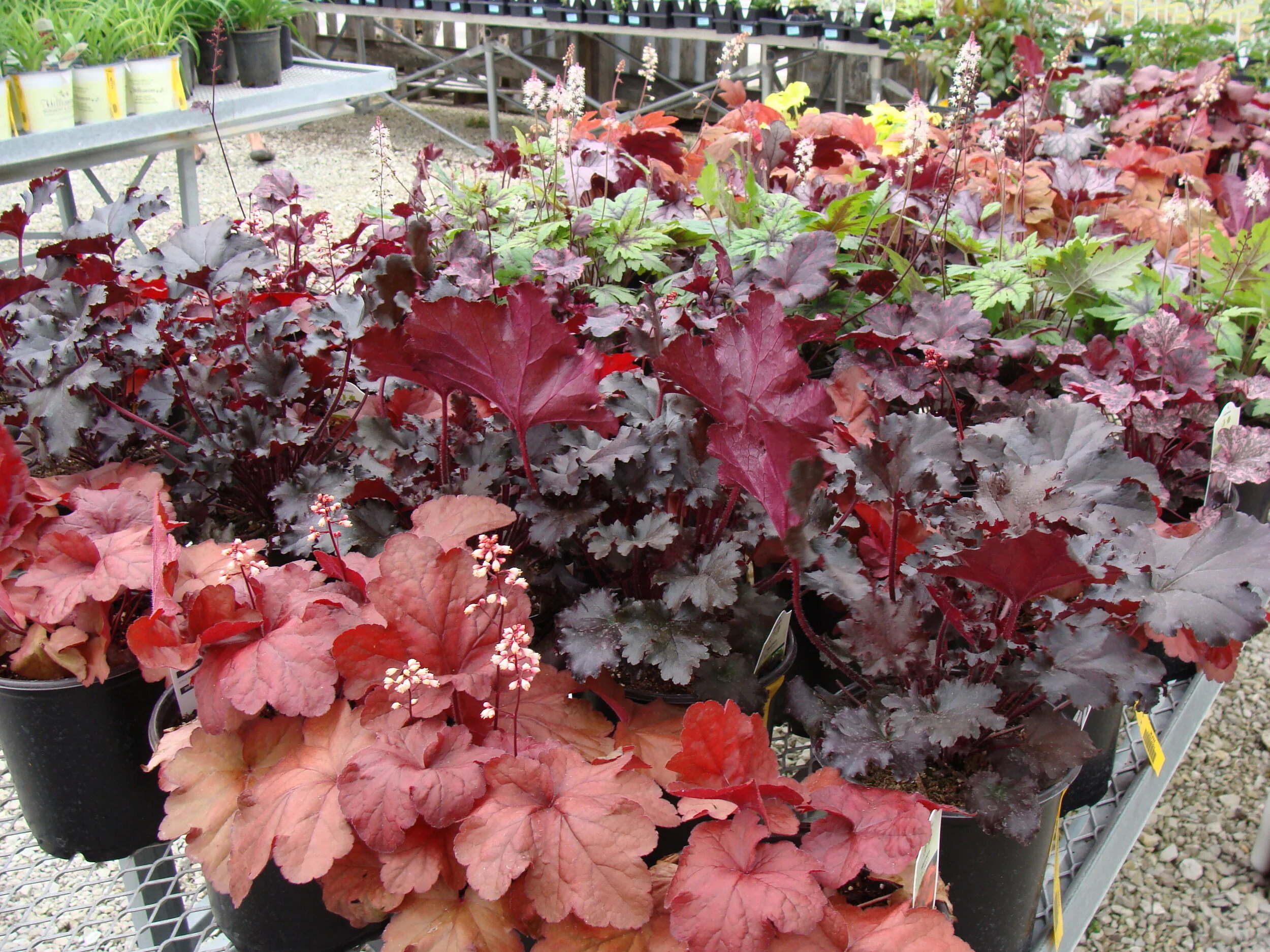
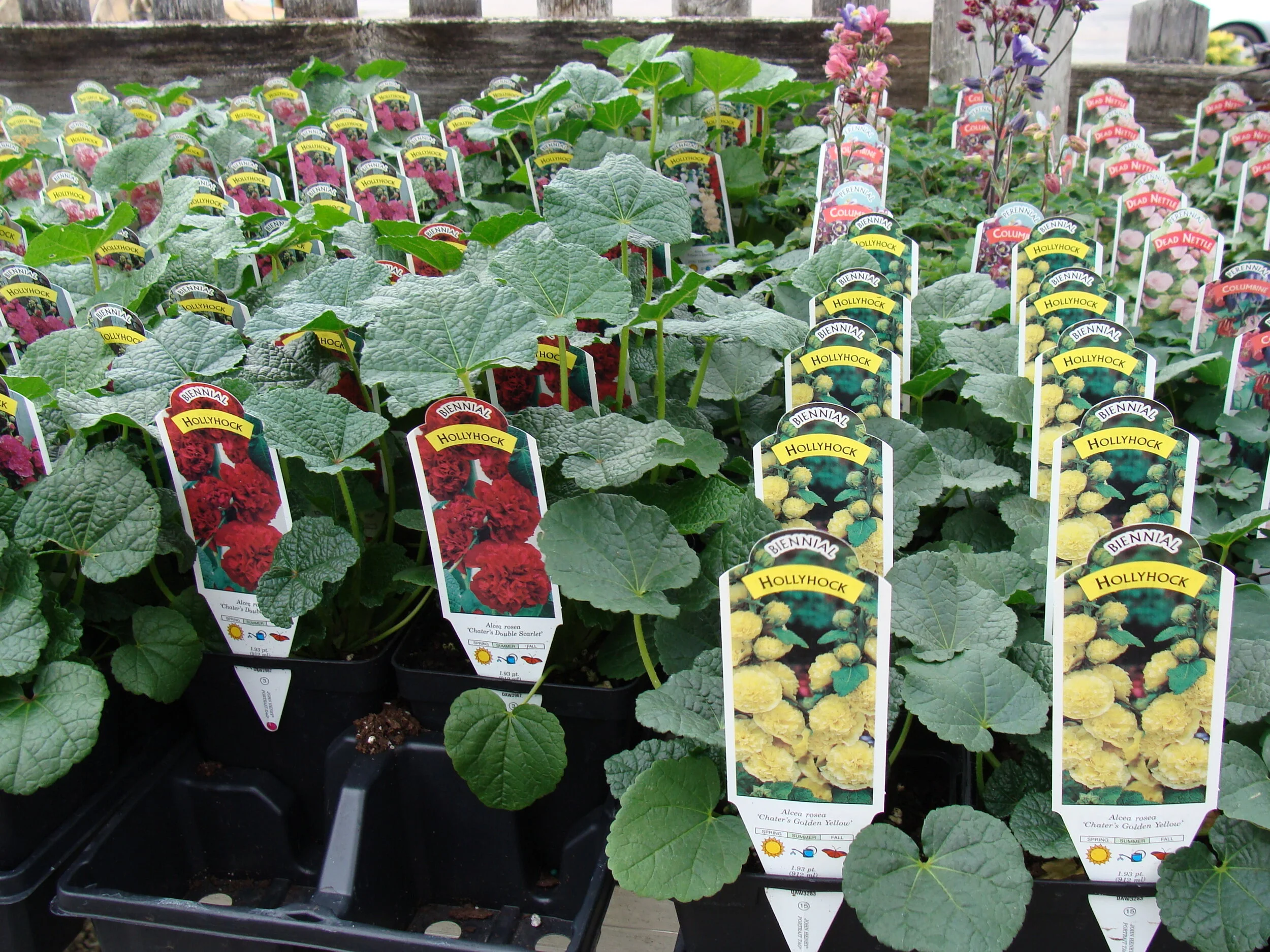
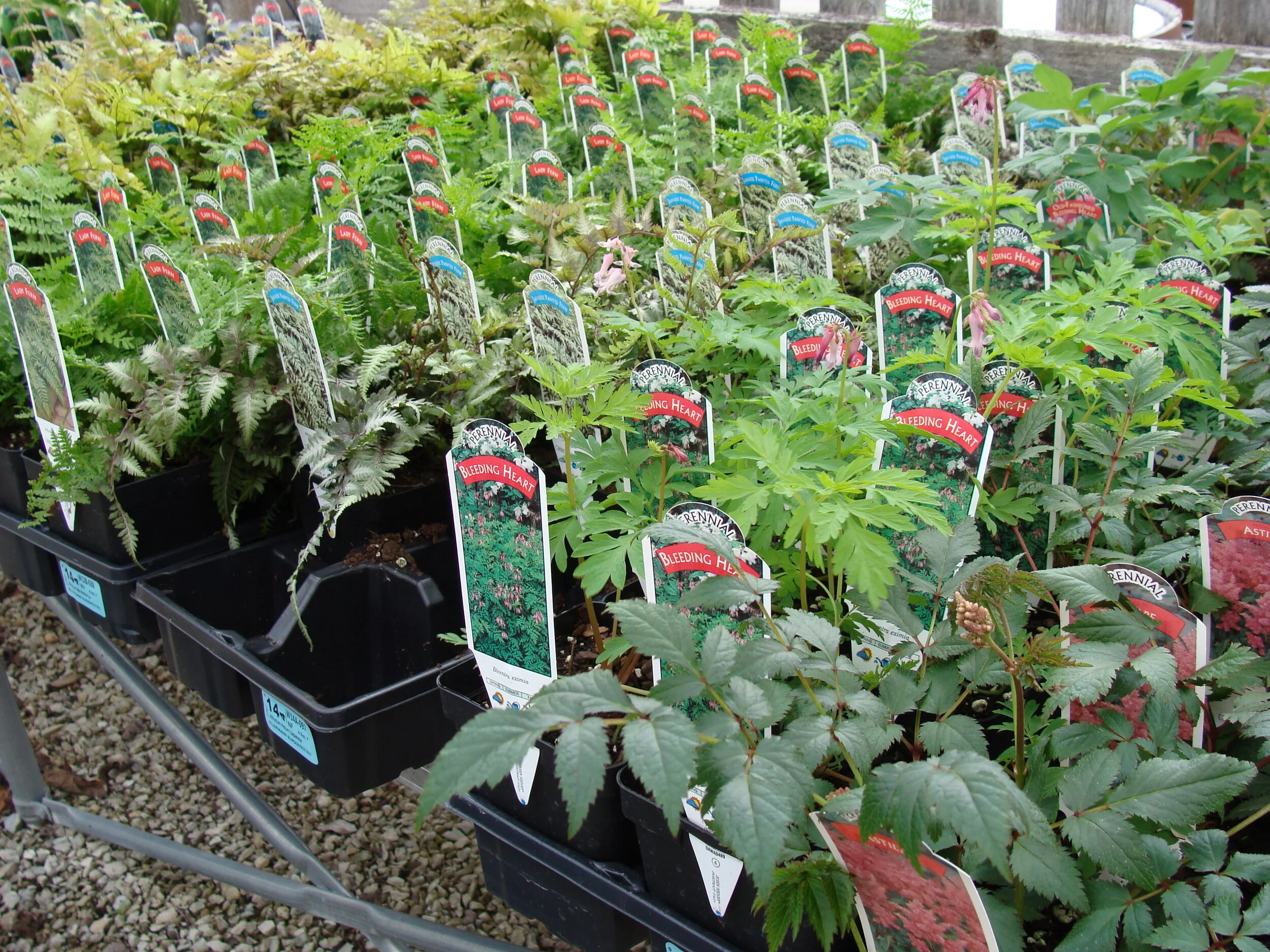
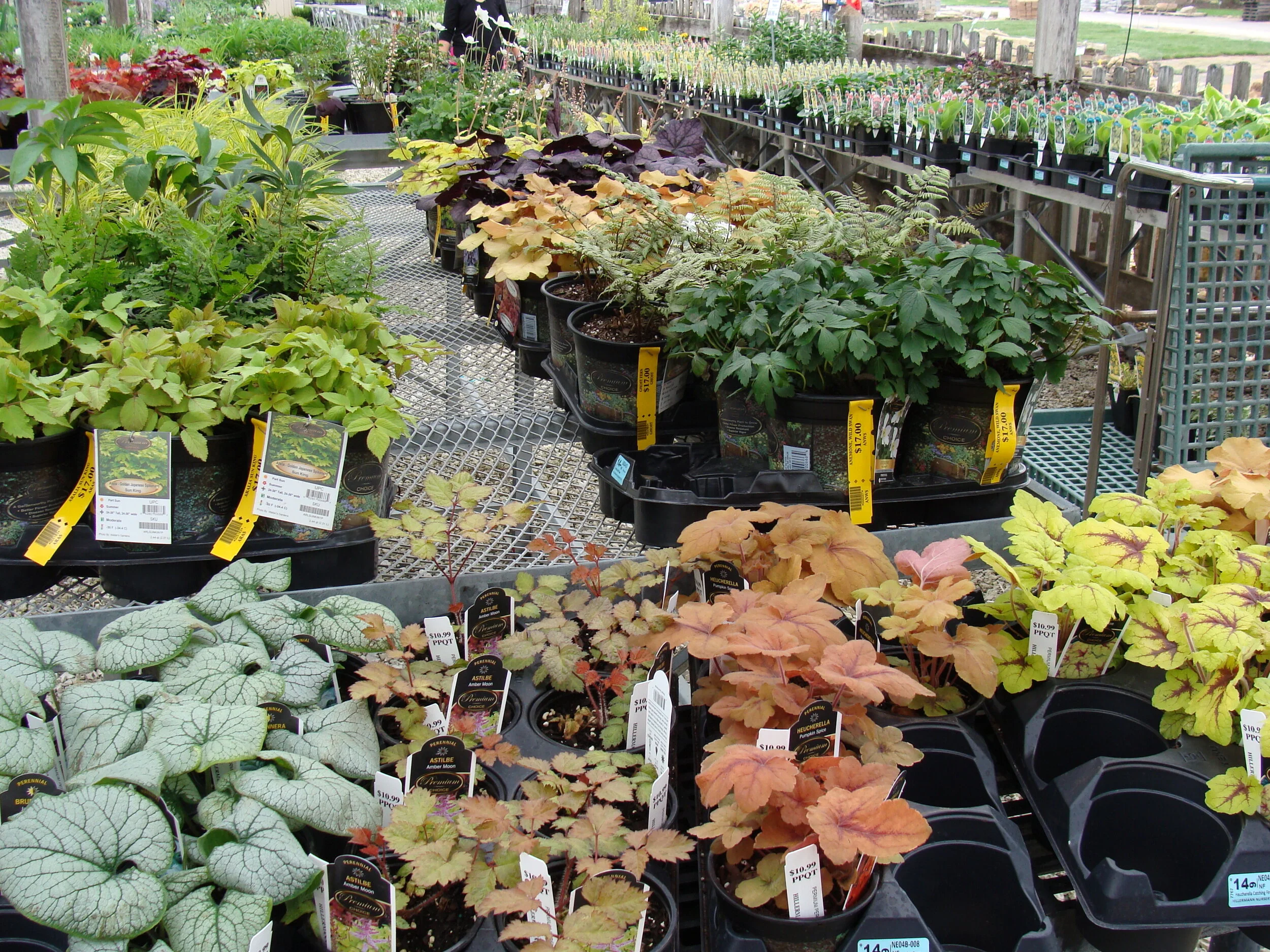
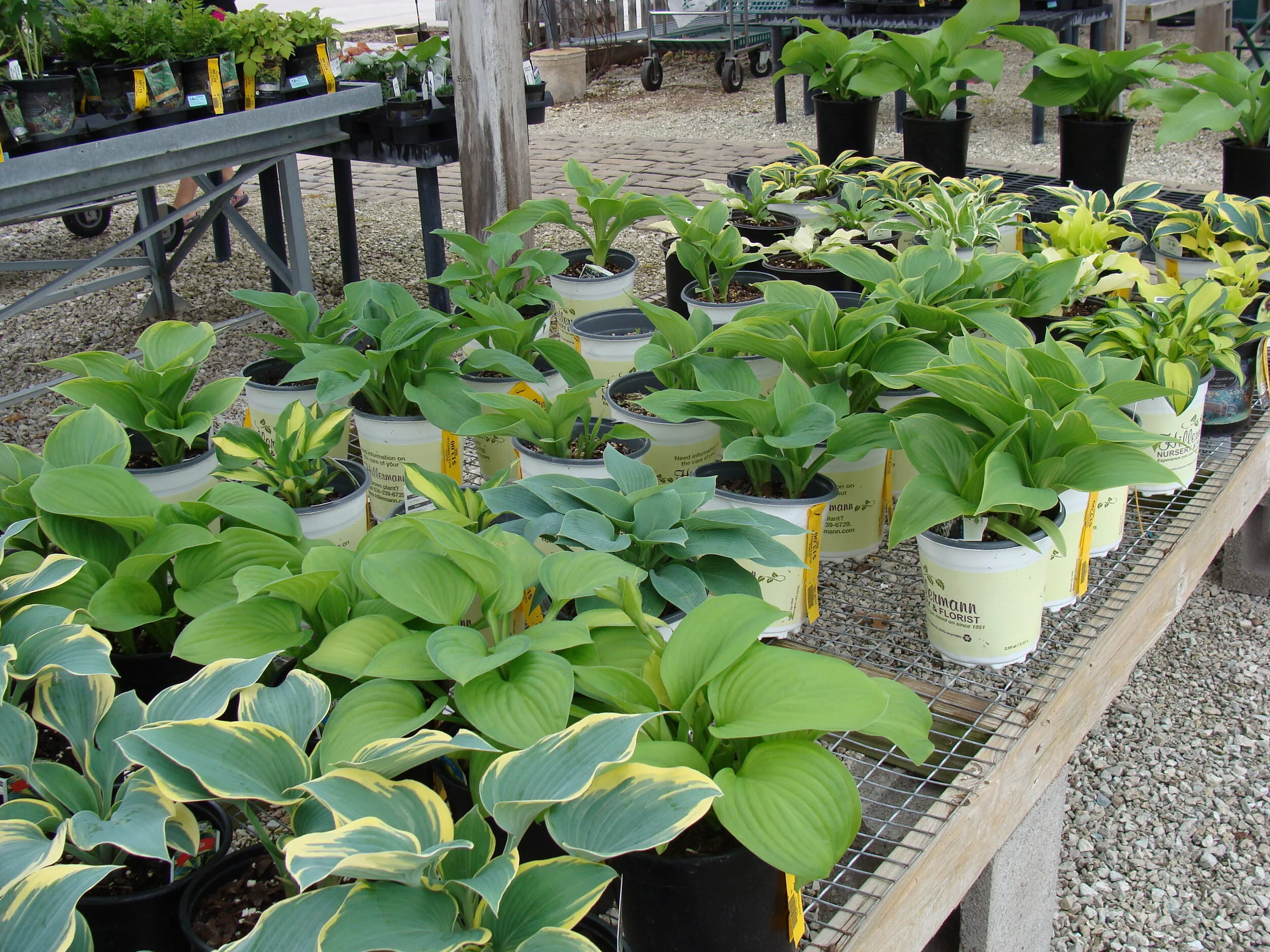
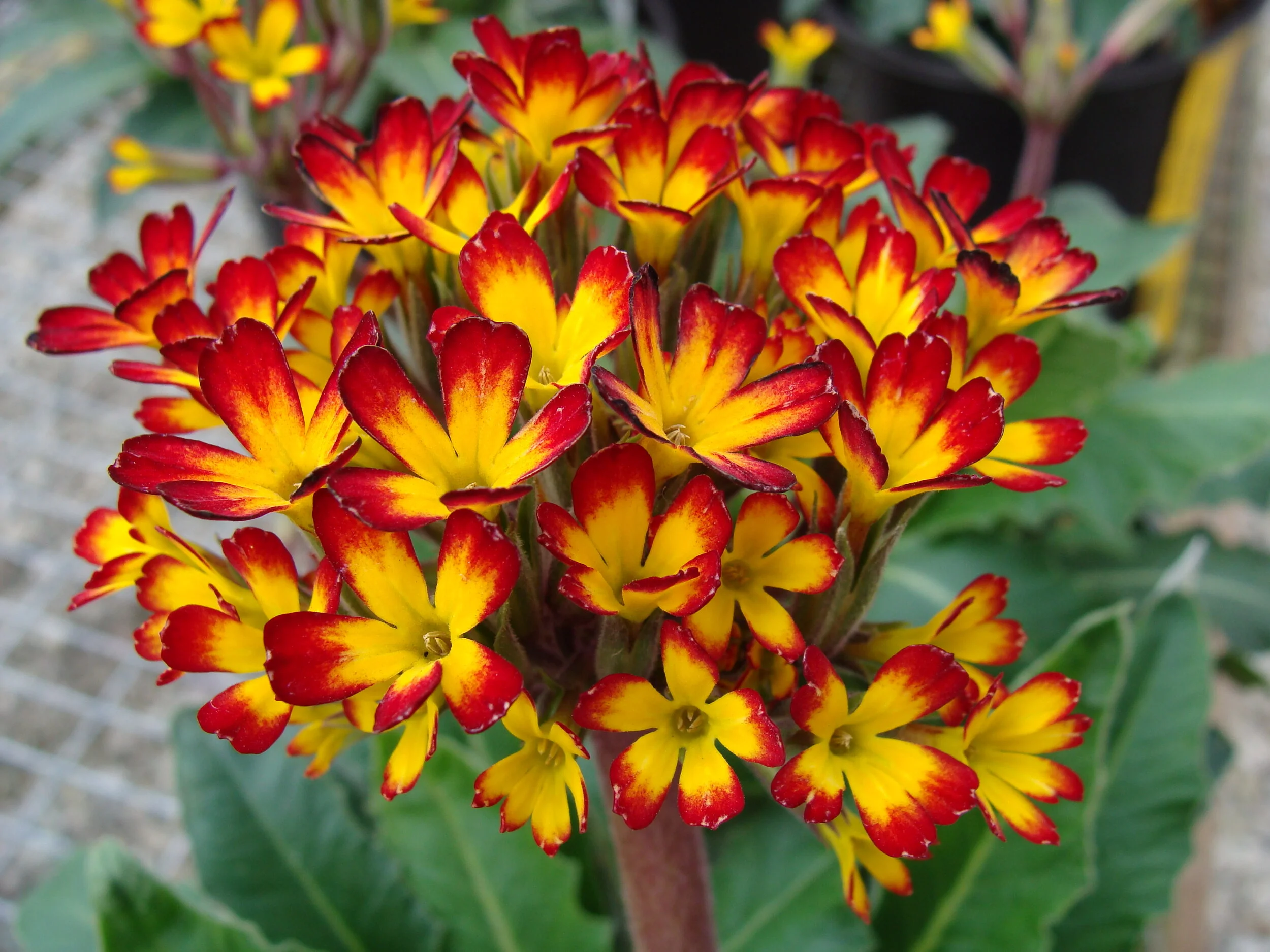
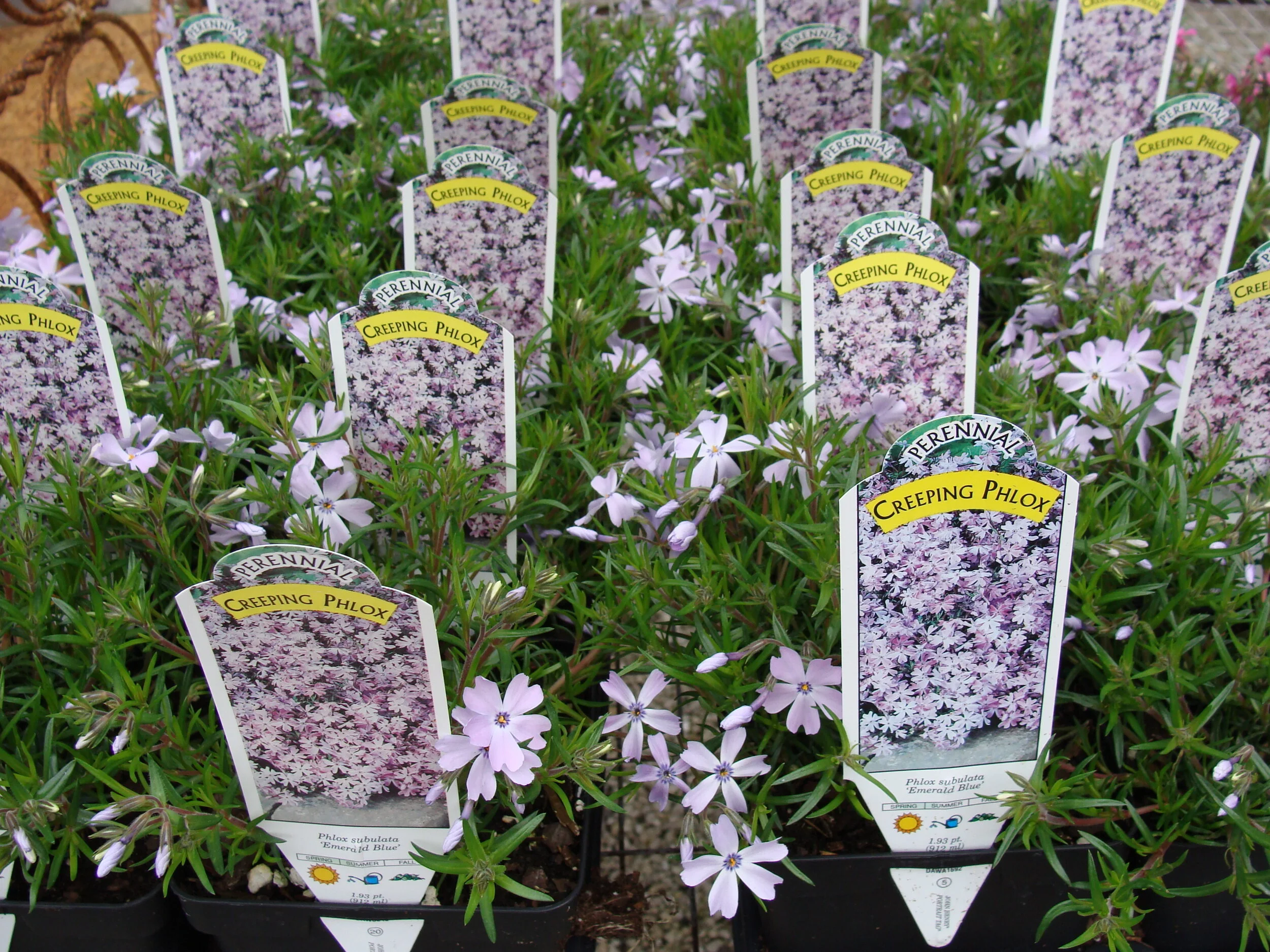
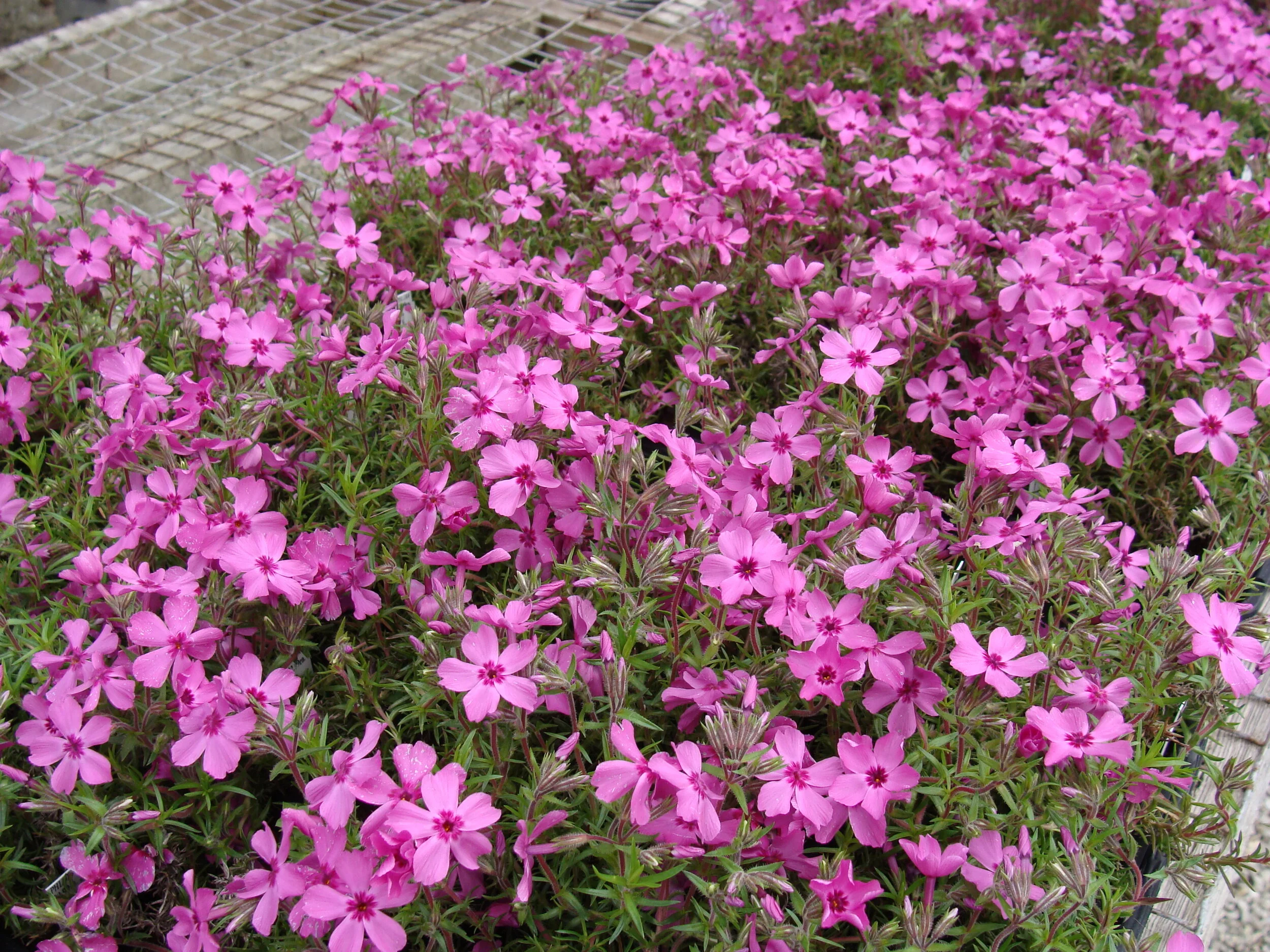
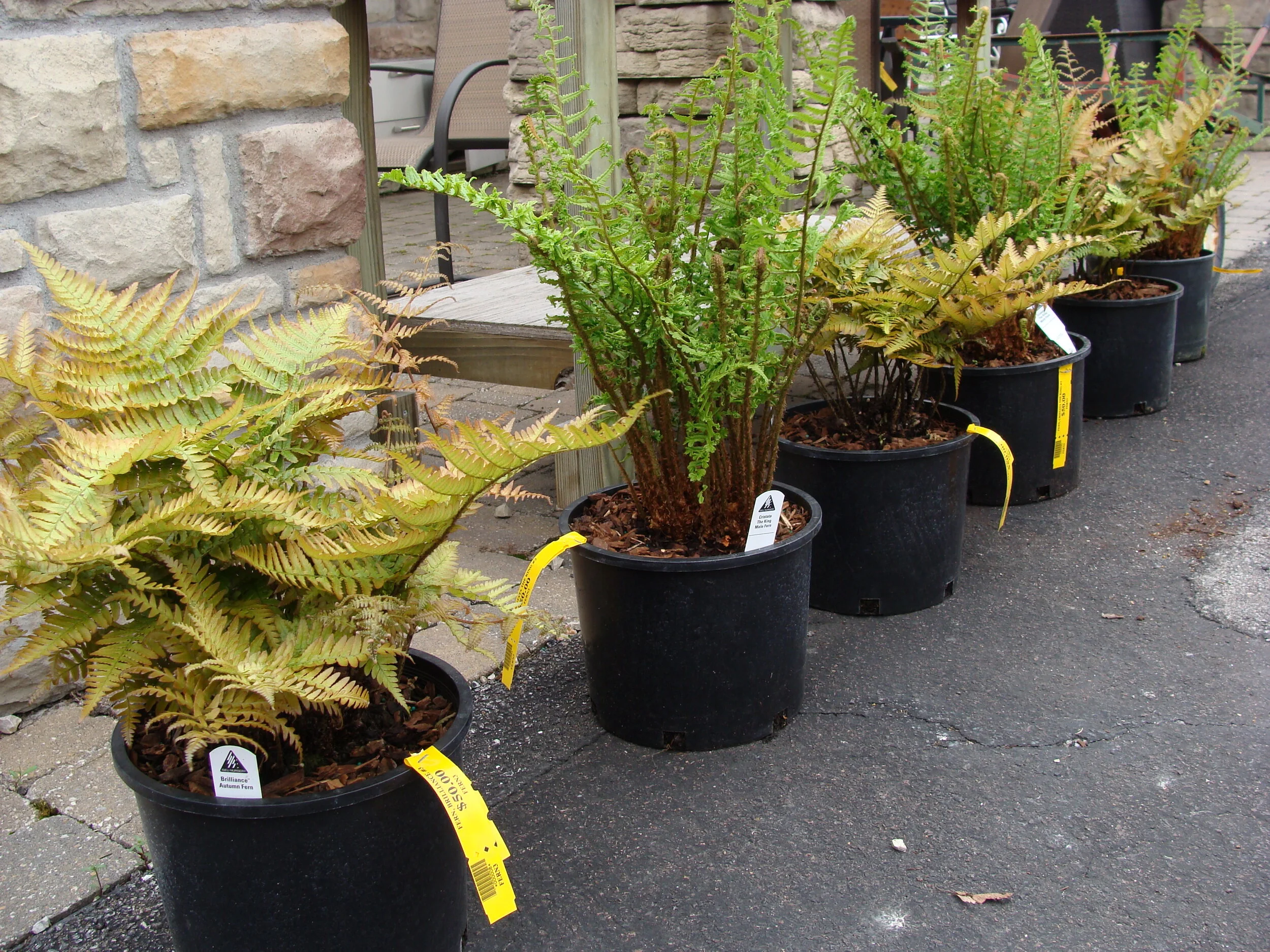
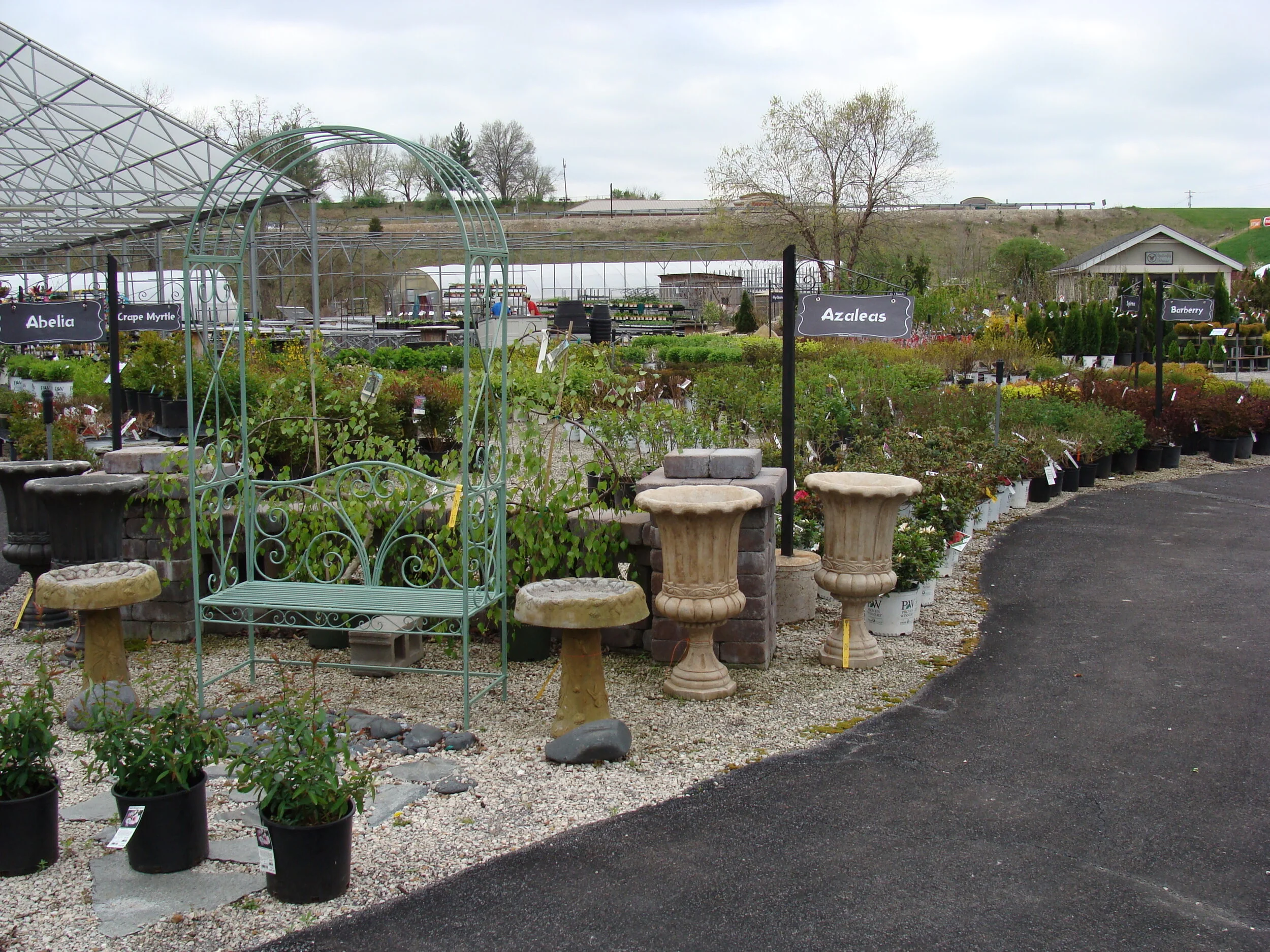
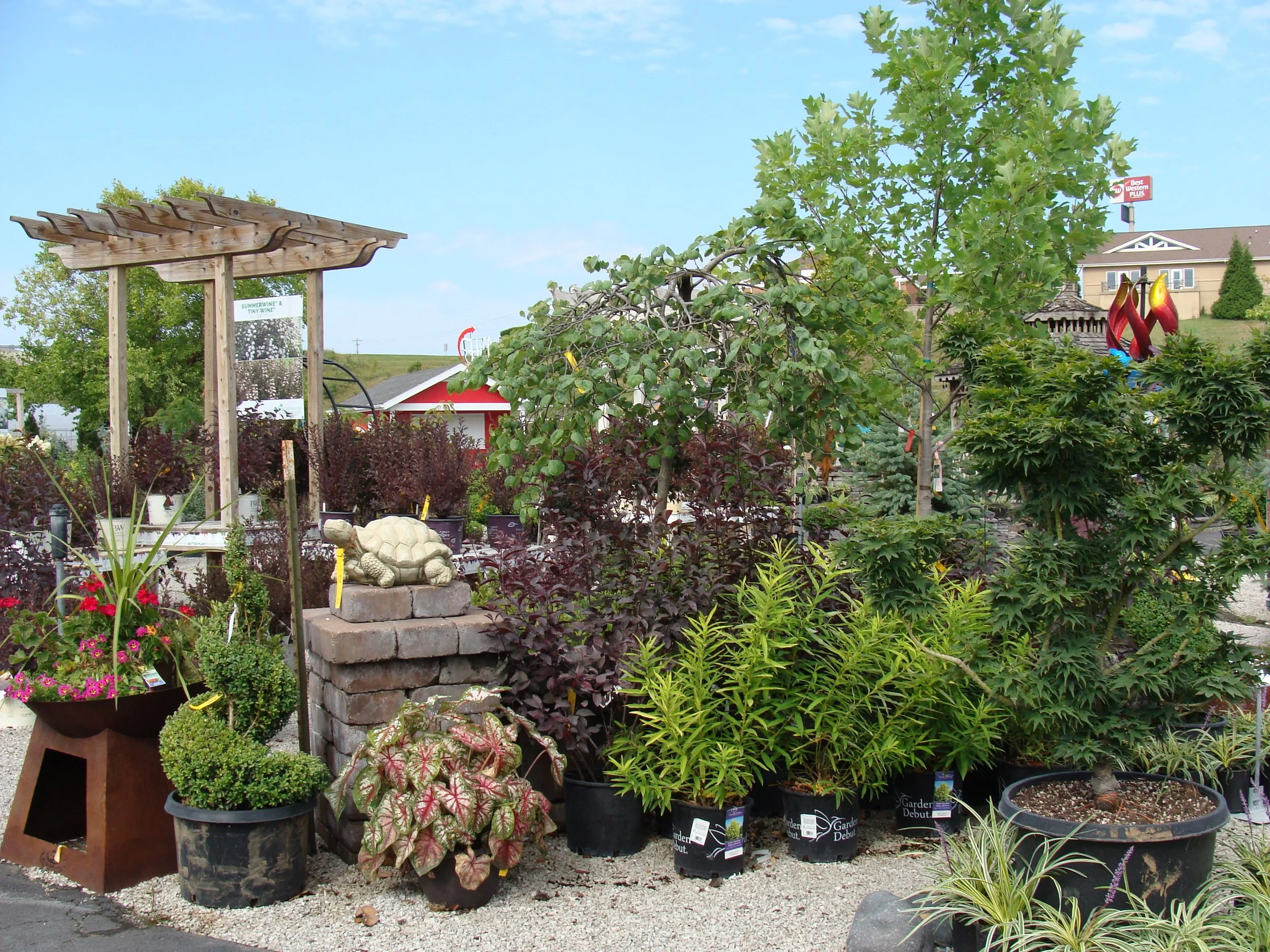
The nursery lot and greenhouse are getting fuller every day! You can shop our nursery and greenhouse areas using social distancing and pick out your favorites! See the pictures below for a sampling of new plant arrivals.

Tips for the Garden - April 2020

By Sandi Hillermann McDonald

            Vegetable gardening is making a comeback, and this new fascination is like the Victory Garden rage of yesteryear. Not just because of COVID-19, another contributor to this fascination is the fact that more and more people are concerned with what they put on the family table. When you grow it yourself, you control what goes in the soil and on the plants, and you get to pick a much broader selection of vegetable varieties. They taste a whole lot better home grown.
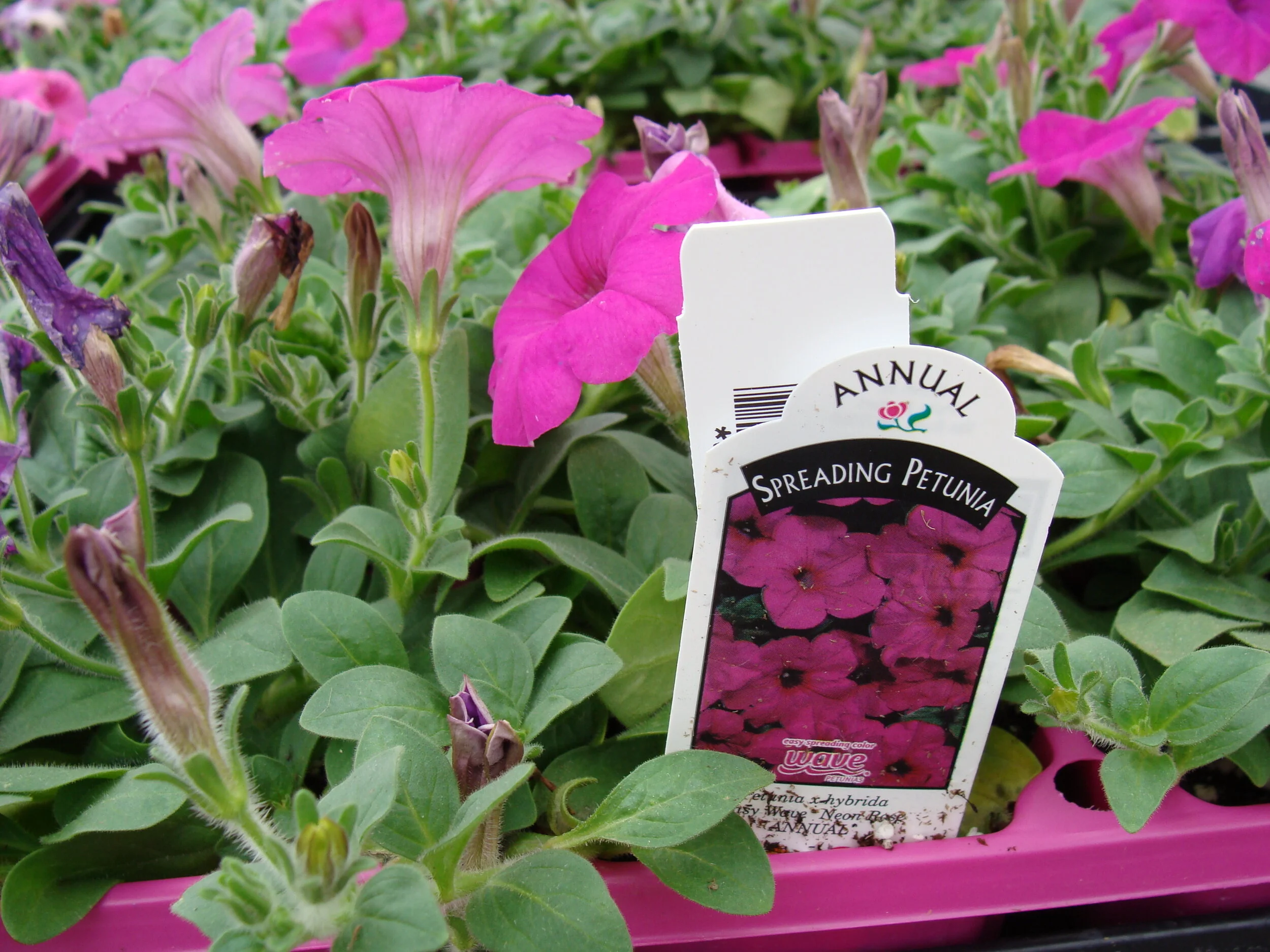
Tomatoes_On_Vine_w-c.jpg

            If you’re thinking of growing a vegetable garden this year, you are not alone. Start small and expand as your interest and time permit. No summertime garden is complete without tomatoes. Also, bush cucumbers will fit in small gardens, and so will the bush summer squash varieties. They can be planted in nontraditional garden areas like flowerbeds or as a small addition to the landscape. You can interplant lettuce plants with your impatiens and harvest them long before the impatiens covers the area. You’ll get some salad greens and kill two birds with one stone. Taking care of the impatiens ensures the lettuce is never neglected. In short, a vegetable garden can find its way into every area of your home’s landscape - whether it’s confined to its own area, combined into the annual or perennial gardens that you already have, or planted in containers on your deck or patio - it will provide the ultimate in fresh vegetable taste, and the safest vegetables you can produce for your family table.

hummingbird_OnFeederW.jpg

            Hang out your hummingbird feeders the first of this month. Use a solution of 1-part sugar to 4 parts water for the nectar. Change the solution frequently to keep it from fermenting. Food coloring is NOT needed, nor is it recommended for the birds. Asparagus and rhubarb harvest can begin!! Keep your hoe sharp. Start cucumber, squash, and cantaloupe and watermelon seeds indoors this month. The last week of April is a good time to try an early sowing of warm season crops in the garden such as green beans, sweet corn, etc. You can begin to plant transplants of tomatoes, eggplants, peppers, and sweet potatoes outdoors now. This can continue through the month of May. This is truly the year of the garden. So, reap your own harvest and enjoy the scrumptious flavors of your own produce. Remember, that Natural Gardening will keep your family safe, so check out what organic options are available to you! There are many.

Enjoy!  See you in the garden……
Sandi Hillermann McDonald