
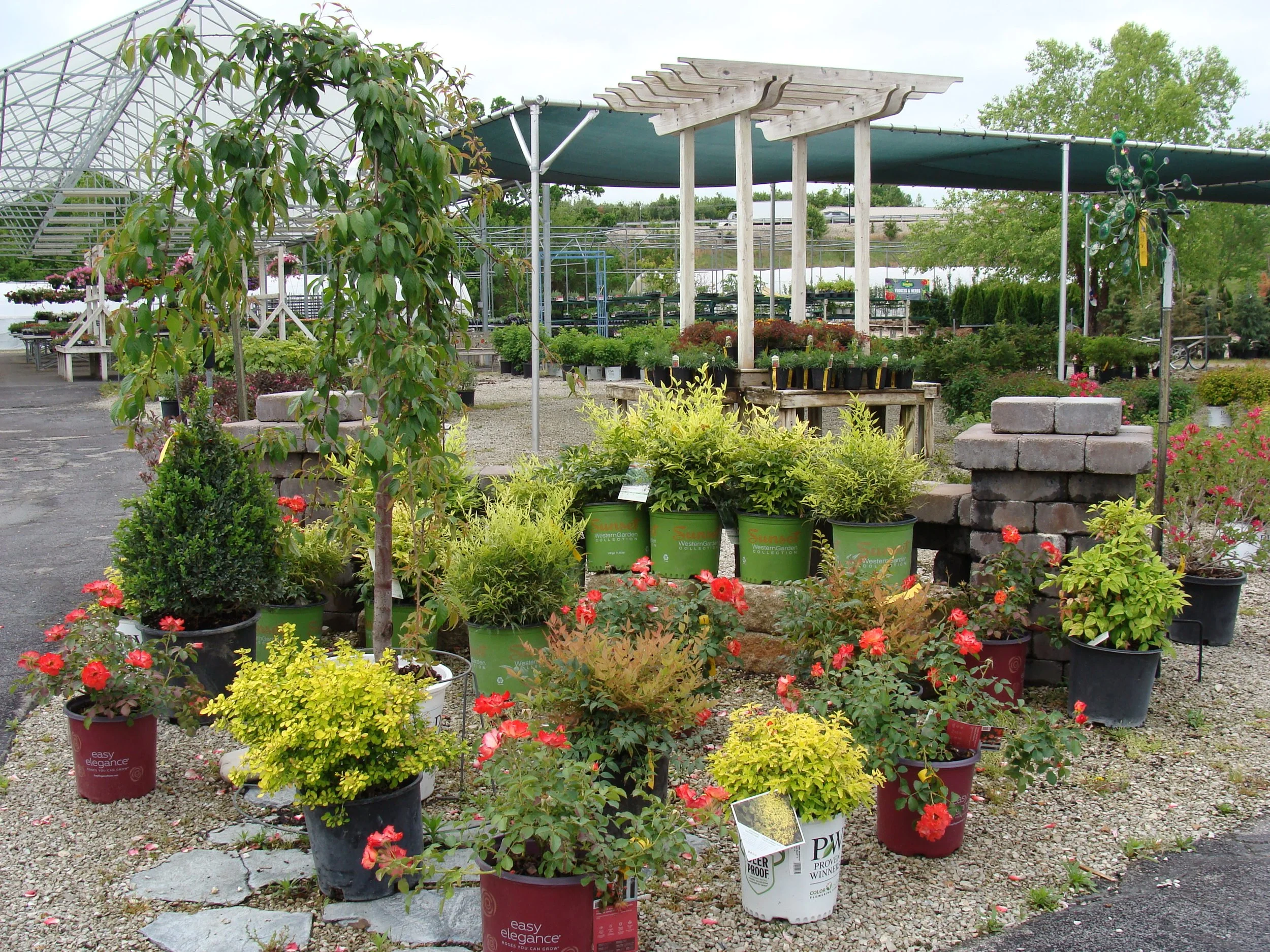
Blue Jay Favorites



Tips for the Garden - January 2022

Attracting Birds to your Neighborhood
There are a number of ways to attract birds to your garden, from planting native plants to providing safe stopover areas for them to eat, drink and nest.
• Provide water year-round - A simple birdbath is a great start. Change water every 2-3 days in summer and use a heater in the winter. Place the water container about 10 feet from dense shrubs or other cover that predators may use.
• Install native plants - Select a variety of native plants to offer year-round food in the form of seeds, berries, nuts, and nectar. Try to recreate the plant ecosystem native to your area. Evergreen trees and shrubs provide excellent cover through all seasons, The Lady Bird Johnson Wildflower Center as well as the St Louis Audubon Society has lists of recommended native plants by region and state.
• Eliminate insecticides in your yard - Insects are the primary source of food for many bird species and are an important source of protein and fats for growing juvenile birds.
• Keep dead trees - Dead trees provide cavity-dwelling places for birds to raise young and as a source to collect insects for food. Many species will also seek shelter from bad weather inside these hollowed out trees.

• Put out nesting boxes - Make sure the boxes have ventilation holes at the top and drainage holes below. Do not use a box with a perch, as house sparrows are known to sit on a nesting box perch and peck at other birds using the nesting box. Be sure to monitor the boxes for invasive animal species known to harm or out compete native species.
• Build a brush pile in a corner of your yard - Start with larger logs and top with smaller branches. Some birds will hunt, roost or even nest in brush piles.
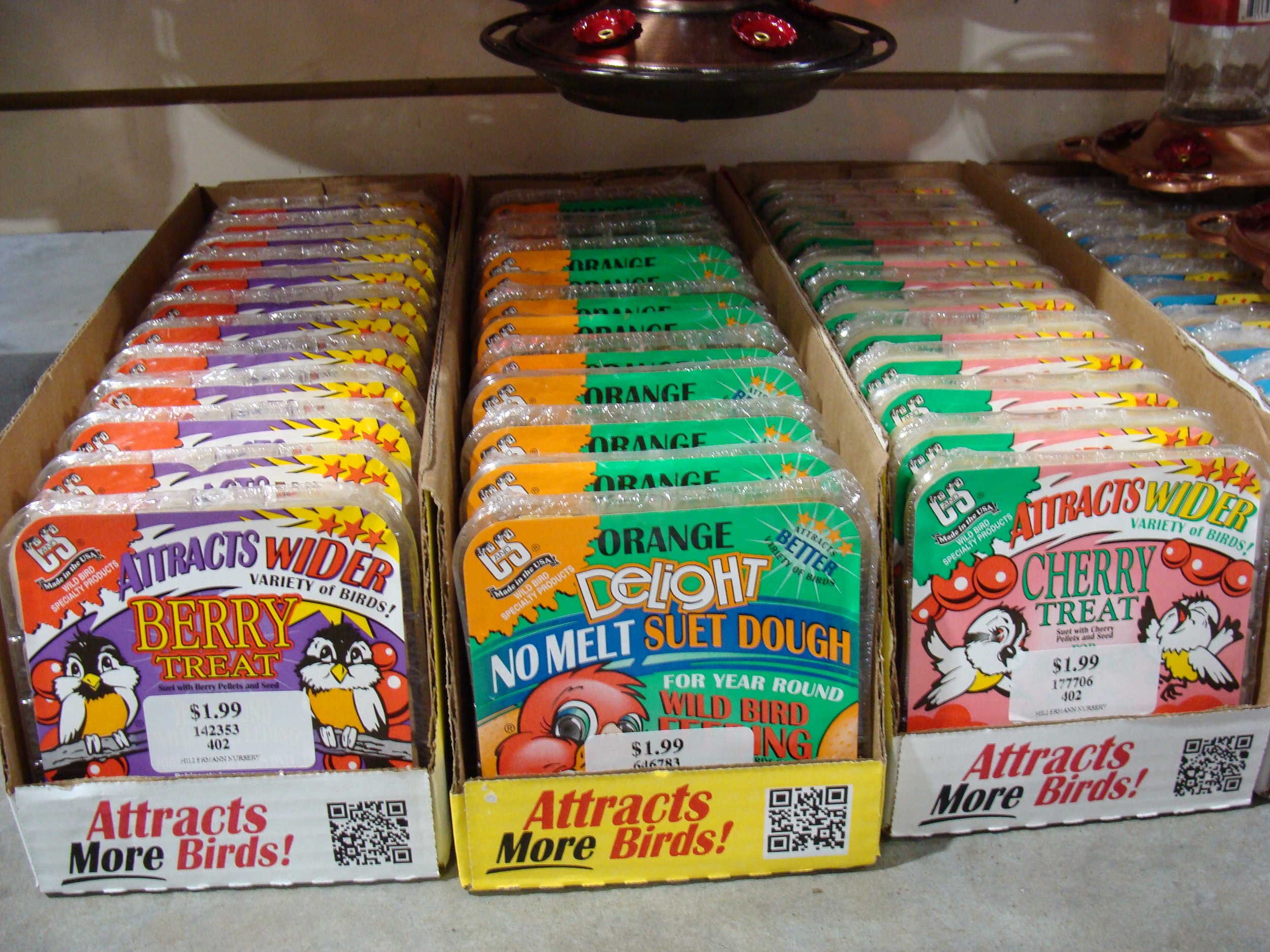
• Offer food in feeders - Bird feeders are great sources of supplemental food during times of food scarcity, and also enhance bird viewing opportunities. Wintertime is beneficial for this, as natural sources of pods and seeds become scarce.
• Remove invasive plants from your wildlife habitat - Many invasive plants out-compete the native species favored by birds, insects and other wildlife. Check with your local U.S. Department of Agriculture Cooperative Extension System office for information on plant species to avoid.
• Reduce your lawn area - Lawns have little value to birds or other wildlife, and they require more energy for mowing, applying fertilizers and watering.
See you in the garden,
Sandi
Bird of the Week - Northern Cardinal

Basics: Male Cardinals are easily spotted by their red plumage while female cardinals have lovely red highlights in their fawn colored feathers. A pair of cardinal remains together year round. So if you see one, look closely for its mate, as it will probably be nearby. Generally, one of the pair keeps a lookout while the other feeds.
Housing: Enclosed housing may not be appealing to this species. Platform housing is best for Cardinals. The planting of thick berry producing plants and evergreens are also very beneficial for this species to roost and nest in.
Food: Black Oil Sunflower seeds, and safflower seeds are two of their favorite foods!
How to attract: Provide food, water, shelter, and nesting sites
Fact: Keeping warm bodies is a number one priority during winter, a snug place to roost overnight is just as important as a full belly.
Tip: Choose larger, heavier feeders that will not sway, or placing feeders on sturdy poles rather than hanging them to provide more stability when cardinals are feeding.
Tips for the Garden - December 2021

The month of December brings the holiday season and warm thoughts of family, friends and community. I would like to say “Thank You” and wish you and yours a “Blessed Holiday Season” with all the best in the New Year!
Fall will turn into winter this month. It may not always be the most comfortable time to be planting anything in your landscape, but it is a great time for the plants. Trees and shrubs are completely dormant now, so the concept of transplant shock does not apply. So, tree planting especially can continue during this month. And I’m sure special pricing can be found!
Plants get “chapped lips” too. Cold, dry winter winds and bright winter sun make our skin chapped and unhealthy. No wonder your evergreens don’t look so great come spring. This drying effect is called desiccation. To fight desiccation, choose the right plants for windy, dry areas. Make sure to water your evergreens well through early December, before the ground freezes. Mulch your plants for winter to retain soil moisture as well as soil temperature. Use an anti-desiccant like Wilt Stop. These products coat leaves and needles to slow down the loss of moisture.

Here are a few tips on winter houseplant care. When the heat goes on and the daylight becomes shorter, the best light source is the brightest source in your house. Day light is short this time of year, so direct light will NOT burn plants this time of year. The ideal temperatures for foliage plants are 68-70 degrees. Remember, windowsill locations are much colder during the winter and plants may need to be moved to prevent them from getting chilled. The amount of water the houseplants need declines during winter, so increase the amount of time between watering. Reduce fertilizing as well.
Here are a few other ideas for the month:
• Use caution when spreading salt or calcium on ice or snow packed walks or driveways. Salt can damage lawns and plantings; calcium is much safer to use. Be sure to designate areas for piling snow from shoveling and plowing in advance to prevent damage to trees, shrubs and lawns.
• Continue to feed our fine feathered friends and place heated birdbaths with fresh water out for them.

Again, I wish you and your family a very Blessed Christmas season. Let’s get to work on planning that beautiful garden scene for next year!
See you in the Garden…
Sandi Hillermann Mcdonald
Tips for the Garden - November 2021
Attracting Birds to your Neighborhood
The Missouri Department of Conservation stresses the decline of songbirds in our area. Nature needs our help as the nesting areas for songbirds is diminishing. These beautiful birds are a great insect removal system for us! Keeping things organic and safe are of utmost importance.
There are a number of ways to attract birds to your garden, from planting native plants to providing safe stopover areas for them to eat, drink and nest.

Provide water year-round - A simple birdbath is a great start. Change water every 2-3 days in summer and use a birdbath heater in the winter. Place the water container about 10 feet from dense shrubs or other cover that predators may use.

Then, install Natives Plants-- Select a variety of native plants to offer year-round food in the form of seeds, berries, nuts, and nectar. Try to recreate the plant ecosystem native to your area. Evergreen trees and shrubs provide excellent cover through all seasons, check grownative.org for amazing lists of local natives great for pollination and food sources.
Eliminate insecticides in your yard - Insects are the primary source of food for many bird species and are an important source of protein and fats for growing juvenile birds.
Keep dead trees - Dead trees provide cavity-dwelling places for birds to raise young and as a source to collect insects for food. Many species will also seek shelter from bad weather inside these hollowed out trees.

Put out nesting boxes - Make sure the boxes have ventilation holes at the top and drainage holes below. Do not use a box with a perch, as house sparrows are known to sit on a nesting box perch and peck at other birds using the nesting box. Be sure to monitor the boxes for invasive animal species known to harm or out-compete native species.
Build a brush pile in a corner of your yard - Start with larger logs and top with smaller branches. Some birds will hunt, roost or even nest in brush piles.
Put out birdfeeders--Bird feeders are great sources of supplemental food during times of food scarcity, and also enhance bird viewing opportunities. Wintertime is beneficial for this as the natural source of pods and seeds become scarce.
Remove invasive plants from your wildlife habitat - Many invasive plants out-compete the native species favored by birds, insects and other wildlife. Check with your local U.S. Department of Agriculture Cooperative Extension System office for information on plant species to avoid.
I hope you enjoy these tips for enjoying more wildlife in your yards!
Enjoy every minute!
Sandi Hillermann McDonald
Fall Weekend Gardening Guide

Here’s a quick gardening guide for the weekend…
1. Plant! You can plant until the ground freezes. We have a long way to go!
2. Tuck In! Plant spring blooming bulbs: Crocus, daffodils and hyacinths… Think of the colorful bouquets in March!
3. Clean-Up! Clear away debris and cut back plants that are done blooming.
4. Fertilize! Feed your trees, shrubs and perennials
5. Decorate! Think about fall touches that will carry through to Thanksgiving. Fun, festive and great curb appeal! Include regular and specialty pumpkins, gourds, cornstalks, straw bales and a wide variety of plants. All available at Hillermann’s!